
Brain tumors result from abnormal cell growth in the brain or surrounding tissues and may be benign or malignant. Although some grow slowly, a tumor in the skull’s confined space can put pressure on nerve tissue or affect its function. Therefore, symptoms vary depending on the tumor’s location, size, and rate of growth.
Early symptoms of brain tumors may be mild or vague at first and can resemble symptoms of more common health conditions; therefore, having one of these symptoms does not necessarily indicate a tumor. However, paying attention to new or unusual symptoms, especially when they gradually worsen or occur alongside other neurological changes, can help ensure that you seek timely medical evaluation to accurately identify the cause.
How do the symptoms of brain tumors begin to appear?
The symptoms of brain tumors can vary significantly among patients. In some cases, symptoms may develop gradually and be mild, making them hard to detect, particularly with slow-growing tumors. Over months or years, these symptoms may worsen. Conversely, rapidly growing tumors can lead to symptoms that emerge within days or weeks. These symptoms occur when the tumor affects a specific area of the brain responsible for certain functions, puts pressure on surrounding tissues, or increases the pressure within the skull.
Therefore, a small tumor may cause noticeable symptoms if it develops in a sensitive area of the brain, while another tumor may grow larger before being detected if it is located in a less active area. In general, symptoms and their timing depend on the tumor’s location, size, growth rate, and how much it affects surrounding nervous tissue.
What are the early symptoms of brain tumors?
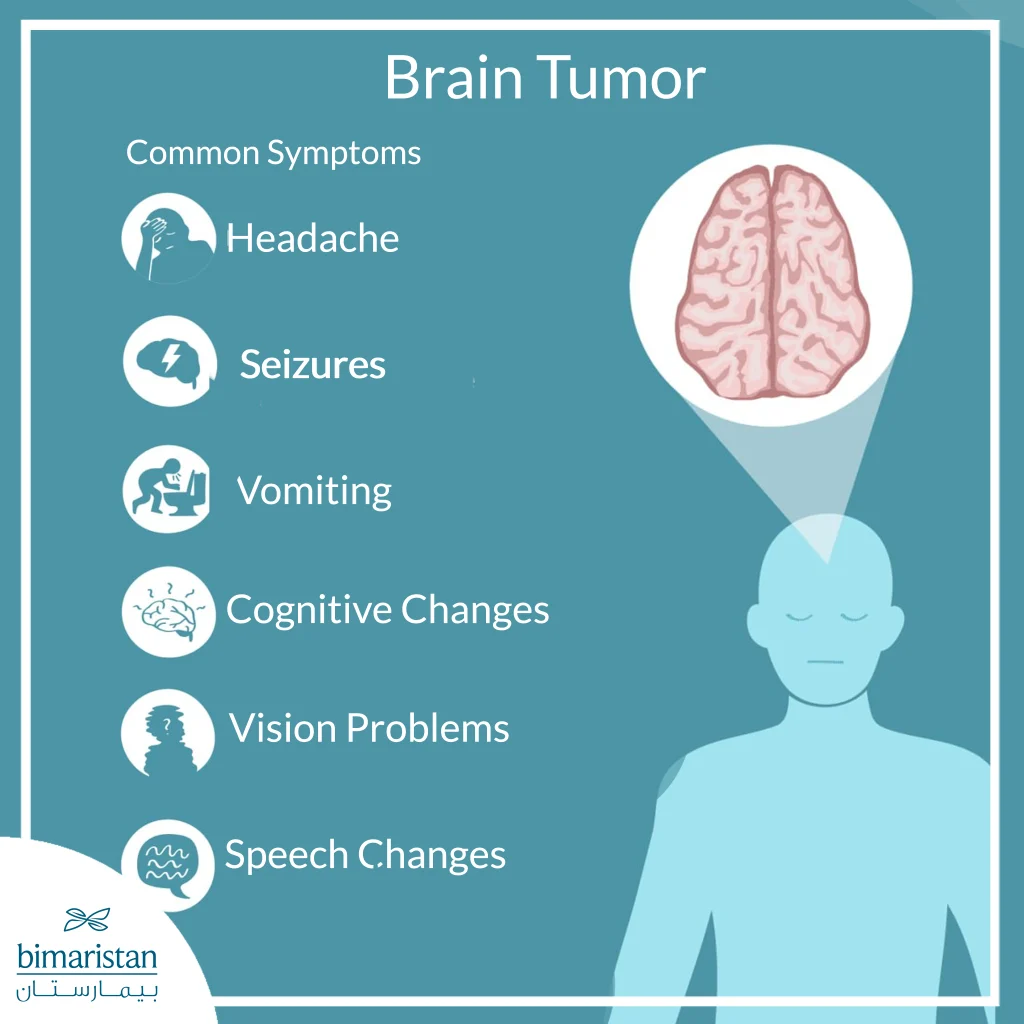
The early symptoms of brain tumors vary depending on the tumor’s location, size, and growth rate; they may be mild at first or develop gradually. The most notable symptoms to watch for include the following:
Recurrent headaches or headaches that differ from the usual pattern
Headaches may become more frequent or severe over time, or they may feel different from previous episodes. They may worsen in the morning or when lying down, bending over, or coughing, and may not improve easily with the usual pain relievers. However, headaches alone are not enough to suspect a brain tumor.
Unexplained nausea and vomiting
Nausea or vomiting may occur without an obvious gastrointestinal cause and may be accompanied by headache and drowsiness, particularly when intracranial pressure is elevated. This symptom becomes more significant when it recurs or is accompanied by other neurological signs.
Sudden seizures
A seizure may be the first sign of a brain tumor, especially in someone who has never had a seizure before. Seizures aren’t limited to convulsions and loss of consciousness; they can manifest as sudden staring, a temporary loss of responsiveness, numbness and tingling, involuntary movements in a limb, or temporary difficulty speaking.
Vision or hearing problems
Visual disturbances may include blurred or double vision or loss of part of the visual field, which can lead to collisions with objects on one side. Hearing problems, such as hearing loss or ringing in the ears, may also occur, depending on the area affected by the tumor.
Weakness or numbness in the limbs
The patient may experience weakness or numbness in the face, arm, or leg, which often occurs on one side of the body. The symptom may start mild, such as difficulty grasping objects or dragging the foot while walking, and then gradually worsen.
Difficulty with balance and walking
The tumor can affect motor coordination, causing unsteadiness, dizziness, or frequent stumbling. Tasks that require motor coordination, such as walking in a straight line or using the hands with precision, may become more difficult.
Speech, concentration, and memory disorders
The patient may have difficulty finding the right words, expressing their thoughts, or understanding what others are saying. Problems with concentration and memory may also arise, such as frequent forgetfulness, slow thinking, and confusion when performing routine daily tasks.
Changes in personality and behavior
Those around the patient may notice unusual changes in the patient’s personality or behavior, such as mood swings, irritability, social withdrawal, or a loss of initiative. The patient may also appear confused, drowsy, or behave in ways inconsistent with their usual personality.
The presence of any of these symptoms does not necessarily mean you have a brain tumor, as they can result from many different medical conditions. However, new, persistent, or worsening symptoms, especially when more than one neurological sign is present, warrant a visit to the doctor to determine the cause.
Early symptoms of brain tumors based on tumor location
Brain tumors affect the functions controlled by the area where they originate, so localized symptoms may help identify the affected area. However, the tumor’s location cannot be determined based on symptoms alone; it requires a neurological examination and medical imaging.
Symptoms of frontal lobe tumors
The frontal lobe controls planning, concentration, behavior, movement, and speech; therefore, tumors in this area may cause personality or mood changes, impaired concentration and decision-making, and a loss of initiative or control over one’s actions. Weakness on one side of the body, loss of the sense of smell, or difficulty speaking may also occur if Broca’s area is affected.
Symptoms of temporal lobe tumors
The temporal lobe is associated with memory, hearing, speech comprehension, and facial recognition; therefore, tumors in this lobe may lead to memory impairment, difficulty understanding speech, or hearing problems. Seizures may occur, accompanied by phantom smells or tastes, strange sensations, or moments of staring and loss of responsiveness.
Symptoms of parietal lobe tumors
The parietal lobe helps interpret sensory input and perceive the body’s position and distances; it also plays a role in reading, writing, and language comprehension. Tumors in this lobe can cause numbness or weakness on the opposite side of the body, difficulty distinguishing directions or estimating distances, poor eye-hand coordination, as well as difficulties with reading, writing, or understanding words.
Symptoms of occipital lobe tumors
The occipital lobe processes visual information; therefore, visual disturbances are among the most prominent symptoms of tumors in this lobe. The patient may experience partial loss of visual field, difficulty recognizing objects and colors, or seeing lights and shapes that are not actually there. Loss of peripheral vision can lead to repeatedly bumping into objects on one side.
Symptoms of cerebellar and brainstem tumors
Cerebellar tumors may cause unsteadiness and difficulty walking, dizziness, loss of balance, and impaired coordination and fine motor skills, and may be accompanied by episodes of headache or vomiting. Brainstem tumors, on the other hand, may cause double vision, facial muscle weakness, difficulty speaking and swallowing, or gait disturbances, and may affect breathing if they affect areas that control vital functions.
How can you tell the difference between a headache caused by a brain tumor and a regular headache?
There is no specific symptom that definitively identifies a brain tumor headache, and experiencing a headache alone is rarely strong enough evidence of a tumor. However, concern grows when the headache is new or differs from a person’s usual pattern. This is especially true if the headache becomes more frequent or severe over time, does not improve with over-the-counter pain relievers, worsens when lying down, bending over, or coughing, or even wakes the patient from sleep.
Headaches are more concerning when accompanied by vomiting, a new seizure, weakness or numbness on one side of the body, vision or speech disturbances, or difficulty with balance and motor coordination. Diagnosing the cause of a new or worsening headache cannot be based solely on the nature of the pain; medical evaluation, including an MRI or CT scan, may be necessary to identify its cause.
When should you see a doctor because of your symptoms?
You should see a doctor if you experience new or unusual neurological symptoms, especially if they persist, recur, or worsen over time. Conditions that warrant medical evaluation include:
- A new headache that differs from your usual headaches or increases in severity and frequency
- A headache accompanied by repeated vomiting or visual disturbances
- New seizures, even if not accompanied by severe convulsions
- Gradual weakness or numbness in the face or a limb
- Persistent changes in speech, memory, concentration, or personality
- Increasing difficulty with balance, walking, or coordination
- Symptoms that do not improve, or that disappear and then recur
However, an extremely severe headache, a first-time seizure, or sudden neurological deterioration requires a visit to the emergency department for prompt evaluation. The presence of these symptoms does not necessarily indicate a brain tumor, but they require a medical examination to determine the cause and to ensure that treatment for any serious neurological condition is not delayed.
How does the doctor diagnose the cause of the symptoms?
A brain tumor cannot be diagnosed based on symptoms alone, because headaches, vision problems, and balance issues can occur for many different medical reasons. Therefore, the doctor begins by asking about the nature of the symptoms, when they first appeared, and how they have progressed, and reviews the patient’s medical history and medications. After that, the diagnostic steps may include the following:
- Neurological examination: To assess vision, hearing, balance, motor coordination, muscle strength, sensation, reflexes, and cognitive abilities.
- Magnetic Resonance Imaging (MRI): Considered one of the most important tests for detecting brain tumors and determining their location and size; a contrast agent may be used to visualize details more clearly.
- Computed Tomography (CT) scan: May be performed as a rapid initial assessment or when an MRI is not feasible.
- Biopsy: If imaging shows a suspicious mass, the doctor may take a tissue sample during surgery or with an imaging-guided needle to determine the tumor cells’ type, grade, and characteristics.
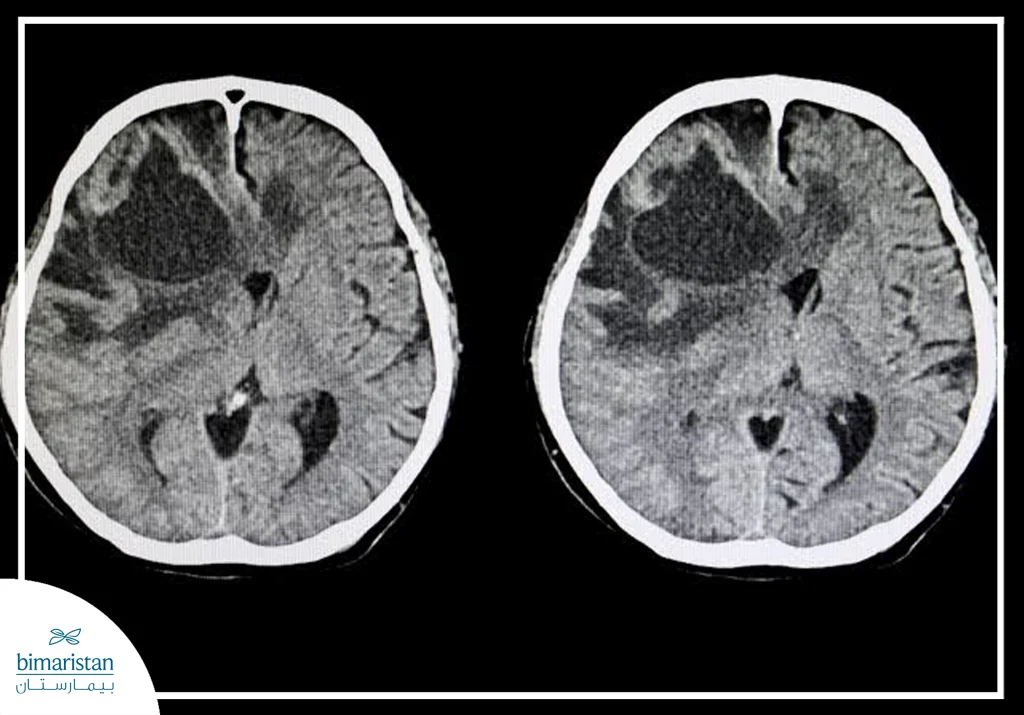
Based on symptoms and initial findings, the doctor may request additional tests to rule out other causes. Imaging does not always confirm whether a tumor is benign or malignant, as determining the tumor’s nature often relies on analysis of a tissue sample.
What is the importance of early detection of brain tumors?
Early detection of a brain tumor enables assessment and treatment before the tumor grows or puts increased pressure on nerve tissue. This can help minimize complications, such as impaired vision, movement, or speech, and give physicians a broader range of options for selecting an appropriate treatment plan based on the tumor’s type, location, and size.
Early diagnosis allows for better management of symptoms like seizures and increased intracranial pressure, and it enables close monitoring of the tumor’s progression. However, early detection does not always ensure a cure. Treatment outcomes depend on factors such as the tumor’s type, grade, and location, as well as the possibility of safely removing it. Nonetheless, early detection can provide improved treatment options and help prevent certain complications.
In conclusion, the early symptoms of brain tumors vary depending on the tumor’s location, size, and growth rate. Because these symptoms may initially resemble more common health conditions, headaches, dizziness, or forgetfulness do not necessarily indicate a tumor; however, persistent or worsening symptoms, especially when accompanied by seizures, limb weakness, or disturbances in vision, speech, or balance, warrant a medical consultation. Accurate diagnosis and timely treatment help minimize complications and preserve neurological function. Bimaristan Medical Center help you connect with specialized centers and experienced physicians to evaluate the condition and determine the most appropriate treatment plan.
Sources: