
Stryker joints are a well-known option in the field of artificial joints; they are products of the American company Stryker, which specializes in medical technologies, devices, and orthopedics. The company was founded in the United States and offers a wide range of medical products used in various fields, including joint replacement. The Stryker joint portfolio includes various types of knee, hip, and shoulder joints, featuring a variety of designs, materials, and technologies that vary depending on the type of joint and the patient’s needs. These products are designed to provide solutions that help restore joint function and improve mobility, with each product’s characteristics varying according to its design and intended use.
Stryker joints are available in many markets around the world, including Turkey, which has become a well-known destination for patients seeking specialized orthopedic and joint replacement services. Turkey is home to hospitals and medical centers that offer state-of-the-art technology and teams specializing in the treatment of joint diseases, giving patients access to a wide range of artificial joint options. Understanding the types of Stryker joints, their features, the materials used in their construction, and their expected lifespan helps provide a clearer picture of these products, while emphasizing that selecting the appropriate joint depends on the doctor’s assessment of the patient’s condition and medical needs.
What are Stryker joints?
Stryker joints are artificial joints manufactured by the American company Stryker, which specializes in medical technologies and devices. They are used to replace damaged joints when they are no longer able to function normally. The company offers a wide variety of artificial joints, primarily including knee, hip, and shoulder joints, with designs and materials varying depending on the type of joint and product. Stryker has developed these products to meet the diverse needs of patients, with a focus on providing a good fit for the joint, adequate stability, and the ability to withstand long-term daily use.
The characteristics of Stryker joints vary from product to product, as there are designs tailored to different types of joint replacements, and there is a variety of options regarding the materials and components used in their manufacture. This does not mean that a single type of Stryker joint is suitable for all patients; product selection depends on the joint being replaced, the patient’s condition, their mobility needs, and factors assessed by the physician. Stryker products are available in many global markets, including Turkey, allowing patients who choose to undergo treatment there to benefit from these options when they are available and appropriate for their medical condition.
What is the expected lifespan of Stryker joints?
Stryker artificial joints can last for many years, and in many cases, their lifespan may reach 15 years or more. This varies from patient to patient depending on the type of joint, age, activity level, overall health, and bone quality.
Who are Stryker joints intended for?
Stryker joints can be used for patients who need to replace a joint damaged by diseases or injuries that have affected its movement and function. Determining the suitability of the joint depends on the patient’s condition and the doctor’s evaluation. The most common cases include:
- Advanced joint stiffness: When joint wear and tear leads to persistent pain and difficulty moving.
- Joint damage caused by injuries: especially when the damage is severe and affects joint function.
- Arthritis: In cases that cause advanced joint damage.
- Joint damage associated with certain diseases: when a medical condition leads to deterioration of the joint’s structure and function.
What are the different types of Stryker joints?
Stryker offers a wide range of artificial joints to meet the needs of patients in various parts of the body; these joints vary in design and characteristics depending on the joint they are intended to replace. Among the most prominent types of Stryker joints are knee, hip, and shoulder joints, which include:
Knee Joints
Stryker joints offer a variety of options for replacing a damaged knee joint, and the designs vary depending on the condition of the joint, the extent of the damage, and the patient’s needs. These implants are designed to restore knee movement and improve the patient’s ability to perform daily activities, while providing options suited to various conditions requiring joint replacement.
Hip Joints
Stryker offers a range of artificial hip joints used to replace damaged parts of the hip joint. These products vary in design and the materials used in their components, providing different options that the physician can evaluate based on the patient’s condition and the nature of the problem.
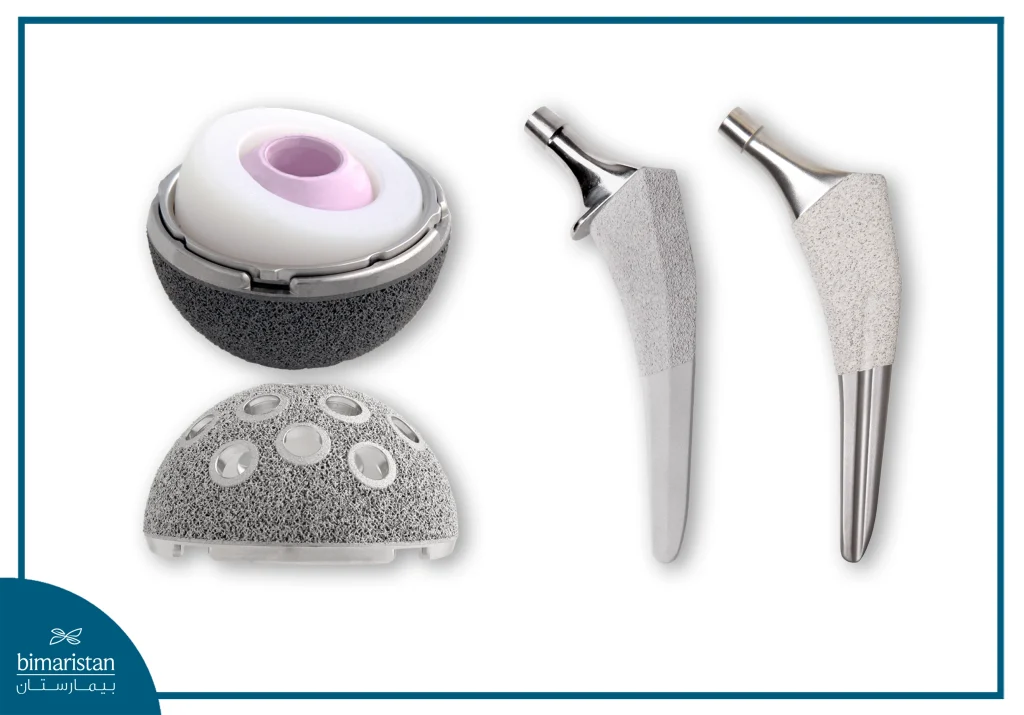
Shoulder Joints
Stryker also offers artificial shoulder joints, including options designed for various types of shoulder joint damage. These prostheses can help restore shoulder function, improve mobility, and reduce problems caused by joint damage; the appropriate type of prosthesis varies depending on the patient’s condition and the affected part of the shoulder.
What materials are used in Stryker joints?
Stryker joints are manufactured from a range of specialized medical materials, and the type of material varies depending on the joint’s design and components. The most common materials used include titanium alloys, cobalt-chromium alloys, ceramics, and medical-grade polyethylene. Each material is selected based on its properties and suitability for use within the joint.
What are the advantages of Stryker joints?
Stryker joints are characterized by a wide variety of designs and materials, offering multiple options that can be tailored to the type of joint and the patient’s condition. Among their most notable features are:
- Variety of Options: Knee, hip, and shoulder joints are available in various designs.
- Advanced Materials: The company uses materials specifically designed for artificial joints to ensure durability and wear resistance.
- Designs Aimed at Improving Mobility: The products are designed to provide natural movement and optimal joint function.
- Extensive experience in the field: Stryker has extensive experience in the development and manufacture of orthopedic and joint replacement products.
- Multiple options for patients: The variety of products allows the doctor to choose the joint that best suits the patient’s condition and needs.
The cost of Stryker joints in Turkey
The cost varies depending on the type of joint, the hospital, the doctor, and whether the procedure is traditional or robot-assisted, and is approximately as follows:
| Joint Type | Approximate Cost in Turkey |
| Knee joint | $8,500–$15,000 |
| Hip joint | $9,000–$16,000 |
| Shoulder joint | $9,750 – $14,300 |
Why do patients choose Stryker joints in Turkey?
Turkey is one of the destinations that some patients choose to receive specialized orthopedic and joint replacement services, with Stryker joints available at a number of hospitals and medical centers. Among the main reasons that may encourage patients to choose Turkey are:
- Stryker Joints are available: Patients can access a range of the company’s products, subject to availability and suitability for their condition.
- Specialists: Turkey is home to doctors with expertise in joint surgery and joint replacement.
- Well-equipped hospitals: There are medical centers that use state-of-the-art techniques in the field of orthopedics.
- Competitive treatment costs: The cost of joint replacement in Turkey may be lower than in many European countries.
- Comprehensive Services for International Patients: Some hospitals offer services to assist patients coming from abroad, including medical coordination, accommodations, and follow-up care.
In conclusion, Stryker joints are a well-known option in the field of artificial joints, and various types are available for the knee, hip, and shoulder, with a range of designs and materials to meet patients’ diverse needs. Turkey also offers patients the opportunity to receive these implants at specialized medical centers, with treatment options at competitive prices.
Ultimately, the choice of the appropriate joint depends on the doctor’s assessment of the patient’s condition, the type of affected joint, the extent of its damage, the patient’s mobility needs, and other health factors that may influence the choice of joint type. Therefore, the patient is advised to discuss the available options with the doctor and learn about the characteristics of the proposed joint, its expected lifespan, and the total cost of treatment, in order to reach the decision best suited to their condition.
Sources: