
Cataract is one of the most common eye conditions among adults and the elderly, in which the eye’s natural lens gradually becomes cloudy, leading to blurred vision and duller colors. To address this issue, cataract surgery is performed to replace the clouded lens with a clear artificial lens, restoring sharp, vibrant vision.
With advancements in medical technology, FemtoLaser cataract surgery has emerged as a cutting-edge alternative, using laser precision rather than manual tools to enhance accuracy, speed recovery, and deliver superior visual outcomes compared to conventional cataract procedures.
What is a cataract?
Cataracts are a gradual clouding of the natural lens of the eye, resulting in poor vision that feels like looking through foggy glass. The condition often occurs as a result of aging, but can also be caused by diabetes, ocular trauma, prolonged use of corticosteroids, or genetic causes. As the opacity progresses, vision gradually deteriorates, making it difficult to drive or read, especially in low light. Ultimately, surgery becomes the only option to restore clear vision.
What is FemtoLaser cataract surgery?
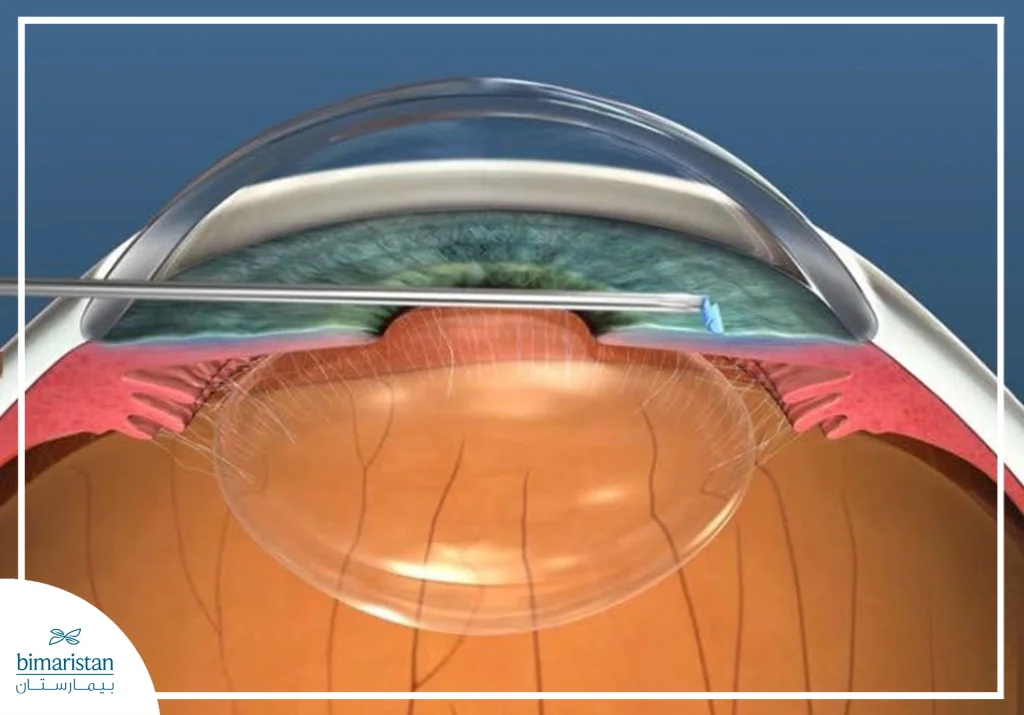
FemtoLaser cataract surgery is one of the latest surgical techniques in ophthalmology, using ultra-fast pulses of light to precisely break up the cloudy lens without the need for a conventional surgical scalpel. The laser creates tiny incisions in the cornea and separates the cloudy lens into small fragments that can be easily suctioned out and replaced with a new artificial lens.
This technique enables the surgeon to have complete digital control over every step of the procedure, from locating the incisions to adjusting the position of the implanted lens. This precision reduces the risk of human error, leading to safer, more stable outcomes. This surgery is distinguished by not requiring general anesthesia and by a short procedure time with a quick recovery. In some cases, astigmatism can be corrected during the same operation to improve the final vision.
Advantages of FemtoLaser cataract surgery
Femtolaser cataract surgery has revolutionized the accuracy and safety of cataract surgeries, thanks to the use of ultrafast lasers instead of conventional surgical instruments. Among its most notable features:
- Greater precision and safety: The laser allows the surgeon to make tiny incisions in the cornea and break up the opaque lens with micron-scale precision, minimizing the potential for human error and improving post-operative vision outcomes.
- Minimized risk of complications: The high precision of the incision reduces the chances of damaging surrounding tissues or rupturing the lens capsule. Additionally, it requires less ultrasonic energy during lens fragmentation, making the surgery gentler on the eye.
- No scalpel or needles are required: The entire procedure is performed without sharp instruments, as the conventional scalpel is replaced by a precise laser beam, making it safer and more comfortable for the patient.
- Better implanted intraocular lens (IOL) Stability: The laser helps create an optimal opening in the lens capsule, ensuring the artificial lens is precisely positioned and remains stable over time.
- Shorter surgery time: Laser use makes it easier to break up and aspirate the lens more quickly, reducing the operation time and preserving the integrity of the eye tissue.
- Faster recovery and a quicker return to activity: The laser incision can self-heal without suturing, which speeds tissue healing and allows the patient to return to daily activities sooner.
- Improved visual outcomes: This technique provides clearer vision and high visual quality through precise IOL placement, and astigmatism can be corrected during the same surgery for optimal visual clarity.
Risks and possible complications of FemtoLaser cataract surgery
Although FemtoLaser cataract surgery is one of the safest and most successful surgeries, it can come with some minor risks such as:
- In rare cases, a slight increase in eye pressure or an allergic reaction to the drops may occur
- Possible over- or under-correction of the implanted lens, sometimes requiring subsequent adjustment
- Temporary blurry vision during the first few days before the lens settles into its final position
- Dry eyes or a slight tingling sensation because of the use of drops or the surgical incision
- Temporary redness or swelling of the eye during the first few days after the procedure
- Superficial infections that can be controlled with topical antibiotics
Before FemtoLaser cataract surgery
Prior to FemtoLaser cataract surgery, the patient undergoes a thorough eye evaluation to assess lens opacity, corneal and retinal health, and measure corneal curvature. The appropriate corrective power of the artificial lens to be implanted is determined. Patients may be advised to discontinue certain blood-thinning medications after consulting their physician. Anti-inflammatory eye drops and antibiotics are prescribed one to two days before the procedure to lower the risk of infection. The surgeon also explains the FemtoLaser cataract surgery process, expected recovery timeline, and post-operative care in detail.
During FemtoLaser cataract surgery
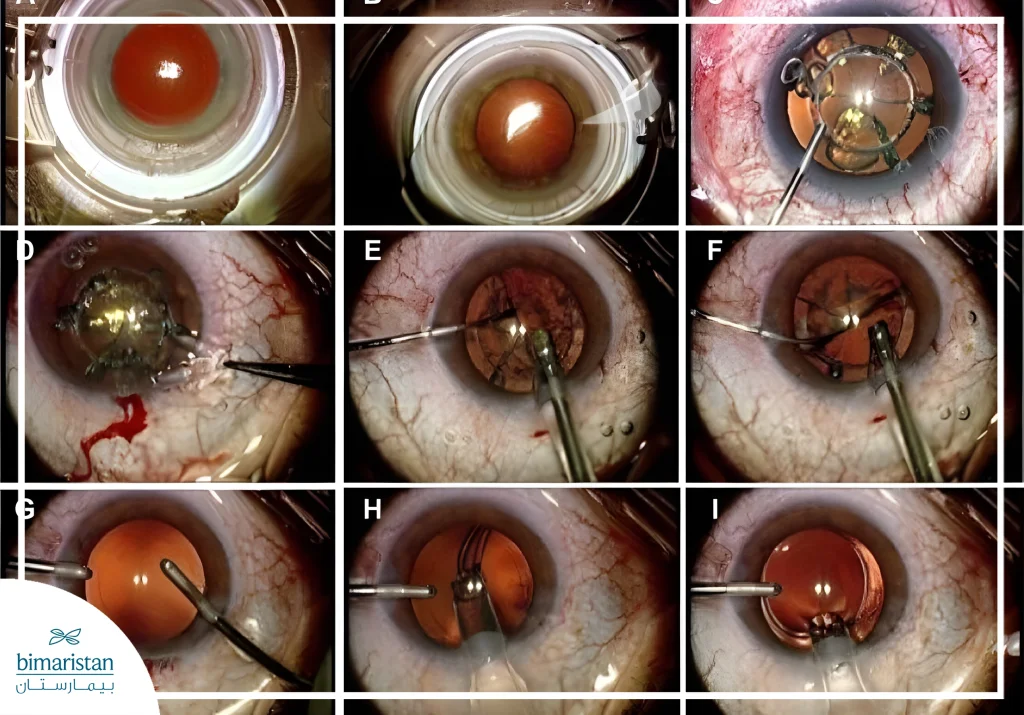
FemtoLaser cataract surgery is performed under local anesthesia using numbing eye drops. A femtosecond laser is employed to carry out each surgical step with exceptional precision. The surgeon begins by creating a corneal incision using the laser instead of a scalpel, followed by a laser-assisted capsulotomy to open the lens capsule. The cloudy lens is then fragmented into fine particles using the laser, allowing for gentle suction without harming adjacent tissues. Finally, a new intraocular lens (IOL) is implanted in place of the natural lens. The entire FemtoLaser cataract surgery typically lasts 15 to 30 minutes, with the patient remaining awake and comfortable throughout.
After FemtoLaser cataract surgery
Once FemtoLaser cataract surgery is completed, a protective eye shield is placed for several hours to guard against dust and intense light. Patients are instructed to use prescribed eye drops containing antibiotics, anti-inflammatory agents, and lubricants, while avoiding eye rubbing or direct water exposure during the initial recovery days. Discharge on the same day is typical, with a mandatory follow-up visit after one week to confirm lens stability and visual improvement.
Recovery period after FemtoLaser cataract surgery
Patients typically experience gradual visual improvement within the first few days, with noticeable clarity by the end of the first week. Most individuals resume reading and driving shortly after. To prevent pressure on the eye, strenuous activities and swimming should be avoided for two weeks. Mild dryness or temporary blurriness may occur but usually resolves with continued drop usage. Thanks to the precision of FemtoLaser cataract surgery, recovery is faster and visual outcomes are significantly better than conventional methods.
The difference between FemtoLaser and conventional cataract surgery
Femtolaser technology is a significant advancement in cataract surgeries, offering greater precision and control than conventional manual surgery. The following table illustrates the main differences between FemtoLaser cataract surgery and conventional surgery in terms of procedure steps, accuracy, recovery time, and final visual results:
| Comparison | Conventional cataract surgery | FemtoLaser cataract surgery |
|---|---|---|
| How to make the incision | A sharp instrument (surgical scalpel) is used to make the incision in the cornea | The incision is made with micron precision by a femtosecond laser without the use of a scalpel |
| Opening the lens capsule (Capsulotomy) | It is done manually using a needle or tweezers | It is done by laser with high precision and perfect consistency |
| Breaking up the cloudy lens | Using only an ultrasound device (Phacoemulsification) | The lens is first fragmented with a laser, minimizing the need for ultrasonic energy |
| Accuracy and control | Depends on the surgeon’s skill and manual dexterity | A computerized laser system controls every step with micron precision |
| Duration of the operation | Relatively longer due to manual steps | Shorter thanks to the speed and precision of the laser |
| Tissue integrity | More likely to injure the cornea or capsule | Less, thanks to the precision and regularity of the laser cutting |
| Astigmatism (deviation) | It may persist or need to be corrected later | It can be corrected during the same procedure with laser reshaping of the cornea |
| Recovery period | Two to three weeks | Often shorter, one week to ten days |
| Vision results | Good, but may need glasses after surgery | Clearer and more stable thanks to precise lens placement and alignment |
| Comfort during surgery | Requires the use of multiple tools and may cause minor discomfort | Performed without a scalpel or needles with greater patient comfort |
The cost of femtolaser cataract surgery in Turkey
The cost of femtolaser cataract surgery in Turkey ranges from 1300 to 2000 USD per eye, and the price varies depending on the type of lens implanted (monofocal or multifocal), the surgeon’s experience, and the hospital or center where the procedure is performed. Turkey stands out as a leading destination offering this advanced technology at significantly lower prices than Western Europe or the United States, while maintaining high standards of care and comprehensive medical services. At Bimaristan Medical Center, we help patients choose the right hospital and specialized doctor to ensure the best results with the latest femtolaser technology at the lowest possible cost.
When should I see a doctor?
It is essential to consult an ophthalmologist promptly if any unusual symptoms occur after the procedure, such as intense eye pain, sudden vision loss, increased redness or swelling, or any discharge from the eye. You should also seek medical attention if you notice flashes of light or floating spots, as these may indicate complications that require immediate care. Even without symptoms, attending regular follow-up visits is crucial to confirm that the artificial lens is stable and the eye has healed properly.
In conclusion, FemtoLaser cataract surgery is among the most advanced and precise methods for treating cataracts, offering enhanced safety, rapid recovery, and exceptional visual clarity. With cutting-edge laser technology, patients can achieve restored vision quickly and outstanding outcomes. At Bimaristan Medical Center, we provide this procedure through highly experienced ophthalmologists in Turkey, using state-of-the-art equipment to ensure optimal results and improved visual quality of life.
Sources: