
AIDS is a viral disease that weakens the body’s immune system; however, Turkey offers the latest AIDS treatment methods.
Introduction to AIDS Treatment
Before beginning AIDS treatment, it’s essential to distinguish between two terms: the first is HIV, the human immunodeficiency virus that causes AIDS. This virus can be transmitted through blood (contaminated needles, drug use, blood transfusion from an infected person), sexual contact, or from mother to child.
The second term is AIDS, which stands for acquired immunodeficiency syndrome caused by chronic HIV infection (i.e., a long period has passed since the virus entered the body).
Thus, AIDS treatment primarily depends on the duration of the patient’s HIV infection, and early administration of HIV suppressive therapy can prevent the development of AIDS.
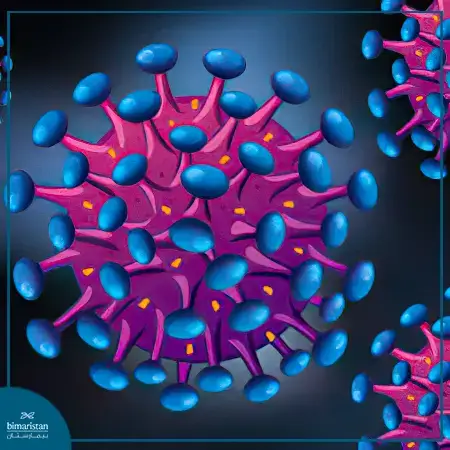
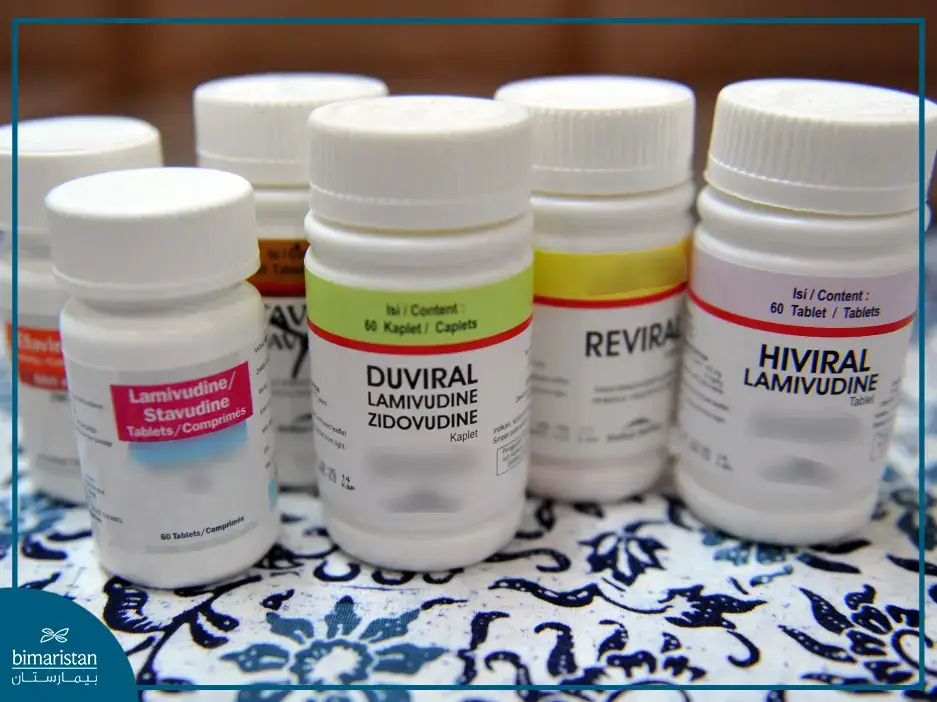
HIV AIDS Treatments with Medication
Despite advancements in anti-HIV drugs (HIV AIDS medication), treatment should only be administered under the supervision of a specialized medical team to adjust dosages and achieve the best outcomes. Bimaristan Medical Center provides the best medical teams in Turkey for AIDS treatment using the latest medications.
The specific AIDS drugs prescribed depend on several factors, including the patient’s medical history, virus type, and other health issues the patient may face. Some of the main medications used in AIDS treatment are:
Nucleoside Reverse Transcriptase Inhibitors (NRTIs):
- Zidovudine (AZT)
- Lamivudine (3TC)
- Tenofovir
Protease Inhibitors (PIs):
- Atazanavir
- Lopinavir
- Darunavir
Integrase Inhibitors (INSTIs):
- Raltegravir
- Dolutegravir
- Elvitegravir
Entry Inhibitors:
- Maraviroc: Works by preventing the HIV virus from entering human cells.
Entry and Fusion Inhibitors:
- Enfuvirtide: Prevents HIV from entering the cell by inhibiting the entry process.
These drugs are used in various forms and dosages based on the patient’s needs and the treating physician’s recommendations. Treatments typically need to be taken regularly and accurately to ensure their effectiveness and prevent drug resistance.
Latest AIDS Treatment in Turkey
The field of AIDS treatment is rapidly evolving, with new drugs being regularly introduced to improve treatment efficacy and reduce side effects (HIV AIDS medical treatment). AIDS treatment relies on drug protocols that use more than one medication to achieve optimal outcomes. Some of the new and important drugs in AIDS treatment include (HAART therapy):
- Bictegravir/Tenofovir/Emtricitabine: This combination is a single daily dose for AIDS treatment, representing a significant step in simplifying treatment and increasing adherence due to the once-daily dosage.
- Dolutegravir/Rilpivirine: Part of the combination therapy used in AIDS treatment, known for its high efficacy and minimal side effects.
- Dolutegravir/Lamivudine/Tenofovir/Rilpivirine: This combination, which includes Dolutegravir as a key component, is effective and safe in treating AIDS.
- Dolutegravir/Lamivudine/Tenofovir/Emtricitabine: Another combination therapy for AIDS that includes Dolutegravir, successfully used as an initial treatment option.
These and other medications are commonly used in antiretroviral therapy (ART) for HIV, helping to reduce viral levels in the body and prevent disease progression. The appropriate treatment is chosen for each patient based on factors like medical history and individual response to therapy.
AIDS Cure
Currently, no cure guarantees complete recovery from AIDS (there is no definitive cure for AIDS yet). HIV remains in the body and can replicate if not treated appropriately with ART.
However, people living with AIDS can control the disease and maintain good health and quality of life by adhering to their treatment and regular healthcare. With consistent use of ART (therapy for HIV), individuals with AIDS can reduce their viral load to undetectable levels, preventing disease progression, protecting the immune system, and reducing the risk of transmission to others.
Additionally, a healthy lifestyle, self-care, a nutritious diet, exercise, and adequate sleep can enhance the quality of life for people living with AIDS.
In conclusion, while a complete cure for AIDS is not yet possible, appropriate treatment and regular healthcare can effectively manage the disease and improve the quality of life for those affected.
AIDS Prevention
Prevention largely depends on changing risky behaviors and adopting healthy practices in daily life. Several methods to avoid and prevent AIDS include:
- Regular and correct use of condoms during sex.
- Avoiding the sharing of sharp tools, particularly needles or syringes.
- Regular HIV and sexually transmitted disease testing, especially if there’s a risk of exposure.
- Avoiding injected drug use or engaging in activities that increase the risk of virus exposure.
- Ensuring protection during pregnancy and childbirth for women living with HIV.
- Educating people and raising awareness about safe prevention methods to reduce the unwanted spread of the disease (Learn about drug addiction treatment in Türkiye).
In summary, fortunately, advancements in medication and AIDS control centers worldwide, including strong specialized centers in Turkey, provide psychological and health support aimed at finding a final cure for AIDS.
Sources:
- CDC
- healthline
- HIV.gov