
Common bruxism treatment is now available in Turkey, where many people suffer from grinding their teeth either while awake or while sleeping, which causes them many pains and problems.
Bruxism refers to the condition in which a person grinds or presses their teeth in situations other than normal physiological conditions, such as chewing. It usually occurs during sleep and can also occur during waking hours. Often, a person may not be consciously aware that they are doing it.
Teeth grinding involves a chewing-like movement in which a person clenches their teeth and tightens the muscles as the teeth rub back and forth.
We will look at the signs, diagnosis, and bruxism treatment and explain the differences between teeth grinding while sleeping and when awake.
Bruxism during sleeping
It is considered a type of sleep disorder. Symptoms of nocturnal teeth grinding that people may notice upon waking up include:
- Facial pain
- Jaw stiffness and pain
- Clicking, popping, or clicking sounds when moving the jaw
- Mild headaches
- Sensitive or broken teeth
- Broken or loose fillings
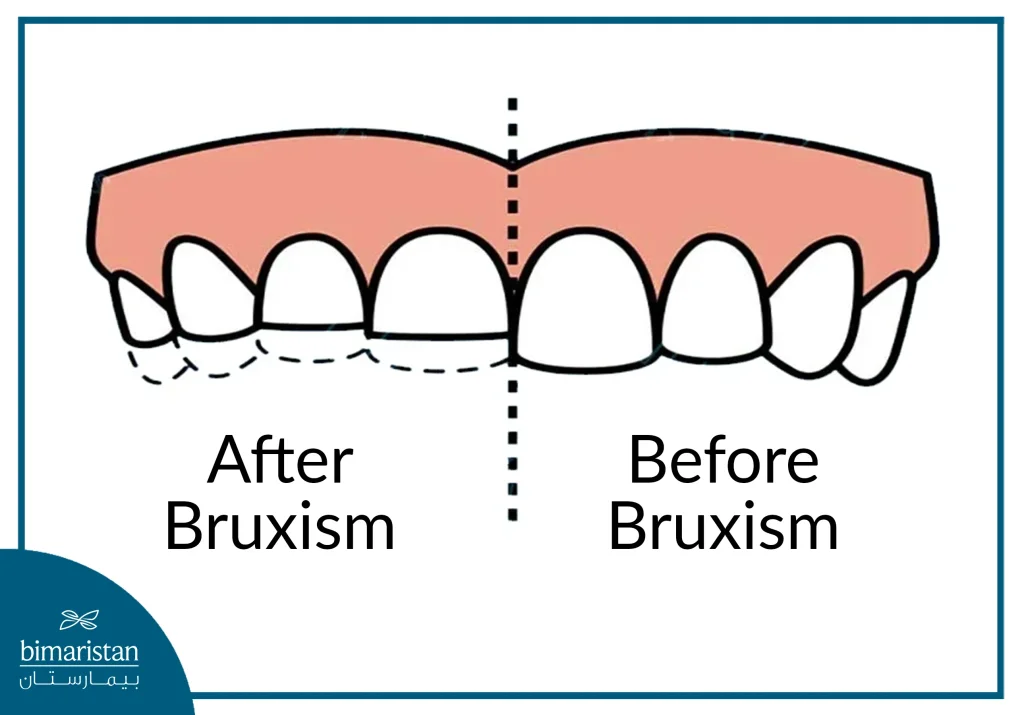
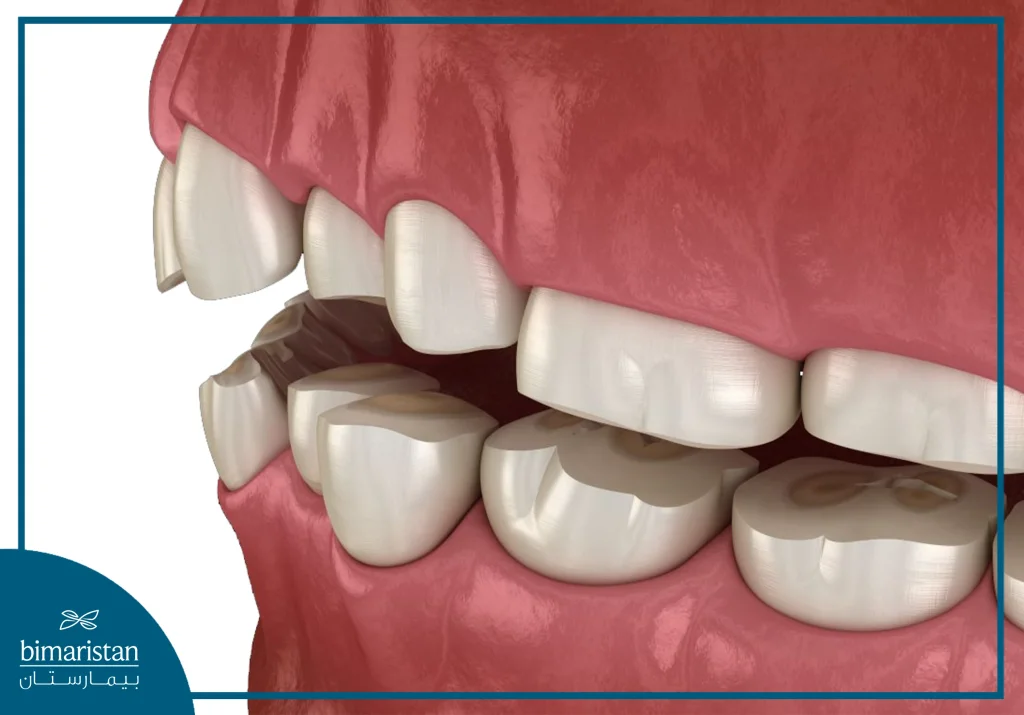
- Eroded teeth
People can also experience ear pain and ringing because the joint that allows the jaw to open and close, the temporomandibular joint (TMJ), is very close to the ear. The joint can become damaged, and the pain can radiate, meaning that the person feels pain in a place other than its source.
Although people who grind their teeth at night may not feel clenching or grinding their teeth, people who sleep close to them may hear the sound caused by the grinding.
Bruxism while awake
Teeth grinding while awake usually differs from nocturnal teeth grinding because it occurs unconsciously and is not a sleep disorder. In the case of awake teeth grinding, the person grinds their teeth or tightens the jaw muscles without grinding and often moving their jaw.
When you grind your teeth while awake, you may notice several problems, including:
- Soreness around the jaw
- Mild headache
- Stiffness
In cases without grinding, the condition may not cause tooth wear.
Teeth grinding occurs involuntarily while awake, just as nighttime grinding does, and people tend to be more prone to it when they are concentrating or feeling stressed.
What causes teeth grinding?
It doesn’t always have a single cause, as it is linked to several factors. These factors vary depending on the type of teeth grinding.
Primary teeth grinding
Primary teeth grinding occurs independently and is not caused by another condition. Some of the known factors that contribute to it include:
Tooth development
A common grinding that affects 40% of young children when their teeth are erupting. It usually resolves independently without causing permanent damage to the child, as the teeth and jaw grow rapidly during childhood.
Malocclusion and misalignment of teeth
Some people may experience teeth grinding due to a person’s bite being misaligned or missing teeth. Oral irritation can also contribute to grinding or clenching.
Stress
One of the most important causes of teeth grinding in adults, whether during sleep or wakefulness, research has found a significant association between stress and teeth grinding, but more research is needed to understand the relationship.
Smoking, alcohol and caffeine
Research has found that the use of these substances was also linked to bruxism. People who smoked or drank alcohol regularly were nearly twice as likely to develop the problem, while those who drank more than 8 cups of coffee and caffeinated drinks a day were 1.5 times more likely.
Secondary teeth grinding
Secondary teeth grinding occurs in some people as a result of medical conditions or other medical conditions, such as:
Psychological conditions
Anxiety and depression are linked to teeth grinding. This link may be partly due to stress, which can contribute to these conditions.
Neurological conditions
A group of neurological conditions, such as Huntington’s disease and Parkinson’s disease, can cause movement during sleep, which can lead to bruxism.
Medications
Teeth grinding can be a side effect of some medications, such as antidepressants and antipsychotics.
Sleep apnea
A condition that causes breathing to stop temporarily during sleep. It can reduce sleep quality and cause frequent awakenings, which may be a risk factor for teeth grinding through sleep disturbance.
Long-term effects of teeth grinding
Long-term teeth grinding can cause:
- Tooth sensitivity due to enamel wear
- Inflamed or bleeding gums
- Tooth loosening
- Damage to restorations such as crowns and fillings
- Tooth fractures
- Temporomandibular joint syndrome, which causes pain, tension, and difficulty chewing
- Flat or short teeth
Bruxism treatment
Various treatments and strategies may help in bruxism treatment, including:
Mouth guard or mouth splint
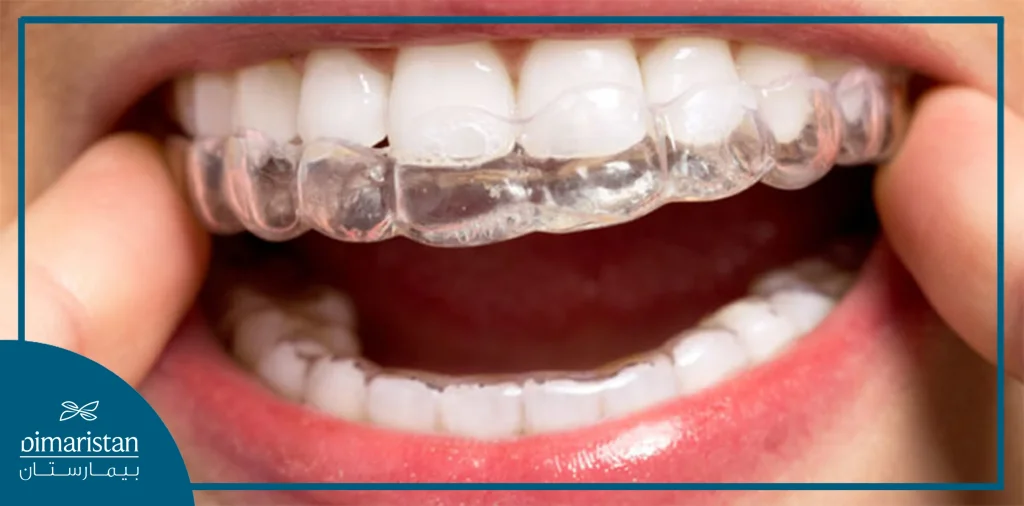
Wearing a mouth splint or mouth guard at night is recommended for patients with teeth grinding because the splint effectively protects teeth from damage. It can also help relieve pressure on the jaw, provide a physical barrier between the teeth, and reduce the noise of teeth grinding.
Bruxism treatment with medications
Taking medications such as nonsteroidal anti-inflammatory drugs (NSAIDs) may help reduce the pain and swelling associated with teeth grinding.
In some cases, a specialist doctor prescribes a short-term muscle relaxant to stop the cycle of teeth grinding. This gives the jaw muscles a chance to rest, which may reduce symptoms.
If the grinding is a side effect of certain medications, you should ask your doctor to prescribe an alternative. Avoid stopping the medication or changing the dosage without consulting your doctor first.
Bruxism treatment with biofeedback
Biofeedback is a treatment that helps people become aware of involuntary bodily functions such as breathing or heart rate and teaches them to control them.
A review found that a specific biofeedback tool, emergency electrical stimulation, improved symptoms after several days of use.
Bruxism treatment with Botox
In severe cases, injections of botulinum toxin, or Botox, can paralyze the muscles responsible for teeth grinding during sleep to stop it. Regular injections are required to maintain its effects.
Treating conditions that cause bruxism
If the person suffering from bruxism also suffers from illness, stress, anxiety, or depression, treating these conditions may help in bruxism treatment.
Treatment for these mental health conditions usually involves a combination of talk therapy and medication to reduce symptoms. Still, because some SSRIs can cause teeth grinding as a side effect, a person may want to start with medication first.
If a person has other conditions, such as sleep apnea, talking to a doctor about this may allow them to get a diagnosis and treatment.
Sources:
- Johns Hopkins
- NHS
- Healthline