
Underbite treatment is essential because neglecting it in severe cases can lead to tooth wear and pressure on the jaw joints. Many corrective options are available in Turkey.
Overview of underbite
A crossbite or underbite is when the lower jaw is positioned in front of the upper jaw and is ahead of it, causing the lower front teeth to protrude in front of the upper teeth.
Underbite cases can arise as a result of a number of different factors, from genetic predisposition to childhood habits such as thumb sucking.
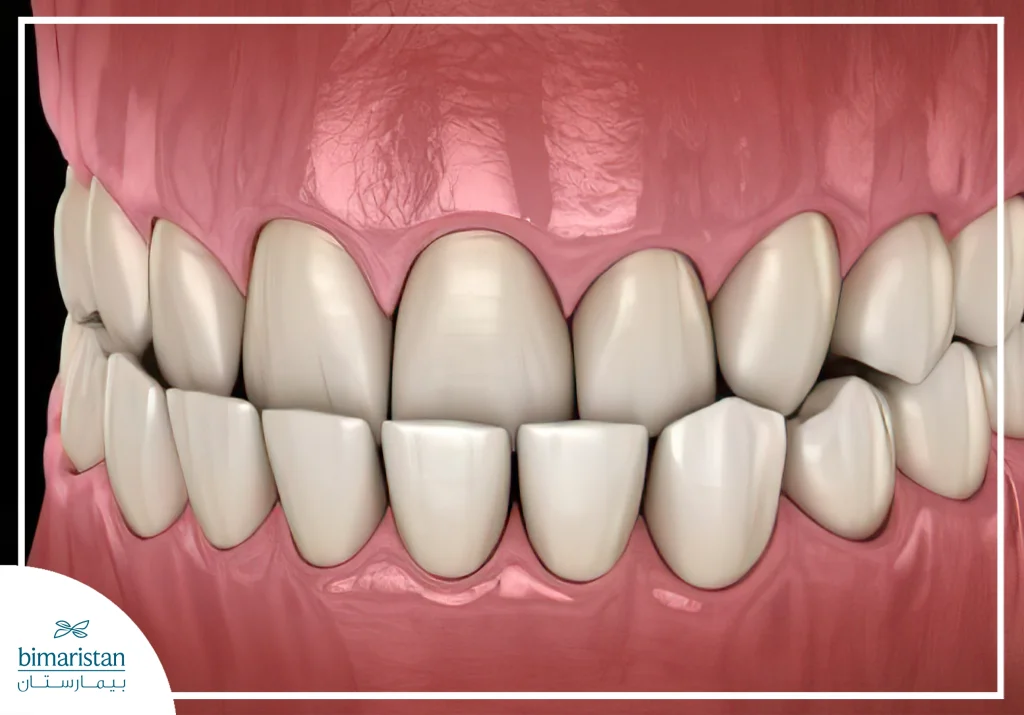
According to the American Association of Orthodontists, an underbite can increase tooth wear, muscle tension, and pressure on the jaw joint. This can lead to discomfort, eating and chewing problems, and tooth decay. In severe cases, it can cause speech problems.
Fortunately, several orthodontic and surgical treatment options are available. Which one is best for you? This article will help you determine.
Underbite treatment options
Underbite treatment depends on the severity of the bite and the patient’s age.
Underbite treatment using a face mask device
If the bite is caused by a skeletal disorder and the patient is a young person before puberty, it is often preferable to resort to orthodontic treatment. Interceptive treatment, also known as early treatment, is performed while some baby teeth are present.
A common orthodontic treatment plan for adolescents includes an upper expansion appliance with reverse pull headgear to assist with maxillary growth. Limited upper arches are also usually placed during the first phase of treatment.
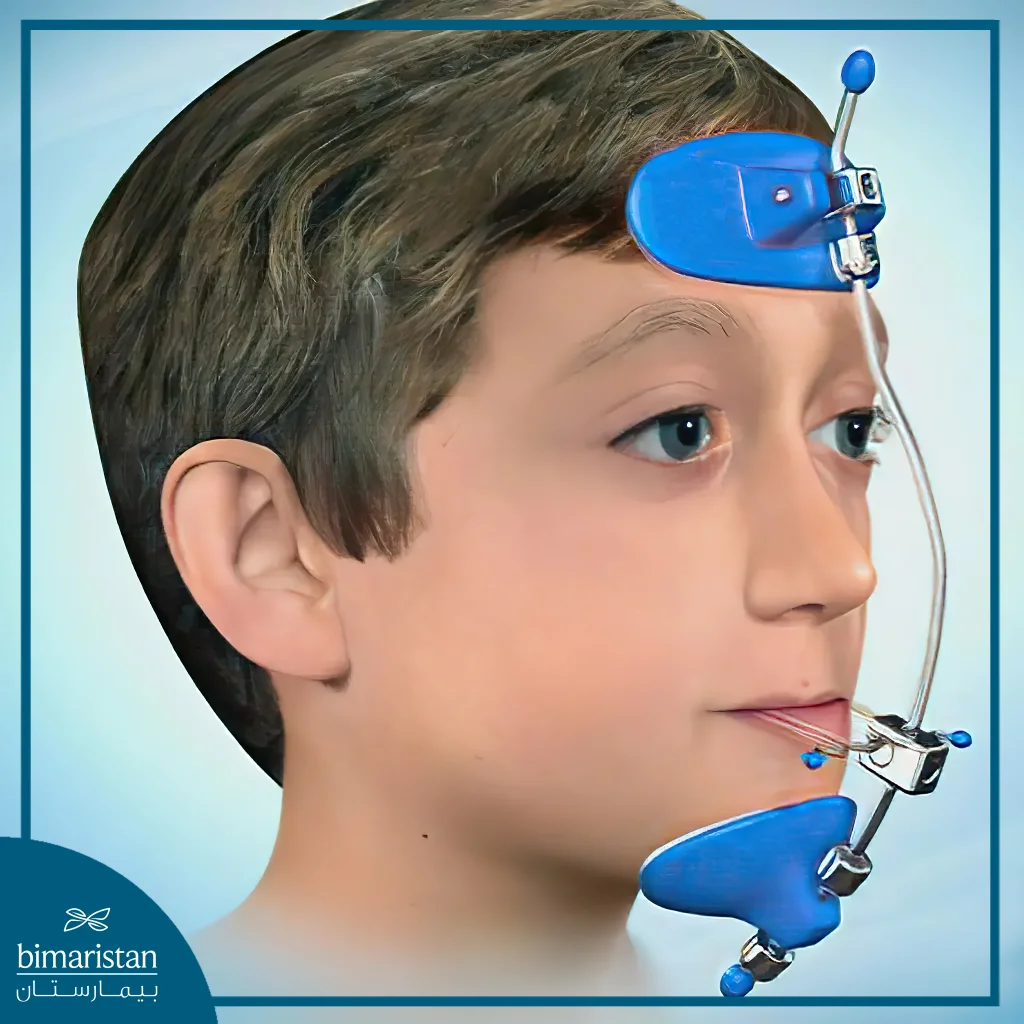
This form of corrective treatment can correct underbite by promoting the forward growth of the upper jaw through early intervention.
Underbite treatment with clear aligners
Invisalign clear aligners are a series of clear trays digitally designed by the orthodontist specifically for the patient. They are then delivered to him to wear while monitoring the movement of the teeth to gradually straighten the teeth.
While traditionally used for mild cases of tooth misalignment, clear aligners are an increasingly popular option for a variety of cases. As they have evolved, they are more capable of treating more complex cases than ever before.
In clear aligners, the patient changes the trays at home every one to two weeks, and each tray moves the teeth a small distance. Clear aligners are a less visible treatment method than traditional metal braces, making them a desirable option.
Here are some of the advantages of wearing clear aligners, according to the American Association of Orthodontists:
- Virtually invisible
- Easy to clean
- Can be removed for social events
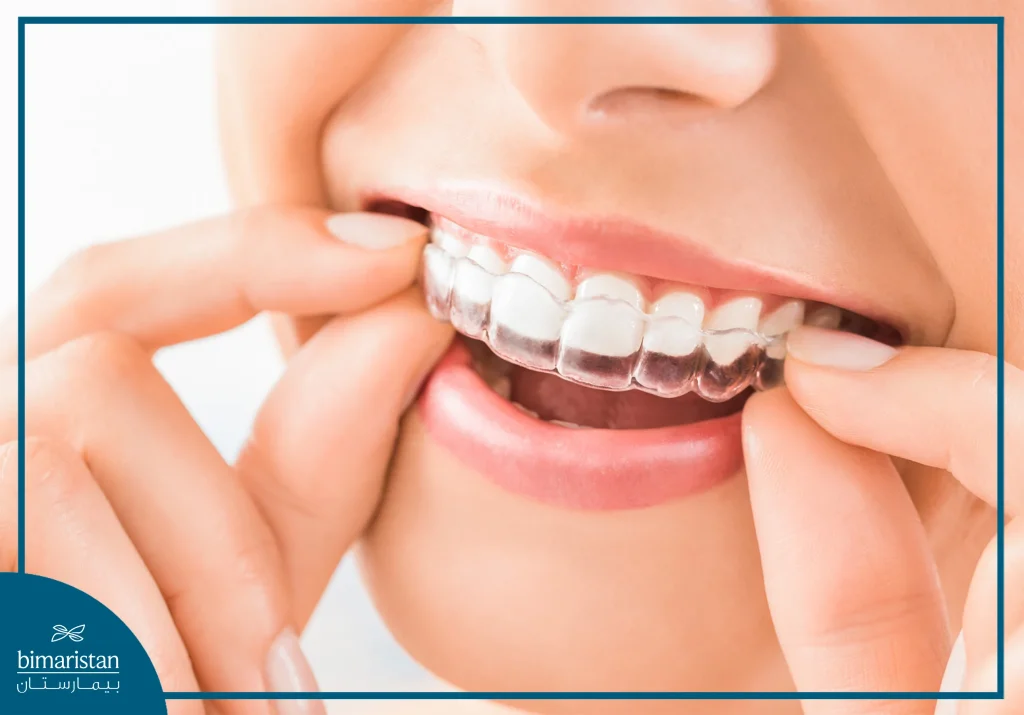
Although clear aligners can be removed when treating underbites, the braces should not be removed and should be worn for more than the prescribed hours per day for successful treatment.
The American Association of Orthodontists recommends wearing braces for 22 hours daily. Clear aligners offer remarkable results for underbite treatment and correction.
In some cases, braces may be used with attachments made of additional materials that attach to the teeth to help the teeth move properly and keep the orthodontic tray in place in the mouth. During treatment, the doctor may add a little composite to the patient’s teeth. These trays may also contain small bubbles above the attachments to hold the teeth.
Underbite treatment with traditional braces
We use traditional braces, as do clear braces, as a corrective option for some cases of underbite if the patient has a mild to moderate underbite or a problem with the alignment of the teeth rather than a problem with the jawbone’s structure.
When braces move teeth, they also reshape the bone. As the teeth move, the cells in the bone around them grow and spread as needed.
Orthodontic brackets use metal wires and brackets to apply pressure to the teeth in the jaw. Unlike clear aligners, which are replaced over time, the orthodontist must periodically tighten or change the braces’ wires to apply the correct pressure to the teeth.
Orthodontists can correct underbite using braces by either widening the upper jaw or pushing the lower jaw back.
Orthodontic brackets are available in a number of forms, including metal brackets, ceramic brackets, and lingual brackets.
Although many people prefer clear aligners over traditional metal braces to treat the condition, both are good options for treatment. Studies show that both traditional braces and clear aligners can be good options, and depending on the ideal mechanisms needed to correct the patient’s bite, an orthodontist can help guide the patient to the best option for them.
Surgical treatment for underbite
Some underbites are skeletal in nature, meaning that the lower or upper jawbone is not equal in size, which requires surgery to correct them. Also, if the patient has passed puberty and the skeletal growth abnormality is severe, orthognathic surgery may be recommended to completely correct the condition in conjunction with orthodontics.
Orthognathic surgery, also known as jaw surgery, is another option for underbite treatment. It is performed by a maxillofacial surgeon who realigns the lower jaw to straighten the smile.
Due to the unpredictable nature of mandibular growth, this surgery is usually planned in early adulthood to minimize the risks that may affect the treatment’s outcome.
The American Association of Orthodontists recommends jaw surgery for adults with severe malocclusions that cannot be corrected with orthodontics alone. This treatment method typically involves wearing clear or traditional aligners either before or after surgery or both to achieve the best possible outcome.
Conclusion
An underbite is a dental condition that can significantly impact not only your self-confidence due to its cosmetic impact but also your quality of life. It is important to treat or even completely correct the problem because studies have shown that it positively impacts your self-confidence.
You should consult your dentist for information about your treatment options and to determine what is best for you. You can contact us to get guided to the best specialists.
Sources: