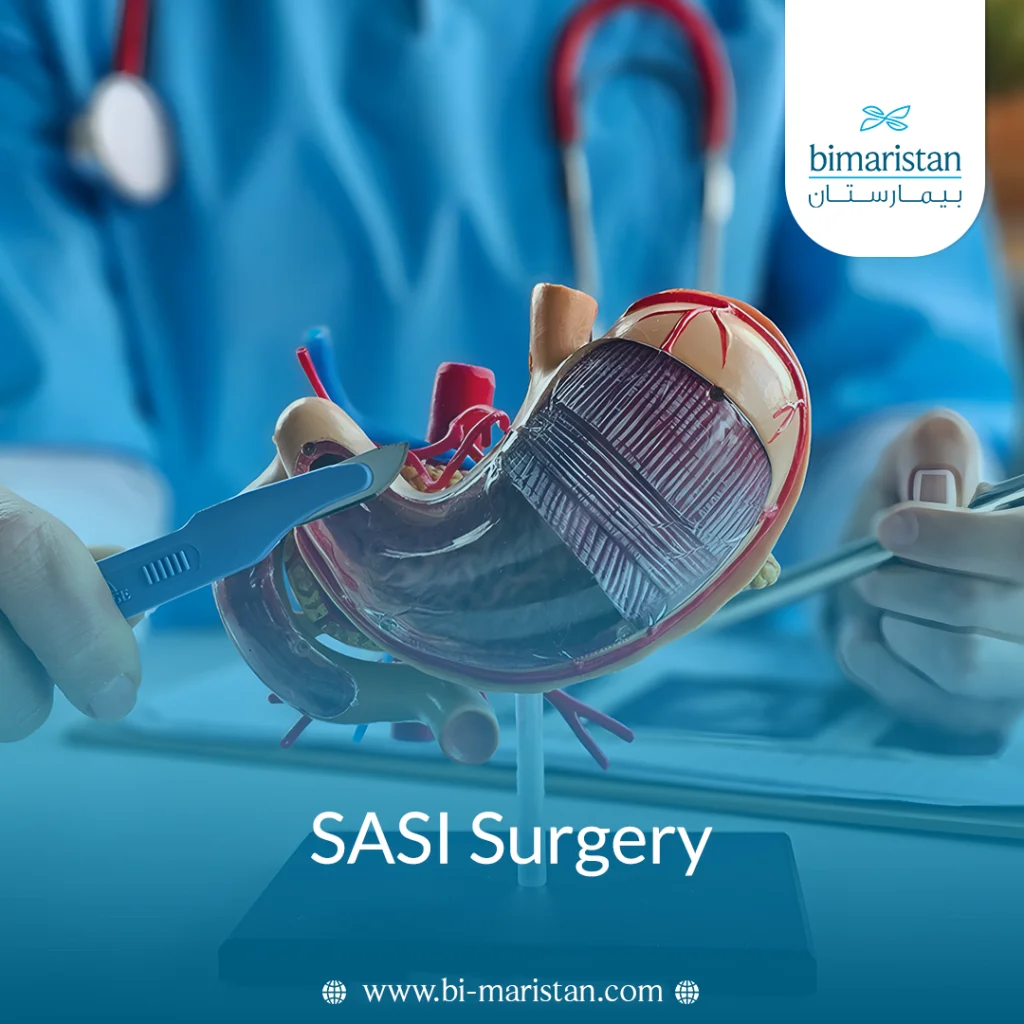
The SASI procedure is one of the latest developments in bariatric surgery, combining the principles of stomach reduction and reduced nutrient absorption in the intestines into a single procedure. This procedure is based on a dual approach aimed at reducing food intake on the one hand and reducing the absorption of calories and sugars on the other, leading to effective and sustained weight loss in patients with morbid obesity or related conditions, such as type 2 diabetes and high blood pressure.
With advances in laparoscopic techniques, this procedure is now performed using less invasive methods compared to traditional surgeries, which has helped reduce recovery time and potential complications.
This procedure is gaining increasing attention in many countries, particularly in Turkey, which has become a leading center for modern bariatric surgery, thanks to its high level of surgical expertise, advanced medical infrastructure, and the use of cutting-edge technologies in operating rooms. Today, Turkey is viewed as an important medical destination for patients seeking high-quality care at a lower cost compared to other countries, in addition to the availability of structured post-operative medical follow-up.
Furthermore, understanding how this procedure works helps patients make a more informed treatment decision, especially when traditional weight-loss methods such as diet and exercise have failed. Therefore, this article aims to provide a comprehensive and accurate overview of the SASI procedure in terms of suitable cases, the steps involved, the benefits, potential complications, comparisons with other procedures, and the advantages of undergoing the procedure in Turkey.
What is the SASI procedure?
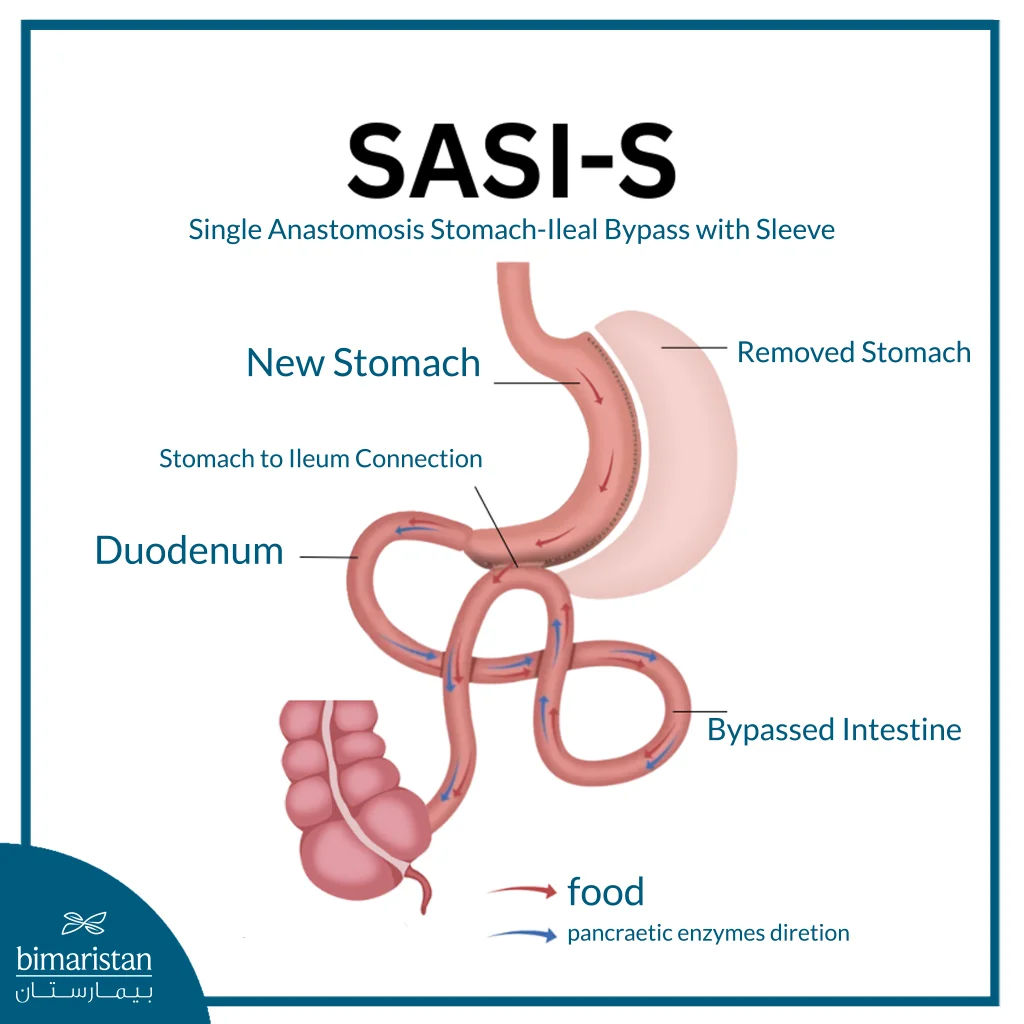
The SASI procedure is a modern bariatric surgery that combines gastric sleeve resection with a partial intestinal bypass in a single procedure. This procedure involves significantly reducing the size of the stomach, which limits the amount of food consumed, and rerouting part of the digestive tract to reduce the absorption of calories and sugars, resulting in significant weight loss over a relatively short period.
This procedure is used in particular for patients who are severely obese or have comorbidities such as type 2 diabetes, as it helps improve blood sugar control and reduce complications associated with excess weight. It is also performed laparoscopically through small incisions, resulting in a faster recovery compared to traditional surgeries and a shorter hospital stay.
Conditions in Which SASI Surgery Is Recommended
The SASI procedure is recommended in specific cases of obesity and related diseases when traditional methods of weight loss have failed. The most important of these cases include:
- Obesity (high BMI): This term refers to patients who are significantly overweight, to the extent that it threatens their overall health and affects bodily functions.
- Failure of Diet and Exercise: This procedure is performed when non-surgical methods have failed to produce sustained weight loss.
- Type 2 diabetes: In many cases, it helps improve blood sugar control and reduce the need for medication.
- Obesity-related high blood pressure: Weight loss and improved metabolism help lower blood pressure.
- Lipid and Cholesterol Disorders: Significantly reduces levels of harmful lipids in the blood following weight loss.
- For those who love sugar and sweets: This is suitable for people with a high-sugar diet, as the process reduces their impact.
- Gastric banding failure: This is used as a corrective option when the gastric banding procedure does not achieve the desired results.
- Obesity with multiple health complications: This category is selected when obesity is accompanied by more than one chronic disease that increases the overall risk.
How the SASI Procedure Is Performed
The SASI procedure is performed laparoscopically through a series of structured steps that combine stomach reduction and changes to the digestive tract to achieve effective weight loss. The steps involved are:
General Anesthesia
The procedure begins with administering full general anesthesia to the patient so that they remain in a deep sleep throughout the operation without feeling any pain. The anesthesiologist continuously monitors the patient’s blood pressure, heart rate, and oxygen levels throughout the procedure to ensure the highest level of safety, after the patient has been prepared based on a comprehensive evaluation of heart and lung function.
Insertion of the Surgical Endoscope
The surgeon makes several very small incisions in the abdominal wall—usually between 3 and 5—through which a high-resolution camera and long surgical instruments are inserted. The camera transmits a magnified, very clear image of the internal organs to a high-resolution screen, allowing the surgeon to perform precise maneuvers without a large surgical incision, thereby reducing pain and shortening recovery time.
Gastric Banding
In this step, the majority of the stomach—about 70–80%—is removed using special surgical stapling instruments, while reshaping the stomach into a narrow tube. The portion responsible for secreting the hunger hormone (ghrelin) is removed, leading to a significant reduction in appetite. The stomach’s size is also reduced, causing the patient to feel full quickly after eating very small amounts of food.
Creating the Intestinal Tract
After the sleeve gastrectomy, the lower part of the stomach is connected directly to an upper section of the small intestine, thereby bypassing part of the normal digestive tract. This change reduces the absorption of calories, sugars, and fats, thereby promoting weight loss and improving metabolic conditions such as diabetes.
Formation of Two Digestive Tracts
After the procedure is complete, there are two pathways for food within the digestive tract: the natural pathway, which allows part of the food to pass through and some vitamins and minerals to be absorbed, and the diverted pathway, which reduces absorption. This balance is designed to achieve effective weight loss while reducing the risk of malnutrition compared to some other procedures.
Closing Surgical Incisions
At the end of the procedure, the surgical instruments are removed, and the small incisions are closed using absorbable cosmetic sutures or special medical adhesives. This step helps minimize scarring, accelerate wound healing, and allow the patient to move around and gradually resume normal activities shortly after the procedure.
Follow-up and Tips After SASI Surgery
Follow-up care after SASI surgery is essential to ensuring the procedure’s success and achieving optimal weight loss and overall health, as it helps monitor the patient’s progress and detect problems early. Recommendations include:
- Regular Medical Follow-up: See your doctor regularly during the first few weeks and months to monitor your weight, check your wounds, and assess your overall progress.
- Dietary Compliance: Follow a gradual dietary plan that starts with liquids, then soft foods, and finally solid foods, while avoiding sugar and high-fat foods.
- Drink enough fluids: Aim for 2–3 liters of water daily to prevent dehydration and support your metabolism.
- Take vitamins as needed: Follow your doctor’s recommendations regarding dietary supplements to avoid any vitamin or mineral deficiencies.
- Gradually increase physical activity: Start with light walking after a short period, then gradually increase the intensity to promote weight loss and prevent sagging skin.
- Monitor your weight regularly: Track it weekly or as directed by your doctor to ensure you continue losing weight in a healthy way.
- Avoid unhealthy habits, such as smoking, carbonated drinks, and eating large or fast-food meals.
Features of the SASI procedure
The Sasi procedure is a modern surgical technique that combines gastric reduction with reduced food absorption to achieve effective results in treating obesity. Its benefits include:
- Significant and sustained weight loss: The procedure helps patients lose a significant amount of weight during the first few months, and the results are sustained as long as they maintain a healthy lifestyle.
- Improvement or remission of type 2 diabetes: This improves the body’s response to insulin and, in some cases, may lead to significant improvement in blood sugar control.
- Significant reduction in appetite: As a result of stomach reduction and lower levels of the hunger hormone, the patient feels full quickly, even after eating small amounts.
- Reduced Absorption of Sugars and Calories: Modifying the intestinal tract helps reduce the absorption of calories, especially from sugars and fats.
- Partial preservation of vitamin absorption: The presence of a natural digestive tract helps reduce the risk of vitamin deficiency compared to some bypass procedures.
- Improvement of obesity-related conditions: such as high blood pressure, lipid disorders, and joint pain caused by excess weight.
- Laparoscopic procedure: Performed through small incisions, which reduces post-operative pain and speeds up recovery.
- A Faster Return to Daily Life: Patients can resume normal activities more quickly than with open surgery.
Complications of the SASI Procedure
Although it is a relatively safe procedure, it carries some potential complications, as with any surgical procedure, including:
- Leak from the stapling line: A rare leak from the stomach or the anastomosis that requires immediate intervention.
- Bleeding: This may occur during or after the procedure and is usually controlled immediately.
- Infection: Inflammation in wounds or inside the abdomen; it is reduced through sterilization and antibiotics.
- Blood clots: These may form due to inactivity and can be prevented with blood thinners.
- Gastroesophageal reflux: Increased acidity or a burning sensation in some patients.
- Diarrhea or changes in digestion: These result from changes in the intestinal tract and are usually temporary.
- Vitamin deficiency: Less common than with other procedures, but it can occur in cases of malnutrition.
- Anesthesia-related complications: such as nausea or allergic reactions, which vary depending on the patient’s health condition.
A Comparison of the SASI Procedure with Other Procedures
A Comparison of the SASI procedure with the SADI-S procedure
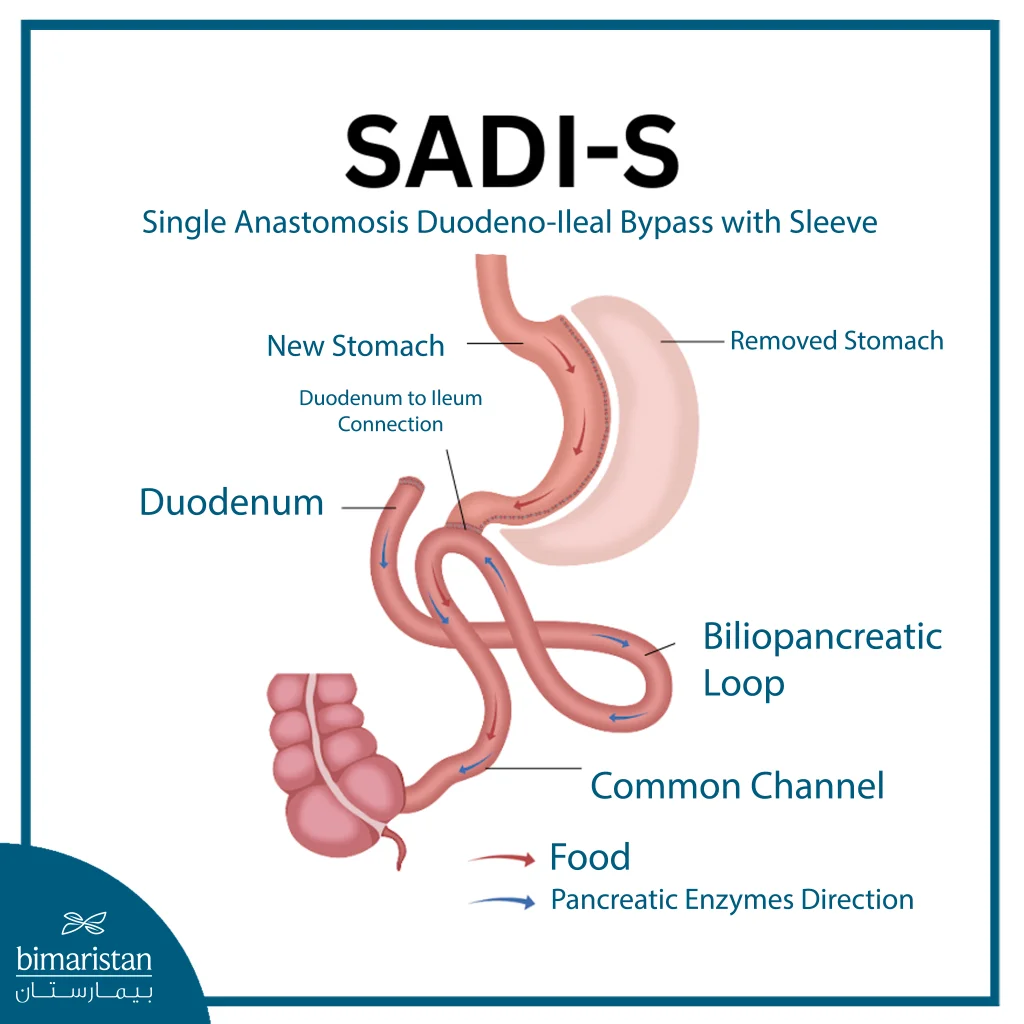
- The SASI Procedure: We rely on a balance between reducing stomach size and moderately reducing absorption, which results in effective weight loss while minimizing the risk of nutrient deficiencies.
- The SADI-S procedure: It relies on greater absorption reduction than the SASI procedure, resulting in greater weight loss but is associated with an increased risk of vitamin deficiencies and the need for careful nutritional monitoring.
A Comparison of the SASI Procedure with Gastric Banding
- The SASI procedure combines stomach reduction with reduced nutrient absorption, resulting in greater weight loss and improved diabetes management.
- Gastric banding: This procedure reduces stomach size without altering intestinal flow; therefore, it yields good results, though it is less effective than Roux-en-Y gastric bypass in some cases, particularly for people with a sweet tooth.
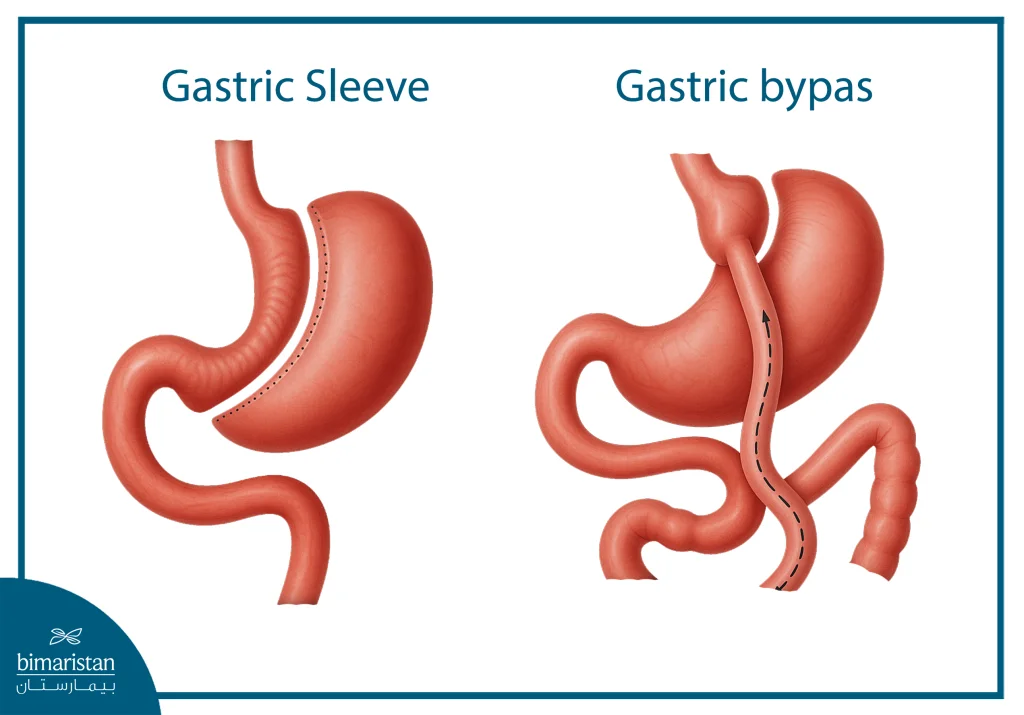
A Comparison of the SASI Procedure with Gastric Bypass Surgery
- SASI procedure: Partially preserves the natural digestive tract, thereby reducing the risk of vitamin deficiency compared to a bypass procedure.
- Gastric bypass: It has a greater impact on absorption and is therefore very effective for weight loss, but it is more closely associated with the need for long-term nutritional supplements.
The Cost of SASI Surgery in Turkey and Other Countries
Turkey is considered one of the most attractive destinations for patients seeking bariatric surgery, as it offers the SASI procedure (SASI) at a significantly lower cost than in many European and American countries, while maintaining high medical standards and the expertise of specialized surgeons. This makes it both an economical and medically sound choice. The approximate cost is:
| The State | Approximate cost |
|---|---|
| Turkey | $3,500–$6,000 |
| America | $15,000–$25,000 |
| Germany | $9,000–$15,000 |
| France | $8,500 – $14,500 |
| Gulf States | $9,500 – $17,500 |
Why is Turkey the best choice for SASI surgery?
Turkey is considered one of the world’s leading destinations for bariatric surgery because it combines high medical expertise, affordable costs, and modern techniques in performing the SASI procedure, making it the preferred choice for many patients from around the world. Its key advantages include:
- Highly Experienced Surgeons: Turkey is home to bariatric surgeons with extensive experience who perform numerous successful procedures each year.
- Lower costs compared to other countries: Turkey offers the same quality of procedures as those available in Europe and the United States, but at a significantly lower cost.
- Modern Medical Technologies: Turkish hospitals rely on the latest endoscopic equipment and advanced surgical techniques.
- Internationally Accredited Hospitals: Many medical centers in Turkey hold international accreditation, which guarantees the quality and safety of procedures.
- Efficiency in organizing the procedure and follow-up care: Easy appointment scheduling and organization of the medical trip, along with thorough post-operative follow-up.
- Excellent weight-loss results: The procedure in Turkey has a high success rate and leads to significant improvement in obesity-related conditions.
In conclusion, it can be said that the SASI procedure is one of the most advanced and effective bariatric surgery techniques, as it combines a reduction in stomach size with a reduction in calorie absorption in the intestines, which provides patients with significant weight loss and improvements in obesity-related conditions such as diabetes and high blood pressure. However, the success of this procedure depends primarily on appropriate patient selection, the surgeon’s expertise, and strict adherence to a healthy lifestyle after the procedure to ensure long-term maintenance of results.
This procedure has also become the preferred choice for many patients worldwide due to its balance of effectiveness and safety compared with some other, more complex procedures. Turkey stands out in particular as a leading destination in this field, combining medical advancement, highly skilled surgeons, and modern hospitals, along with affordable costs compared to Europe and the United States, making it a practical choice for patients seeking high-quality care at a lower cost.
Sources:
- Tarnowski, W., Barski, K., Jaworski, P., Binda, A., Kudlicka, E., Wąsowski, M., & Jankowski, P. (2022). Single anastomosis sleeve ileal bypass (SASI): A single-center initial report. Videosurgery and Other Minimally Invasive Techniques, 17(2), 365–371
- Zhou, Y., Wang, Y., Li, X., Chen, J., Liu, H., Zhang, W., & Huang, Z. (2024). Single anastomosis sleeve ileal bypass (SASI) surgery: A systematic review and meta-analysis