
The liver is one of the most important organs in the body, as it plays a vital role in filtering toxins from the blood, digesting fats, and storing essential nutrients. However, exposure to toxic substances may poison the liver, disrupting its functions and damaging its cells. Hepatotoxicity symptoms appear in the last stages of liver disease and range from mild to severe.
The incidence of toxic hepatitis is about 8 per 10,000 people worldwide, and hepatotoxicity symptoms are especially pronounced in women. In this article, we will highlight the most critical hepatotoxicity symptoms, its possible causes, and ways to deal with it to maintain the health of this vital organ.
What is liver toxicity?
When the body is exposed to substances that can harm the liver, the liver may develop toxic hepatitis, also known as hepatotoxicity, which is a swelling of the liver tissue as a result of contact with toxins that can cause permanent damage to the liver over time. Types of toxic hepatitis include
Acute toxic hepatitis
This type develops suddenly and abruptly, meaning the hepatotoxicity symptoms appear immediately or shortly after exposure to a toxic substance.
Chronic toxic hepatitis
This type takes longer to develop and may not show any hepatotoxicity symptoms for weeks or months after exposure to a toxic substance.
Liver toxicity can be categorized according to the cause that led to the accumulation of toxic substances:
Chemical-induced liver toxicity
The liver develops this type when it is exposed to chemicals through eating, inhaling, or touching them.
Pharmacologic liver toxicity
This type of liver injury is caused by taking too much of certain medications, such as acetaminophen and non-steroidal anti-inflammatory drugs (NSAIDs).
Alcohol-induced liver toxicity
This type is caused by prolonged alcohol use, especially if combined with drug use.
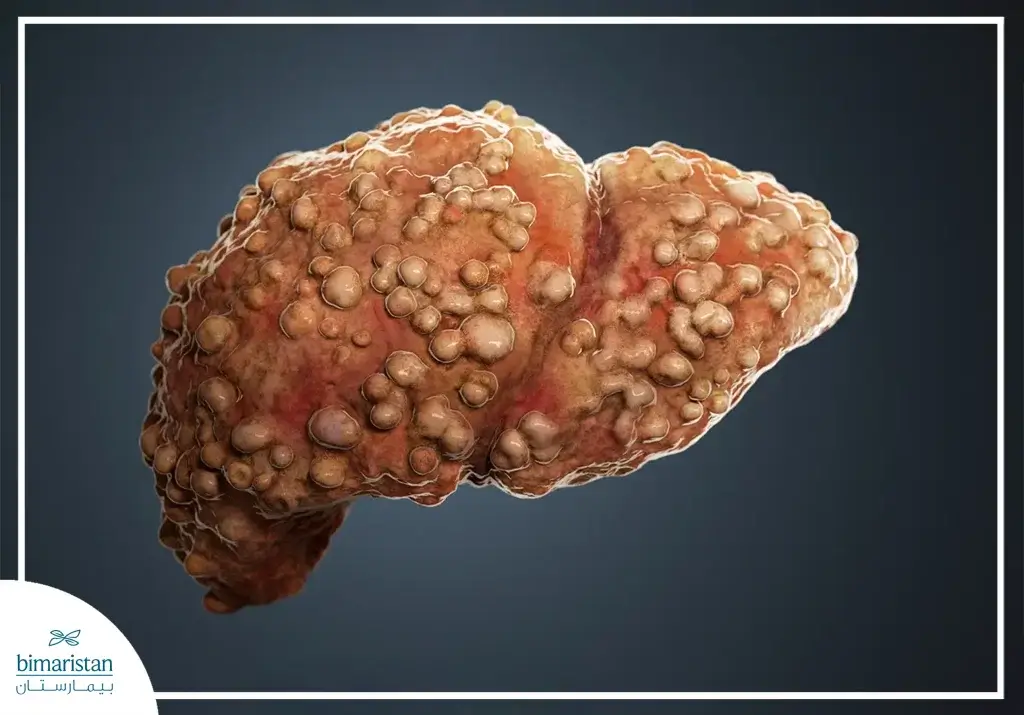
hepatotoxicity symptoms and signs
Mild forms of toxic hepatitis may not cause any symptoms and may only be detected through blood tests. When signs and symptoms of toxic hepatitis appear, they may include
- Yellowing of the skin and eyes (jaundice)
- Abdominal pain in the upper right abdomen
- Milky fluid in the abdomen
- fatigue and fever
- loss of appetite
- nausea and vomiting
- Itching
- Changes in urine, where the urine becomes darker in color
- Rash in the form of small purple dots
- weight loss
An ambulance should be called immediately when a toxic dose of medication is ingested, especially in children.
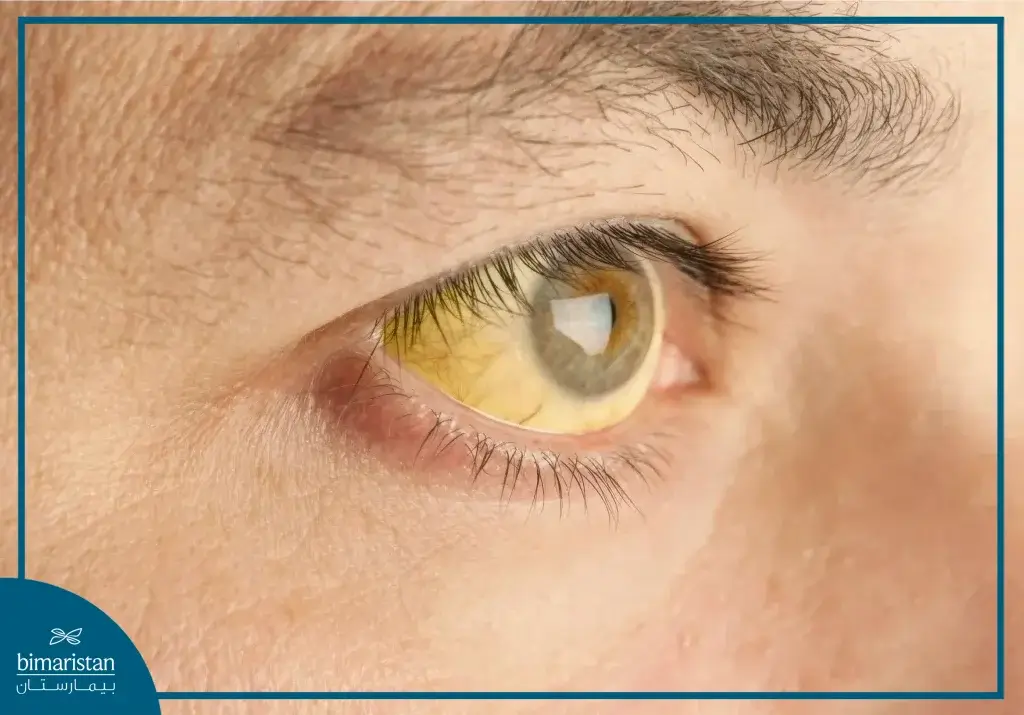
How to diagnose liver toxicity
Diagnosing liver toxicity is a crucial step in determining the type of toxicity and the extent to which it affects liver function, which helps in taking appropriate therapeutic measures. Some of the diagnostic methods include:
- Liver function tests
- Blood Alcohol Content (BAC) test
- Drug testing
- Blood and urine tests help determine the level of alcohol or drugs in the blood
- Imaging tests such as computed tomography (CT) or magnetic resonance imaging (MRI)
- Liver biopsy
Liver toxicity treatment
The treatment of liver toxicity mainly depends on the extent of the damage to the liver. After assessing the patient’s condition, the doctor may recommend several measures to minimize the effect of the poisoning and avoid worsening the issue. First, you should stop taking medications or supplements that may have caused the poisoning, stop drinking alcohol, and stay away from chemicals.
In many cases, hepatotoxicity symptoms can be minimized and treated, as the liver can regenerate its damaged cells over time, aiding recovery. However, in advanced cases, such as cirrhosis, a liver transplant may be required. The recovery time for liver toxicity varies depending on the severity of the damage. If the toxicity is mild to moderate, the liver can heal in a matter of weeks to months.
To prevent liver toxicity, it is essential to avoid exposure to harmful chemicals, avoid using drugs, limit alcohol consumption, follow the correct instructions when taking medications, and avoid overdosing. Sometimes, patients may need supportive treatment, such as intravenous fluids and medications, to relieve the hepatotoxicity symptoms. In the case of an overdose of drugs such as acetaminophen, special treatment may be used to minimize liver damage.
How to detoxify your liver naturally
Maintaining a healthy liver requires a healthy lifestyle that helps it flush out accumulated toxins. There are many natural ways you can support your liver’s function and enhance its ability to eliminate toxins more efficiently:
Drink water regularly
Water is the first key to detoxifying the liver, as it helps move waste and expel it from the body. However, not just any water will do. It is best to drink room-temperature filtered water at regular intervals. It is recommended to drink water upon waking up and between meals and avoid drinking large quantities just before bedtime. Adding a little natural salt or turmeric to water may enhance its detoxifying effect.
sweating
Exercise-induced sweating is an effective way to flush toxins from the body. That’s why it’s essential to stick to a regular exercise routine, whether it’s brisk walking, yoga, aerobics, or even sauna sessions that help cleanse the body and boost liver function.
Avoiding harmful foods
Eating processed foods loaded with refined oils and sugars strains the liver and limits its ability to function properly. For this reason, replacing these foods with healthier options such as fresh fruits and vegetables and whole grains can help boost liver health and support liver detoxification.
Fresh vegetable soups
For those who find it challenging to eat raw vegetables daily, you can prepare various vegetable soups that contain ingredients such as carrots, spinach, beets, and cucumbers. These juices are easy to digest, help reduce the level of acids in the body, and achieve a healthy balance that boosts liver function.
Eat foods rich in potassium
Potassium is essential for liver health as it helps reduce stress on the liver and improves blood circulation. Foods rich in potassium include sweet potatoes, spinach, tomatoes, bananas, and beans, which are recommended to be added to the diet regularly to support liver health.
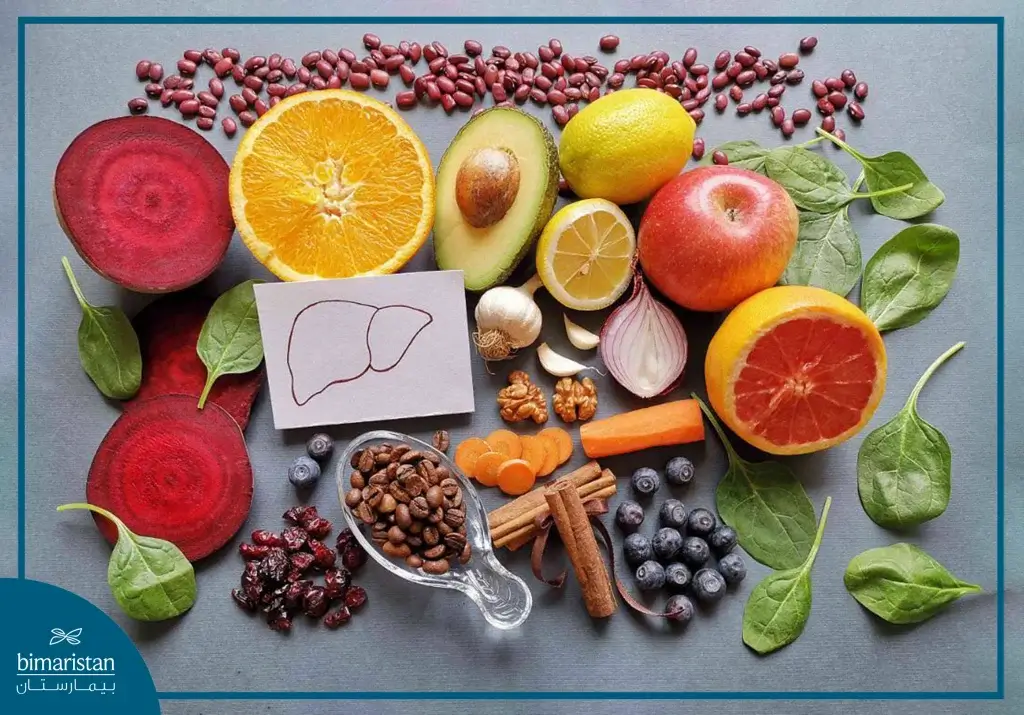
Natural supplements for liver support
In addition to healthy habits, natural supplements such as beetroot and turmeric can promote liver cleansing. Some pharmaceutical supplements also help support liver health, but it is best to consult a doctor before taking them to ensure they are used correctly.
Following these natural steps on a regular basis will help keep your liver healthy and optimize its performance, which will positively affect your overall health.
Prevention is always the best option. This means avoiding exposure to toxins, eating a healthy diet, and maintaining a balanced lifestyle that supports normal liver function.
Sources: