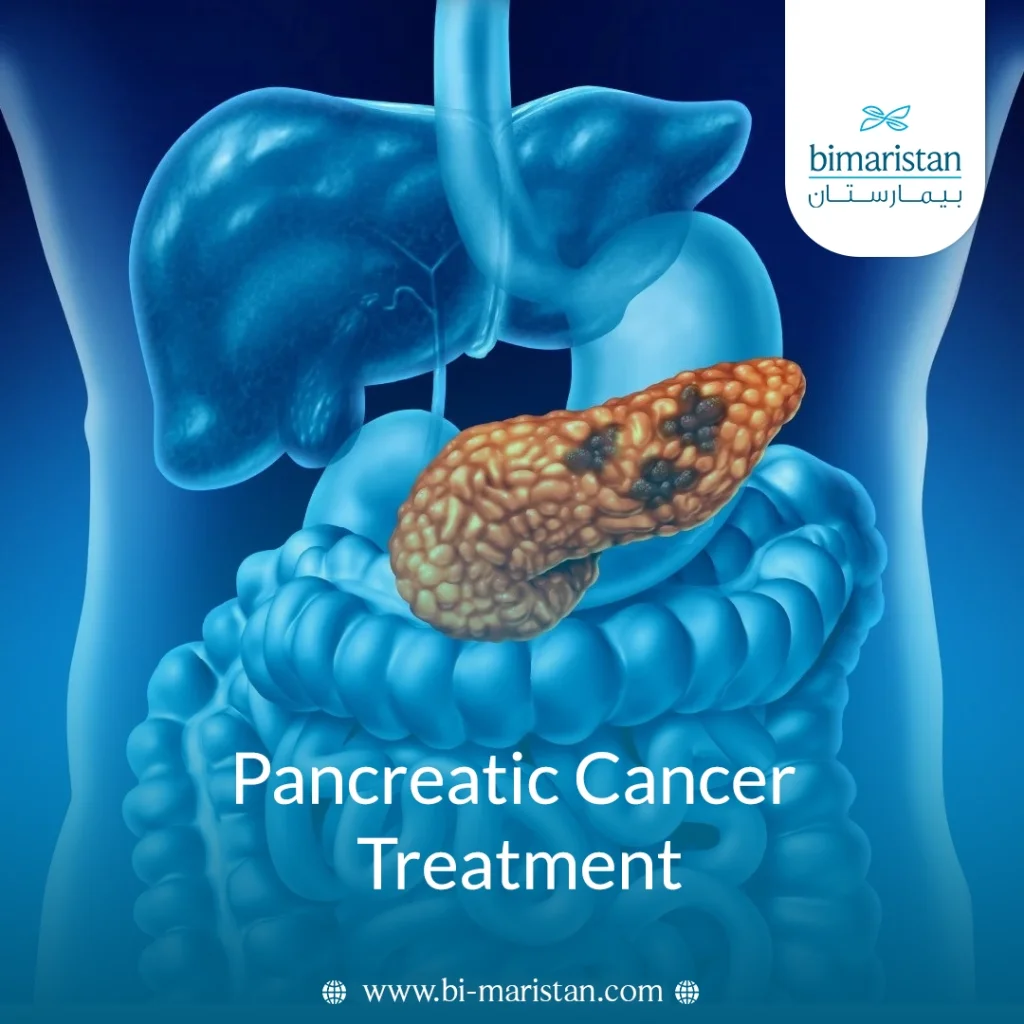
Pancreatic cancer is one of the most complex malignant tumors in terms of diagnosis and treatment, as it often develops silently in its early stages without obvious symptoms, leading to its detection at advanced stages in a large proportion of patients. Its severity is reflected in its direct association with rapid spread and its resistance to certain conventional treatments.
The management of pancreatic cancer depends on a careful assessment of the tumor’s stage, its location within the pancreas, and the patient’s overall health, with the goal of developing a treatment plan that includes a range of options, such as surgery, chemotherapy, radiation therapy, and modern treatments.
What is pancreatic cancer?
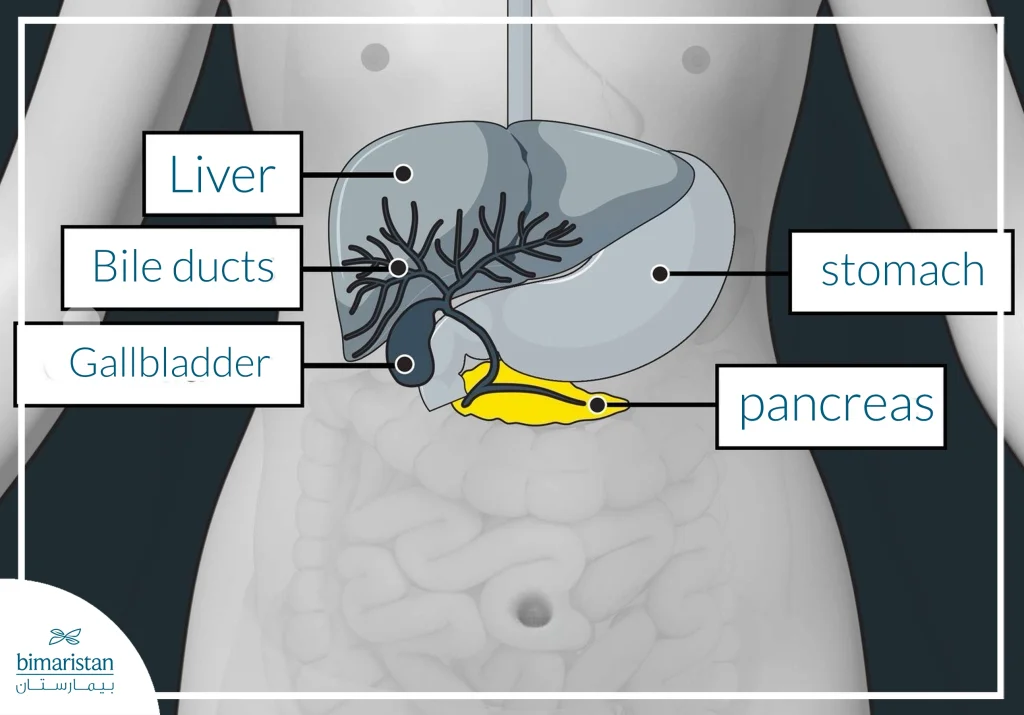
Pancreatic cancer is an abnormal, malignant growth that originates from cells of the pancreas, an organ located in the upper abdomen behind the stomach. The pancreas plays a vital role in digestion by secreting enzymes that help break down food, as well as producing important hormones such as insulin to regulate blood sugar levels. This type of cancer often begins in the cells lining the pancreatic ducts and is most commonly known as pancreatic ductal adenocarcinoma. A characteristic of this disease is that it may not cause obvious symptoms in its early stages, leading to delayed diagnosis, while its severity varies greatly depending on the tumor’s size, location, and extent of spread to neighboring tissues or organs.
Symptoms of Pancreatic Cancer
The symptoms of pancreatic cancer are vague in the early stages and often appear gradually and nonspecific, leading to delayed diagnosis in many patients. As the disease progresses and affects the digestive system or bile ducts, a range of clinical signs may appear to varying degrees. Symptoms include:
- Yellowing of the skin and whites of the eyes (jaundice), which may be accompanied by itching and changes in the color of urine and stool
- Unexplained weight loss accompanied by a marked loss of appetite
- A general feeling of fatigue and low energy levels
- Pain in the upper abdomen that radiates to the back or sides
- Gastrointestinal disturbances such as nausea or vomiting
- Changes in bowel movements, such as diarrhea or constipation
- Indigestion, bloating, and discomfort after eating
- In some cases: newly diagnosed diabetes or difficulty controlling it
- Occasionally: blood clots or unexplained general symptoms
Causes and Risk Factors for Pancreatic Cancer
Pancreatic cancer is a disease for which no direct or clear cause can be identified in most cases; however, medical studies indicate that there are a number of factors that may increase the likelihood of developing it. The danger of this disease lies in the fact that it develops from genetic changes in pancreatic cells that lead to abnormal, uncontrolled cell growth, causing a tumor to form and spread over time.
Risk Factors for Pancreatic Cancer
- Advancing age, with the risk increasing after age 65
- Smoking, which is one of the most significant factors associated with an increase in the incidence of
- Having type 2 diabetes or difficulty controlling it
- Chronic Pancreatitis
- Obesity and Excess Weight
- A family history of pancreatic cancer
- Excessive alcohol consumption over long periods of time
- The presence of genetic disorders associated with an increased risk of cancer, such as BRCA2 and Lynch syndrome
Diagnosis of Pancreatic Cancer and Tests
Diagnosing pancreatic cancer in its early stages is difficult because symptoms often do not appear until the disease has progressed, and the tumor cannot be felt during a routine physical examination due to the pancreas’s deep location within the abdomen. Therefore, doctors rely on a comprehensive set of tests to confirm the diagnosis and determine the extent of the disease. The tests used include:
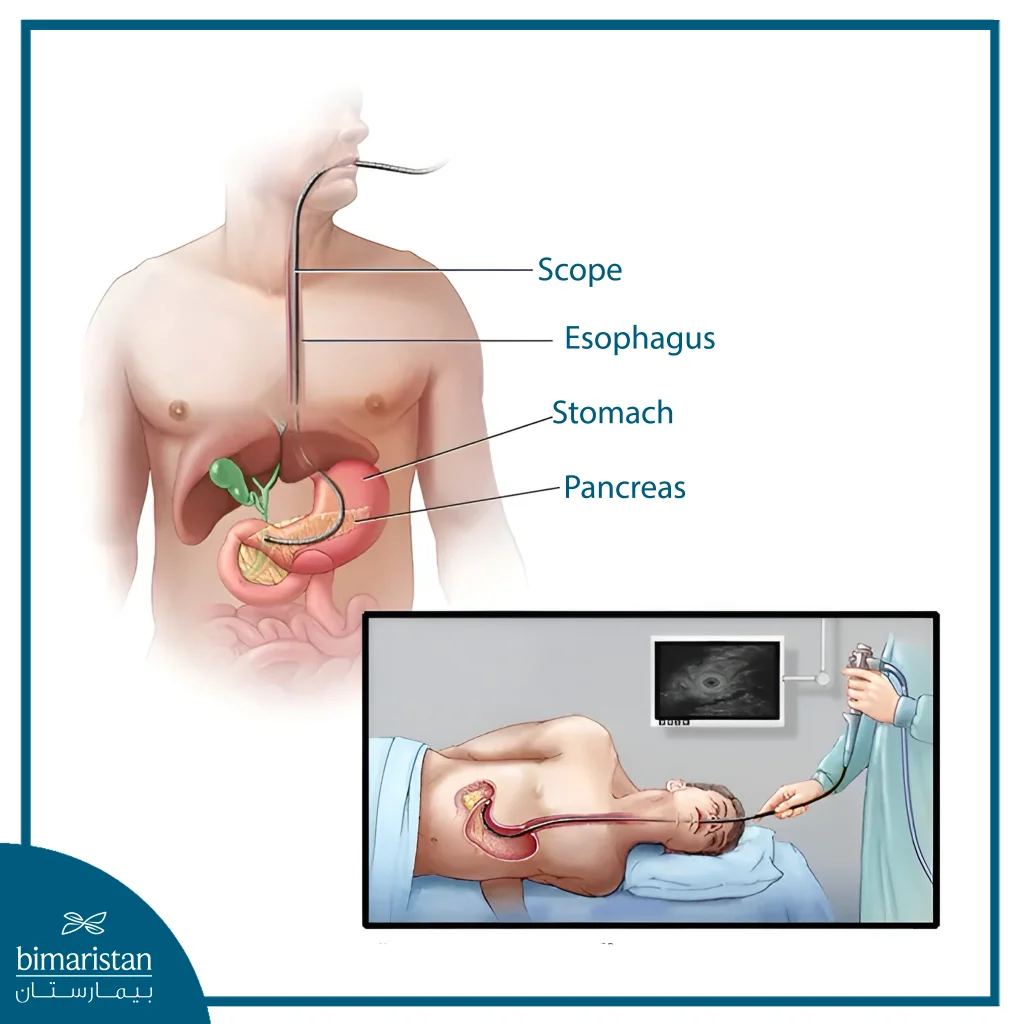
- Medical imaging, such as computed tomography (CT)—the most commonly used method for detecting tumors—as well as magnetic resonance imaging (MRI), positron emission tomography (PET), and endoscopic ultrasound (EUS).
- Blood tests: To detect tumor markers such as CA 19-9, which may be elevated in cases of pancreatic cancer; however, it should be noted that these tests are not accurate in all cases.
- Biopsy: The removal of a sample of tumor tissue using a fine needle or during an ultrasound-guided procedure to examine the cells and confirm the presence of cancer.
- Genetic testing: Detects genetic mutations in cancer cells, helping select the most appropriate treatment and assess treatment response.
Treatment of Pancreatic Cancer
Treatment for pancreatic cancer depends on the stage of the disease, the location of the tumor, and the extent of its spread, as well as the patient’s overall health. The treatment plan aims either to completely remove the tumor or to control it and improve the patient’s quality of life in advanced cases.
Pancreatic Cancer Surgery
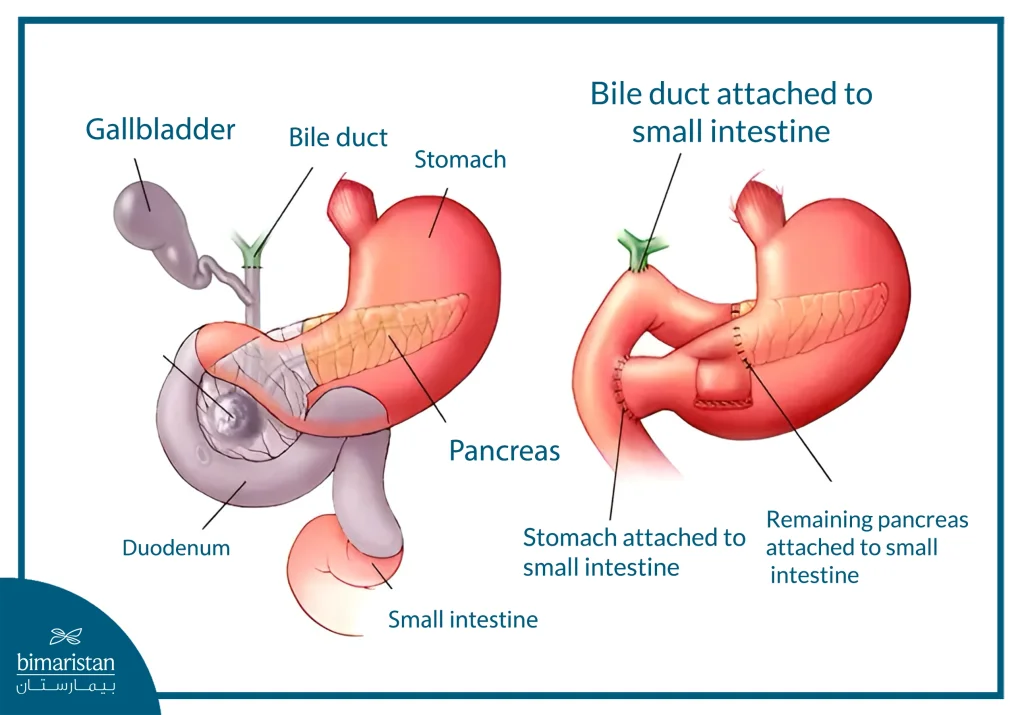
Surgery is the only option that may lead to a cure in some cases of pancreatic cancer, but it is used only when the tumor is confined to the pancreas and can be completely removed without spreading. Types of surgery include:
- Whipple procedure to remove the head of the pancreas and parts of the intestines and bile ducts
- Resection of the distal portion of the pancreas, which may be accompanied by splenectomy
- Total pancreatectomy in locally advanced cases
After a pancreatectomy, the patient requires replacement therapy for insulin and digestive enzymes, due to the loss of these vital functions.
Chemotherapy
Chemotherapy is one of the most commonly used treatments for pancreatic cancer; it works to kill cancer cells throughout the body using medications administered intravenously or orally. It can be used:
- Before surgery to reduce the size of the tumor
- After surgery to remove any remaining cells
- As a primary treatment for advanced or inoperable cases
Radiation Therapy
Radiation therapy involves the use of high-energy radiation to target and destroy cancer cells. It is often used in conjunction with chemotherapy and may be administered:
- Before surgery to reduce the size of the tumor
- After surgery to prevent the cancer from returning
- Or as palliative care to relieve symptoms in advanced stages
Targeted Therapy
This type of treatment focuses on targeting specific proteins or genetic mutations within cancer cells, thereby halting their growth and spread. It is used only when targetable genetic changes are present and is often combined with other treatments to enhance effectiveness.
Immunotherapy
Immunotherapy helps the immune system recognize and attack cancer cells. It is used in specific cases of pancreatic cancer that contain genetic mutations that make the tumor more responsive to this type of treatment, and it is often part of advanced or experimental treatment plans.
Clinical Trials
Clinical trials give patients the opportunity to access new treatments currently under investigation, which may be more advanced than traditional treatments. However, they may carry some unknown risks, so patients are carefully selected and monitored by medical specialists.
Palliative Care
Palliative care focuses on improving the patient’s quality of life and alleviating pain and symptoms associated with the disease, such as nausea, loss of appetite, and other symptoms. It can be provided alongside primary treatments such as surgery, chemotherapy, or radiation therapy, and is an important part of the treatment plan in the advanced stages of the disease.
Complications of Pancreatic Cancer
As pancreatic cancer progresses and the tumor grows or spreads, it can lead to a range of complications that directly affect digestive function and the patient’s quality of life. These complications are often the result of the tumor pressing on the bile ducts, nearby organs, or nerves. Complications include:
- Weight loss: This is caused by the tumor’s increased consumption of the body’s energy, in addition to nausea, vomiting, and difficulty eating, or reduced secretion of digestive enzymes by the pancreas, which decreases nutrient absorption.
- Jaundice: Caused by a blockage of the bile duct, it manifests as yellowing of the skin and the whites of the eyes, along with dark urine and pale stools; it may occur without abdominal pain.
- Pain: The tumor may press on nerves in the abdominal area, causing pain that can become severe. This pain can be relieved with pain relievers, radiation therapy, or chemotherapy. In some cases, more advanced procedures, such as a celiac plexus block, may be used.
- Intestinal obstruction: The tumor may compress the duodenum, obstructing food passage and leading to vomiting, bloating, and difficulty eating.
Adjuvant therapeutic measures for complications
- Placement of a stent in the bile duct or intestine using an ERCP (endoscopic retrograde cholangiopancreatography) procedure to keep the ducts open
- Use of feeding tubes or a surgical procedure to bypass the site of the blockage in advanced cases
- Palliative care to relieve pain and improve quality of life in advanced stages
Prevention of Pancreatic Cancer
There is no sure way to completely prevent pancreatic cancer, but the risk can be reduced through early detection in high-risk groups, along with adopting healthy lifestyle changes and undergoing regular screenings when necessary.
Early Detection for High-Risk Groups
There is no sure way to prevent pancreatic cancer, but regular screenings are recommended for people at high risk, such as those with a strong family history or genetic mutations linked to the disease. These screenings include magnetic resonance imaging (MRI) or endoscopic ultrasound (EUS) and are often repeated annually to detect the disease at an early stage.
Genetic Testing
Genetic testing helps identify genetic mutations that may increase the risk of pancreatic cancer. They are particularly recommended for people with a family history of the disease, as the results can help assess risk and guide medical decisions more accurately; however, this may require consultation with a medical geneticist.
Quitting Smoking
Smoking is one of the most significant risk factors associated with pancreatic cancer, so quitting smoking greatly reduces the likelihood of developing the disease. Various methods, such as medical support, medication, or smoking cessation programs, can be used to increase the chances of success.
Maintaining a Healthy Weight
Maintaining a healthy weight helps reduce the risk of pancreatic cancer, as obesity is associated with an increased likelihood of developing the disease. It is recommended to follow a balanced diet and engage in regular physical activity, focusing on gradual weight loss at a healthy, safe rate when necessary.
The Cost of Pancreatic Cancer Treatment in Turkey
The following table shows the approximate cost of pancreatic cancer treatments in Turkey, broken down by type of treatment:
| Treatment Method | Approximate cost in Turkey |
|---|---|
| Surgery (Wipple procedure) | $12,000–$25,000 |
| Removal of a portion of the pancreas (distal pancreatectomy) | $8,000 – $18,000 |
| Total Pancreatectomy | $15,000–$30,000 |
| Chemotherapy (single cycle) | $1,000–$3,000 |
| Comprehensive Chemotherapy Program | $5,000–$15,000 |
| Radiation Therapy | $4,000–$10,000 |
| Targeted Therapy | $2,000–$6,000 per month |
| Immunotherapy | $3,000–$8,000 per dose |
| Palliative Care | $1,000–$4,000 per month |
In conclusion, pancreatic cancer is a complex cancer that is often diagnosed at advanced stages, making its treatment a challenge that requires multifaceted treatment plans involving surgery, chemotherapy, and radiation therapy. Nevertheless, ongoing medical advances have helped improve the chances of controlling the disease. Early diagnosis and regular medical follow-up remain among the most important factors influencing treatment outcomes and quality of life.
Sources: