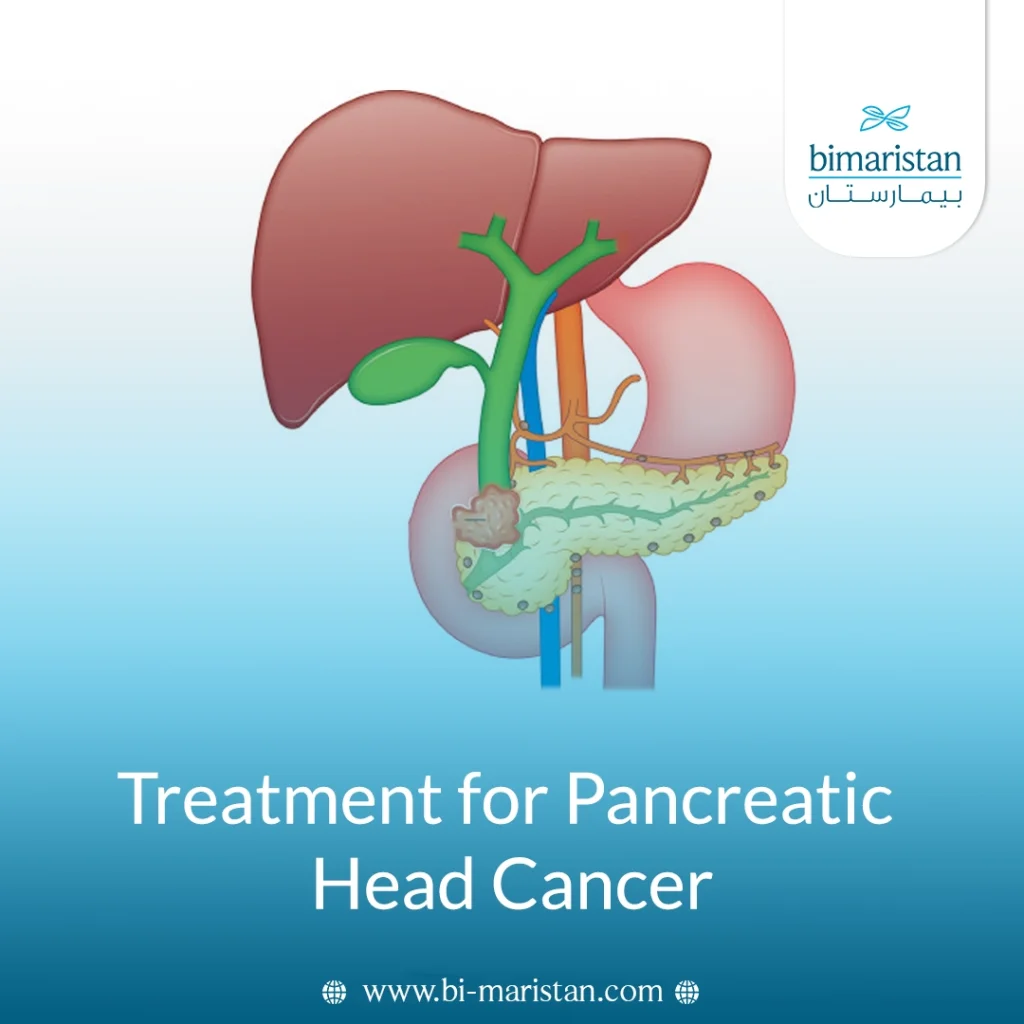
Cancer of the head of the pancreas is one of the types of pancreatic tumors most likely to present with relatively early symptoms compared to cancers in other parts of the pancreas, due to its proximity to the bile duct and the duodenum. This type of cancer often leads to a blockage in the bile ducts, causing jaundice and noticeable changes in the color of urine and stool.
Despite advances in diagnostic methods, early detection remains a medical challenge. Therefore, the treatment for pancreatic head cancer relies on a careful assessment of the tumor stage and extent of spread, using a variety of options that include surgery, chemotherapy, and radiation therapy.
What is pancreatic head cancer?
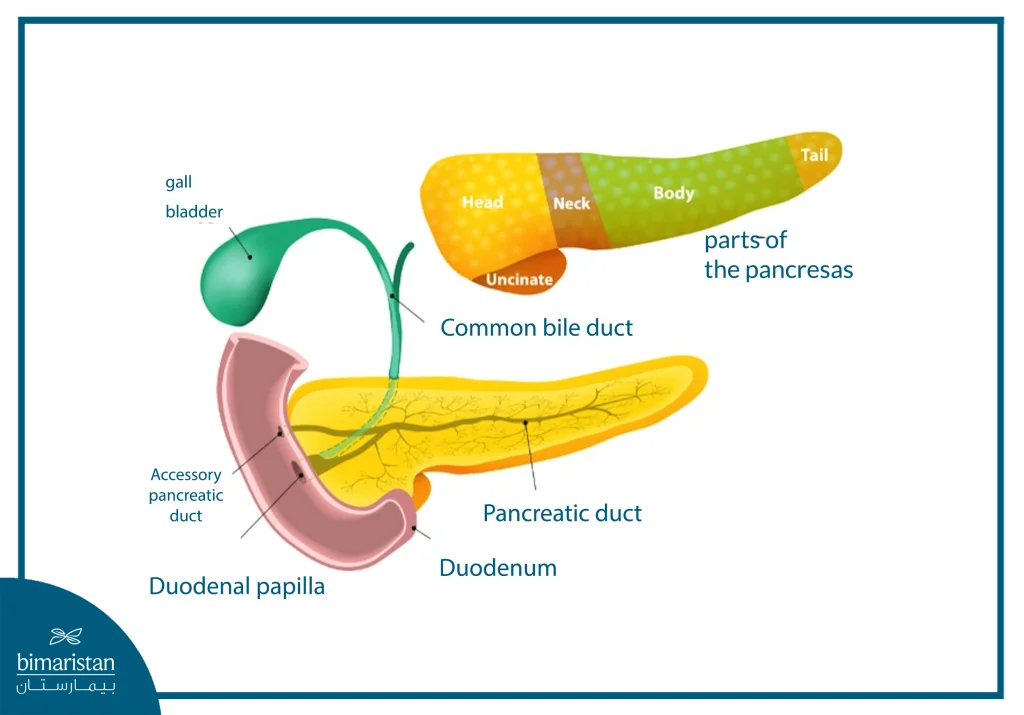
Pancreatic head cancer is a type of malignant tumor that originates in the right side of the pancreas, known as the “head,” which is the part closest to the bile duct and the duodenum. This location is vitally important because it is responsible for the passage of bile from the liver to the intestines; therefore, any tumor in this area can block the bile ducts and lead to early symptoms such as jaundice and changes in the color of urine and stool. Cancer often begins as an abnormal growth in the cells of the pancreatic ducts and may gradually spread to affect nearby tissues and organs if it is not detected and treated in a timely manner.
Causes and Risk Factors for Pancreatic Head Cancer
The exact cause of pancreatic head cancer remains unclear in most cases, but there are a number of factors that increase the likelihood of developing it. The disease results from genetic changes in pancreatic cells that lead to abnormal, uncontrolled growth. Risk factors include:
- Smoking, which is one of the most significant factors associated with an increase in the incidence of
- Aging, especially after the age of 60–65
- Chronic Pancreatitis
- Type 2 Diabetes
- Obesity and Excess Weight
- A family history of pancreatic cancer
- Genetic disorders such as BRCA and Lynch syndrome
Lifestyle Factors
- Eating large amounts of processed and red meat
- Physical Inactivity
- An Unbalanced Diet
Symptoms of Pancreatic Head Cancer
Symptoms of pancreatic head cancer often appear at an earlier stage than those of tumors affecting other parts of the pancreas, due to the pancreatic head’s proximity to the bile duct, where the tumor can cause a blockage as it grows. Symptoms usually develop gradually as a result of the tumor’s effect on bile flow or its pressure on neighboring organs, and may include:
- Yellowing of the skin and whites of the eyes (jaundice): This occurs as a result of a blockage in the bile duct caused by tumor growth.
- Changes in the color of urine and stool: Urine becomes darker, while stool tends to be lighter in color due to impaired bile flow.
- Upper abdominal pain: The pain may radiate to the back as a result of the tumor’s effect on the surrounding tissues.
- Unexplained weight loss: Due to cancer’s effect on metabolism and appetite.
- Loss of appetite: This may lead to reduced food intake and weight loss.
- Skin itching: This is often caused by a buildup of bile components in the blood due to an obstruction.
- Digestive disturbances: such as nausea, indigestion, or a feeling of fullness after eating.
The severity of symptoms may vary among patients depending on the size of the tumor and the extent of its involvement of the bile ducts and surrounding tissues; therefore, the onset of persistent symptoms such as jaundice or unexplained weight loss warrants a specialized medical evaluation.
How is pancreatic head cancer diagnosed?
Diagnosing pancreatic head cancer is an essential step in determining the size and extent of the tumor and developing an appropriate treatment plan. Doctors rely on a comprehensive set of tests that combine imaging, laboratory tests, and interventional procedures. Diagnostic methods include:
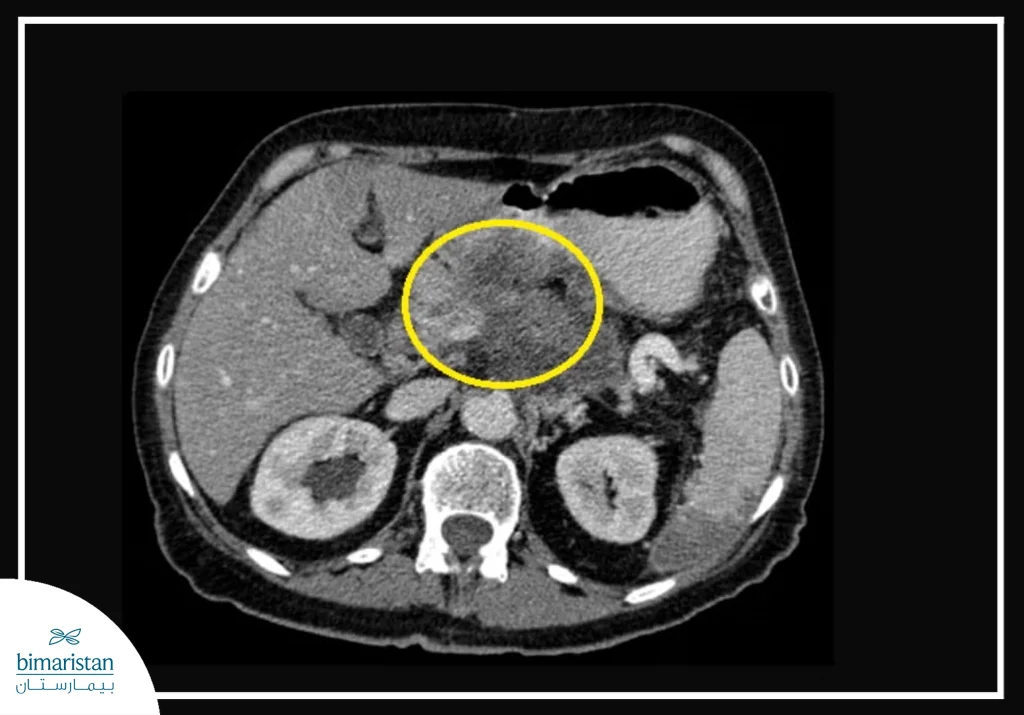
- Computed Tomography (CT) to determine the size and location of the tumor
- Magnetic Resonance Imaging (MRI) for Accurate Evaluation of the Bile Ducts and Pancreas
- Endoscopic ultrasound (EUS) to obtain detailed images and take a biopsy when necessary
- Analysis of Tumor Markers Such as CA 19-9
- Taking a biopsy to confirm the presence of cancer cells
Treatment of Pancreatic Head Cancer
Treatment for pancreatic head cancer depends on several treatment options that are selected based on the stage of the disease, the extent to which the tumor has invaded the bile ducts and blood vessels, and the patient’s overall health. Treatment includes a range of surgical, drug-based, and radiation therapies that are used alone or in combination to achieve the best possible outcome.
Surgery for Pancreatic Head Cancer
Surgery is the primary treatment option in resectable cases, and its goal is to completely remove the tumor. Types of surgery include:
- Endoscopic surgery: It is often used to take biopsies or assess tumor spread, and sometimes to relieve certain symptoms at advanced centers.
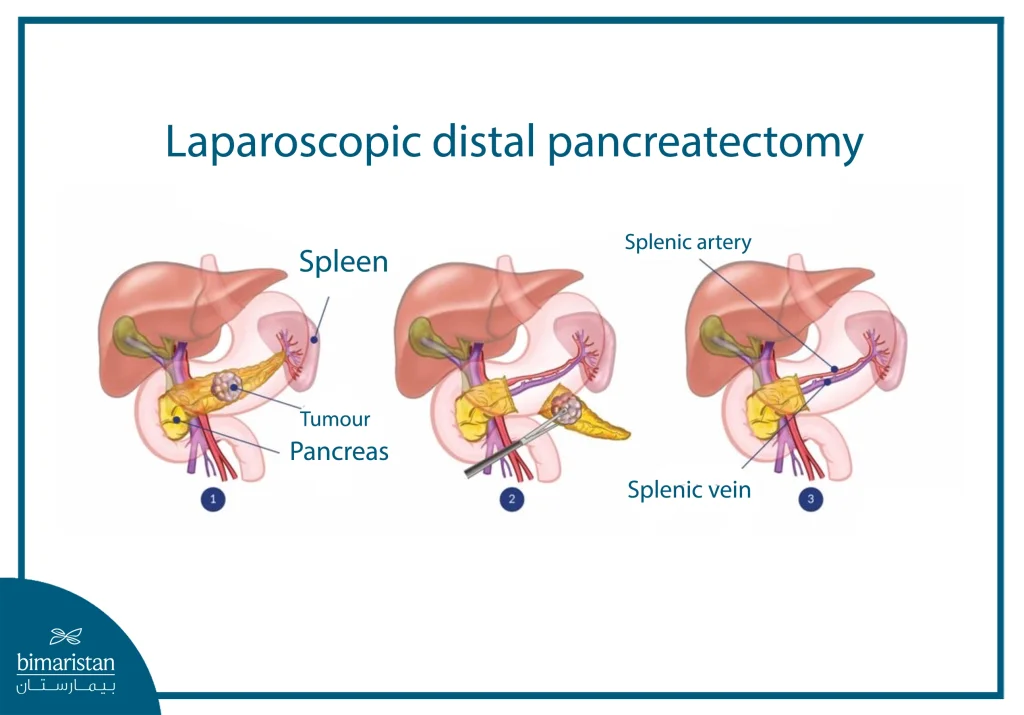
- Whipple Procedure: This is the most common procedure for pancreatic head cancer, in which the head of the pancreas, the duodenum, the bile duct, and part of the stomach are removed, followed by reconstruction of the digestive tract.
- Total pancreatectomy: This procedure involves removing the entire pancreas, along with parts of the stomach, intestines, and spleen, and is used in advanced cases or when the cancer has spread within the pancreas.
- Palliative surgery: This is not intended to cure the condition but rather to relieve symptoms such as blockages in the bile ducts or the duodenum, and includes the placement of stents or gastrointestinal bypass procedures.
When is a Whipple procedure performed, and why is it considered essential for pancreatic head cancer?
A Whipple procedure is performed when pancreatic head cancer is confined to that area, with no distant spread to the liver or lungs and no extensive invasion of major blood vessels; this is the only stage at which the tumor can be completely resected with the goal of a cure. The decision to proceed with surgery is based on a careful evaluation using computed tomography (CT), magnetic resonance imaging (MRI), and sometimes endoscopic ultrasound to determine whether the tumor is resectable.
This procedure is considered essential in pancreatic head cancer because the tumor is located very close to the bile duct and the duodenum, which often leads to early obstruction and the appearance of obvious symptoms such as jaundice, which provides an opportunity to detect the disease before it reaches advanced stages, compared to cancer in other parts of the pancreas. The procedure involves removing the head of the pancreas along with parts of the stomach, the duodenum, and the bile duct, followed by reconstruction of the digestive tract to restore normal function.
Although it is a complex procedure, it remains the only treatment option that may lead to a complete cure in early-stage cases, and it is often supplemented with chemotherapy before or after surgery to improve outcomes and reduce the likelihood of tumor recurrence.
Chemotherapy
Chemotherapy is one of the most important treatments for pancreatic head cancer; it works to kill cancer cells or slow their growth throughout the body. It can be used in several situations:
- Before surgery, to reduce the size of the tumor and make it resectable
- After surgery to remove any remaining cancer cells
- As a primary treatment for advanced, inoperable cases
It is usually administered in the form of treatment courses via intravenous infusion or tablets.
Radiation Therapy
Radiation therapy uses high-energy beams that precisely target cancer cells to destroy them or stop their growth. For pancreatic head cancer, the following are often used:
- With chemotherapy to enhance the effect (chemoradiation)
- Before surgery to reduce the size of the tumor
- After surgery, to reduce the risk of cancer recurrence
- Or to relieve symptoms such as pain in advanced cases
Targeted Therapy
This treatment works by targeting specific genetic mutations or proteins within cancer cells that help them grow. It is more precise than chemotherapy because it directly attacks cancer cells while minimizing damage to healthy cells, and it is used only after genetic testing of the tumor to determine the treatment’s suitability.
Immunotherapy
Immunotherapy works by stimulating the immune system to attack and recognize cancer cells. However, its use in pancreatic cancer is limited and is applied only in specific cases involving certain genetic mutations that make the tumor more responsive to this type of treatment. It is considered one of the newer treatments still under development in this field.
Palliative Care
Palliative care focuses on improving the patient’s quality of life rather than treating the tumor itself. It is used to relieve symptoms such as:
- Pain caused by tumor compression
- Jaundice caused by a blockage of the bile ducts
- Digestive Problems and Weight Loss
Supportive measures such as stents can also be used via ERCP to relieve bile duct obstruction and improve the patient’s overall condition.
Prevention of Pancreatic Head Cancer
There is no sure way to prevent pancreatic head cancer, but you can reduce your risk by managing risk factors and getting screened when necessary.
- Quitting Smoking
- Maintaining a Healthy Weight
- Eating a balanced diet
- Physical Activity
- Medical Follow-Up When There Is a Family History of the Disease
The Cost of Pancreatic Head Cancer Treatment in Turkey
The cost of treating pancreatic head cancer varies significantly across countries due to differences in healthcare systems, hospital standards, and the technologies used, as well as the disease stage and the required treatment (surgery, chemotherapy, radiation, or modern therapies). Surgery is among the most expensive options, particularly the Whipple procedure, while the cost of drug therapies varies depending on the number of treatment cycles and the patient’s response to treatment.
Comparison Table of the Cost of Pancreatic Head Cancer Treatment in Turkey and Other Countries
| Type of Treatment | Turkey | Europe (Germany/France) | United Kingdom | The United States |
|---|---|---|---|---|
| Whipple Procedure | 12,000 – 25,000 | 25,000 – 45,000 | 30,000–50,000 | 50,000 – 120,000 |
| Total Pancreatectomy | 15,000–30,000 | 30,000 – 55,000 | 35,000–60,000 | 60,000 – 130,000 |
| Chemotherapy (cycle) | 1,000–3,000 | 2,000–5,000 | 3,000–6,000 | 4,000–10,000 |
| Radiation Therapy | 4,000–10,000 | 8,000 – 18,000 | 10,000–20,000 | 15,000–40,000 |
| Targeted Therapy (Monthly) | 2,000–6,000 | 4,000–10,000 | 5,000 – 12,000 | 8,000 – 15,000 |
| Immunotherapy (dose) | 3,000–8,000 | 6,000–12,000 | 7,000 – 15,000 | 10,000–20,000 |
Why is the Bimaristan Center a good choice for treating pancreatic head cancer?
- The Bimaristan Center has a medical team specializing in pancreatic and gastrointestinal oncology surgery
- It relies on the latest diagnostic technologies, such as CT, MRI, and EUS, to accurately determine the stage of the disease
- It offers comprehensive treatment plans that include surgery (such as the Whipple procedure), chemotherapy, and radiation therapy
- It implements modern treatment protocols based on evidence-based medicine
- It provides close medical monitoring before, during, and after treatment to ensure the best possible results
- It provides comprehensive services for international patients, including medical coordination, translation, and logistical support
- It combines high medical quality with competitive treatment costs compared to European and American centers
In conclusion, pancreatic head cancer is a disease that requires early diagnosis and a carefully tailored treatment plan that includes surgery and supportive therapies, depending on the patient’s condition. With advances in medical technology and the availability of specialized centers, the chances of successful treatment and improved quality of life have increased when intervention occurs in a timely manner.
Sources: