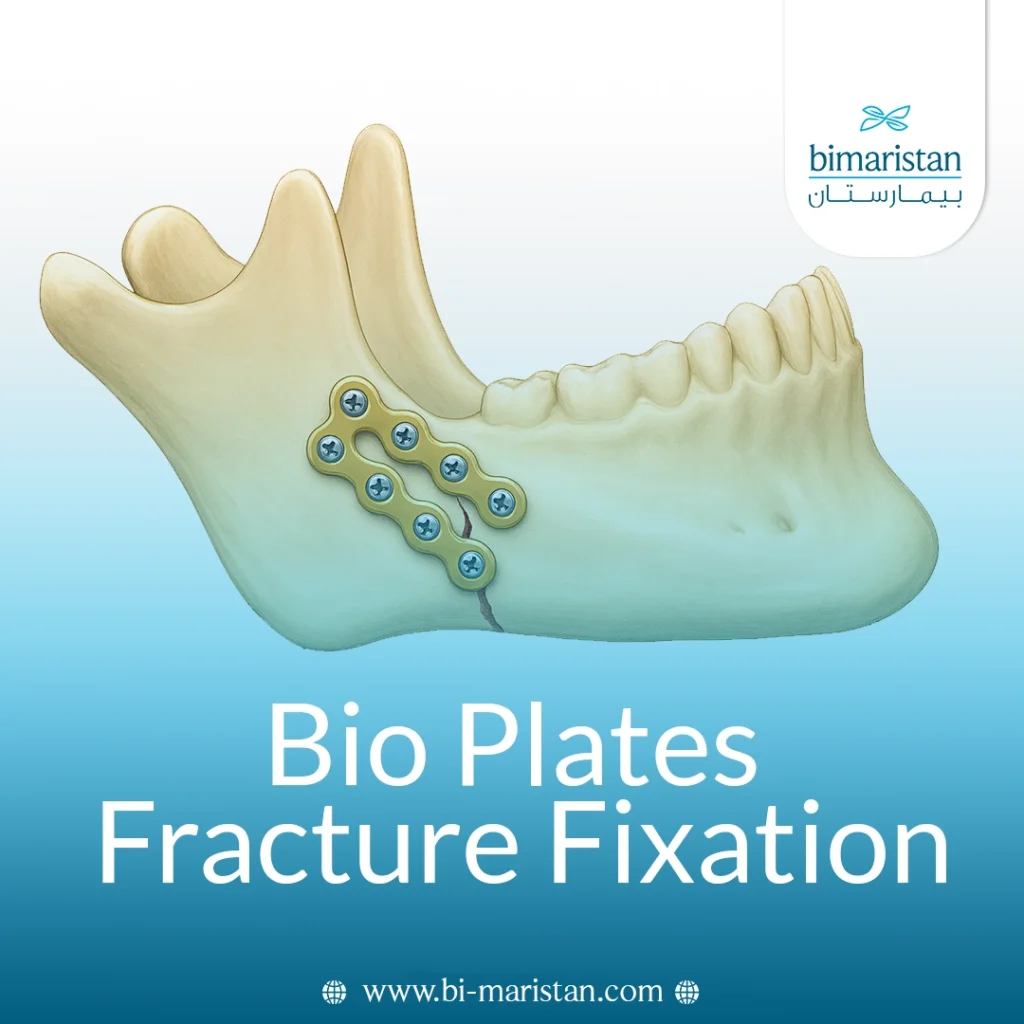



In recent years, the field of orthopedic surgery has witnessed significant development thanks to modern biotechnologies, the most prominent of which is fracture stabilization with bio-plates. This technique is considered a revolution in fracture treatment because it allows for safe and effective bone fixation without the need to remove the equipment later, as the plates gradually decompose within the body after performing their function.
This innovation reduces surgical complications and accelerates bone healing, making it a preferred choice among doctors and patients alike, especially in advanced medical centers such as Turkey, which has adopted the use of this technology on a large scale.
What are bio-plates?
Bio-plates are a surgical fixation technique used to treat fractures and support bones as they heal, but they differ from traditional metal plates in that they are made from biodegradable materials such as biopolymers or magnesium alloys. The bio-plates fracture stabilization method stabilizes both ends of the broken bone until healing is complete, then gradually degrades within the body without having to be removed with a second surgery.
Bio-plates are biocompatible, meaning they do not cause irritation or rejection, and they preserve the natural environment of the bone during restoration. It has become popular in facial and jaw surgeries and small fractures, especially in children, to avoid additional surgical intervention after healing.
When is it advisable to stabilize fractures with bio-plates?
Fracture stabilization with bio-plates is recommended in a range of conditions that require temporary bone stabilization while minimizing the need for subsequent surgical intervention. The technique is flexible enough to suit different types and locations of fractures. Here are the most common conditions for which it is recommended:
- Pediatric and adolescent fractures: Because their bodies are still developing, biomechanical plates are the first choice to avoid surgery to remove the slab after healing.
- Jaw and facial fractures: This type is used to stabilize fractures of the jaw and small bones of the face because the tiles are lightweight and easily absorbed into the body without deformities after treatment.
- Patients who are allergic to metal: If there is an allergy or immune rejection to metals such as titanium or steel, bio-plates are a safe and biocompatible alternative.
- Conditions that require high biocompatibility: Such as operations near nerves or sensitive tissues, where bio-plates minimize the risk of inflammation or irritation.
- Bone reconstruction after resection or complex injuries: Bio-plates are sometimes used as temporary support during bone reconstruction or implantation of artificial bone.
- Small and medium fractures: Such as fractures of the hands and feet, where there is no need for high-strength stabilization as in large bones.
Bio-plate fracture fixation is an ideal option in cases that require temporary and safe bone fixation while maintaining the integrity of the surrounding tissues and reducing the need for repeated surgery, making it a preferred option in advanced centers in Turkey.
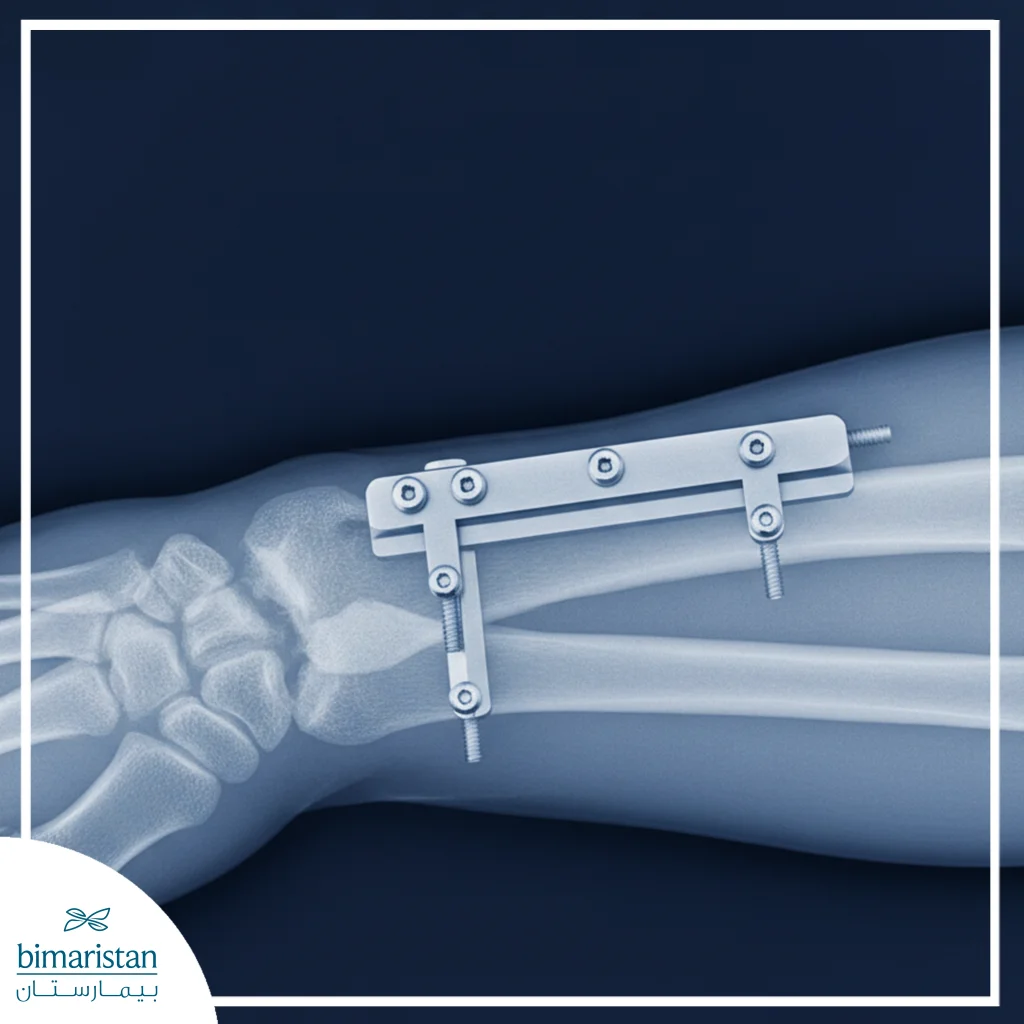
Before the stabilization of fractures with bio-plates
Preparation for bioplastic fracture fixation begins with a series of careful steps aimed at ensuring the success of the surgery and minimizing potential complications. First, a thorough clinical evaluation of the patient, including a physical examination and appropriate medical imaging such as X-rays or computed tomography (CT), is performed to accurately determine the fracture pattern, location, and size of the fragments.
After that, the patient is prepared for surgery by choosing the most appropriate type of anesthesia and adhering to strict field sterilization to reduce the risk of infection. The surgical team also chooses the optimal fixation system in terms of the type, length, and thickness of the plates and the type of screws used in accordance with the nature of the fracture and the bone involved. This mechanism is an essential step in the concept of biomechanical bone fixation, as it preserves the biological environment of the bone and minimizes the risk of infection or inflammation caused by the use of traditional metal materials, making it an advanced and safe option for the treatment of various types of fractures.
During the process of fracture stabilization with bio-plates
Fracture stabilization is based on the principle of temporarily supporting and stabilizing the broken bone until it is able to heal naturally. The process begins after the necessary evaluation and examinations, and then the surgical fixation is performed. During bioplate fracture fixation, plate fixation is performed in a precise sequence of steps aimed at achieving mechanical stability while preserving the vitality of the surrounding bone and soft tissues. This requires a balance between surgical precision and minimizing tissue trauma to ensure proper biological healing of the bone. The basic steps include the following:
- Carefully expose the fracture site while preserving the surrounding tissues and not rough handling to minimize ischemia (biological fixation).
- Fracture correction: Straighten to get the correct length, alignment, and rotational axis rather than seeking a super-strong docking at the expense of vitality.
- Temporary fixation: Use temporary clips, staples, or stabilizing wires to keep the fracture in place while applying the plate.
- Preparing and shaping the plate:
- For biodegradable plates: Activated or heated in a water bath to the company’s stated temperature to facilitate molding, then molded to match the bone surface.
- For sheet metal: Bend the laminate with special bending tools to fit the bone surface.
- Fixing the plate to the bone: Place the plate on the bone surface adjacent to the fracture, then drill the screw locations according to the system instructions (recommended drill files and screw sizes). In some biodegradable systems, there are special guidelines for monocortical or bicortical fixation.
- Insert the screws: Install the first one or two screws at each end of the plate to secure it, then insert the rest of the screws while monitoring the adjustment and pressure. Care must be taken not to overtighten the screws to avoid breaking them or weakening the material in biodegradable systems.
- Check for stability and alignment: Check the movement between the two pieces of bone, making sure that the length, alignment, and bite are restored if it is part of the jaw.
- Radical lavage and tissue closure by stratification: The layers of muscle and tissue under the skin, and then the outer skin, are carefully closed to ensure good healing and minimize the possibility of infection.
After fracture stabilization with bio-plates
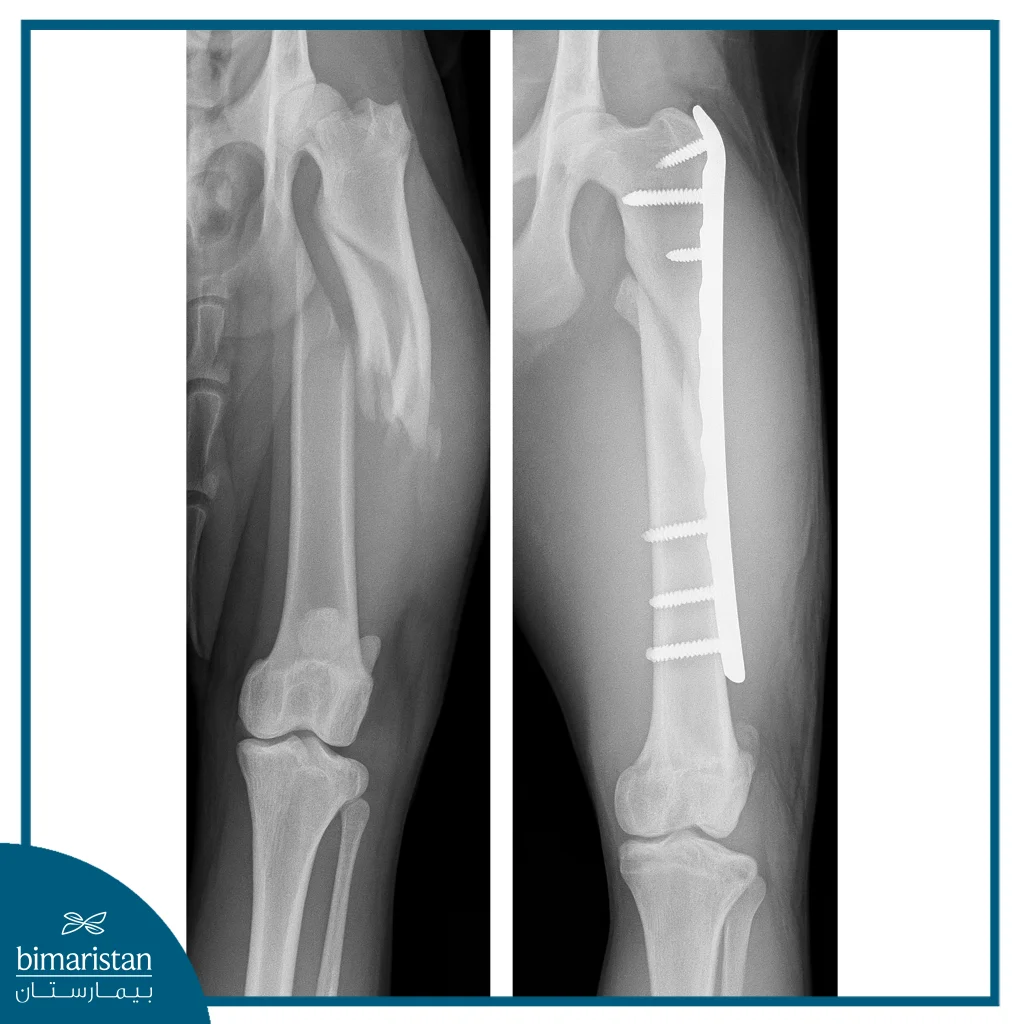
After biomechanical fracture fixation, the doctor will take a radiograph to confirm the position of the plate, screws, and fracture fixation. The patient is also monitored for signs of infection, pain, urine output, and patient adherence to the loading instructions specified by the surgeon, in many cases weight/load reduction is recommended for a specific period of time. Periodic clinical and imaging follow-up is done to monitor bone healing, and in the case of biodegradable plates, the stage of degradation and changes in load-bearing force over time are monitored.
Types of bio-plates used
Bio-plates differ in their composition and properties depending on the type of material used and the surgical purpose, and the most appropriate type is chosen based on the location of the fracture and the nature of the bone. The following are the most common types used in modern medical practice:
- Biodegradable polymer tiles: Made from biopolymers such as polyglycolic acid or polylactic acid, these are safe materials that gradually degrade within the body without leaving any harmful residue. They are commonly used in facial and jaw surgeries and small fractures.
- Biomineral plates: Contain biomagnesium alloys that have the ability to temporarily support the bone and then slowly decompose while stimulating new bone growth. Suitable for fractures that need strong, medium-term support.
- Bioceramic tiles are made from bioceramic compounds: These use materials such as hydroxyapatite and calcium phosphate, which mimic the natural structure of bone and help it heal. They are often used in cases of bone reconstruction or complex fractures.
- Hybrid tiles: Combine the advantages of polymers and magnesium or ceramics to achieve an optimal balance between biostrength and biodegradability. Used in situations where additional support is required without sacrificing biocompatibility.
These types provide multiple options for doctors to choose the most suitable material according to the patient’s condition and the type of fracture, making bioplastic technology one of the most flexible and advanced techniques in the field of modern orthopedic surgery.
Comparison Table of Biotile Types
| Type | Basic material | Duration of decomposition in the body | Mechanical strength | Most Popular Medical Uses | Notable features |
|---|---|---|---|---|---|
| Biodegradable polymer tiles | Polylactic acid, polyglycolic acid | 6 – 18 months | Medium | Maxillofacial fractures, children | Lightweight, non-removable, bio-safe |
| Biomineral tiles (magnesium) | Excellent compatibility with bone tissue and stimulates healing | 12 – 24 months | High | Fractures of long limbs and heavy bones | Strong support and stimulation of new bone formation |
| Bioceramic tiles | Calcium phosphate, hydroxyapatite | 12 – 36 months | Low to medium | Bone reconstruction, complex fractures | Excellent compatibility with bone tissue and stimulate healing |
| Hybrid tiles | A combination of polymer + magnesium or ceramic | 12 – 24 months | Medium to high | Cases that need a balance between support and decomposition | Higher strength while remaining biodegradable and safe |
The choice of biomechanical slab type is individualized and depends on the location of the fracture, the age of the patient, and the need for long-term mechanical support. Thanks to this versatility, surgeons can achieve excellent results with minimal complications.
Advantages of bio-plates fracture stabilization over traditional techniques
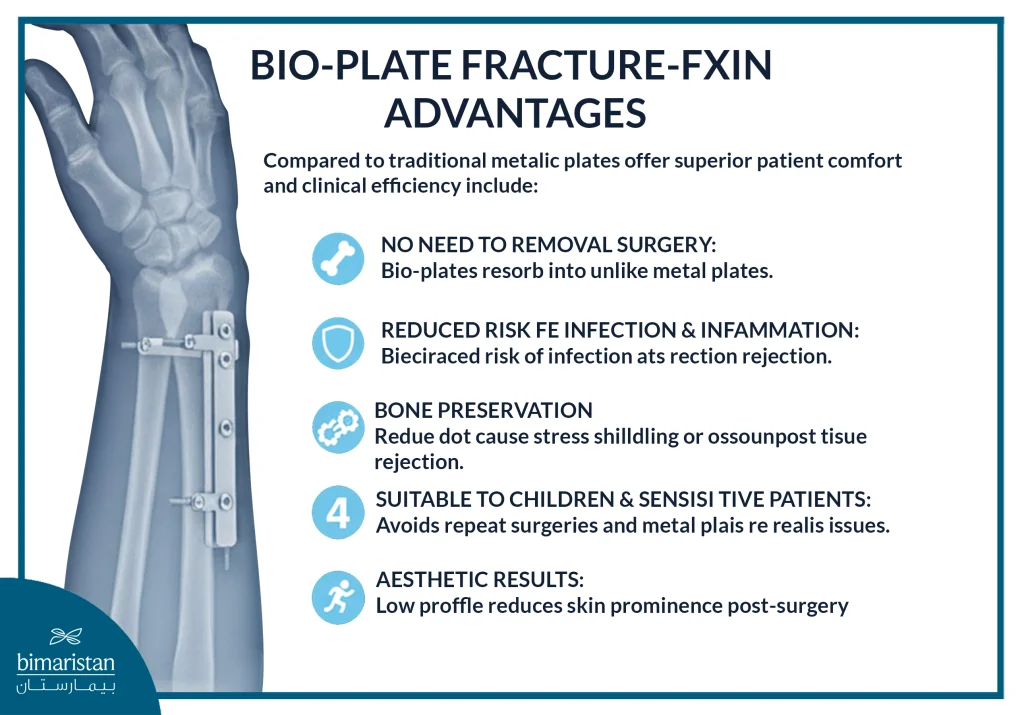
Fracture stabilization with bioblocks is a paradigm shift in orthopedic surgery, combining medical efficiency and patient comfort, compared to metal plates or other traditional techniques. Here are the main advantages:
- No subsequent removal surgery is required: Unlike metal plates that require a second operation to remove them after the fracture has healed, bio-plates spontaneously degrade within the body after performing their function.
- Reduces the risk of infection and inflammation: Thanks to their biocompatibility with the body’s tissues, inflammation and immune rejection are less likely to occur.
- Preserves the bone and surrounding tissues: It does not cause irritation or corrosion of the bone, as can happen with metallic materials.
- Helps faster bone healing: It provides a more natural environment for new bone growth without interfering with the bone’s biological cycle.
- Suitable for pediatric and metal-sensitive patients: Due to its biodegradability and biosafety, it is an ideal choice in pediatric surgeries to avoid a second surgical intervention.
- Better cosmetic results: Bioblasts can be tailored to the exact shape of the bone, minimizing their protrusion under the skin and improving the final appearance after surgery.
Thanks to these advantages, the bioplastic fracture fixation technique has become the preferred choice in many specialized centers, especially in Turkey, which is at the forefront of the use of these modern techniques in orthopedic surgery.
Possible complications after fracture stabilization with bio-plates, and when to see a doctor
Although biomechanical fracture stabilization is one of the safest procedures in modern orthopedic surgery, any surgical procedure can be associated with some potential, albeit rare, complications. It is important for the patient to be aware of these conditions to see a doctor in time and ensure an optimal recovery. Here are the possible complications:
- Minor inflammatory reaction during decomposition: This is considered normal in most cases and disappears spontaneously over time.
- Delayed fracture healing: May occur in some cases due to poor blood supply or premature movement before full healing.
- Localized inflammation or redness at the surgical site: This is rare and is often associated with a lack of adherence to sterilization or post-operative wound care.
- Premature degradation of the biologic slab: Occurs when the material degrades faster than the bone can heal, which can reduce the stability of the fracture.
- Temporary localized pain or swelling: Due to tissue healing or pressure on the surgical area, which often improves with supportive therapy.
When should I see a doctor?
You should contact your doctor immediately if
- High fever or discharge from the wound
- Persistent pain or swelling two weeks after the procedure
- Difficulty moving the affected limb or an abnormal popping sensation
- Significant delay in improvement or a sense of instability at the fracture site
Regular follow-up with the doctor after surgery and periodic radiological examinations help to detect any issue early and ensure a high rate of successful treatment in specialized centers.
Results and prognosis after fracture stabilization with bio-plates
Studies and clinical trials show that the results of bioplastic fracture stabilization are very encouraging, as this technique combines safety, effectiveness, and speed of recovery. Here are the expected results after the procedure:
- Faster bone healing: Thanks to excellent biocompatibility and the absence of the need to remove metal hardware, the bone heals more naturally and stably.
- Lower rates of inflammation and infection: Because bioblocks do not provoke an immune or allergic response, they reduce the risk of post-surgical inflammation.
- Movement and function improve within weeks: Most patients are able to gradually regain activity within 4 to 8 weeks, depending on the type of fracture.
- Better cosmetic results: Especially in maxillofacial surgeries, the slab gradually disappears without any visible trace or protrusion under the skin.
- Greater psychological comfort for the patient: Because the patient does not need a second surgery to remove the slab, reducing anxiety and additional medical costs.
Fracture stabilization success rates with bio-plates
Success rates exceed 90% in specialized centers that rely on modern biostabilization techniques. Long-term follow-up shows excellent results in terms of bone strength and stability without negatively affecting the surrounding tissues. In some cases, the doctor may recommend physical therapy to help restore full mobility to the affected limb.
Bioplastic fracture stabilization is an advanced and effective option that provides patients with faster healing, fewer complications, and better aesthetic results. In Turkey, Bimaristan Medical Center is one of the most prominent centers that apply this modern technique under the supervision of specialized orthopedic surgeons.
Fracture stabilization using bio-plates represents a paradigm shift in the field of orthopedic surgery, combining safety, efficacy, and rapid recovery, while minimizing the need for additional surgery to remove the hardware. This technique provides excellent short- and long-term results, especially in pediatric, maxillofacial, and jaw fractures and sensitive cases that require high biocompatibility.
If you are looking for the best specialized care and advanced technology in fracture treatment, Bimaristan Medical Center in Turkey is a leading choice thanks to the expertise of its medical team and its reliance on the latest orthopedic biotechnology.
Sources:
- Gautier E, Ganz R. Die biologische Plattenosteosynthese . Zentralbl Chir. 1994;119(8):564-72. German
- Bali RK, Sharma P, Jindal S, Gaba S. To evaluate the efficacy of biodegradable plating system for fixation of maxillofacial fractures: A prospective study. Natl J Maxillofac Surg. 2013 Jul;4(2):167-72
- Yerit, K. C., Enislidis, G., Schopper, C., Turhani, D., Wanschitz, F., Wagner, A., Watzinger, F., & Ewers, R. (2002). Fixation of mandibular fractures with biodegradable plates and screws. Oral Surgery, Oral Medicine, Oral Pathology, Oral Radiology, and Endodontics, 94(3), 294-300