
Shoulder dislocation surgery is performed when the joint experiences a severe dislocation, causing damage to one of the tendons or bones surrounding the shoulder. It can also help prevent future dislocations.
Some individuals suffer from recurrent shoulder dislocation, which can be treated through surgery to stabilize the joint and prevent further dislocation. This procedure is relatively easy to perform in Turkey, especially when conducted arthroscopically. It is minimally invasive and does not require a large surgical incision. Patients can typically return home immediately after surgery.
Although shoulder dislocation surgery is not very common, it improves the quality of life for many patients. Additionally, it may be performed emergently in cases of severe shoulder dislocation, often accompanied by adjacent injuries to the shoulder structures such as tendons or ligaments or damage to nearby blood vessels or nerves.
An overview of shoulder dislocation surgery
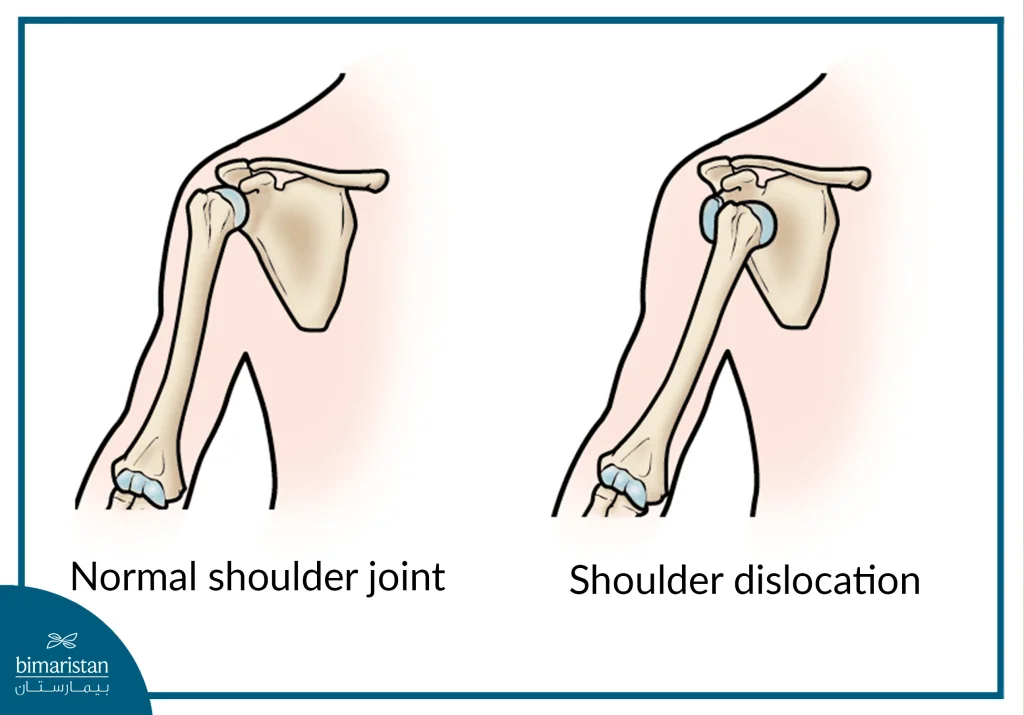
Due to its high mobility and flexibility, the shoulder joint is more prone to dislocation than other joints in the body. Its mechanism of connection with the head of the humerus (upper arm bone) resembles a ball-and-socket joint. When the arm is pulled or falls on it while in an abducted position, the ball may dislocate from its socket, resulting in shoulder dislocation.
Shoulder dislocation surgery is not always necessary, as a physician can often reduce the joint to its normal position through a simple maneuver. However, in cases of severe injuries accompanied by damage to adjacent shoulder structures such as tendons, ligaments, or vascular and nerve injuries, shoulder dislocation surgery may be required, especially if the injury is emergent.
Orthopedic surgeons often recommend shoulder dislocation surgery to address joint instability, especially in young athletes, and to lower the risk of recurrent dislocations. Injury-related dislocations can deform the shoulder joint’s structure, increasing its vulnerability to future dislocations.
How shoulder dislocation surgery is performed in Turkey
In recent times, shoulder surgeries have been developed to become more efficient, safer, and less invasive than they used to be. The use of arthroscopy has been a qualitative leap in shoulder surgeries in general, as most operations are now performed using it. Consequently, Turkey has worked to provide all the modern surgical means through which shoulder dislocation surgery can be performed, including:
Arthroscopic shoulder dislocation surgery
Shoulder arthroscopy has become increasingly common recently in treating recurrent dislocations and other shoulder problems. It is the second most common orthopedic procedure after knee arthroscopy.
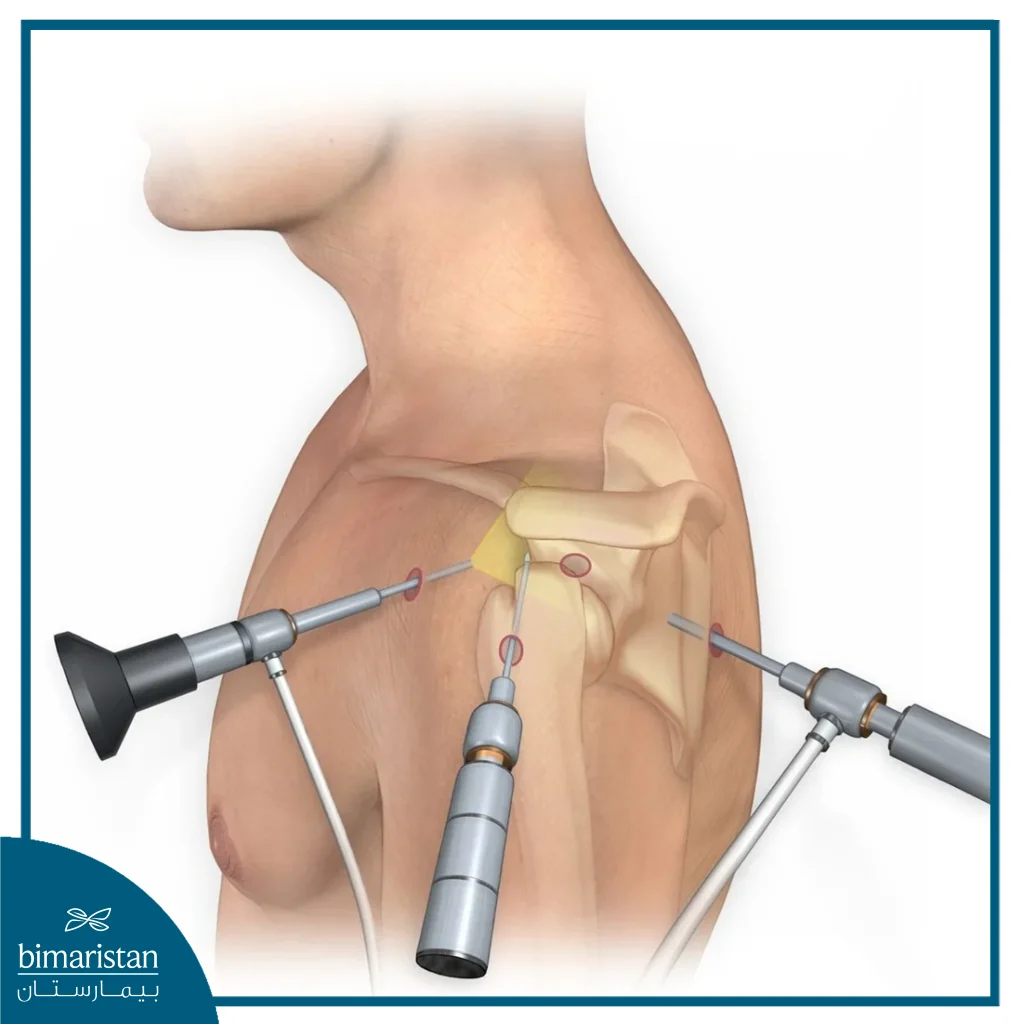
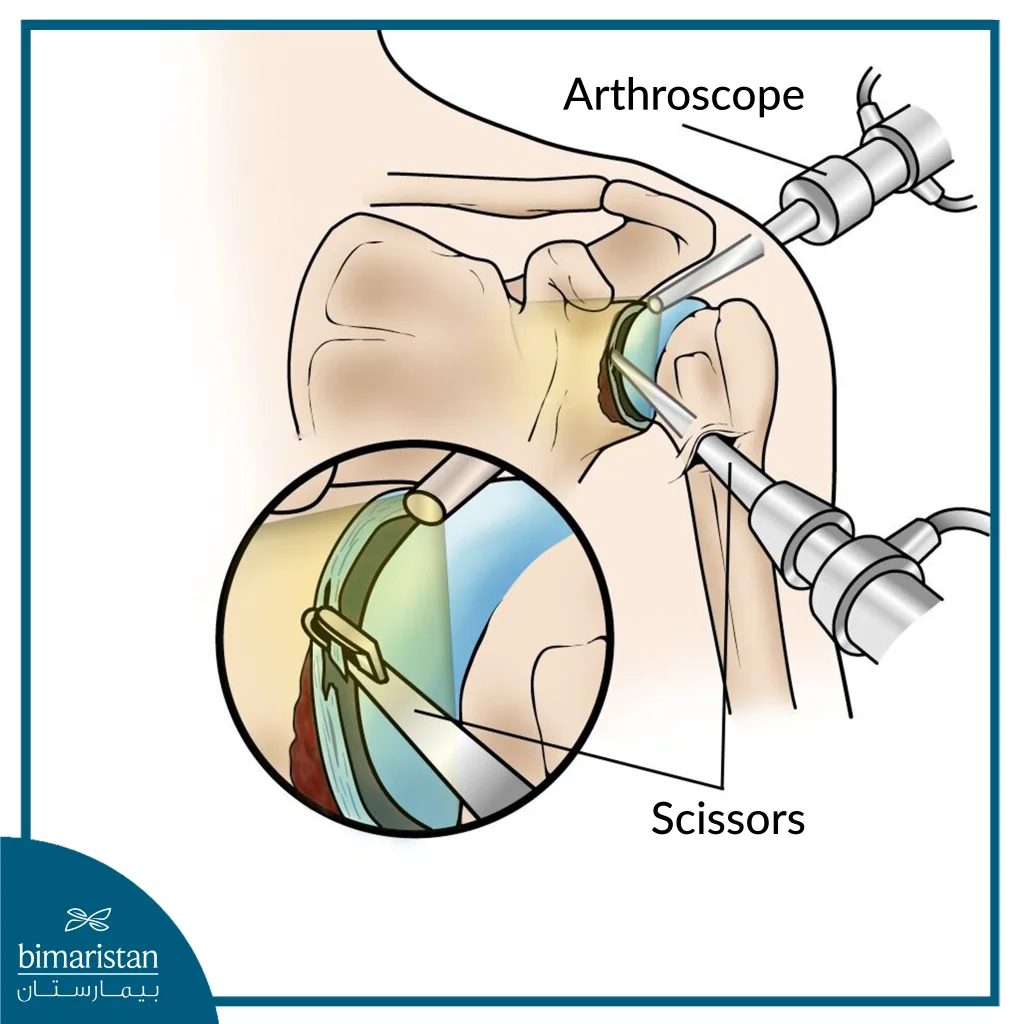
Arthroscopy involves making small surgical incisions through which the surgeon can insert a shoulder scope. The shoulder scope allows the surgeon to have a clear view of the joint through a camera attached to the scope. In the case of shoulder dislocation, the surgeon will assess the severity of joint damage and perform dislocation repair through one of the following surgical methods:
Bankart repair surgery
During this procedure, the ligaments and structures of the shoulder that have moved out of their natural position within the joint socket (glenoid cavity) are repaired and repositioned back into their previous location in the shoulder joint. This is done using surgical sutures and threads to stabilize the labrum. The aim of this surgery is to restore the natural function of the joint and relocate the joint structures anatomically to prevent recurrent dislocations. This procedure can be performed arthroscopically or through traditional open surgery.
Latarjet procedure through bone grafting
The name of this procedure comes from the French surgeon who first performed it. Its aim is to correct instability in the shoulder joint and preserve it for patients who have experienced dislocation resulting in loss or fractures of the anterior parts of the joint cavity bones.
The surgeon removes a portion of the coracoid bone and the surrounding tendon and then implants these parts into the anterior edge of the glenoid cavity (where the shoulder connects to the arm) to compensate for the missing joint parts. This surgery can be performed either arthroscopically or through open surgery, with the latter often being the preferred option.
Remplissage procedure
This procedure can be performed alongside the Latarjet procedure when the glenoid cavity or the head of the humerus in the arm is severely damaged due to dislocation. The surgeon smoothens the edges of the humeral head to make it flat so that it articulates well with the glenoid cavity.
Open shoulder dislocation surgery
Open surgeries have become less common than they used to be due to the emergence of minimally invasive techniques such as arthroscopy. However, open surgery remains the preferred option in cases of severe shoulder dislocation accompanied by adjacent injuries that are difficult to repair using arthroscopic surgery.
The surgeon will assess the severity of the injury and perform what is necessary to treat severe or recurrent shoulder dislocation. In more serious injuries, they may opt for arthroscopic repair or resort to more complex interventions.
Shoulder dislocation surgery with joint replacement
Total joint replacement is considered one of the options for treating shoulder joint instability and dislocation, which causes recurrent dislocation injuries. In this procedure, the shoulder joint is replaced with an artificial joint composed of a stainless steel ball that replaces the humeral head and a cup made of polyethylene that replaces the glenoid cavity. You can read more about shoulder joint replacement surgery.
After shoulder dislocation surgery
Most shoulder surgeries are performed outpatient, and patients can return home immediately after the procedure. However, complex shoulder surgeries, especially those performed through open surgery, may require a hospital stay to rule out complications and monitor the patient’s condition.
The period of rest required after shoulder joint dislocation surgery depends on the nature of the procedure and how it is performed. However, the recovery period after shoulder surgeries is usually estimated to be about 4 to 6 weeks. During this time, patients should follow their doctor’s instructions, such as immobilizing the arm with a sling to prevent movement, which accelerates healing. They should also avoid bathing, strenuous arm exercises, and other instructions provided by their doctor.
If you experience some pain after the operation, you can use pain-relieving and anti-inflammatory medications to alleviate these symptoms.
Physical therapy after shoulder joint dislocation surgery plays an important role in recovery. It speeds up the shoulder’s healing process, strengthens muscles, and improves range of motion. A physical therapist will teach you a set of exercises tailored to your condition.
Complications of shoulder dislocation surgery
Any surgical intervention carries the possibility of complications, even if they are extremely rare. These complications are even rarer when the operation is performed using the latest techniques, such as arthroscopy. Among the possible complications of shoulder dislocation surgery are:
- Infection
- Tearing of a nearby blood vessel or nerve at the surgical site
- Injury to adjacent shoulder tendons
- Stiffness or joint rigidity
- Anesthesia problems
- Surgical failure to provide the desired benefit
Cost of shoulder dislocation surgery in Turkey
The price varies depending on the surgical technique, the patient’s condition, and the degree of damage caused by shoulder dislocation. However, the cost of arthroscopic shoulder joint surgery in Turkey usually starts at around $5,000, and it may increase in cases of complex surgery, such as grafting and other surgical methods for treating recurrent shoulder dislocation.
In conclusion, shoulder dislocation surgery may be performed emergently in cases of severe dislocation that cause serious damage to the surrounding joint structures. Treated shoulder dislocation may lead to joint stability problems, making it susceptible to recurrent dislocation. In such cases, shoulder dislocation surgery may also be sought to correct stability and joint stability to prevent recurrent dislocation.
Sources: