
Stem cell therapy for joints in Turkey is considered the best and most advanced method for treating osteoarthritis without surgery or pain, as stem cell injection for osteoarthritis is performed under local anesthesia.
In recent years, medicine has witnessed tremendous advancements in stem cell therapy, becoming one of the most promising treatments for various conditions, including stem cell therapy for joints. Thanks to its specialized medical centers and advanced technology, Turkey has emerged as one of the leading global destinations for this type of treatment.
Stem cell therapy for joints treatment in Turkey offers an innovative solution for those suffering from chronic joint pain, sports injuries, or age-related conditions. This technique involves using stem cells taken from the patient’s body, which reduces the risk of rejection and enhances the effectiveness of the treatment. The process involves extracting stem cells from a specific body area and then injecting them into the affected joint to stimulate the healing process and regenerate tissue.
In this article, we will explore the benefits of stem cell therapy for joints, review its stages, and highlight patient experiences and treatment costs in Turkey. If you are looking for an effective and long-lasting solution for joint pain, stem cell therapy for joints may be the ideal option for you.
What is arthritis?
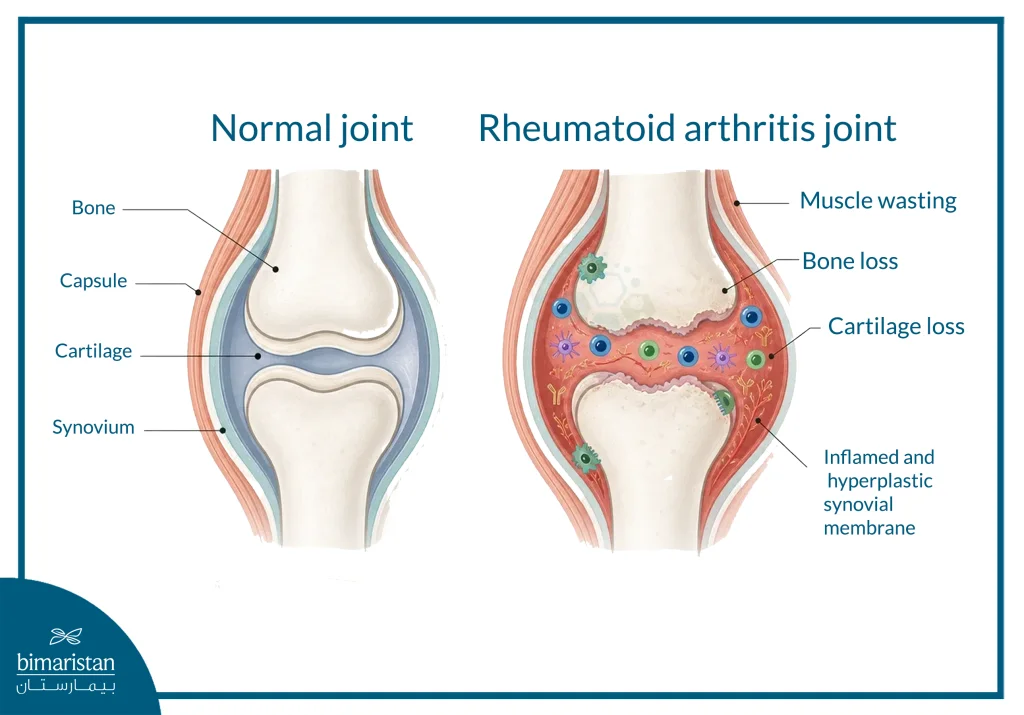
Arthritis is a common condition characterized by inflammation in one or more body joints. This inflammation causes pain, swelling, stiffness, and difficulty moving the affected joint. There are different types of arthritis, but the two most common are:
- Osteoarthritis (OA): Also known as degenerative arthritis, it is the most common type and usually occurs due to the gradual wear and tear of the cartilage that covers the ends of bones in the joint. The risk of developing osteoarthritis increases with age, but it can also result from joint injuries or genetic factors.
- Rheumatoid Arthritis (RA): A chronic autoimmune disease where the immune system attacks the lining of the joints, leading to inflammation, pain, and swelling. Rheumatoid arthritis can affect any joint in the body, but it most commonly affects the hands, wrists, and knees.
Symptoms of arthritis:
- Joint pain: The pain may be constant or intermittent and may worsen with movement or activity.
- Joint stiffness: Stiffness is often worst in the morning or after periods of rest and may take some time to improve with movement.
- Joint swelling: Swelling can be mild or severe and may be accompanied by redness and warmth in the joint.
- Difficulty moving the joint: Individuals with arthritis may find it challenging to bend, extend, or rotate the affected joint.
What are stem cells?
Stem cells are undifferentiated primary cells (master cells) that can differentiate into differentiated functional cells. The number of cell types given depends on the degree of differentiation of the stem cell. Stem cells are divided into several categories according to their ability and origin.
In general, a cell is considered a stem if it meets several conditions, including:
- Undifferentiated cell, meaning it does not follow a specific tissue pattern.
- It can self-renew (through mitotic division).
- Depending on its capability, it can differentiate (through various methods, including artificial stimulation) into multiple cell types.
Adult stem cells can renew damaged cells and participate in tissue repair. Stem cell therapy for joints has become the focus of recent medical and scientific research as researchers continue to conduct studies in this field due to its importance and the high hopes for healing diseases that have not yet been cured, improving symptoms, and relieving patient pain. By using stem cell therapy for joints, doctors can provide new treatments for bones, cartilage, and the spine, offering an alternative solution to many therapies that are either less effective or have more side effects.
Stem cell classification
Stem cells can be classified according to two criteria: based on their potency and based on their source.
According to potency, totipotent stem cells can differentiate into any cell type, including the fertilized egg.
How are stem cells obtained?
These stem cells are generally found in the bone marrow and fat around the abdomen. They are harvested under general anesthesia (sedation only) or through local anesthesia to ensure the patient does not feel pain.
Stem cells taken from the pelvis or abdomen undergo filtration and biological separation under highly sterile conditions.
After preparation, which takes about 20-30 minutes, the obtained pure stem cells are ready for application.
Methods of treating arthritis by stem cell therapy
Stem cell treatment for joints is a modern approach to halting the deterioration of joint cartilage in the early stages for patients who do not require joint replacement surgery or prefer to avoid it altogether.
In addition, stem cell therapy for joints is also used to treat cartilage tears, which serve as a cushion that prevents the ends of the bones in a joint from rubbing against each other.
There are two methods of treating arthritis using stem cell therapy for joints:
- Direct Injection Technique Only.
- Joint Injection Technique During Arthroscopic Surgery.
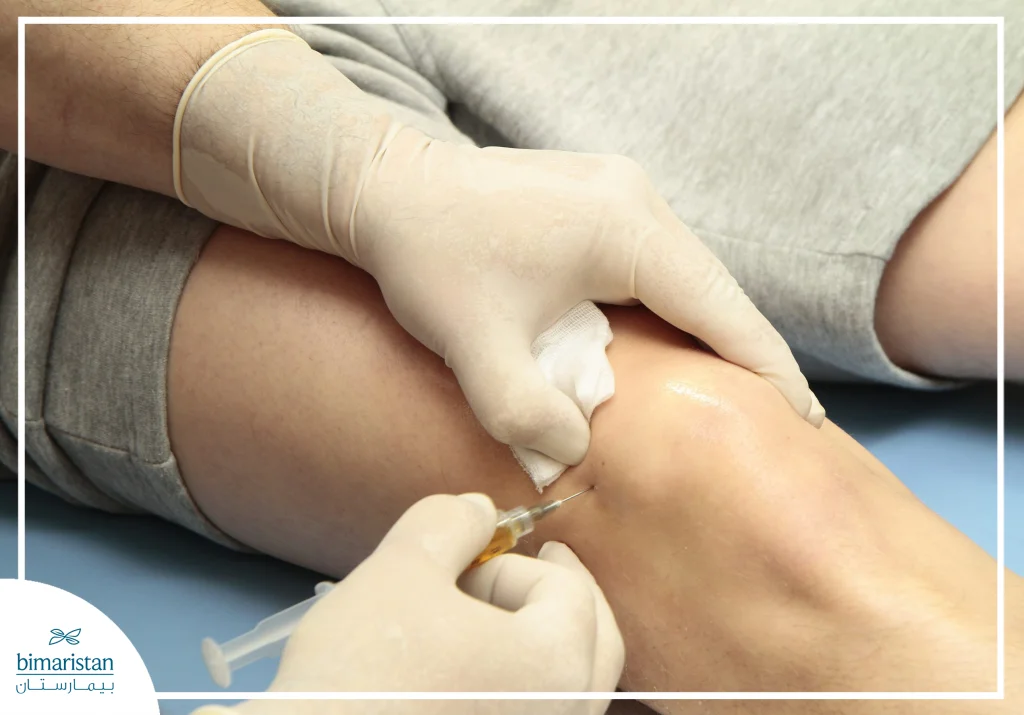
How are stem cells injected into the knee?
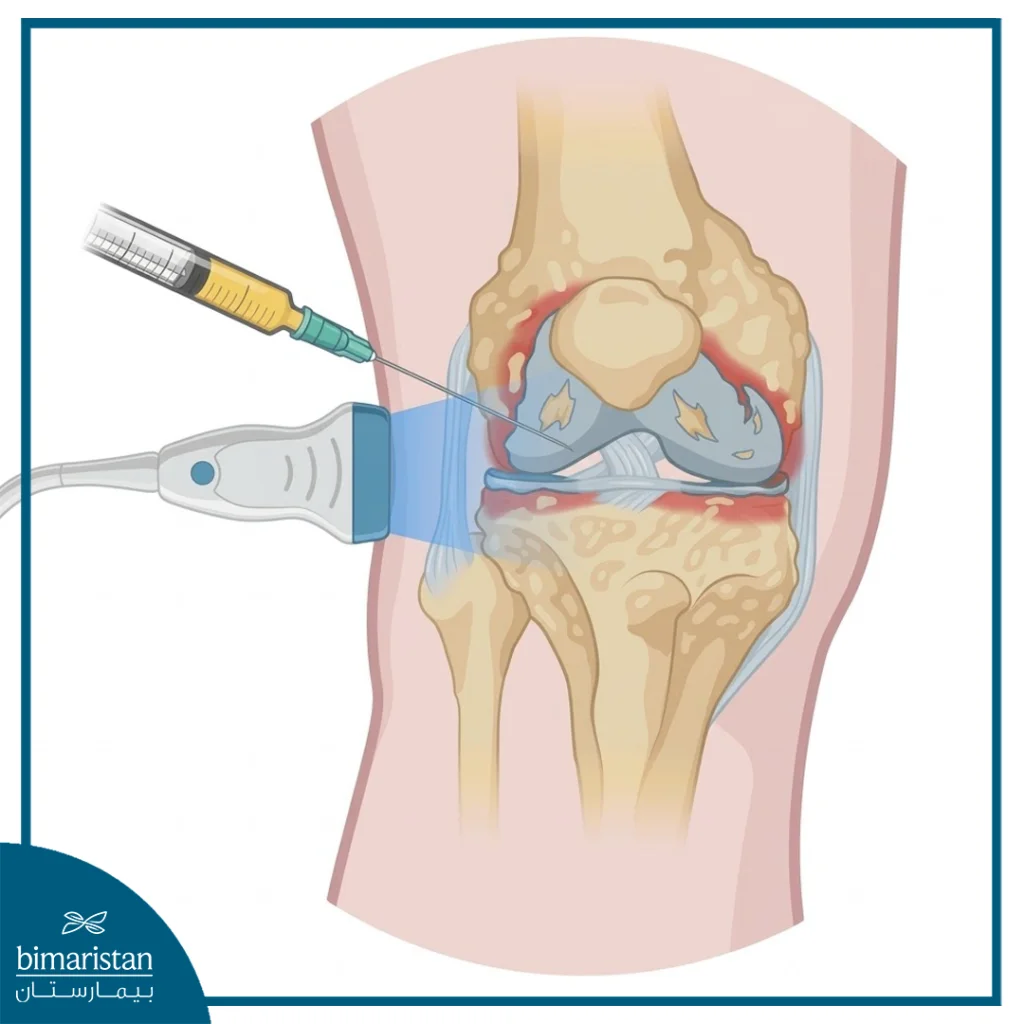
Stem cells for knees or hip joints, taken from bone marrow or adipose tissues, are injected into the damaged area, where they facilitate tissue repair.
In the case of knee cartilage damage, the stem cells are ensured to work only on the affected area without spreading throughout the knee.
Surgical treatment of the knee with stem cells.
The stem cells are placed and distributed in a matrix in the stem cell procedure for knees. The joint is surgically opened, and the matrix containing the stem cells is applied after a corrective procedure in the joint, as well as removing protrusions and damaged tissues in the area to be treated.
Then, this matrix is fixed with various adhesive materials, and growth factors such as PRP, hyaluronic acid, and chemical substances can be added to enhance the effectiveness of the stem cells.
When the appropriate conditions are met, these cells transform into cartilage cells that repair damaged tissues.
Several studies discuss a significant increase in effectiveness with this method.
Factors affecting the success of stem cell therapy for joints.
The most important factor related to the success of stem cell shots for knees is the selection of a suitable patient for the treatment and the level of advancement of the techniques used. Lifestyle changes such as regular exercise and weight loss also increase the lifespan of the joint after treatment.
Who cannot undergo stem cell therapy for joints for bone diseases?
- Patients who suffer from severe obesity and are overweight with a body mass index above 30.
- Joint replacement surgery is necessary for individuals whose joint calcification has progressed to an advanced stage, where no cartilage tissue remains.
- Those with weakened immune systems due to various reasons.
- Individuals afflicted with rheumatic diseases (rheumatoid arthritis: inflammation resulting from autoimmune issues).
Which bone diseases can stem cell therapy for joints be applied in Turkey?
- In knee, hip, shoulder, hand, and ankle calcifications.
- In cases of avascular necrosis in the hip, shoulder, knee, and ankle.
- In non-union fractures resulting from osteoporosis.
- In muscle and tendon tears.
The success rate of stem cell therapy for joints is not yet specified, but all studies have confirmed its effectiveness in alleviating pain caused by joint degeneration and significantly increasing mobility. However, studies have varied regarding the percentage of joint cartilage regeneration. This study, conducted by specialized researchers in bone and joint diseases, confirms its effectiveness in the short term.
Some studies suggest that artificial joint replacement surgery could be replaced with stem cell therapy for joints to treat inflammation and degeneration.
Currently, stem cell therapy for joints can be performed to delay joint replacement surgery as much as possible until alternative means of joint treatment emerge or are discovered.
The Bimaristan Medical Center remains your top choice for treatment in Turkey. We direct you to the best expert specialists in all fields, breaking the language barrier with Arabic-speaking specialized doctors who will assist you in communicating with your physician. We assist you in booking appointments at the most important and modern hospitals in Turkey, provide hotel reservation services for you and your companions, and provide transportation. We also help you secure your travel visa for free.
We offer our services throughout Turkey, as our destination is the best place to receive treatment. We accompany you step by step towards recovery, offering free consultations around the clock. Do not hesitate to contact us; The Bimaristan Medical Center is your family in Turkey.
References: