
Fitbone technology has seen significant advancement and widespread adoption in recent years, becoming one of the leading options recommended by modern orthopedic surgery centers. It offers greater patient comfort while reducing complications associated with traditional limb-lengthening methods, such as pin-site infections and deformities of the newly formed bone.
Limb lengthening using the Fitbone system represents a major advancement in medical care in Turkey, which has become a leading destination for limb reconstruction and rehabilitation following injuries and deformities. This progress combines highly experienced orthopedic surgeons with advanced medical infrastructure, enabling close patient monitoring throughout the lengthening process. The systematic use of Fitbone technology contributes to stable long-term outcomes, minimizes scarring, and helps patients maintain their daily activities throughout treatment.
What Is Fitbone Bone Lengthening Technology?
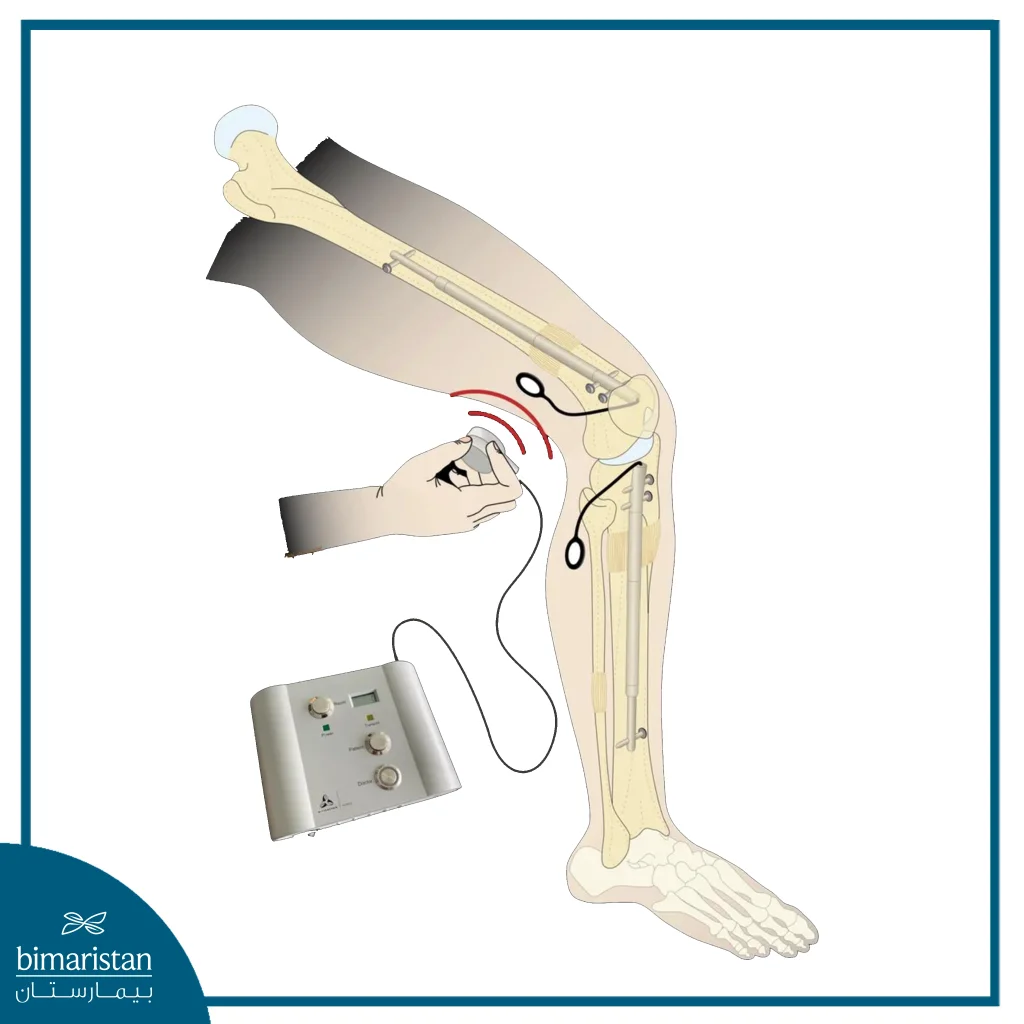
Fitbone is an advanced limb-lengthening system that uses a motorized intramedullary nail implanted inside the bone to achieve gradual bone lengthening without the need for external fixation devices. The technology has been used in clinical practice for more than two decades and has been evaluated in numerous studies that demonstrate its precision, reliability, and controllability in limb lengthening and in the treatment of leg length discrepancy and deformities.
Compared with traditional external fixators, Fitbone represents a significant advancement because the skin is completely closed after implantation, reducing superficial complications and shortening the rehabilitation period.
Clinical studies have shown that the Fitbone system can successfully increase bone length while achieving excellent limb alignment and correction with minimal deformity. Several studies have also reported significant improvements in functional outcomes and a marked reduction in certain complications. With successful use in thousands of patients worldwide and a long clinical track record, Fitbone has established itself as a reliable option for limb lengthening surgery.
Indications for Using Fitbone Technology
Fitbone technology is indicated when the goal is to lengthen bones or correct limb-length discrepancies and bone deformities using an internal system, while minimizing complications associated with traditional external fixation methods. The main indications include:
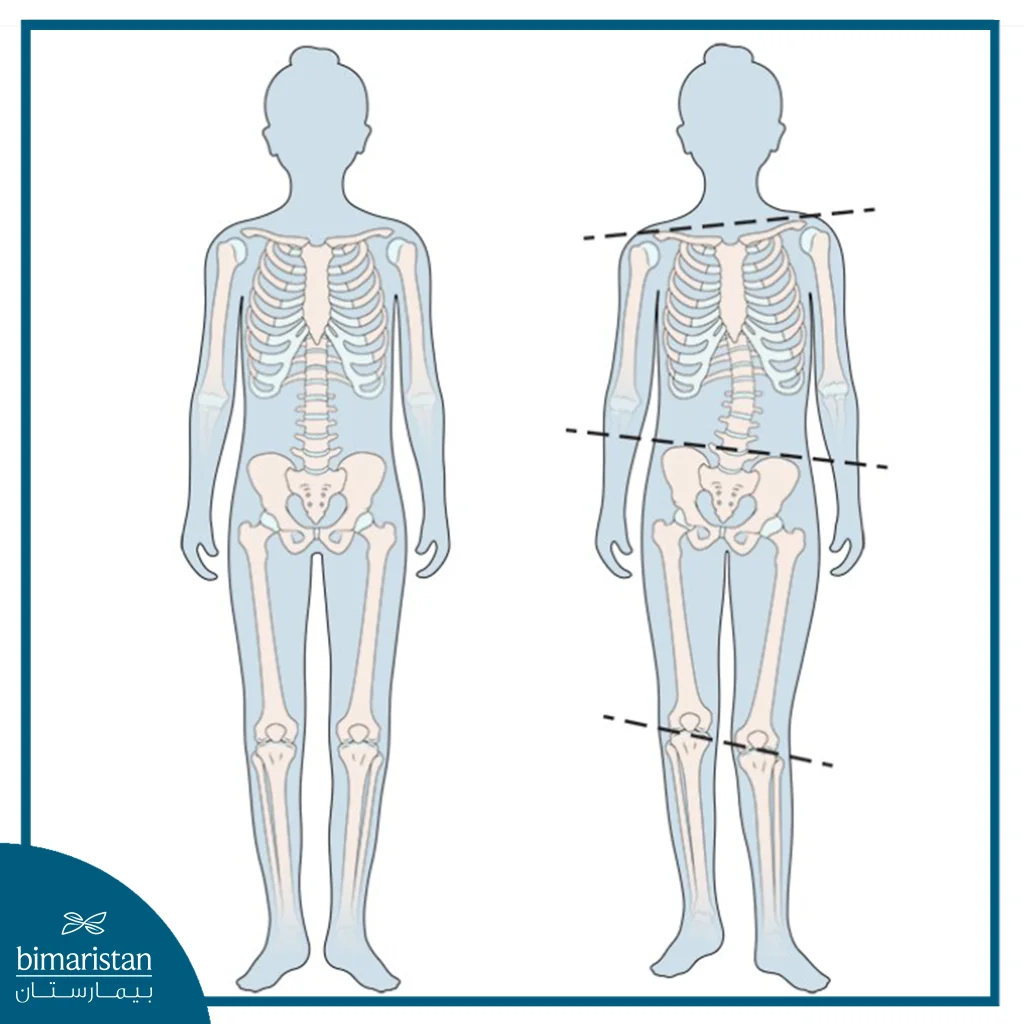
- Limb length discrepancy: Used when one limb is noticeably shorter or longer than the other to restore symmetry and improve function.
- Delayed bone healing: A valuable treatment option when fractures fail to heal normally, helping stabilize the bone and promote complete healing.
- Correction of bone deformities during lengthening: Bone alignment and deformities can be corrected simultaneously, making the technique especially useful for complex cases.
- Cosmetic limb lengthening: After careful medical evaluation, Fitbone may be considered for patients seeking improved body proportions for aesthetic reasons.
- Treatment of large bone defects: Used to reconstruct significant bone loss through internal bone transport, restoring both length and alignment.
- Malunited fractures: The system can correct bone deformities resulting from improperly healed fractures.
- Complex fractures or chronic bone damage: Fitbone may be used to stabilize and correct both open and closed fractures in selected cases.
- Nonunion: In cases where complete bone union has not occurred, the system helps create favorable biological conditions for successful healing.
Steps of the Fitbone Limb Lengthening Procedure
Before beginning a Fitbone limb lengthening procedure, the medical team develops a comprehensive treatment plan covering every stage of the process to ensure patient safety and optimal results. The procedure requires careful monitoring from preoperative preparation through postoperative follow-up to ensure proper bone regeneration. The main steps include:
Preoperative Preparation
The procedure begins with a comprehensive patient evaluation to determine whether they are a suitable candidate for surgery. This includes a detailed physical examination and imaging studies to assess bone length, anatomy, and quality. The desired amount of lengthening, osteotomy site, and fixation plan are carefully determined. This stage is essential for ensuring compatibility with the patient’s bone structure and minimizing potential complications.
Osteotomy
The osteotomy is the foundation of successful limb lengthening. A precisely controlled surgical cut is made in the bone to allow gradual lengthening during the subsequent phase. Accuracy is essential to prevent bone deformity, protect the surrounding soft tissues, and maintain stability throughout the distraction process.
Fitbone Nail Implantation
Implanting the motorized intramedullary Fitbone nail is a critical step after the osteotomy. The nail is inserted into the bone’s medullary canal according to the preoperative plan. Proper positioning ensures accurate bone distraction during treatment while minimizing the risk of implant migration or mechanical failure.
Placement of the Subcutaneous Receiver
A small receiver is implanted beneath the skin near the upper end of the nail to receive signals from the external controller. Because the receiver is completely internal, it is invisible from the outside and does not interfere with the patient’s daily activities while allowing precise control of the lengthening process.
Postoperative Lengthening Control
Gradual distraction begins after surgery using an external control device that transmits signals to the implanted motorized nail. This allows the two bone segments to separate at a carefully controlled rate. The distraction speed can be adjusted according to the patient’s bone regeneration to promote safe and effective new bone formation.
Regular Follow-Up
Routine follow-up is essential for achieving successful outcomes. Periodic X-rays are performed to monitor new bone formation within the distraction gap. Based on these findings, the surgeon may adjust the distraction protocol to ensure proper bone healing and long-term stability.
Advantages of Fitbone Technology
Fitbone offers several important advantages that make it one of the leading options for limb lengthening surgery, including:
- Highly precise gradual lengthening: Enables sub-millimeter distraction, ensuring balanced lengthening, excellent limb alignment, and complete control over the distraction rate according to bone healing.
- Suitable for a wide range of patients: Appropriate for adults with sufficient bone anatomy for intramedullary nail implantation and for patients who can consistently follow the daily lengthening protocol.
- Greater patient comfort: Patients can perform most daily activities with minimal limitations because the implant and receiver are fully internal and do not interfere with movement, unlike external fixators.
- Reduced complications associated with external fixation: Significantly lowers the risk of pin-site infections, muscle tethering, and deformities of the newly formed bone.
- Adjustable distraction rate: The daily lengthening rate can be modified using the external controller, allowing individualized treatment based on the patient’s bone regeneration.
- Improved cosmetic outcomes: Since the system is entirely internal, it leaves only minimal scars, improving cosmetic results and patient satisfaction.
- Stable new bone formation: The technology promotes balanced bone regeneration and strengthens the skeletal structure, contributing to long-term stability after treatment.
Potential Complications of Fitbone Surgery
Although Fitbone is highly effective and precise, certain complications may occur after surgery. Understanding these potential risks allows both the medical team and the patient to recognize and manage them promptly, helping ensure successful treatment and healthy bone healing.
Potential complications include:
- Temporary pain or stiffness in adjacent joints: Some patients experience mild pain or temporary joint stiffness during the distraction phase, which usually improves with physical therapy.
- Infection: Although uncommon, infections may occur at the surgical incision or around the implanted receiver and may require antibiotics or, in some cases, surgical intervention.
- Poor adherence to the distraction protocol: Failure to follow the prescribed daily lengthening schedule can result in uneven lengthening or prolonged treatment, requiring close supervision by the medical team.
- Implant fracture or deformation: Although the nail is highly durable, mechanical failure may rarely occur, particularly if excessive weight-bearing occurs before complete bone consolidation.
- Premature or delayed bone consolidation: Bone may heal too quickly or too slowly within the distraction gap, requiring adjustments to the lengthening protocol.
- Soft tissue irritation around the receiver: The subcutaneous receiver may occasionally cause mild discomfort or localized inflammation if its position is not ideal.
- Nail migration: In rare cases, the intramedullary nail may shift if it is not securely fixed, requiring repositioning.
- Rare complications involving surrounding bones or soft tissues: In exceptional cases, the distraction process may affect nearby bones or soft tissue structures.
Recovery and Rehabilitation After Fitbone Surgery
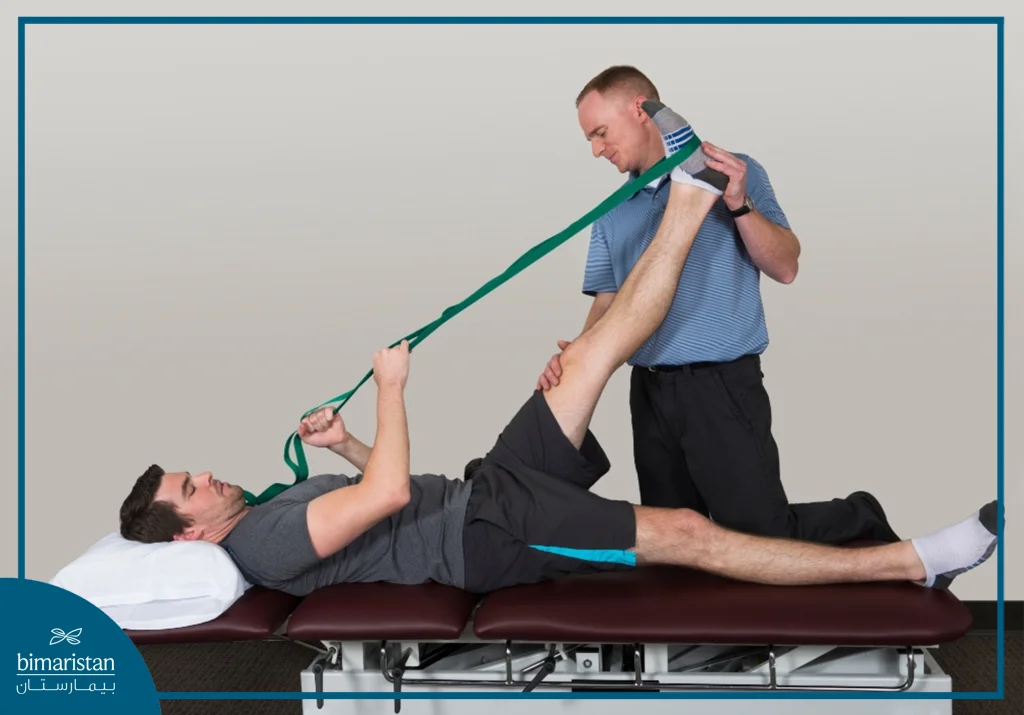
Recovery begins immediately after Fitbone surgery and focuses on supporting new bone formation while preventing complications. During this period, physical therapy plays a central role in rehabilitation. The program typically includes gentle exercises to maintain joint mobility and flexibility while strengthening the muscles surrounding the lengthened bone. A physical therapist designs a progressive rehabilitation plan that begins with simple movements and gradually advances as the new bone develops and heals.
In addition to physical therapy, healthy daily habits are essential for successful recovery. Patients should consistently perform their prescribed exercises, avoid excessive stress on the lengthened limb, and follow a balanced diet rich in calcium and protein to support bone regeneration. Light walking and the use of crutches when necessary help distribute weight safely, while regular follow-up appointments allow the surgeon to monitor progress and ensure the lengthened limb is healing properly.
Comparison Between Fitbone and Other Limb Lengthening Techniques
The table below provides a quick comparison of the Fitbone system and the most commonly used limb-lengthening techniques in Turkey, highlighting the key differences.
| Technique | Estimated Cost in Turkey (USD) | Control Method | Patient Comfort | Treatment Duration | Ease of Follow-up | Potential Complications |
|---|---|---|---|---|---|---|
| Fitbone | $48,000–60,000 | Electronic, via a subcutaneous receiver | High | Moderate | High | Low |
| PRECICE 1 | $30,000–45,000 | External magnetic controller | High | Moderate | High | Low |
| PRECICE 2 | $35,000–55,000 | Enhanced external magnetic controller | High | Moderate | High | Low |
| LON (Lengthening Over Nail) | $18,000–30,000 | Mechanical with external fixator | Moderate | Moderate | Moderate | Moderate |
| Traditional Intramedullary Nail (ILN) | $20,000–30,000 | Internal mechanical system | Moderate | Moderate | Moderate | Moderate |
| Traditional External Fixator (Ilizarov) | $15,000–22,000 | Manual external fixator | Low | Longer | Low | High |
Comparison of the most commonly used limb lengthening techniques.
Fitbone Surgery Cost in Turkey Compared with Europe
The cost of Fitbone surgery varies between Turkey and European countries. Turkey is widely regarded as one of the most cost-effective destinations while maintaining high standards of care at specialized orthopedic centers. Approximate costs are shown below:
| Country | Estimated Cost (USD) |
|---|---|
| Turkey | $48,000–60,000 |
| Germany | $70,000–120,000 |
| France | $70,000–115,000 |
| United Kingdom | $75,000–120,000 |
| Spain | $80,000–125,000 |
Comparison of Fitbone surgery costs in Turkey and Europe.
Why Is Turkey One of the Best Destinations for Fitbone Surgery?
Turkey has become a preferred destination for Fitbone surgery thanks to its combination of advanced medical facilities, experienced orthopedic surgeons, and competitive treatment costs. Its main advantages include:
- Advanced specialized centers: Hospitals equipped with state-of-the-art technology for internal limb lengthening procedures.
- Highly experienced surgeons: Turkey is home to orthopedic surgeons with extensive expertise in advanced internal lengthening systems such as Fitbone.
- Comprehensive treatment packages: Many centers offer coordinated services, including surgery, accommodation, medical evaluations, and rehabilitation.
- Patient-centered care: A strong emphasis is placed on patient comfort and continuous support throughout treatment and recovery.
- Convenient access and follow-up: International patients benefit from straightforward travel arrangements and structured postoperative follow-up programs.
- Modern medical protocols: The latest surgical techniques and evidence-based protocols are used to maximize precision while minimizing complications.
For more information about Fitbone limb-lengthening surgery and comprehensive treatment services, contact Bimaristan Medical Center for a personalized consultation with experienced specialists.
Fitbone is one of the latest advancements in limb lengthening surgery, offering exceptional precision, greater patient comfort, and superior cosmetic outcomes. The system relies on a motorized intramedullary nail controlled through a subcutaneous receiver, eliminating the need for external fixation devices and allowing greater freedom of movement throughout treatment.
Successful recovery depends on a structured rehabilitation program that includes physical therapy, strengthening of the surrounding muscles, and healthy lifestyle habits such as light walking and a balanced diet rich in essential nutrients to promote healthy bone regeneration.
Turkey has established itself as a leading destination for Fitbone surgery thanks to its specialized medical centers, highly experienced surgeons, and comprehensive treatment programs that include continuous follow-up and rehabilitation. Overall, Fitbone is a modern and reliable limb lengthening solution that combines precision, patient comfort, and excellent cosmetic outcomes. Bimaristan Medical Center offers integrated care and personalized support throughout every stage of treatment and recovery.
sources: