
Foot arthritis is a common yet complex medical condition that affects the small joints connecting the bones of the foot. It results in intense pain, swelling that restricts mobility, and disruption of the patient’s balance and gait. Despite the vital role our feet play in carrying us through daily life, they are not immune to joint disorders that can make walking a real struggle, particularly with age, weight gain, or repeated injuries.
Arthritis is not exclusive to a specific age group or lifestyle. It may affect athletes, workers who stand for extended periods, or individuals who wear improper footwear. Studies have shown a strong correlation between obesity and foot pain, whether due to inflammation or increased mechanical stress on the small joints.
Although there is no definitive cure for certain types of arthritis, medical advances have provided numerous options to manage symptoms and slow the progression of the disease. These developments help patients maintain their quality of life and continue their daily activities. Treatment plans typically begin with non-pharmacological approaches such as footwear modification, physical therapy, and lifestyle changes, before progressing to medication or surgical intervention, depending on the severity. Foot and ankle arthritis pose a growing public health challenge due to their direct impact on mobility, necessitating early diagnosis and comprehensive care to ensure patients remain active and engaged in daily life.
A glimpse into foot arthritis
Foot arthritis is a musculoskeletal disorder characterized by damage and inflammation in the joints connecting the bones of the foot and ankle, leading to pain, swelling, and restricted motion. The foot comprises 28 bones and over 30 joints that work in harmonious coordination to support the body, absorb shocks, and maintain balance during activities such as standing, walking, and running. Any disruption in these joints can severely affect balance and overall quality of life.
The ends of bones in these joints are covered with a smooth layer called articular cartilage, which allows bones to glide effortlessly without friction. The joint is surrounded by a synovial membrane that produces lubricating fluid, while ligaments, muscles, and tendons provide stability and strength. Over time, or due to repeated injuries, this cartilage may deteriorate, leading to direct bone-on-bone contact, which causes deep pain, stiffness, and structural deformity.
Osteoarthritis is the most common type of foot arthritis, often resulting from natural wear and tear with aging, repeated ankle injuries, being overweight, or genetic predisposition. The joints most frequently affected include the big toe, the midfoot joints, and the ankle joint, where the tibia and fibula meet the foot bones. Inflammation may also extend to ligaments, tendons, and even the joint lining.
Rheumatoid arthritis is more severe, as it not only damages joints but may also cause permanent foot deformities. It is an autoimmune disease in which genetics may play a key role.
Although foot arthritis can affect anyone, those over the age of 40, women more than men, individuals with obesity, a family history of arthritis, or those who engage in high-impact sports are at greater risk. Persistent foot or ankle pain that interferes with daily activities warrants medical evaluation and an appropriate treatment plan.
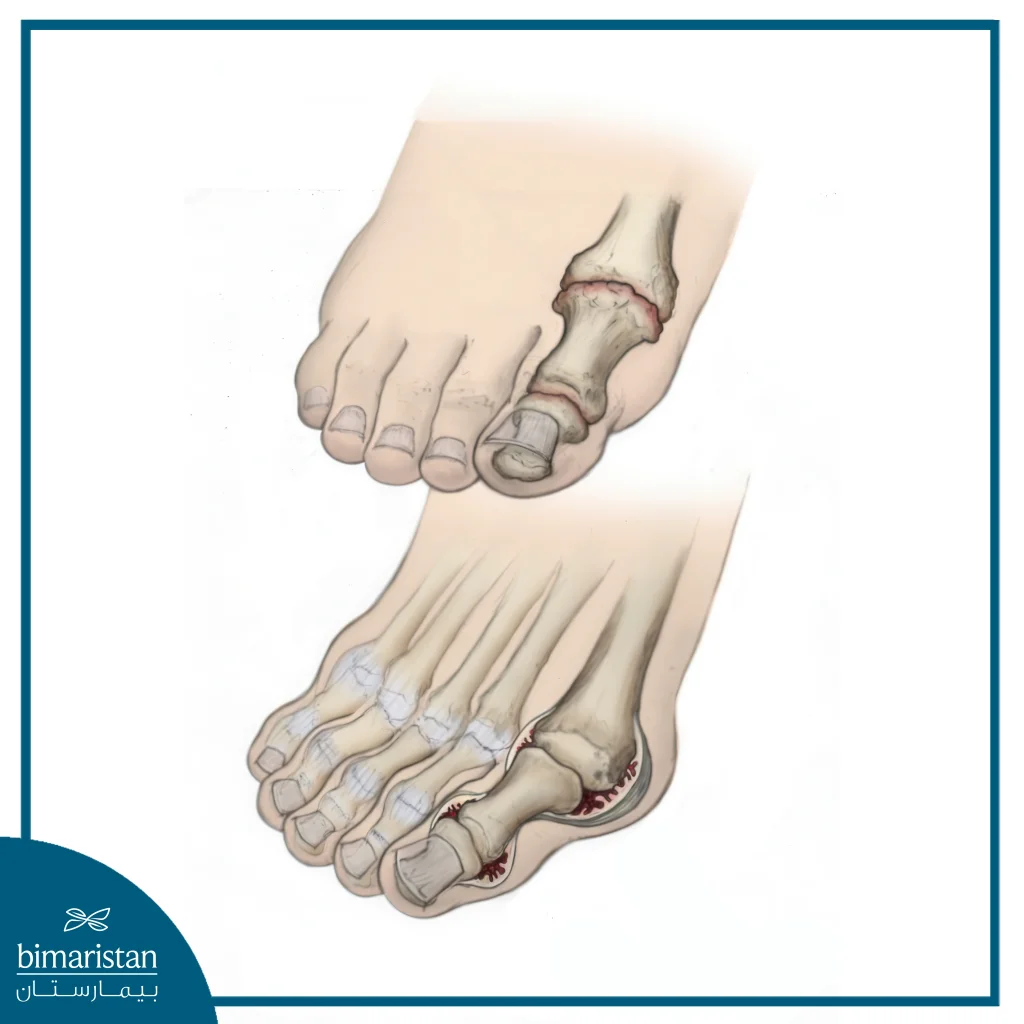
Types of foot arthritis
Foot arthritis varies in cause and pattern, with each type having distinct features in terms of symptoms, age of onset, and severity. The following are the most prominent types that affect the foot and ankle:
- Osteoarthritis (Degenerative arthritis): The most prevalent type, also known as “wear-and-tear” or degenerative arthritis. It develops slowly over the years as the cartilage coating the bone ends wears down. As this layer deteriorates, bones begin to rub against each other, causing pain, stiffness, and sometimes the formation of bony spurs known as osteophytes. Commonly affected joints include the big toe, the midfoot, and the ankle.
- Rheumatoid arthritis (RA): One of the most severe types, this autoimmune condition primarily affects the synovial membrane that lines the joints, resulting in chronic inflammation, swelling, pain, and joint deformity. It often affects joints symmetrically, meaning both feet at once. Inflammation may also spread to ligaments, tendons, and bones, resulting in severe structural damage and functional impairment.
- Post-traumatic arthritis: This type results from injuries such as fractures or dislocations in the foot or ankle, even if treated well. Symptoms may develop over time after an injury, with joint damage gradually manifesting as pain and reduced mobility.
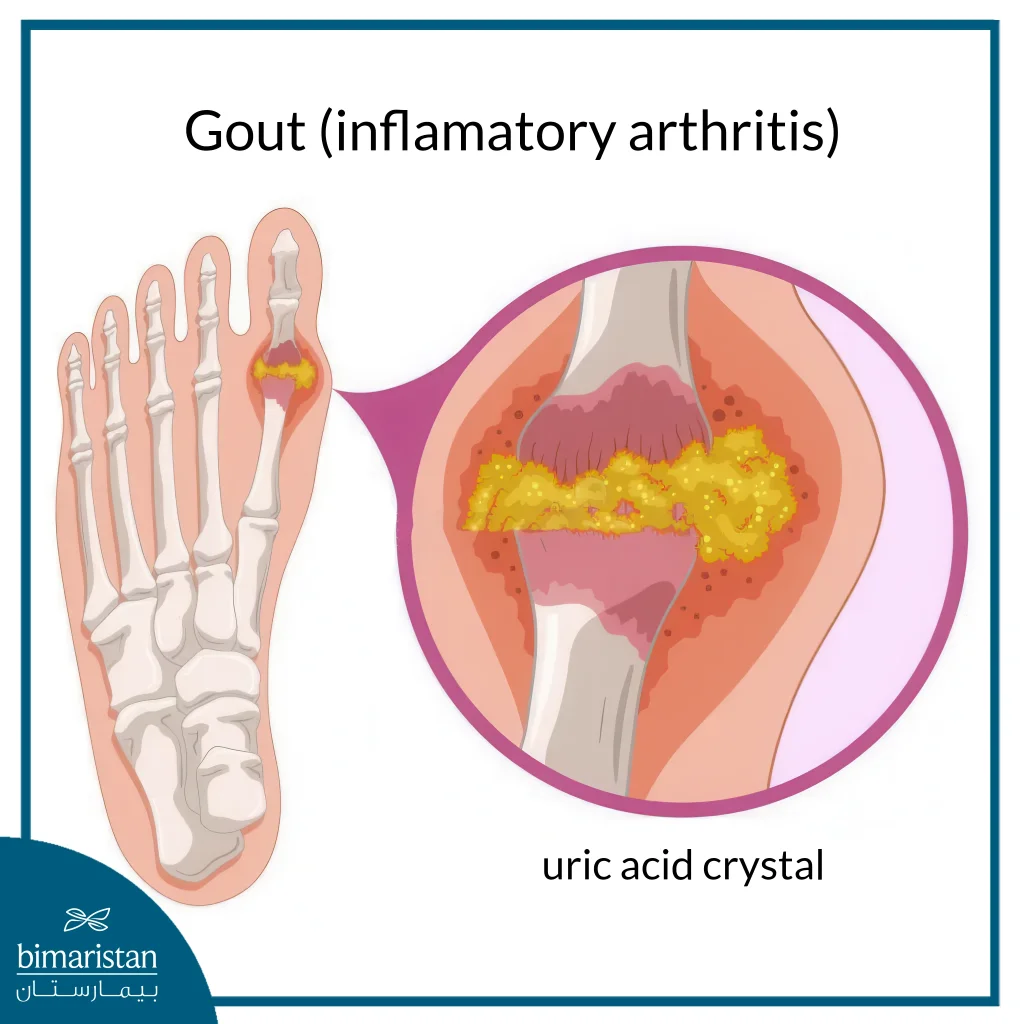
- Gout: A form of crystal-induced arthritis caused by the buildup of uric acid crystals in joints. It typically appears suddenly and is extremely painful, often affecting the big toe due to its peripheral location and reduced blood flow. Gout attacks are associated with redness, swelling, and intense pain, and are often triggered by high consumption of red meat, alcohol, and seafood.
- Psoriatic arthritis: Associated with the skin condition psoriasis, this type can affect one or multiple joints in the foot and ankle, particularly the smaller toe joints. It often presents with “sausage-like” swelling (dactylitis), in which the entire toe appears inflamed.
Other less common types include enteropathic arthritis, crystal arthropathies, and hemarthrosis.
Symptoms of foot arthritis
Symptoms of foot arthritis vary depending on the severity, affected joints, and type of arthritis. However, most patients share a core set of symptoms that worsen as the disease progresses. Pain is the most prominent symptom, intensifying during activity or walking and worsening under weight-bearing conditions. Common symptoms include:
- Pain during movement or daily activity.
- Tenderness when touching the joint area.
- Swelling of the joint, sometimes accompanied by warmth and redness, particularly in active inflammatory conditions like RA or gout.
- Joint stiffness, especially after periods of rest, such as getting out of bed in the morning or standing after prolonged sitting, improves with movement.
- Difficulty walking or moving the foot and ankle due to pain and stiffness.
Diagnosis of foot arthritis
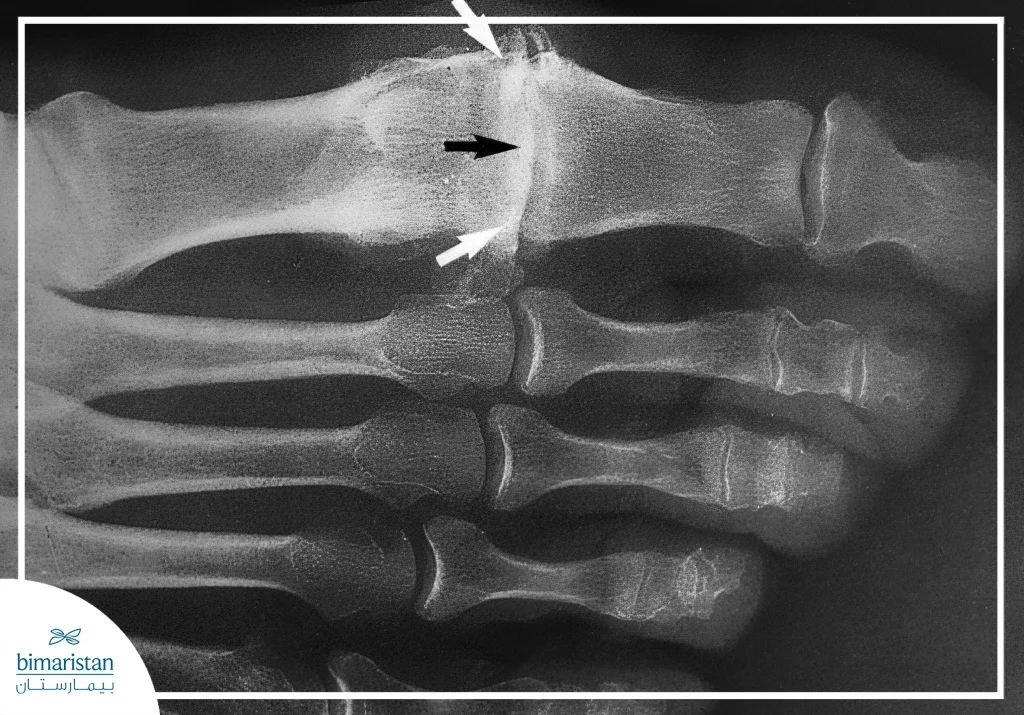
Diagnosing foot and ankle arthritis begins with a clinical evaluation, during which the physician assesses the patient’s symptoms, including their onset and nature, and performs a physical examination to evaluate joint mobility and tenderness. A gait analysis may be done to assess walking patterns. X-rays are used to detect changes such as joint space narrowing or bone spurs. MRI may be used to examine soft tissue structures, and CT scans may be used in some cases.
Blood tests can also be performed to identify specific types of arthritis, such as uric acid levels for gout or autoimmune markers for rheumatoid arthritis.
Treatment of foot arthritis
Treatment of foot arthritis, much like hand arthritis, depends on the severity and type. Management progresses from non-surgical options to surgical interventions for advanced cases. Physical therapy exercises may be incorporated to accelerate healing.
Non-surgical treatment
Non-surgical treatment is the first-line approach for managing foot and ankle arthritis, aiming to relieve pain and improve mobility without invasive procedures. Key options include:
- Rest and hot/cold compresses: Compresses help reduce inflammation and alleviate pain associated with arthritis.
- NSAIDs (Non-steroidal anti-inflammatory drugs): Used to reduce pain and swelling caused by arthritis.
- Corticosteroid injections: Provide effective relief from joint pain and inflammation.
- Supportive footwear: Provides necessary joint support and helps maintain proper foot alignment.
- Walking aids, such as canes or crutches, reduce pressure on the affected joint.
- Targeted medications: For autoimmune conditions like rheumatoid arthritis (RA), disease-modifying antirheumatic drugs (DMARDs) or immunomodulators are prescribed.
Physical therapy
The goal of physical therapy is to reduce pain, restore function (including alignment, movement, and load distribution), and help patients return to their usual level of activity. Therapy includes exercises to enhance strength and flexibility in the foot and ankle, such as:
- Achilles tendon stretch: Stand facing a wall and place both palms against it. Position one foot in front of the other, keeping the back foot flat on the ground. Lean forward while keeping both heels on the floor, stretching the tendons and the back of the leg for 10 seconds. Repeat the exercise three times on each side.
- Big toe stretch: Place a rubber band around your big toe, then use your muscles to pull it away from the other toes. Hold the stretch for 5 seconds and repeat the exercise 10 times.
- Toe spreading exercise: Place a rubber band around your toes, then spread them apart against the resistance. Hold this position for 5 seconds, then repeat the exercise 10 times.
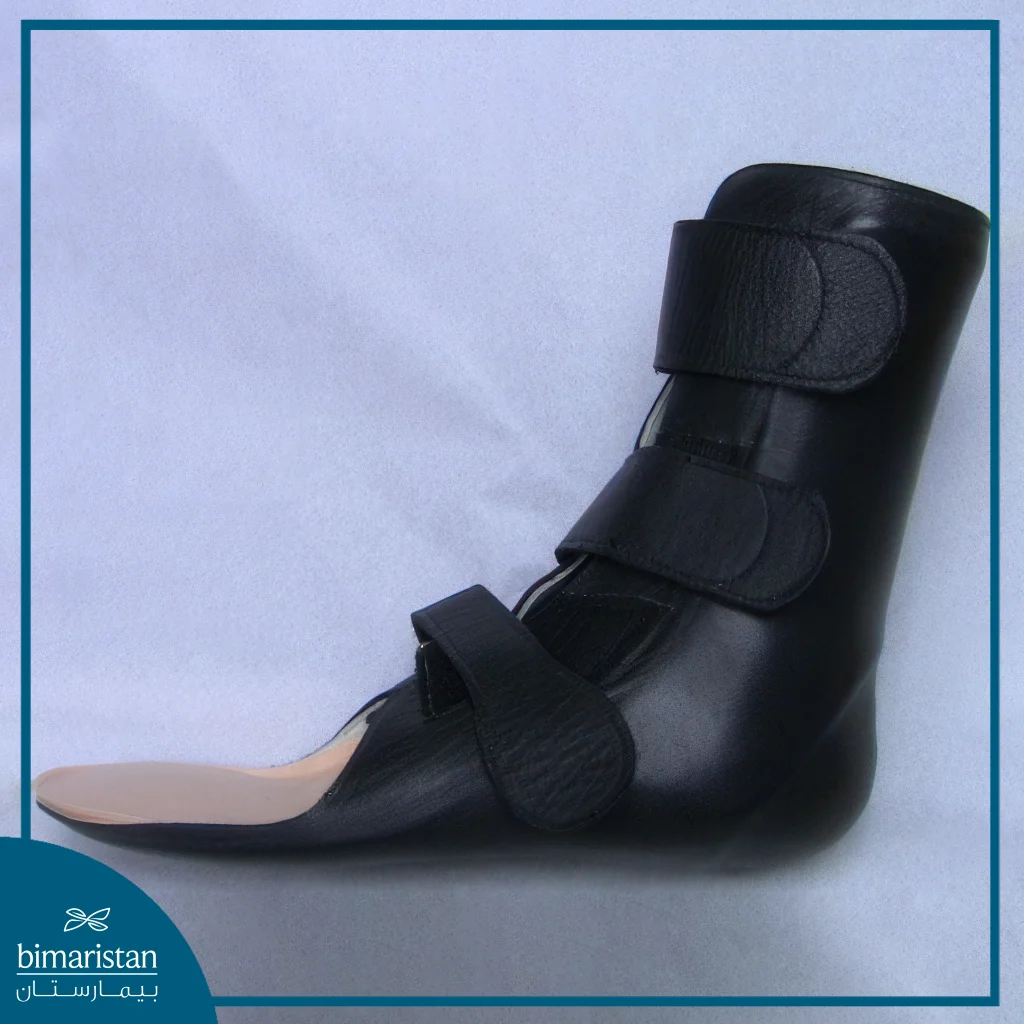
- Assistive devices: Wearing a brace, such as an ankle-foot orthosis, can improve mobility and reduce pain. Additionally, using custom orthotic insoles or specially designed footwear can help decrease pressure on the foot and contribute to pain relief.
- Manual therapy: Manual therapy techniques, such as massage, aim to increase blood flow, reduce swelling and muscle tension, and mobilize joints and soft tissues to restore normal range of motion and alleviate pain.
Surgical treatment
When conservative treatments fail, surgical intervention becomes a practical and necessary option, particularly in advanced or treatment-resistant cases. Surgical options vary based on disease severity and joint involvement, including:
- Arthroscopic surgery: Arthroscopy is considered an appropriate option in the early stages of arthritis. It involves the use of a small camera (arthroscope) to visualize the inside of the joint through tiny incisions, thereby minimizing surgical trauma and accelerating recovery. Delicate instruments are used to remove bone spurs, damaged cartilage, or inflamed tissues, while preserving as much of the joint structure as possible.
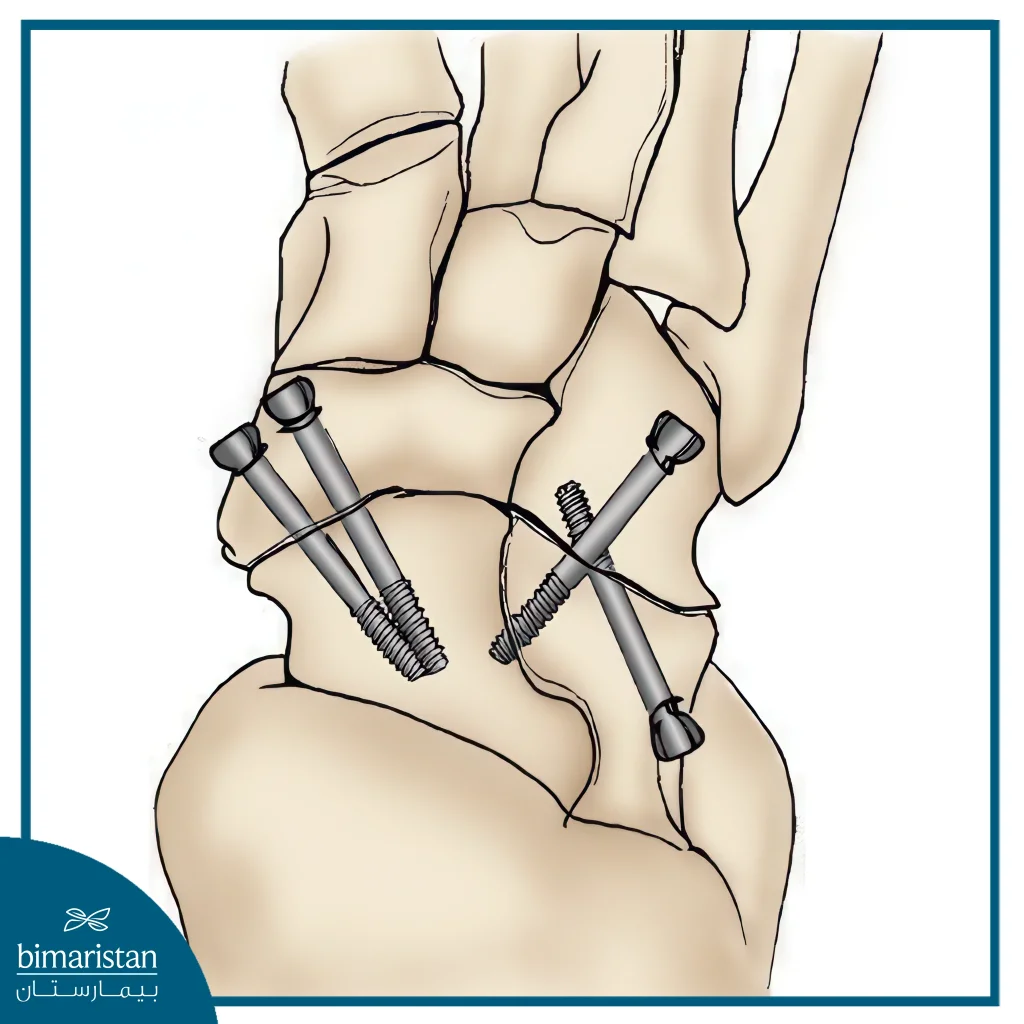
- Joint fusion (Arthrodesis): Joint fusion, or the surgical joining of bones, is a procedure aimed at eliminating movement in the damaged joint to relieve pain caused by bone-on-bone friction. During the procedure, the damaged cartilage is removed, and the bones are fixed together using plates, screws, or rods until they heal and fuse, similar to the natural healing of fractures.
- Joint replacement: In severe cases of arthritis, particularly when there is complete cartilage erosion or joint deformity, total joint replacement may be recommended. This involves replacing the damaged parts of the joint with metal or plastic prosthetic components.
- Total ankle replacement with the STAR technique: For advanced cases of rheumatoid or degenerative ankle arthritis, total ankle replacement using the STAR (Scandinavian Total Ankle Replacement) technique is a leading treatment option. This method involves implanting specially designed metal components that preserve joint mobility.
Recovery after surgery depends on the type and complexity of the procedure. Some patients may be discharged the same day, while others may require an overnight hospital stay. Full recovery typically ranges from several weeks to months and requires adherence to rest and a physical therapy program tailored by rehabilitation specialists according to the patient’s condition. Physical therapy exercises play a crucial role in accelerating healing and restoring the ability to perform daily activities.
Based on all these considerations, the surgeon determines the most suitable surgical option for each case through a comprehensive evaluation, taking into account the patient’s goals, the extent and location of the arthritis, and ensuring effective and holistic treatment to reduce pain and improve quality of life.
Preventing foot arthritis
While complete prevention may not always be possible, adopting a healthy lifestyle significantly lowers the risk or delays the onset of symptoms. Prevention strategies include:
- Regular physical activity is essential for maintaining joint flexibility and muscle strength in the feet and ankles.
- Maintaining a healthy weight reduces mechanical stress on foot joints.
- Avoiding high-impact activities or sports that may cause repetitive foot and ankle injuries.
- Wearing appropriate footwear and protective gear during sports or heavy-duty tasks.
In conclusion, foot arthritis is a prevalent condition with diverse causes and patterns, leading to pain, swelling, and stiffness that hinder walking and affect quality of life. Most cases are effectively managed through non-surgical methods such as medication, rest, and physical therapy, which greatly alleviate symptoms and promote mobility. However, accurate diagnosis and specialized care remain key to successful treatment.
In this context, Bimaristan Turkish Hospital stands out as a premier destination for treating foot arthritis. With a highly skilled medical team and experienced specialists using the latest therapeutic and surgical technologies in line with global standards, the hospital represents a trusted choice for those seeking to restore mobility and health with the utmost professionalism and care.
References: