
.floating_btn{ display:none !important; } .println-contact-form-button-element{ display:none !important; }
Shoulder tendonitis is a common condition that affects many individuals, particularly those who engage in repetitive activities or participate in specific sports. This condition can be painful and may limit shoulder mobility, thereby impacting quality of life and the ability to perform daily tasks. The good news is that most cases of shoulder tendonitis can be managed non-surgically, while severe or chronic cases may require surgical intervention.
Treatment primarily aims to relieve pain and reduce inflammation. However, if a rotator cuff tendon tear is present, surgery becomes essential to repair the damaged tendon. The appropriate treatment plan depends on several factors, including the severity of the condition, the patient’s age, the type of affected tendon, and the response to conservative measures such as rest and physical therapy.
This article outlines the most important treatment strategies for shoulder tendonitis, ranging from simple home remedies, such as rest and cold compresses, to surgical options in more advanced cases. If you are experiencing shoulder pain or seeking reliable information on tendonitis treatment, read on to learn everything you need for a safe recovery and return to normal mobility.
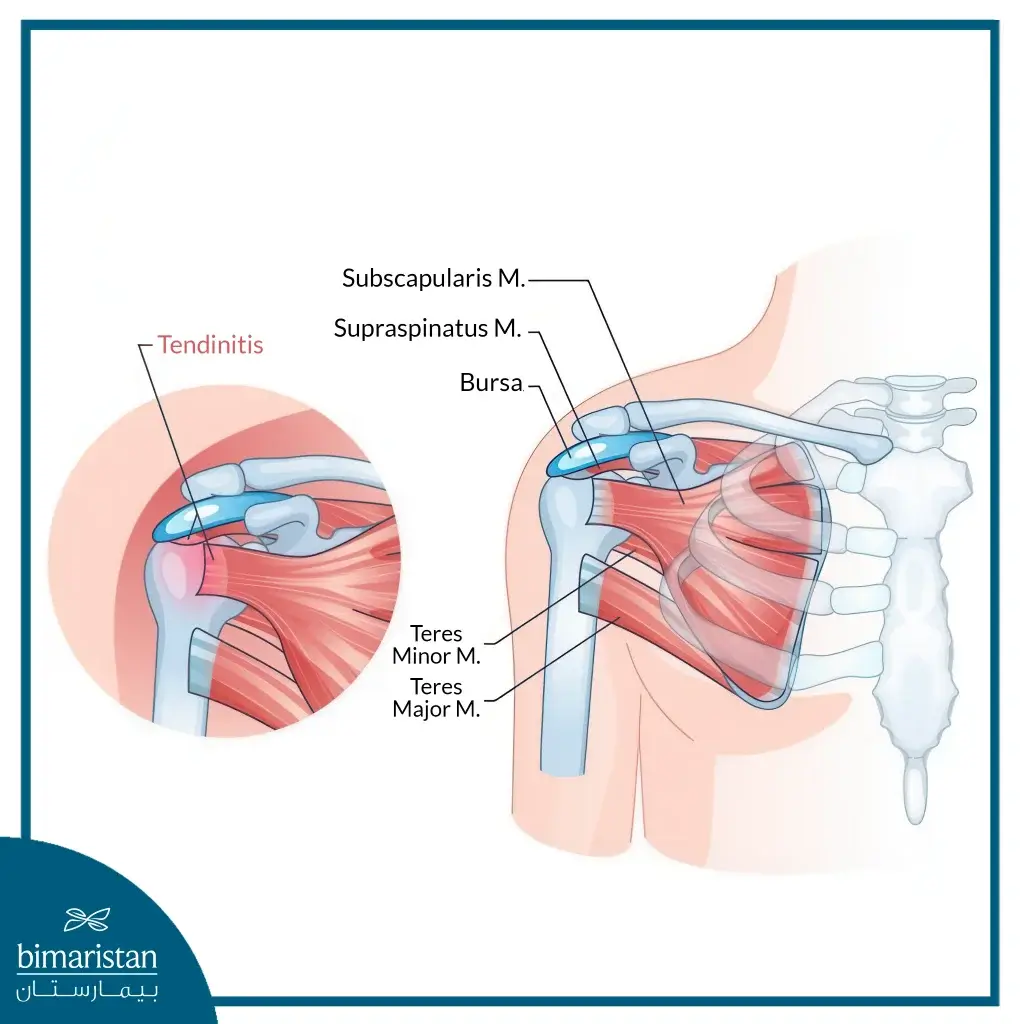
Overview of shoulder tendonitis treatment
Shoulder tendonitis often results from overuse of the shoulder joint or direct trauma, such as blunt injuries. It is particularly prevalent among athletes who frequently use overhead shoulder motions, including golfers and swimmers.
From a treatment perspective, shoulder tendonitis is generally a manageable condition that does not typically require surgery. Treatment primarily focuses on reducing pain and inflammation while maintaining the joint’s range of motion. However, surgical intervention may be necessary in severe cases that involve complications or risk to joint integrity.
Initial conservative treatment typically begins at home and includes rest and avoiding activities that strain the shoulder, especially sports or exercises that aggravate symptoms. Cold compresses, applied for 15–20 minutes three times a day, are recommended to reduce swelling. Arm slings may be used temporarily to immobilize the joint and facilitate healing by minimizing movement.
Shoulder tendonitis differs from shoulder bursitis in that tendonitis affects the rotator cuff tendons or the long head of the biceps tendon. In contrast, bursitis affects the bursa, which cushions the tendons and reduces friction during movement.
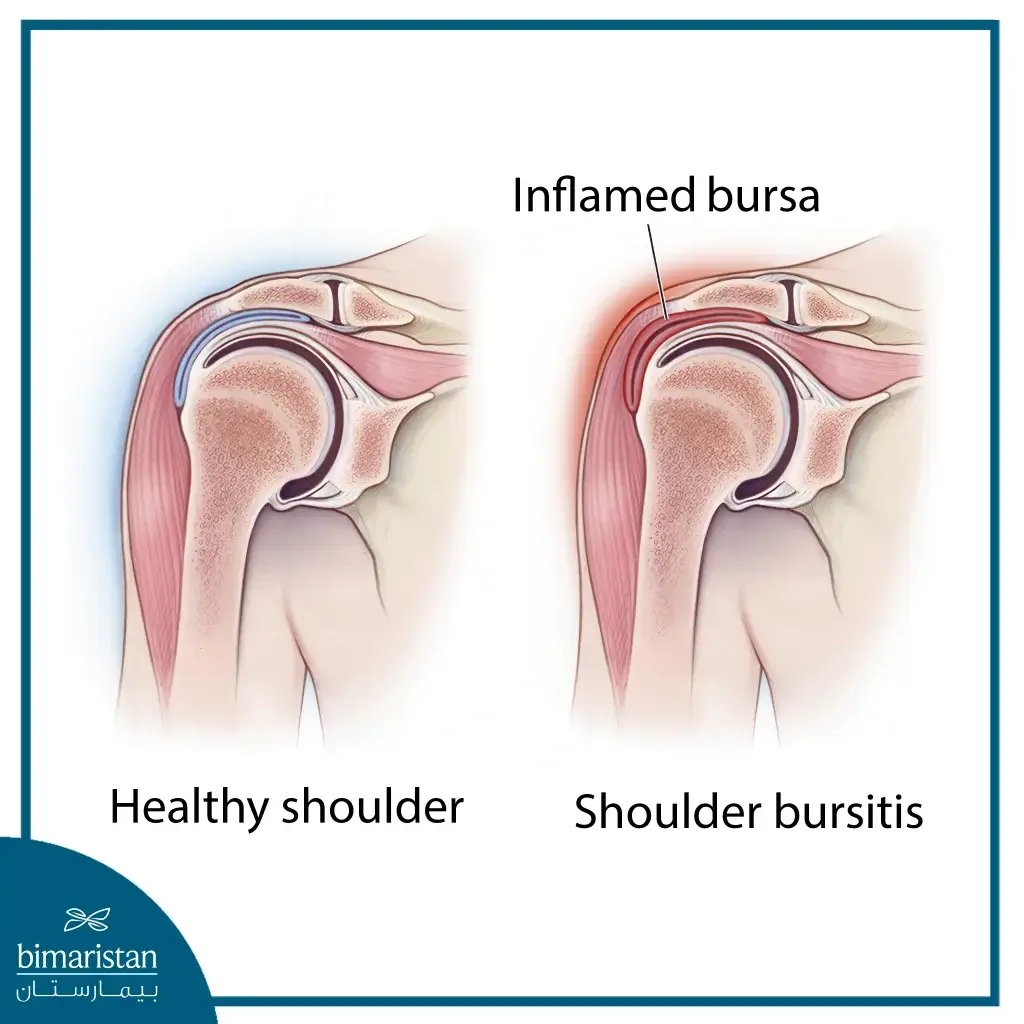
Causes of shoulder tendonitis
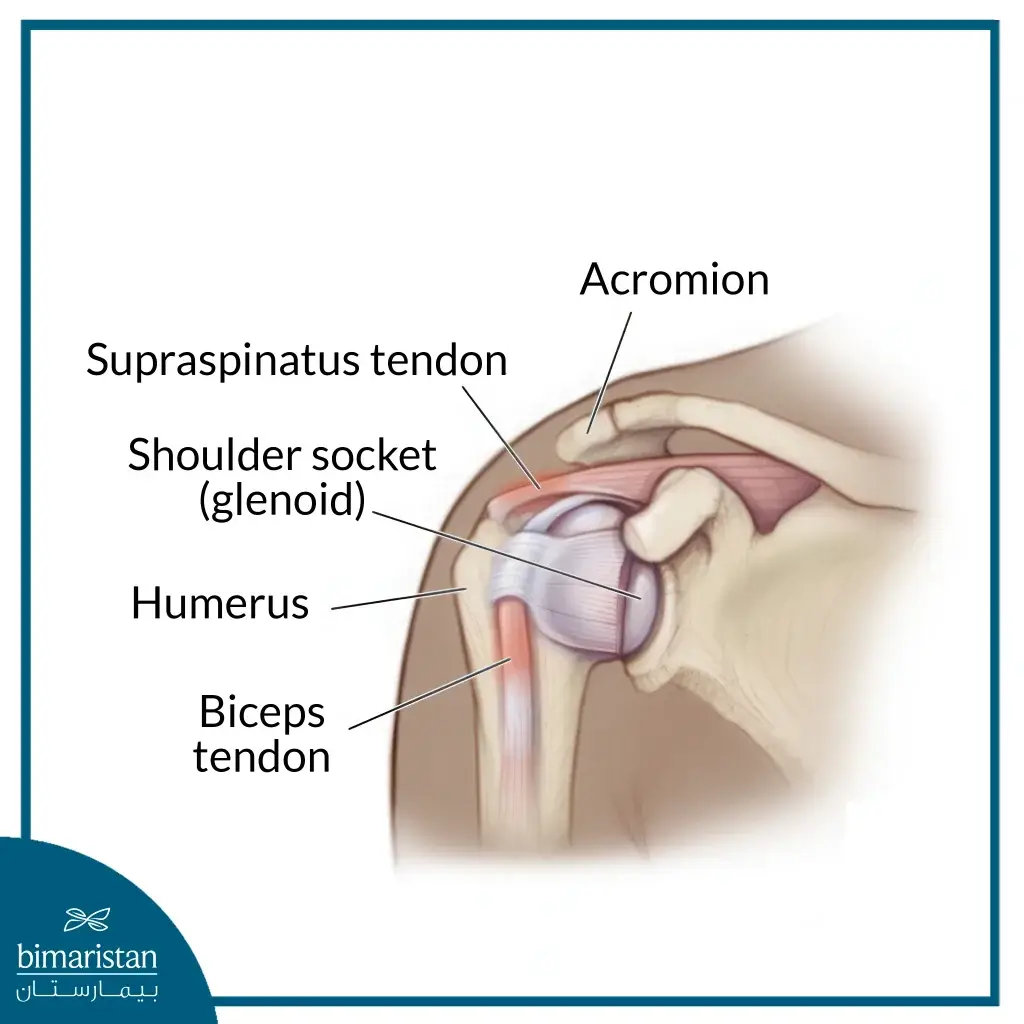
The condition most commonly arises from repetitive overhead motions and chronic shoulder stress, which lead to constant friction of the tendons—particularly the rotator cuff tendons—beneath the acromial arch during arm elevation. Primary causes include:
- Overuse: The most frequent cause, especially in athletes (e.g., swimmers, tennis players, baseball pitchers, weightlifters) and professionals with overhead arm movements (e.g., painters, construction workers).
- Poor technique: Especially in sports involving overhead motions, improper form increases tendon strain.
- Age-related degenerative changes: Tendons lose elasticity and strength as people age.
- Traumatic injuries: Such as falling on an outstretched arm or direct shoulder impact.
- Anatomical abnormalities: Like an acromion shape that causes tendon impingement (Impingement Syndrome).
- Weak surrounding muscles: Which place additional stress on the tendons.
Tendonitis typically develops gradually, starting with mild inflammation that can progress to partial or full-thickness tears if left unmanaged. Contributing factors include poor flexibility, weak musculature, and neglecting early symptoms.
Symptoms of shoulder tendonitis
Symptoms vary among individuals but generally range from mild stiffness to severe pain. They may include:
- Shoulder pain, especially during overhead arm movements or specific positions.
- Night pain, particularly when lying on the affected side, disrupts sleep.
- Weakness in the shoulder and difficulty maintaining arm positions.
- Mild swelling and tenderness upon palpation.
- A clicking or popping sound during shoulder movement.
- Gradual loss of range of motion, making tasks like brushing hair or dressing difficult.
In the early stages, pain may be mild and only occur during activity; however, as the inflammation worsens, pain can become persistent and sharp, especially in athletes who perform repetitive motions, such as throwing or swimming. Untreated tendonitis may progress to a rotator cuff tear, requiring urgent medical attention.
Prompt consultation with a healthcare provider is advised if symptoms persist or worsen, to ensure accurate diagnosis and timely treatment.
Pharmacological treatment for shoulder tendonitis
Medications play a vital role in alleviating symptoms by reducing pain and inflammation, as well as preventing complications. Standard pharmaceutical options include:
- Nonsteroidal anti-inflammatory drugs (NSAIDs), Such as aspirin and ibuprofen, are used to reduce swelling and pain.
- Corticosteroid injections: Intra-articular shoulder injections can significantly reduce inflammation and pain, especially in severe cases that do not respond to conservative treatments. However, due to potential side effects, repeated use is generally avoided.
- Topical anti-inflammatory agents, such as creams and gels like diclofenac (Voltaren), are applied directly to the affected area for localized relief.
- Analgesics: Paracetamol (acetaminophen) can be used for pain control when NSAIDs are not suitable, although it does not directly address inflammation.
Herbal and nutritional support for shoulder tendonitis
In mild, uncomplicated cases, herbal remedies may be used as adjuncts to medical and conservative treatments. A balanced diet that boosts immunity and reduces pro-inflammatory triggers is essential. Beneficial natural anti-inflammatory agents include:
- Ginger, turmeric, and cinnamon
- Leafy green vegetables like spinach
- Essential oils (e.g., peppermint and lavender) with anti-inflammatory and soothing effects when applied topically
Physical therapy and exercise-based management
Physical therapy plays a central role in rehabilitating the affected shoulder, aiming to strengthen the surrounding muscles, restore the functional range of motion, and prevent recurrence. Recommended exercises include:
- Pendulum swings.
- Passive arm elevation while lying down.
- Overhead arm stretches.
- Cross-body chest stretches in a lying position.
- Standing external rotation and internal rotation behind the back.
Surgical management of shoulder tendonitis
If conservative management fails—or in cases involving partial or complete tendon tears, persistent pain, or limited mobility—surgery becomes necessary. Surgical procedures may include:
- Bursectomy: Removal of the inflamed bursa
- Acromioplasty: Removal of part of the acromion to reduce pressure on the tendons
- Debridement and tendon repair: Cleaning and repairing damaged tendons
Two main surgical approaches are used:
- Arthroscopic Surgery: Shoulder arthroscopy is a modern technique that involves inserting specialized instruments through small incisions in the shoulder, using an arthroscope equipped with a camera to visualize the inside of the joint. This method offers faster recovery and less pain compared to traditional open surgery.
- Open Surgery: This approach involves making a relatively large incision at the front of the shoulder, allowing direct access to the shoulder tendons, particularly the rotator cuff. Open surgery, including shoulder replacement surgery, is typically used in complex cases or when joint replacement is necessary, or for managing chronic inflammation of the subacromial bursa.
Post-treatment recovery and prevention
Most mild cases treated conservatively heal within 6 to 12 weeks. Surgical cases may require 2 to 12 months for full recovery, depending on the severity and type of procedure. To prevent recurrence and the return of inflammation, the following guidelines are recommended:
- Avoid engaging in strenuous sports that may cause re-injury to the tendons.
- Resume physical activity gradually after completing treatment, and avoid rushing back into exercise too soon.
- Immediately stop any activity that causes shoulder pain, and consult a specialist as necessary.
- Adhere consistently to a physical therapy program to strengthen the shoulder muscles and maintain joint flexibility.
Final thoughts, the treatment of shoulder tendonitis relies on an integrated, evidence-based approach aimed at relieving pain and controlling associated inflammatory symptoms. Conservative management remains the cornerstone of therapy and includes rest, the use of anti-inflammatory medications and topical ointments, as well as select medicinal herbs that have been scientifically evaluated. Splints and braces may also be used to stabilize the shoulder joint when necessary, provided that imaging studies confirm the absence of tendon tears through precise radiological assessment.
Bimaristan Hospital has demonstrated remarkable excellence in the diagnosis and treatment of such conditions, thanks to its highly qualified team of specialized physicians and the availability of state-of-the-art diagnostic and therapeutic equipment. This has led to outstanding clinical outcomes and minimized the need for surgical intervention, which is reserved only for rare and complex cases. Post-inflammatory rehabilitation through physical therapy is a vital phase in restoring full shoulder mobility. At Bimaristan, this stage is given special attention through meticulously designed rehabilitation programs aimed at preventing recurrence and ensuring complete recovery.
This high standard of care positions Bimaristan as a trusted referral center for the management of tendonitis and a wide range of musculoskeletal conditions.
References: