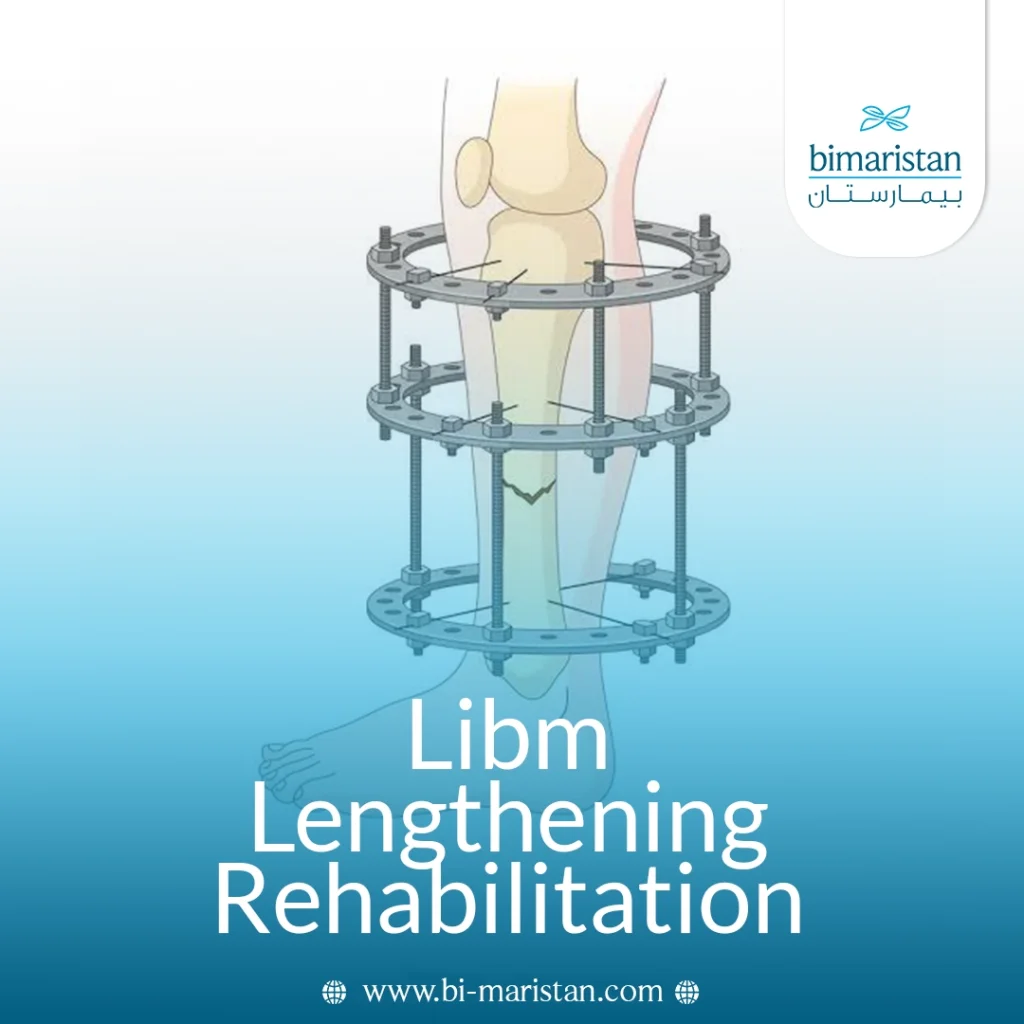
Limb lengthening surgery is an advanced medical procedure designed to increase bone length or correct deformities resulting from fractures or congenital conditions, such as limb length discrepancies. However, the success of the operation is not limited to surgery; it also depends heavily on adherence to a structured limb lengthening rehabilitation program. This rehabilitation program ensures restoration of natural movement in the bones and surrounding muscles and improves balance, thereby reducing complications such as joint stiffness or chronic pain.
The limb lengthening rehabilitation program includes progressive exercises aimed at strengthening the muscles surrounding the bones, improving joint flexibility, and restoring the ability to walk and perform daily activities safely. Commitment to the program also helps accelerate the healing process and promotes proper bone regeneration. It ensures that the patient regains independence and daily functional abilities in the best possible way, under close medical supervision to adjust the program as needed.
What is limb lengthening surgery?
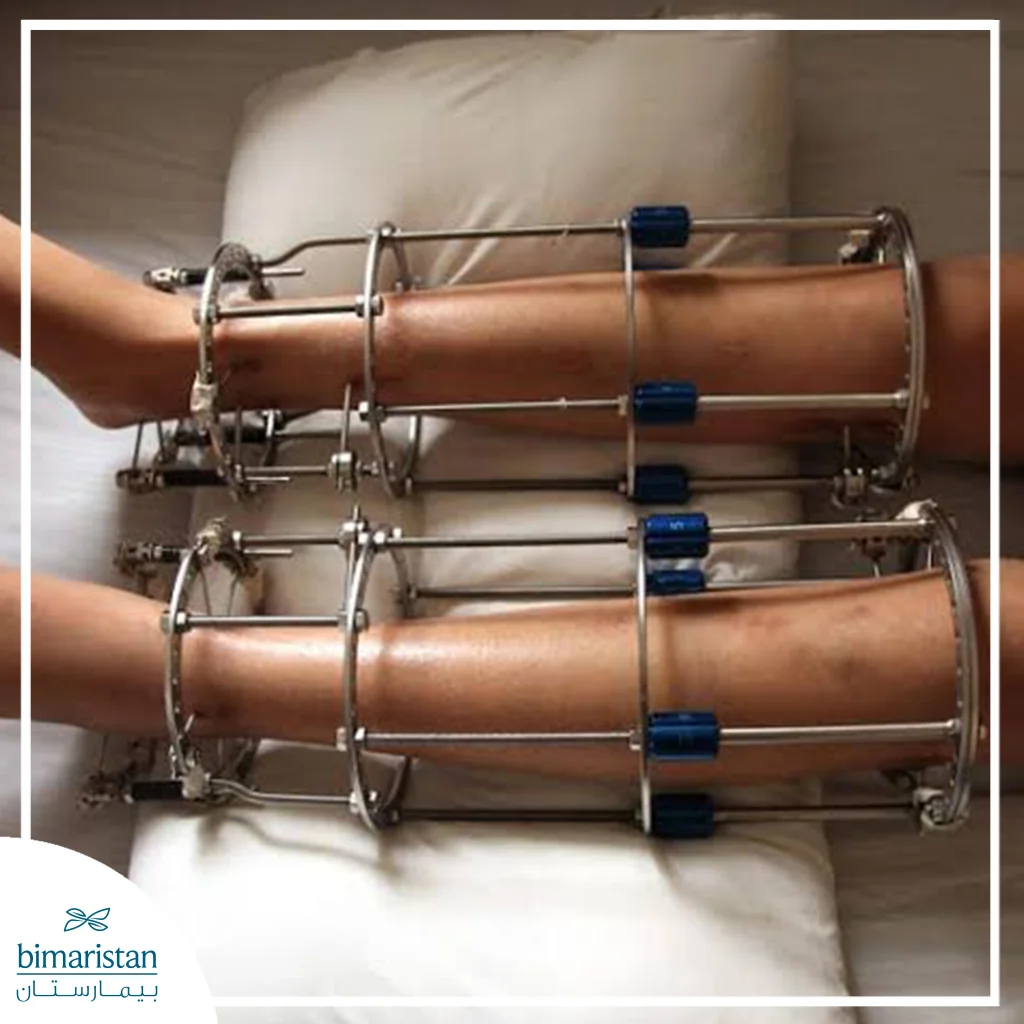
Limb lengthening surgery is a complex medical procedure aimed at increasing the length of a bone in the arm or leg, or both, by surgically separating the bone and then stimulating the body to form new bone in the gap between the separated segments. During the procedure, the surgeon cuts the bone and applies an external or internal lengthening device that allows gradual separation of the bone segments, enabling the body to build new bone tissue in the created space. This technique is used to treat limb-length discrepancies, congenital deformities, or defects resulting from prior fractures or growth disorders. It is considered an effective treatment option for restoring functional balance, improving gait, and enhancing performance in daily activities.
Limb lengthening surgery typically includes two main phases:
- Surgical phase: the bone is cut and stabilized with a lengthening device.
- Distraction (lengthening) phase: the patient or therapist adjusts the device to gradually increase the distance between the bone segments at a low daily rate, stimulating the body to produce new bone in the created gap.
This process improves the function of the affected limb and restores symmetry with the opposite limb, while full recovery requires careful medical monitoring and follow-up to ensure proper bone growth.
Causes for Limb Lengthening Surgery
There are several common reasons why a patient may require limb lengthening surgery to restore normal limb length, correct deformities, and improve motor function:
- Congenital limb length discrepancy: a clear difference in leg length that affects walking and balance.
- Poorly healed fractures: may lead to bone shortening or deformity.
- Congenital or acquired deformities: such as dwarfism or bone bowing.
- Growth deficiency or arrest during childhood: leading to limb asymmetry.
- Injuries or trauma affecting bones: resulting in limb shortening or deformity.
- Failure of previous surgery or prior bone correction: requiring re-adjustment of bone alignment.
- Cosmetic reasons or functional alignment improvement: in some cases to reduce functional limitations or improve overall balance.
Why is limb lengthening rehabilitation essential?
Rehabilitation after limb lengthening surgery is a fundamental part of the treatment process because it transforms surgical success into true functional recovery. It helps the patient gradually regain natural movement, strength, and mobility. After the lengthening phase, the body requires a structured rehabilitation program to support elongated muscles and surrounding joints, prevent joint stiffness and muscle weakness, and maintain tissue flexibility as new bone forms and consolidates safely.
Limb lengthening rehabilitation also enhances bone healing by gradually improving range of motion and regulating weight-bearing on the treated limb, in accordance with medical guidance. This supports strong integration of the new bone during the consolidation phase after lengthening. Without adherence to rehabilitation exercises and specialist instructions, walking recovery may be delayed, and the patient may experience complications such as muscle weakness or unstable gait, negatively affecting overall outcomes.
Stages of rehabilitation after limb lengthening surgery
After limb lengthening surgery, recovery is not limited to bone formation alone; it also strongly depends on a structured rehabilitation program aimed at restoring muscle strength, flexibility, and balance. The duration and exercises vary depending on the patient’s condition and the type of device used, but all programs generally follow several key stages:
Pain control and gradual limb mobilization
This stage focuses on reducing pain and swelling after surgery while gently mobilizing the limb under the supervision of physiotherapy. The patient uses assistive devices such as crutches or a cane during walking, and performs simple range-of-motion exercises to prevent joint stiffness and promote blood circulation to the surrounding tissues. The goal is to prepare muscles and joints for progressive movement and the growing bone without excessive stress, while ensuring close monitoring to avoid early complications.
Muscle strengthening and flexibility improvement
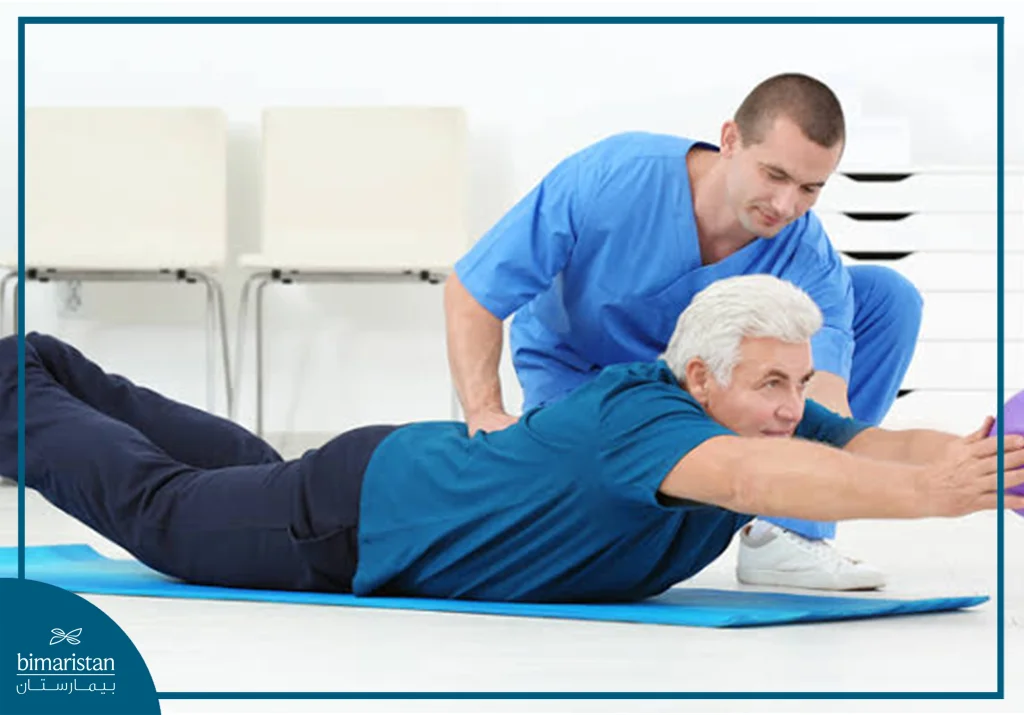
In this stage, the patient begins more advanced exercises to enhance muscle strength around the affected limb and improve joint flexibility. Exercises include light resistance training, balance exercises, and dynamic movement exercises under the supervision of a physiotherapist. This phase helps restore the ability to perform daily activities safely while preventing joint stiffness or muscle weakness during new bone formation.
Full mobility restoration and return to normal activity
The final stage focuses on advanced exercises that help the patient walk longer distances, climb stairs, and gradually return to sports or daily work activities. Advanced training for flexibility, strength, and balance is used to improve integration between the new bone, muscles, and joints. Adherence to this stage ensures complete recovery of the limb, restoration of normal function, and reduces the risk of long-term complications such as muscle weakness or difficulty walking.
Complications of not adhering to rehabilitation after limb lengthening surgery
Failure to follow a structured limb lengthening rehabilitation program after limb lengthening surgery can lead to several complications that negatively affect joint strength, muscle function, and overall mobility, including:
- Joint stiffness: loss of normal range of motion in the knee or leg due to prolonged immobility.
- Weakness of surrounding muscles: leading to difficulty walking and poor balance control.
- Delayed bone healing: the newly formed bone may take longer to fully consolidate.
- Chronic pain: persistent pain during movement or daily activities due to muscle weakness or joint stiffness.
- Difficulty walking or normal movement: reduced ability to perform daily activities safely and efficiently.
- Increased risk of injury: muscle weakness and instability raise the risk of falls or sprains.
- Psychological and social impact: frustration or anxiety due to slow recovery or reduced functional ability.
Important tips after limb lengthening surgery
After limb lengthening surgery, the following tips help ensure safe recovery and reduce complications while supporting the limb lengthening rehabilitation program:
- Use walking aids, such as crutches or a cane, to reduce pressure on the treated limb.
- Maintain proper positioning during sitting and sleeping: to prevent joint and muscle stiffness.
- Adhere to prescribed exercises: follow the daily rehabilitation program under physiotherapist supervision.
- Proper pain management: take prescribed medications to facilitate movement and comfort.
- Care for the surgical site and devices: keep the skin around pins or wires clean to prevent infection.
- Avoid sudden movements or excessive strain: protect the new bone from stress or injury.
- Balanced and healthy nutrition: consume protein, calcium, and vitamins to support bone growth and muscle recovery.
- Regular medical follow-up: monitor bone formation and adjust the rehabilitation program according to progress.
Advantages of limb lengthening rehabilitation in Turkey
Turkey has become a preferred destination for limb lengthening rehabilitation due to its advanced hospitals and specialized rehabilitation centers. These facilities provide a safe environment equipped with modern medical technology to strengthen muscles, improve mobility, and restore normal function after surgery. Key advantages include:
- Specialized centers: multidisciplinary teams of physicians and physiotherapists with extensive experience in rehabilitation programs.
- Advanced technology and equipment: modern devices that support safe movement training and muscle strengthening.
- Individualized programs: tailored rehabilitation plans based on each patient’s condition to ensure optimal outcomes.
- Continuous and close monitoring: daily progress tracking and adjustment of exercise intensity according to patient response.
- Affordable cost: high-quality medical care at lower costs compared to many European countries.
Limb lengthening surgery is a precise procedure that significantly increases bone length and corrects deformities resulting from fractures or congenital conditions. However, surgical success alone does not guarantee optimal results; it is closely dependent on adherence to a structured limb lengthening rehabilitation program. This program helps restore natural movement, strengthen surrounding muscles, and improve balance, thereby reducing complications such as joint stiffness or muscle weakness and enabling a safe and effective return to daily activities.
Turkey provides an ideal environment for patients through well-equipped centers and specialized rehabilitation teams that carefully monitor each stage of recovery. The Beimaristan Center offers individualized, comprehensive programs that ensure complete, sustainable recovery, with close monitoring of new bone formation and the restoration of normal limb function. Following post-operative instructions and rehabilitation guidelines is key to achieving successful outcomes and significantly improving quality of life.