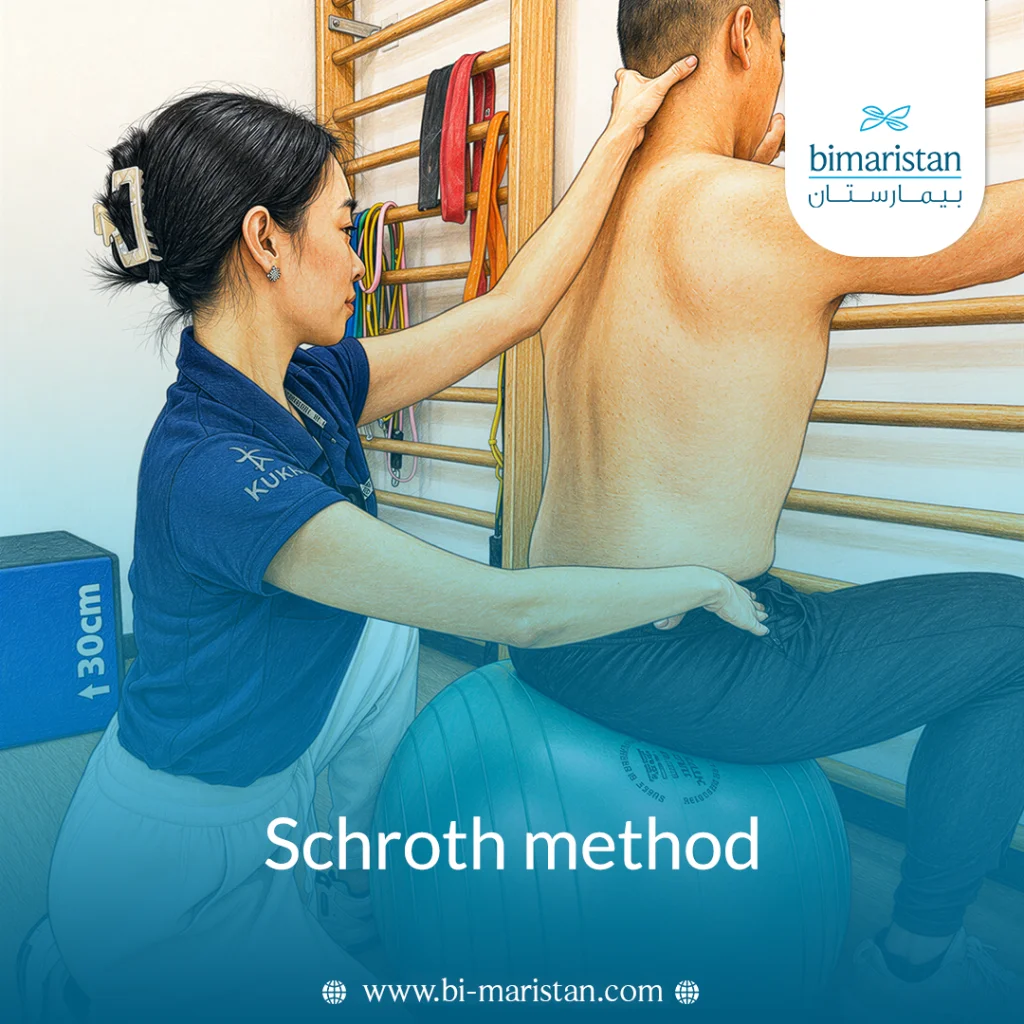
Scoliosis is a spinal disorder characterized by a three-dimensional curvature that affects the body’s shape, balance, and vital functions, and may impact posture, gait, and even respiratory efficiency. Early detection is crucial, as intervention in the early stages significantly reduces the progression of the curvature and improves quality of life in many cases, especially with the availability of advanced treatment centers in countries such as Turkey.
One of the most prominent modern physical therapy methods is the Schroth Method, a specialized treatment program based on three-dimensional exercises that are individually tailored to each patient according to the degree and type of curvature. This method aims to realign the spine and improve muscle balance and posture, while also focusing on breathing and body awareness, making it one of the most effective rehabilitation methods for scoliosis patients, especially in specialized treatment centers in Turkey that offer advanced programs for this type of therapy.
What is scoliosis?
Scoliosis is a curvature of the spine that causes the back to curve to one side, accompanied by vertebral rotation, leading to changes in body shape, posture, and overall balance. It may appear during childhood or adolescence, and sometimes develops gradually without obvious symptoms at first, leading to late detection in some cases. As it progresses, it can affect the muscles surrounding the spine and respiratory efficiency due to changes in the shape of the rib cage. Therefore, early diagnosis and medical follow-up are essential to determine the degree of curvature and develop an appropriate treatment plan that helps slow the progression of the condition and improve motor function.
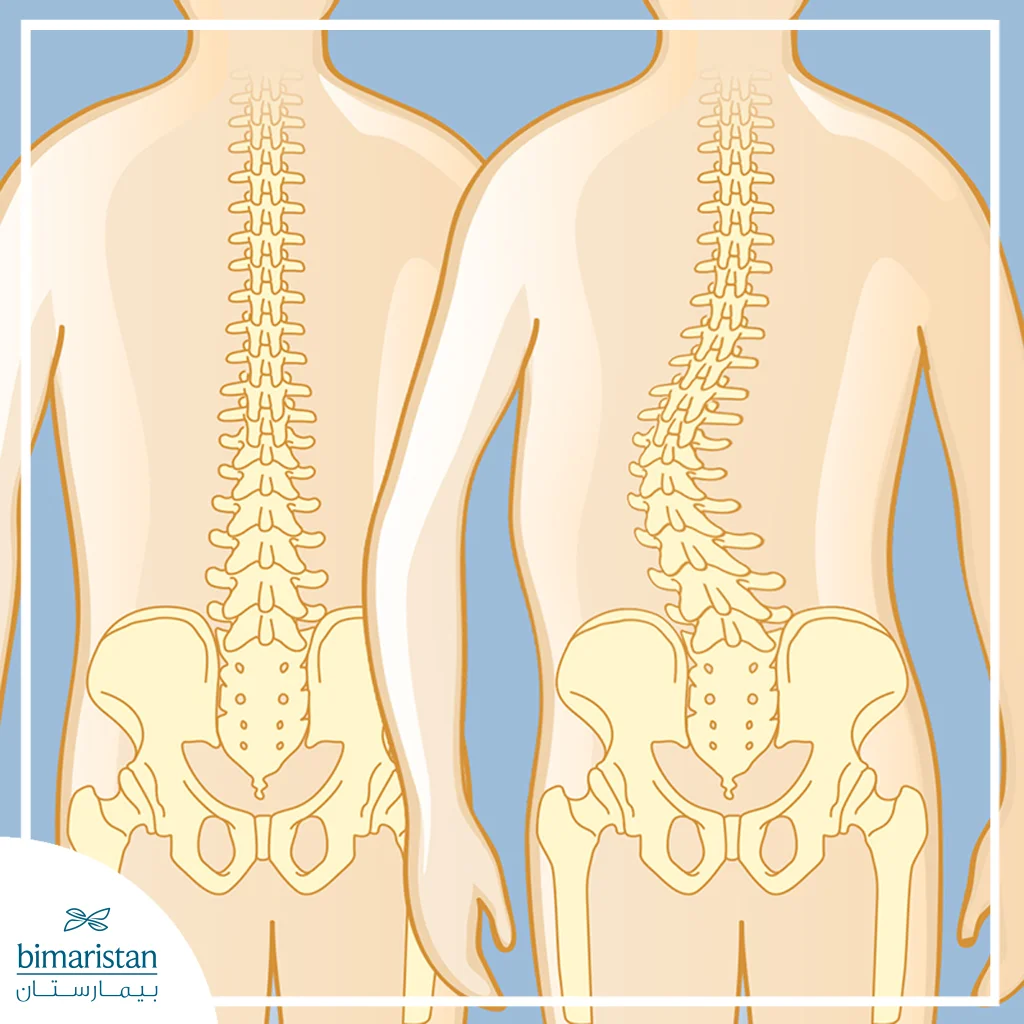
What are the degrees of scoliosis?
- Less than 10 points: This is considered a minor deviation that usually does not require immediate treatment; periodic follow-up is sufficient to monitor the condition’s progression.
- 10 to 20 degrees: It is generally recommended to begin therapeutic exercises, such as the Schroth method, with regular follow-up to control the curvature and prevent it from worsening.
- 20 to 40 degrees: This stage requires an intensive physical therapy program, such as Schroth, and is often supplemented by a medical brace to stabilize the spine.
- 40 to 50 degrees: This is considered an advanced stage, and surgical intervention may be considered, with physical therapy continuing as an adjunct before and after the procedure.
What is the Schroth method for treating scoliosis?
The Schroth method is a specialized physical therapy technique for treating scoliosis. It relies on therapeutic exercises individually tailored to each patient, based on the shape and degree of spinal curvature. This method aims to improve posture and reduce scoliosis by training the patient to consciously and continuously control their body position, not just during therapy sessions.
The Schroth method is unique in that it does not focus on a single aspect of treatment but rather combines spinal posture correction, muscle strengthening, and improved breathing to help gradually restore the body’s balance. It is also used as a non-surgical treatment option to slow the progression of scoliosis and improve the patient’s mobility and quality of life.
How does the Shrooth method work?
The Schroth Method is carried out through a specialized physical therapy program based on a precise assessment of spinal curvature using clinical examination and radiographic imaging, along with analysis of the degree of curvature, the pattern of spinal rotation, and their impact on the muscles, rib cage, and breathing. Based on this assessment, an individualized treatment plan is developed to correct the curvature, improve muscle balance, and gradually and safely retrain the body to maintain proper posture. The process involves the following steps:
- Clinical Assessment and Gait Analysis: Body posture is examined while standing, sitting, and moving to identify areas of muscle weakness and tightness and assess the impact of curvature on overall body balance and breathing.
- Designing a personalized treatment program: A customized exercise program is developed for each patient, focusing on correcting curvature in multiple directions, while identifying specific therapeutic positions to realign the spine and improve muscular stability.
- 3D correction exercises: Focus on lengthening the concave side of the curve, strengthening the convex side, and gradually reducing vertebral rotation, while training the patient to maintain the correction during movement.
- Rotational breathing: A therapeutic breathing technique used to direct air toward the lower regions of the rib cage, which helps improve chest shape, increase tissue elasticity, and reduce deformities.
- Postural retraining: The patient is taught to maintain proper posture during daily activities, such as sitting, standing, and walking, to help sustain treatment results.
- Use of therapeutic mirrors: Mirrors help patients see their posture during exercise, enhancing body awareness and enabling immediate correction of mistakes.
- Core exercises: These are designed to strengthen the deep muscles that support the spine, helping maintain the correction and reducing the likelihood of the curvature returning.
- Daily functional training: This involves applying corrective principles to everyday activities such as sitting, working, and moving to make the treatment a permanent part of one’s lifestyle.
- Follow-up and periodic reassessment: Progress is continuously monitored, and the treatment plan is adjusted based on the patient’s response to ensure the best possible outcomes.
The Difference Between the Schroth Method and Traditional Physical Therapy
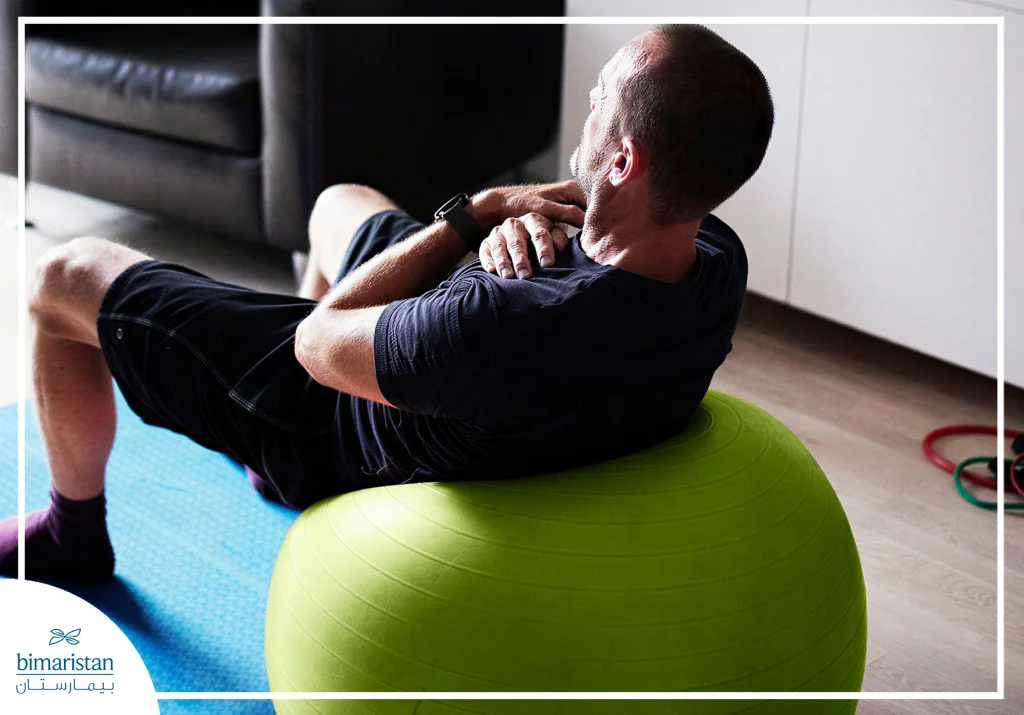
The Schroth Method differs from traditional physical therapy in that it is a specialized treatment program specifically designed for scoliosis. It relies on an individualized assessment of each patient and the design of corrective exercises that directly target spinal curvature, with a focus on restoring three-dimensional balance rather than merely improving overall muscle strength.
Traditional physical therapy, on the other hand, often focuses on strengthening muscles, improving flexibility, and reducing pain in general, without specifically targeting the pattern of spinal curvature or rotation. Therefore, the Schroth method is considered more specialized for scoliosis, as it combines postural correction, therapeutic breathing, and body awareness to achieve more stable long-term results.
Results of Treatment Using the Schroth Method
The Schroth method yields positive treatment outcomes that vary depending on the severity of the scoliosis and the patient’s adherence to the treatment program, including:
- Improving spinal alignment: Treatment helps reduce the degree of curvature, stabilize the condition, and prevent its progression, especially in the early stages.
- Improved muscle balance: Helps restore balance between weak and tight muscles around the spine, promoting proper posture.
- Reduces pain and muscle strain: It relieves pressure on the spine and surrounding muscles, thereby reducing daily pain and muscle strain.
- Improved breathing and chest wall mobility: Therapeutic breathing helps increase chest wall flexibility and improve lung function.
- Improved overall posture: Enhances the patient’s body awareness, helping them maintain proper posture while sitting and standing.
- Reducing the need for surgery: In some cases, adhering to treatment may help avoid or delay surgery.
How long does treatment with the Schroth method take?
The duration of treatment with the Schroth method varies from patient to patient, depending on the severity of scoliosis, the patient’s age, spinal flexibility, and the degree of adherence to daily exercises. In general, it is not possible to specify a fixed duration for everyone, as treatment depends on an individualized program adjusted to the progression of the condition and the body’s response.
Initial sessions typically begin with an intensive phase lasting several weeks, during which the patient learns basic exercises, breathing techniques, and postural correction. This is followed by a maintenance phase that may last several months, focusing on home exercises with periodic sessions to review progress and adjust the treatment program. In chronic or advanced cases, treatment may be extended to maintain results and prevent the curvature from worsening.
Why is Turkey a good option for treating scoliosis using the Schroth method?
Turkey is considered a premier destination for scoliosis treatment using the Schroth method, thanks to advances in its physical therapy centers and the availability of specialized spinal rehabilitation programs. Among the main reasons are:
- Specialized centers: Shrooth offers professional scoliosis treatment programs.
- Trained professionals: Precise execution of exercises in accordance with international standards.
- Individualized treatment plan: Treatment is tailored to each patient’s degree of curvature.
- Affordable: Lower prices than in many other countries, with high quality.
- Modern Techniques: Utilizing state-of-the-art equipment to support physical therapy.
- Regular follow-up: Ongoing assessment of the patient’s progress and adjustment of the treatment plan.
Scoliosis is a condition that requires close monitoring and early treatment to prevent the curvature from progressing and affecting the body’s shape and vital functions. The Schroth Method stands out as one of the most important specialized physical therapy approaches, relying on individualized exercises, postural correction, and therapeutic breathing to gradually and safely improve muscle balance and spinal stability.
With access to advanced treatment centers and specialized expertise, significant positive outcomes can be achieved, particularly when patients adhere to the treatment program and attend regular follow-up appointments. Therefore, starting treatment early and choosing the right center play a key role in improving quality of life and reducing the need for future surgical intervention.
Sources: