
Eczema is a common, chronic skin condition characterized by dryness, itching, and inflammation, which can significantly impact a patient’s quality of life. While topical treatments are effective in many cases, some patients require systemic or biologic medications to control symptoms and prevent flare-ups. Medication-based eczema treatment aims to reduce inflammation, soothe itching, improve skin appearance, and minimize disease-related complications, taking into account the condition’s severity and the patient’s response to therapy.
What is eczema?
Atopic dermatitis (eczema) is a common, chronic inflammatory skin condition that causes dryness, intense itching, and irritation. Although it is most prevalent among young children, it can affect individuals of any age. The condition is characterized by prolonged periods of inflammation (chronicity) and may experience occasional flare-ups. While bothersome, it is not contagious. Individuals with eczema are also at a higher risk of developing food allergies, hay fever, and asthma. Eczema has several types, each with distinct triggers that affect the skin’s barrier function. Medication helps manage itching and inflammation through topical, systemic, and biologic therapies, tailored to the severity of the condition, to improve the patient’s quality of life.
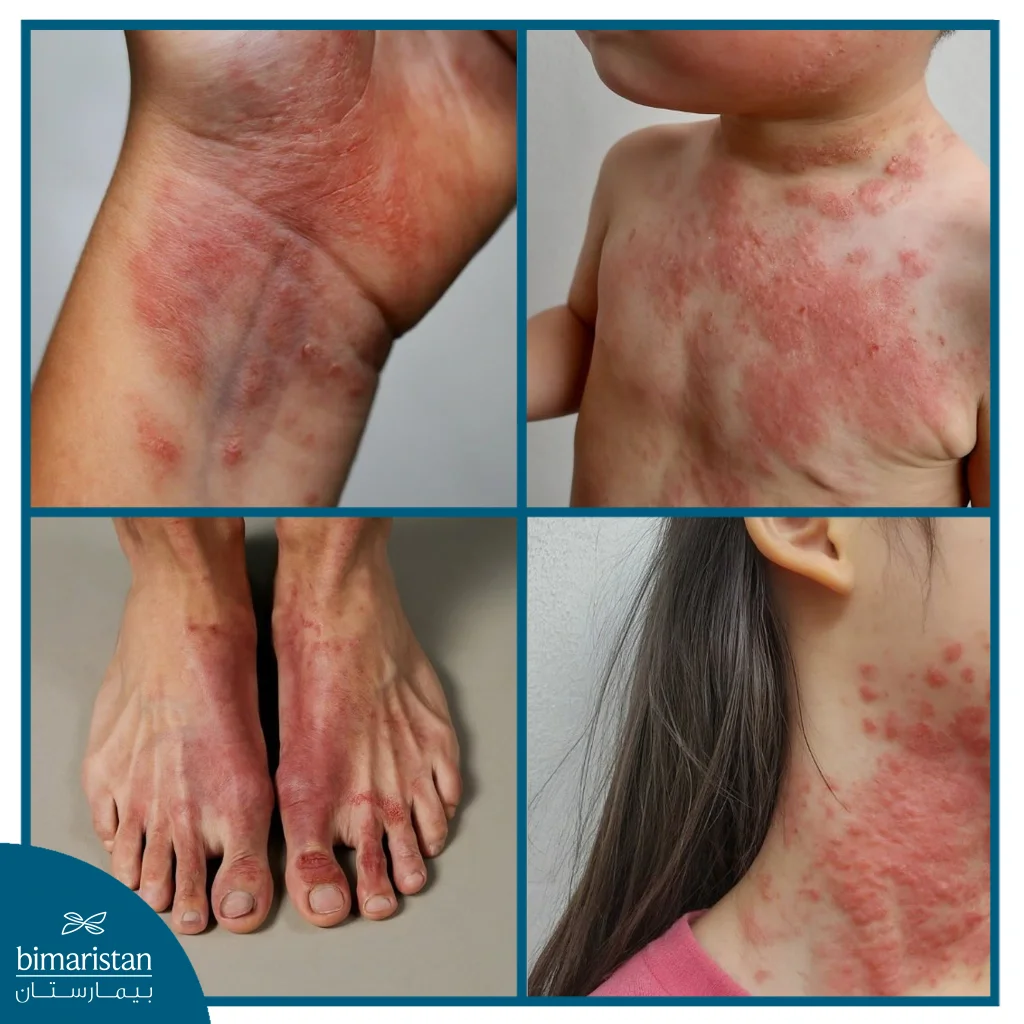
Eczema treatment with medications
Medical treatment of eczema includes several medications, including:
Cyclosporine
Cyclosporine is an oral immunosuppressive medication used to treat severe eczema that does not respond to topical treatments. It helps control symptoms and reduce the need for other medications. It works by suppressing the production of inflammatory cytokines, thereby reducing inflammation and itching. Noticeable improvement usually occurs within 1–2 weeks and may continue for up to 12–16 weeks. It is prescribed for adults and adolescents over 16 years of age, and for some children under medical supervision. It is not suitable for mild cases or for patients with severe infections or certain types of cancer.
Side effects and monitoring
High blood pressure, impaired kidney function, increased cholesterol levels, increased hair growth, gum enlargement, nausea, tremor, and numbness in the extremities. Kidney function and blood pressure should be monitored regularly.
Baricitinib
Baricitinib is an oral medication used to treat moderate to severe eczema in adults. It works by calming the immune system and reducing inflammation and itching, with noticeable improvement usually seen within the first 8 weeks. It is prescribed for adults with moderate to severe eczema who have not responded to other systemic treatments or cannot tolerate them. Its use should be limited to patients under the care of specialist dermatologists. One tablet is taken once daily (2 or 4 mg), with or without food. Patients are reviewed after 8 and 16 weeks to assess their response. Treatment is continued as needed and is used alongside moisturizers and topical corticosteroids.
Side effects and risks
There is an increased risk of infections, such as colds, urinary tract infections, and herpes. Other possible effects include increased cholesterol and skin sensitivity. Serious complications such as blood clots, heart problems, or cancer may occur in people with specific risk factors.
Azathioprine
Azathioprine is an immunosuppressive medication (antimetabolite) taken orally to treat severe eczema that is resistant to conventional topical treatments. Although it is not officially licensed for eczema and is used “off-label,” it can be effective in controlling inflammation and reducing the need for oral steroids. Noticeable improvement usually occurs 2–3 months after starting treatment. The medication works by affecting the growth of a type of white blood cell called lymphocytes, which are involved in inflammation, thereby reducing the inflammatory response associated with eczema.
It is prescribed for adults and older children with severe eczema that has not responded to topical treatments, under the supervision of a dermatologist. It is available as 25 mg and 50 mg tablets. The dose is calculated according to body weight, usually starting at 2 mg/kg per day, with gradual adjustment according to the patient’s response. The dose can be divided throughout the day if side effects such as nausea occur.
Side effects and monitoring
- Long-term use may increase the risk of skin cancer or lymphoma, so sun protection is recommended
- The most important adverse effect is bone marrow suppression, which may lead to anemia and an increased risk of infection
- It may cause liver problems, so regular blood tests are performed to monitor liver function and bone marrow
- Other side effects include nausea, diarrhea, loss of appetite, hair loss, and increased drug sensitivity resembling flu-like symptoms
Abrocitinib
Abrocitinib is an oral medication used to treat moderate to severe eczema in adults and children aged 12 years and older. It works by calming the immune system and reducing inflammation and itching associated with eczema. It is prescribed for adults and children ≥12 years with moderate to severe eczema who have not responded to other systemic treatments such as azathioprine, cyclosporine, methotrexate, or mycophenolate. Caution should be exercised in people aged ≥65 years and those at high risk of cardiovascular disease or cancer, as well as former smokers.
One tablet is taken once daily, with or without food. Available doses include 50, 100, and 200 mg. The usual dose is 100–200 mg for adults and 100 mg for children ≥12 years and people ≥65 years. The dose may be adjusted according to treatment response and the patient’s health status, such as in cases of kidney problems. Treatment is continued according to the patient’s response. If there is no improvement after 12 weeks, treatment may be discontinued.
Side effects and monitoring
Side effects include nausea, cold sores, headache, dizziness, vomiting, abdominal pain, acne, and shingles. The medication increases the risk of infection, and regular blood tests should be performed to monitor blood counts and liver function. Caution is advised in older adults and people at high risk of cardiovascular disease or cancer. The skin should be monitored for any changes that could indicate skin cancer.
Dupilumab
Dupilumab is a biologic treatment used for moderate to severe eczema in adults and children aged 6 months and older. It targets specific proteins in the immune system to regulate the inflammatory response without completely suppressing the immune system. It is given by subcutaneous injection. It is prescribed for adults and children aged 12–17 years with moderate to severe eczema, and for children aged 6 months–11 years with severe eczema. It is generally used when conventional immunosuppressive medications are ineffective or cannot be tolerated.
The injection is administered every two weeks for adults and children aged 12 years and older, and every four weeks for children aged 6 months to 11 years. Adults begin with a loading dose of 600 mg, followed by 300 mg every two weeks. After appropriate training, injections can be given at home, alternating injection sites between the thigh and abdomen.
The medication should be stored in a refrigerator at a temperature of 2–8°C and should be allowed to reach room temperature before being injected. It is important not to shake the injection. Treatment is ongoing and not limited to a specific duration. Patients will be reviewed after 16 weeks to assess treatment effectiveness; if it has not been effective by then, treatment may be discontinued.
Risks and side effects
- Eye conditions include conjunctivitis, dry eyes, blepharitis, and infections
- Other effects may include cold sores, injection site reactions, joint pain, and elevated eosinophil levels
- A doctor should be contacted immediately if any eye problems or severe allergic reactions occur
Methotrexate
Methotrexate is an immunosuppressive medication used to treat severe eczema that does not improve with topical steroids, moisturizers, or topical calcineurin inhibitors. It reduces the activity of immune cells that drive skin inflammation, thereby reducing redness, itching, and swelling. It is also used to treat other inflammatory conditions such as psoriasis and rheumatoid arthritis. It should be taken under the supervision of a specialist, usually a dermatologist. Methotrexate has been used to treat eczema for more than 40 years.
It is used in severe cases affecting large areas of the skin or cases that do not respond to topical treatments. Studies show that about 40% of patients achieve a 50% improvement after 12 weeks of treatment. It is taken once weekly, either as tablets or as a subcutaneous injection. Treatment usually starts with a low dose (5 mg/week), which is gradually increased to 15–20 mg/week depending on the patient’s response and side effects. Tablets are available in 2.5 mg and 10 mg strengths. The correct dose should always be confirmed with the doctor or pharmacist. It can also be taken as a solution, if appropriate.
Side effects
- Common and mild: nausea, mouth ulcers, skin rash, diarrhea, injection-site reactions, and gradual hair loss.
- Potentially serious: changes in liver function, reduced white blood cell counts, lung problems, increased risk of infection, and rare instances of liver fibrosis, especially in patients with diabetes, obesity, or prior liver issues.
- Some side effects can be reduced by taking folic acid during treatment.
Medical monitoring
- Before starting treatment: blood tests (complete blood count, liver and kidney function), viral screening (hepatitis B, hepatitis C, and HIV), and a check for immunity to chickenpox.
- During treatment: regular blood tests to monitor blood counts, liver function, and kidney function.
- It is important to attend all appointments and not miss monitoring tests, as the dose may need to be adjusted or the medication stopped if abnormal results occur.
Important advice
- Missed dose: it can be taken the following day or within a maximum of two days.
- Vomiting after a dose: consult your doctor before taking another dose.
- Alcohol: avoiding alcohol is recommended to reduce the risk of liver damage.
- Pregnancy and breastfeeding: methotrexate is contraindicated during treatment and for 6 months after stopping it. Reliable contraception should be used.
- Surgery and dental procedures: consult your doctor about temporarily stopping the medication.
- Vaccinations: most vaccines are safe, but consult your doctor before receiving vaccinations, including those required for travel.
Upadacitinib
Upadacitinib is a medication used to treat moderate to severe atopic eczema in adults and children aged ≥12 years. It is taken orally as tablets and works by calming the immune system and reducing inflammation and itching. It is intended for people ≥12 years with moderate to severe eczema who require systemic treatment, particularly after conventional immunosuppressive treatments have failed or cannot be tolerated. Caution is advised in people ≥65 years and those at high risk of cardiovascular disease or cancer, as well as former smokers, because of the increased risk of certain complications.
It is taken once daily, with or without food, and is available in 15 mg and 30 mg doses. A dose of 15 mg daily is recommended for children ≥12 years and adults ≥65 years. Ongoing medical monitoring is recommended, including blood tests for liver function, blood counts, lipid levels, and tuberculosis screening before starting treatment. Treatment is ongoing rather than limited to a specific duration. If there is no improvement after 12 weeks, treatment may be discontinued. Moisturizers and topical steroids can be used alongside it, and combining upadacitinib with topical steroids can be effective in improving symptoms.
Risks and side effects
- Common symptoms include mild respiratory tract infections, acne, cold sores, headache, nausea, abdominal pain, variations in white blood cell counts, and elevated CPK levels
- Special caution is required in people ≥65 years or those at increased cardiovascular or cancer risk
- The skin should be monitored regularly for any new growths or changes in moles
- Grapefruit should be avoided during treatment to reduce the risk of increased drug levels in the body
- Seek medical advice immediately if serious symptoms develop, such as a painful blistering rash, difficulty breathing, swelling of the face or throat, chest pain, or acute neurological symptoms
Tralokinumab
Tralokinumab is a medication used to treat moderate to severe atopic eczema in adults and children aged ≥12 years. It is a monoclonal antibody that targets a specific protein involved in regulating the immune response. It is available as a subcutaneous injection and works by reducing inflammation and itching. It is intended for people aged ≥12 years with moderate to severe eczema who require systemic treatment, have failed to respond to conventional immunosuppressive medications, cannot tolerate them, or for whom these medications are unsuitable. Treatment is ongoing rather than limited to a specific duration, and effectiveness is assessed after 16 weeks. If there is not enough improvement, treatment may be discontinued.
Can moisturizers and topical steroids be used with Tralokinumab?
- Yes, it is recommended to continue using moisturizers and topical steroids
- Using topical steroids alongside tralokinumab provides sustained improvement in symptoms
Risks and side effects
- Common side effects include conjunctivitis or eye irritation, upper respiratory tract infections, reactions at the injection site, and increased levels of eosinophils in the blood
- Before beginning therapy, any parasitic infections should be treated
- Emergency symptoms to watch for include severe allergic reactions, eye pain or changes in vision, and swelling of the face, mouth, or throat
Prednisolone
Prednisolone is a commonly used oral steroid in the UK. It is used to treat severe eczema and to prevent organ rejection after transplantation. It differs from topical steroids and anabolic steroids and is used only for short periods because of its side effects. In eczema, it rapidly reduces redness, oozing, and itching.
Prednisolone is used to manage acute, severe eczema flare-ups and is beneficial in cases of acute allergic eczema (such as a reaction to hair dye) or dyshidrotic hand eczema. In adults, the usual dose is 20–30 mg once daily in the morning, although higher doses may be required depending on the condition. It should not be used long-term because of the risk of rebound flares and side effects. In children, it may sometimes be used off-label with gradual dose reduction.
Who should avoid prednisolone?
- People with a history of:
- Stomach ulcers
- Osteoporosis
- Mental health disorders
- Diabetes
- High blood pressure
Side effects
Short-term:
- Weight gain is the most common
- Mood changes, including euphoria, depression, or psychosis
- Fluid retention, easy bruising, and muscle weakness
Long-term:
- Osteoporosis
- Growth problems in children
- Cataracts
- Stomach ulcers
- Increased risk of infection due to immune suppression
It is important not to stop the medication suddenly if it has been used for a long time, as this can suppress the adrenal glands’ ability to produce natural steroids. Gradually reduce the dose to 5 mg, then perform a Synacthen test to assess adrenal function.
Topical steroids for the treatment of eczema
Topical steroids are hormones applied to the skin to reduce inflammation, itching, warmth, and redness, but they do not permanently cure eczema. They are available as creams, ointments, lotions, gels, foams, shampoos, or medicated tapes, and have been used to treat eczema flares for more than 70 years. They work best when used together with moisturizers, which hydrate and protect the skin. In some cases, moisturizers alone may be enough to control eczema. Most people need to use topical steroids for short periods, depending on the severity of the condition, the patient’s age, and the affected area.
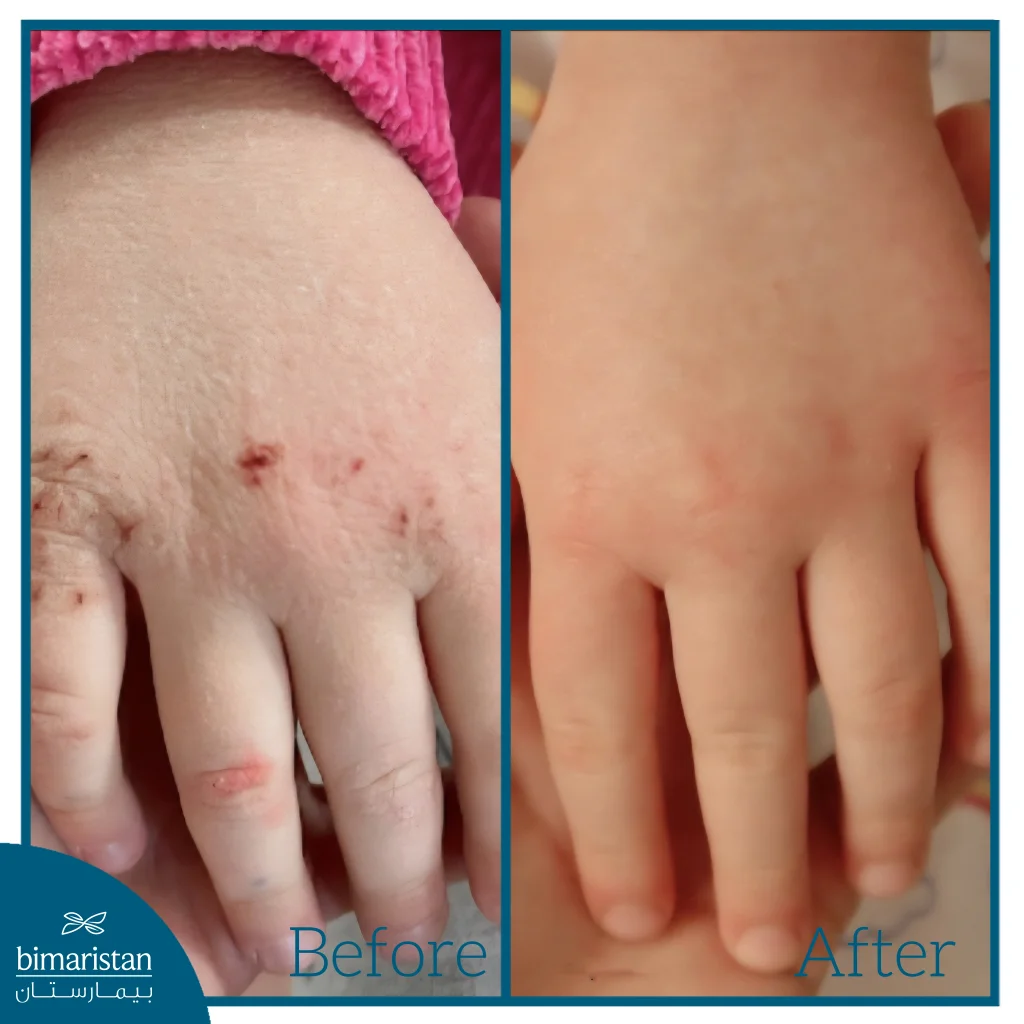
Classification of topical steroid potency
- Low potency: such as hydrocortisone.
- Moderate potency: such as methylprednisolone and triamcinolone.
- High potency: such as betamethasone and mometasone.
- Very high potency: such as clobetasol.
- Potency depends on the medication’s ability to reduce inflammation and its effect on blood vessels.
- The choice of potency depends on:
- Age: children are generally treated with mild or moderate preparations.
- Severity of eczema: stronger preparations may be used during flares.
- Location: thick skin, such as the palms and soles, requires stronger preparations, while thin skin, such as the face and genital area, requires weaker preparations.
- The size of the affected area and whether other treatments, such as dressings, are being used.
The steroid should be applied once or twice daily until the inflammation and itching disappear. This may take anywhere from several days to 6 weeks, depending on the condition. Moisturizers are recommended 15 minutes after applying the steroid to help hydrate and protect the skin. In some cases, wet wraps can be used to increase medication absorption, but caution is needed because this may increase steroid absorption and lead to skin infections.
It is important to wash your hands after applying the steroid, unless the treatment is being applied to eczema on the hands. The medication should not be shared with others, and the expiry date should be respected to ensure its effectiveness and safety.
Safety of topical steroids
- They are safe when used for short periods and applied only to areas affected by eczema
- Side effects are related to the potency, treatment area, skin condition, and the user’s age
- Possible side effects include:
- Skin thinning, visibility of blood vessels, loss of elasticity, stretch marks
- Increased growth of fine hair, rash around the mouth
- Effect on the adrenal glands with long-term absorption (rare)
- Rare allergic reactions to the medication or additives
- Topical steroid withdrawal (TSW) may occur after suddenly stopping long-term use and can be worse than the original condition
- Daily moisturizer use reduces the need for steroids and lowers associated risks
Topical Calcineurin Inhibitors (TCIs)
These topical medications treat atopic eczema in adults and children. They work by blocking calcineurin, a protein involved in the inflammation and itching associated with eczema. The main types are:
- Tacrolimus: for moderate to severe eczema, available in 0.03% and 0.1% concentrations.
- Pimecrolimus: for mild to moderate eczema, starting from 3 months of age.
They can be used to treat flares or prevent them, either as an alternative to or alongside topical steroids.
These medications are prescription-only and are generally used after trying topical steroids. They are applied to affected areas, particularly thin-skinned areas such as the face, eyelids, skin folds, and external genital skin. They can be used to treat flares or for maintenance. They are usually applied twice daily during flares or twice weekly for maintenance. Treatment may last up to 6 weeks, with dosing depending on age:
- Adults ≥16 years: Protopic 0.1% twice daily for up to 6 weeks, followed by twice-weekly maintenance.
- Children 2–15 years: Protopic 0.03% twice daily for the first 3 weeks, then once daily until the skin clears, followed by maintenance as needed.
- Elidel: twice daily for flares, followed by twice-weekly maintenance.
Summary of eczema treatment with medications
| Medication | Type of eczema treated |
|---|---|
| Cyclosporine | Severe atopic dermatitis |
| Baricitinib | Moderate to severe atopic dermatitis |
| Azathioprine | Severe atopic dermatitis resistant to topical treatments |
| Abrocitinib | Moderate to severe atopic dermatitis ≥12 years |
| Dupilumab | Moderate to severe atopic dermatitis in adults and children ≥6 months |
| Methotrexate | Severe atopic dermatitis unresponsive to topical treatments |
| Upadacitinib | Moderate to severe atopic dermatitis ≥12 years |
| Tralokinumab | Moderate to severe atopic dermatitis ≥12 years |
| Prednisolone | Acute and severe eczema flares (any type) |
| Topical steroids | All types of eczema during flares |
| Topical calcineurin inhibitors (TCIs) | Atopic dermatitis, as an alternative to or in combination with topical steroids |
In conclusion, eczema treatment with medications is an important option for patients whose condition cannot be adequately controlled with topical treatments alone. A wide range of medications is available, including immunosuppressants, biologic therapies, and steroids. Selecting appropriate medication is a personalized process influenced by the patient’s age, severity of the condition, and their response to treatment. To achieve the best possible results while minimizing side effects, treatment should be carried out under the supervision of a specialist who can determine the most appropriate treatment plan for each patient.
المصادر: