
Cognitive Behavioral Therapy for Insomnia (CBT-I)
Cognitive Behavioral Therapy (CBT) as a treatment for insomnia in Turkey includes various techniques aimed at reducing anxiety and helping the patient sleep. These techniques include:
Relaxation Therapy
The goal is to help individuals with insomnia identify and control sources of anxiety and tension. Patients are taught how to regulate themselves and their thoughts to reduce misconceptions about the risks of sleep deprivation.
Stimulus Control Therapy
This involves associating the bed with sleep only. Individuals should go to bed when feeling sleepy and avoid engaging in any other activities in bed. If unable to sleep, they should get up until they feel sleepy again.
Sleep Restriction Therapy
This involves going to bed and getting up at specific times, even if sleep is difficult. When the individual adapts to sleeping at these times, the sleep duration is gradually increased to achieve the optimal sleep duration.
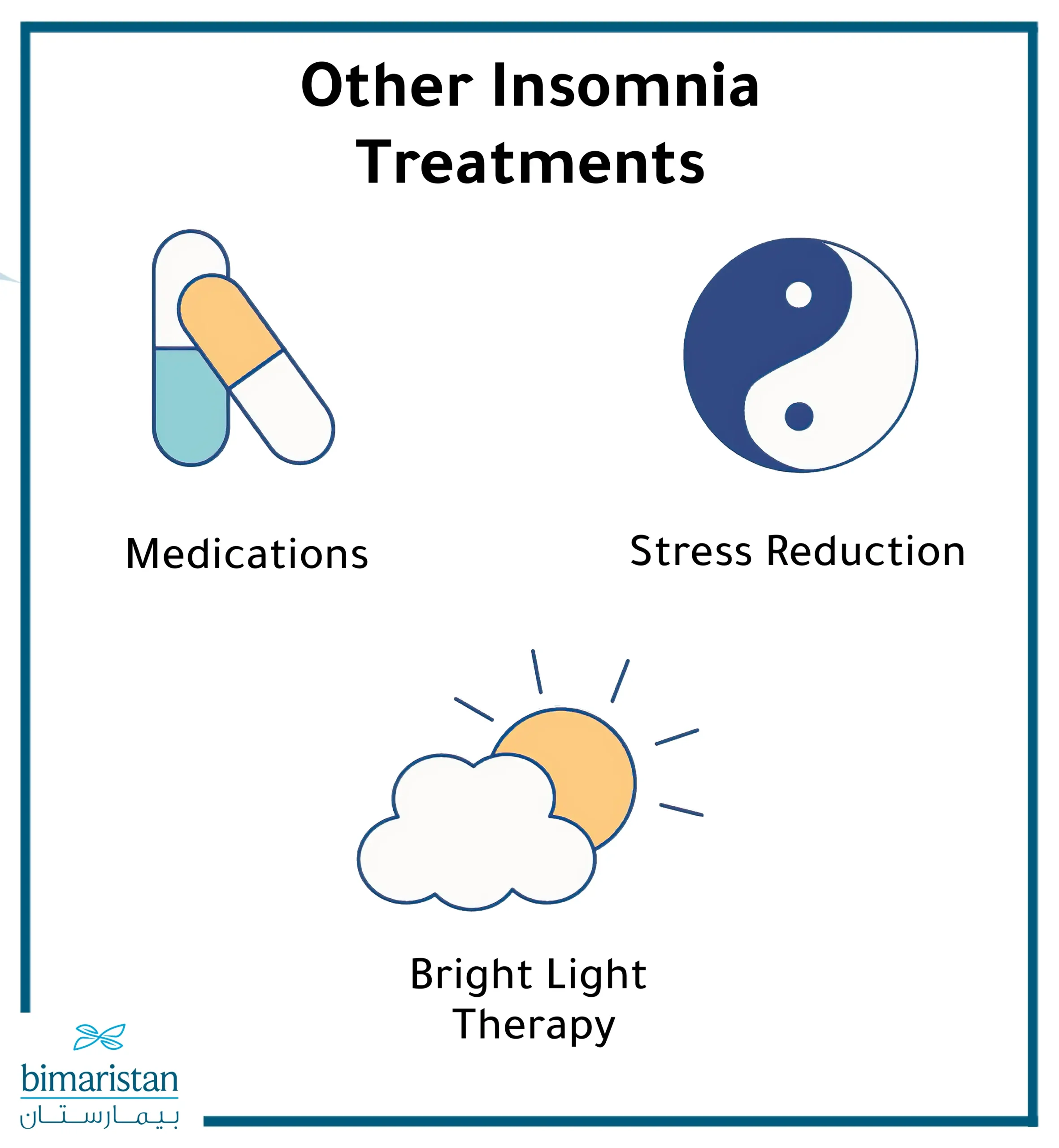
Medications for Insomnia and Sleep Disorders
In the early 19th century, alcohol and opium-containing substances were used to aid sleep as a sleeplessness treatment. In the 1990s, antidepressants started being used without clear clinical trials. Currently, the choice of insomnia medication in Turkey is made based on individual patient needs:
- Sedatives and Hypnotics:
- These medications improve sleep and reduce anxiety. They work by calming the central nervous system, promoting relaxation, and alleviating tension. While not a cure for insomnia, they are used to manage severe acute insomnia as they assist with sleep. They are not recommended for long-term use due to the risk of addiction.
- Melatonin:
- Melatonin is a hormone produced by the pineal gland that aids sleep. It can be obtained without a prescription, but its timing is crucial. Taking it in the evening increases sleep time while taking it 30 minutes before bedtime doesn’t increase sleep duration but improves sleep quality.
- Rameltion:
- Ramelteon is a melatonin receptor agonist that helps initiate and maintain sleep. It is non-addictive and does not affect morning wakefulness.
- Antidepressants (Tricyclic):
- Limited studies exist on the use of tricyclic antidepressants for insomnia, as they have fewer side effects than benzodiazepines but may cause drowsiness, weight gain, and dry mouth. Currently, they are used primarily in patients with depression and coexisting insomnia.
- Histamine Antagonists:
- These allergy medications have a side effect of drowsiness, making them suitable for insomnia treatment without a prescription.
The best way to treat insomnia and sleep deprivation
Cognitive Behavioral Therapy (CBT) is considered a comprehensive treatment for insomnia that targets thoughts, behaviors, and unhealthy habits associated with sleep, thereby helping to improve sleep quality permanently. In contrast, medications work to alleviate symptoms for a temporary period and may require continuous use with accompanying side effects.
When discussing the best treatment for insomnia and sleep deprivation in Turkey, we mean Cognitive Behavioral Therapy, as it aims to regulate the patient’s life and achieve a healthy balance between sleep and wakefulness. However, it may take a long time to show its effectiveness in treating insomnia, and its results largely depend on the patient’s response and commitment to the doctor’s advice. On the other hand, sleep medications are considered a faster solution for insomnia, as their effects are immediate in inducing sleep.
The appropriate treatment for insomnia in adults should be chosen based on each patient’s condition and by the doctor’s recommendations. It might be preferable to use Cognitive Behavioral Therapy as the initial treatment for insomnia to avoid potential side effects of medications. In some cases, a combination of Cognitive Behavioral Therapy and medications might be more effective in treating insomnia and sleep deprivation.
Combining Medications and Cognitive Behavioral Therapy
Combining these two approaches may be more commonly used by doctors in the treatment for insomnia and sleep deprivation in Turkey. This is because patients often seek medical attention only when experiencing severe symptoms of insomnia, affecting their productivity at work, and necessitating immediate treatment for insomnia.
Medications can be used initially to alleviate acute symptoms of insomnia and improve sleep quality. Simultaneously, Cognitive Behavioral Therapy can be employed to permanently change unhealthy thoughts and behaviors associated with sleep.
Individuals suffering from acute or chronic insomnia may benefit from using medications initially to improve sleep quality and achieve rest. At the same time, the therapist can work with the patient to develop Cognitive Behavioral Therapy strategies to enhance sleep and cope with anxiety and stress related to insomnia.
In some cases, it may be preferable to use Cognitive Behavioral Therapy as the initial treatment for insomnia, especially if the insomnia is not severe. Cognitive Behavioral Therapy alone can be effective in alleviating insomnia symptoms and improving sleep quality.
How to Improve Sleep Quality and Prevent Insomnia
You can improve your sleep quality and protect yourself from staying awake and sleep deprivation by following these tips:
- Follow a healthy diet that helps alleviate sleep deprivation by avoiding caffeine and alcohol, and refrain from consuming large meals before the designated sleep time due to the possibility of acid reflux, which can be harmful or wake the patient from sleep (natural ways to cure insomnia).
- Establish fixed sleep schedules until the body becomes accustomed to them.
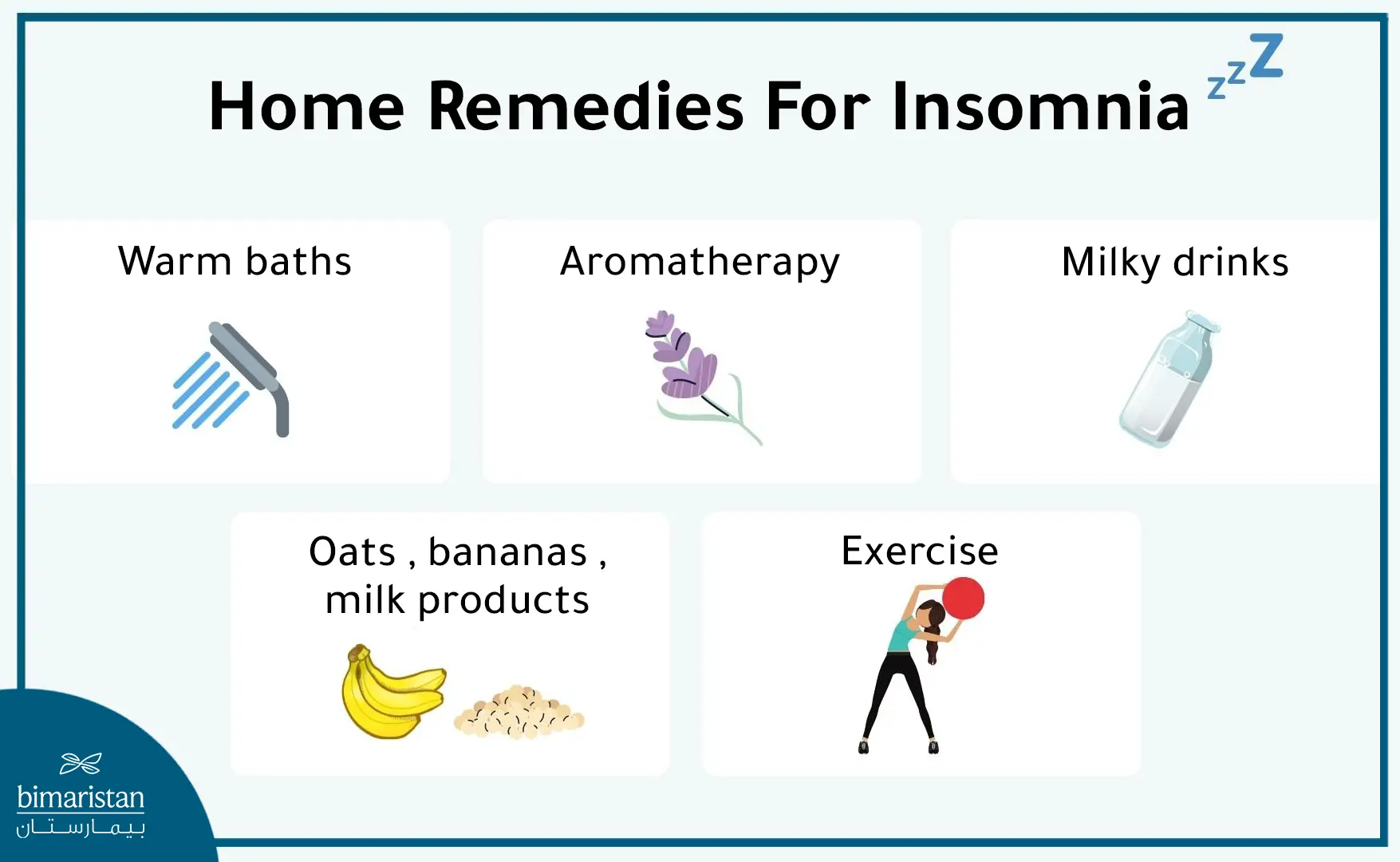
- Engage in morning exercise activities and avoid intense sports in the evening (home remedies for insomnia).
- Avoid sleeping for long periods during the day.
- Do not force yourself to endure pain at night; if you feel any pain preventing you from sleeping, it is advisable to consult a doctor.
Continuous treatment for insomnia is essential due to its negative impact on a person’s life. It is necessary to consult with a doctor to determine the best possible treatment and to investigate whether there is any underlying condition leading to insomnia.
In Turkey, we will assist you in treating insomnia and nighttime sleeplessness through Cognitive Behavioral Therapy initially.
We may also recommend some medications to achieve the best possible results. Additionally, we will provide you with important tips to enhance sleep quality and eliminate insomnia.
Sources:
- Insomnia disorder in adolescence – PubMed
- Insomnia Overview – PubMed