Chronic respiratory disorders place a significant ongoing burden on health and can impair the ability to breathe and engage in daily activities. As some of these disorders advance, having a clear treatment plan becomes essential for managing symptoms and minimizing long-term complications. Bronchiectasis treatment serves as a prime example of a therapeutic approach that requires a structured management plan focused on controlling the disease rather than simply alleviating symptoms. Understanding the available treatment options is a crucial step in patient care.
What is bronchiectasis?
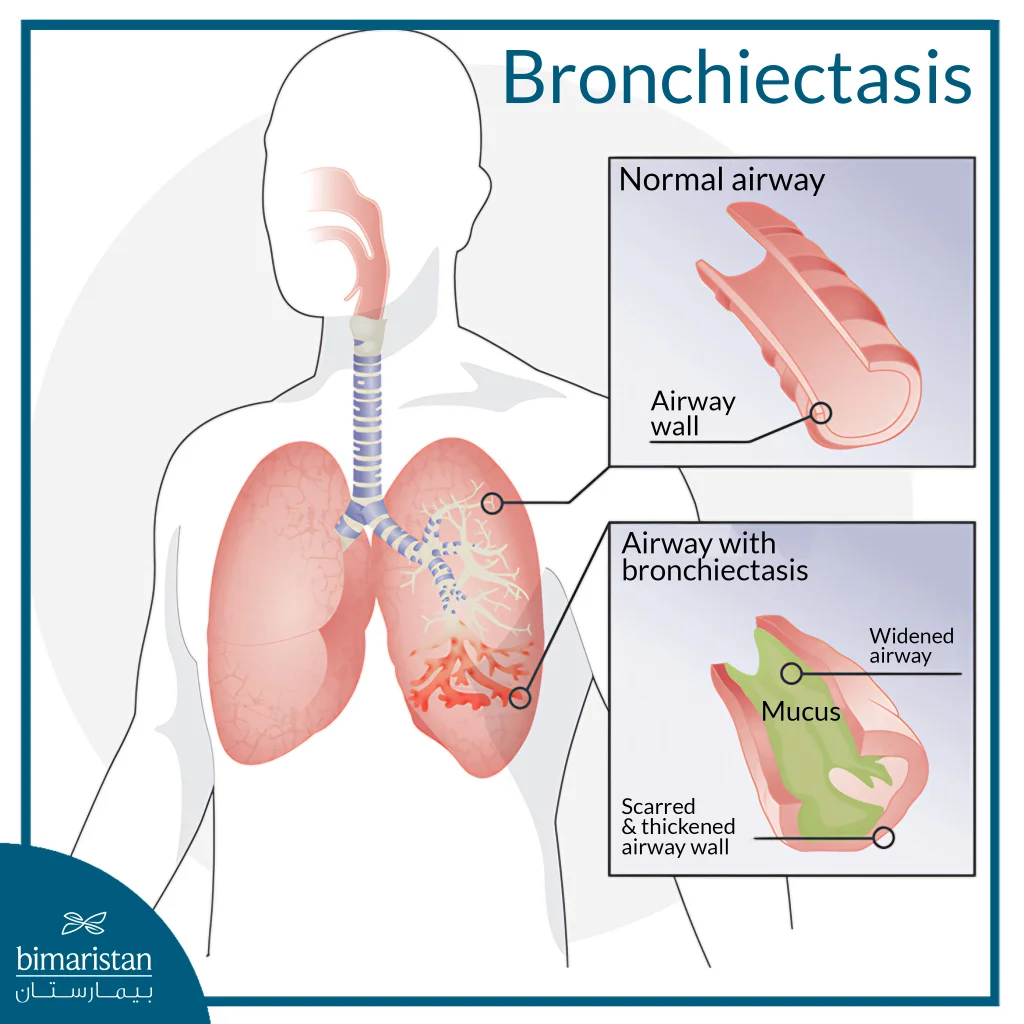
Bronchiectasis is a chronic lung disease characterized by permanent dilation and damage to the airways within the lungs. This damage causes the bronchi to lose their natural ability to clear mucus, leading to its accumulation within the lungs. As mucus accumulates, bacteria can easily grow, leading to recurrent infections, increased inflammation, and further damage to lung tissue. This results in a chronic cough, excessive mucus production, shortness of breath, and recurrent respiratory infections, all of which significantly affect the patient’s quality of life.
Bronchiectasis differs from bronchitis, although some symptoms, such as coughing and the presence of mucus, are similar. Bronchitis is a temporary condition that does not always cause damage to the airways, whereas bronchiectasis is characterized by permanent, irreversible changes. Although the disease is not usually completely curable, early diagnosis and an appropriate treatment plan help control symptoms and limit its progression and associated complications.
Can bronchiectasis be cured, and what are the goals of treatment?
Bronchiectasis is a chronic condition characterized by permanent changes in the airways of the lungs, so management relies on long-term control rather than temporary treatment. Appropriate treatment plans help reduce the day-to-day impact of the disease, alleviate symptoms, and maintain stable lung function, thereby improving the patient’s quality of life. The goal of treatment is not to reverse the structural changes in the airways, but rather to achieve a set of important therapeutic outcomes, including:
- Improving mucus drainage from the airways to reduce buildup and prevent recurrent infections
- Preventing the worsening and gradual decline of lung function through a structured treatment plan
- Relieving symptoms such as cough, phlegm, and shortness of breath to improve daily comfort
- Controlling infections with appropriate medications when needed
- Improving quality of life and reducing the need for hospitalization
In short, bronchiectasis treatment focuses on long-term control of the disease and minimizing its impact on daily life, while aiming to reduce exacerbations and preserve respiratory function as much as possible.
Treatment plan for bronchiectasis
The bronchiectasis treatment plan is based on an integrated approach that combines several therapeutic modalities, which are applied either concurrently or in stages, depending on the patient’s condition and accompanying clinical circumstances.
1. Drug therapy
Drug therapy is a cornerstone of the management of bronchiectasis and includes several classes of medications, depending on clinical need:
Antibiotics
Antibiotics are widely used to treat recurrent lung infections associated with bronchiectasis; they may be administered orally, by inhalation, or intravenously in severe cases or when there is no response to oral treatment. The type of antibiotic is determined based on the type of bacteria causing the infection and the likelihood of bacterial resistance; in some cases, antibiotics may be used for extended periods to reduce the frequency of recurrent exacerbations.
Bronchodilators
Bronchodilators relax the smooth muscle surrounding the airways, widening them and improving airflow, making breathing easier; they are most commonly administered by inhalation using inhalers or nebulizers.
Inhaled corticosteroids
They may be used to treat airway inflammation in specific cases, such as when asthma or chronic obstructive pulmonary disease (COPD) is present, based on a doctor’s evaluation.
Medications for bronchodilation
Brensocatib has been approved as the first drug specifically indicated for the treatment of non-cystic fibrosis-associated bronchiectasis; it works by targeting enzymes that contribute to chronic airway inflammation. This medication is taken by mouth and helps reduce exacerbations and slow disease progression in selected patients, particularly those with frequent exacerbations and daily mucus production.
2. Thinning mucus and improving its drainage
Reducing the viscosity of mucus and facilitating its clearance from the lungs are central goals of treatment. The following may be used:
- Mucolytic or expectorant medications to help with effective coughing
- Hypertonic saline solutions are administered by inhalation using a nebulizer to improve the fluidity of secretions
- Drink plenty of fluids, especially water, to keep mucus moist and make it easier to clear
3. Chest physical therapy and airway clearance techniques
Chest physical therapy plays a key role in managing the disease and includes:
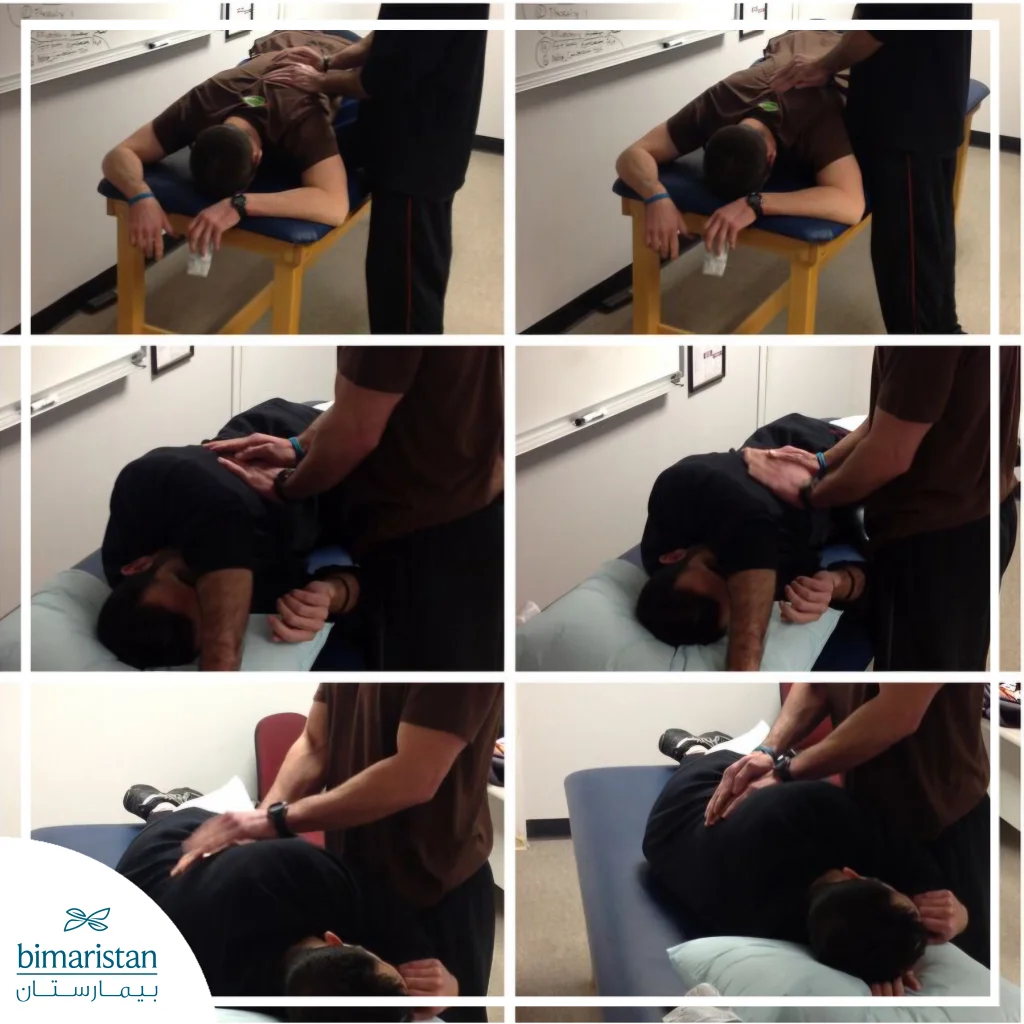
- Chest Physiotherapy (CPT), which involves tapping or percussion on the chest and back to help break up mucus
- Use of special devices that help clear secretions, such as positive expiratory pressure devices or vibrating vests
- Special breathing techniques, such as forced exhalation and the active breathing cycle, which help move mucus into the upper airways so it can be more easily coughed up
- Postural drainage, which involves adopting specific body positions to help drain secretions using gravity
4. Treating the underlying cause
If bronchiectasis is caused by an underlying disease or condition, treating that underlying cause is an important part of the treatment plan. These causes may include certain autoimmune diseases, chronic lung infections, immune disorders, or comorbid respiratory diseases; treating them can reduce symptom severity and slow disease progression.
5. Additional treatments for advanced cases
- Oxygen therapy: It may be used in patients with low blood oxygen levels or respiratory failure.
- Lung Transplant: In very rare cases of severe, advanced disease, a lung transplant may be a last-resort treatment option.
When is surgery used to treat bronchiectasis?
Surgery is a treatment option used only in limited cases for bronchiectasis and is not considered a first-line option in most cases; Surgical intervention is considered only when conservative treatments fail to control symptoms or when specific complications arise. Surgery is often limited to cases where bronchiectasis is localized to a specific part of the lung, or when there is severe and recurrent pulmonary hemorrhage that poses a risk to the patient. The decision to proceed with surgery is made after a thorough evaluation of the case by a specialized medical team, weighing the expected benefits against the potential risks.
Treatment of bronchiectasis in children
Bronchiectasis treatment in children is based on the same general principles used in adults; however, the implementation of the treatment plan differs in terms of priorities and follow-up, given the unique nature of the respiratory system during the growth phase. Early diagnosis and structured therapeutic intervention are key factors in reducing the risk of long-term lung damage in children.
The treatment approach for children places special emphasis on identifying and addressing the underlying cause of bronchiectasis, as treating certain underlying conditions early may slow disease progression or reduce long-term severity. Airway clearance techniques and physical therapy programs are also tailored to the child’s age and ability to cooperate, and this often requires involving parents and training them to perform these procedures regularly at home.
Recent recommendations emphasize the need for long-term, periodic follow-up of affected children, not only to assess symptom control but also to monitor lung growth, the development of respiratory function, and the recurrence of exacerbations. This integrated approach helps improve quality of life and reduce the burden of the disease as patients age.
Periodic monitoring and management of bronchiectasis
Managing bronchiectasis requires long-term follow-up, given its chronic nature and the risk of exacerbations despite adherence to treatment. Control of the disease depends on adherence to the treatment plan established by the medical team and on regular follow-up to assess symptom progression and treatment response. Patients are advised to maintain ongoing communication with their healthcare providers if there are any changes in the severity of their cough, the amount or color of their sputum, or if new symptoms appear, such as fever, severe fatigue, unexplained weight loss, or increased shortness of breath.
The ability to recognize early signs of worsening is also a crucial part of follow-up. An increase in the amount and color of sputum, or the presence of blood in it, may indicate an attack requiring immediate medical evaluation. In severe cases, such as coughing up large amounts of blood or severe difficulty breathing, emergency medical attention is necessary. Regular follow-up and adherence to medical instructions help reduce the severity of attacks and improve long-term overall patient stability.
As part of long-term follow-up, pulmonary rehabilitation programs may be recommended. These supportive programs include breathing exercises and structured physical activity under the supervision of specialists, designed to improve lung function, increase exercise tolerance, and help patients cope with chronic symptoms.
Preventing the progression of bronchiectasis
Preventing the progression of bronchiectasis involves reducing the risk of infection and protecting the lungs from factors that may irritate the airways or worsen the condition. This can be achieved through a series of daily preventive measures, the most important of which are:
- Get all recommended vaccinations, such as the annual flu vaccine, pneumococcal vaccine, COVID-19 vaccine, and routine childhood vaccinations
- Maintain a healthy lifestyle that includes appropriate physical activity, a balanced diet, and maintaining a healthy weight
- Quit smoking and avoid secondhand smoke, fumes, and air pollutants
- Avoid contact with people who have respiratory infections as much as possible
- Drink plenty of fluids to help reduce mucus buildup
- Practice daily airway cleansing techniques as directed by your healthcare team
In conclusion, bronchiectasis treatment is a long-term process that requires understanding the nature of the disease and managing it in a systematic, stepwise manner. Although structural changes in the airways make the disease chronic, adherence to an appropriate treatment plan, regular follow-up, and prevention of exacerbations are essential for controlling symptoms and minimizing complications. This integrated approach helps patients improve their quality of life and maintain respiratory stability for as long as possible.
Sources: