
Every year, over 200,000 people worldwide are diagnosed with bladder cancer, making bladder reconstruction surgery a necessity in many cases.
Turkey has become a leading destination for Neobladder surgery, attracting international patients due to its advanced medical facilities and affordable costs. Statistics indicate that 80% of international patients suffering from bladder conditions choose Turkey for treatment due to the high-quality medical care and reasonable expenses.
Reasons for Neobladder (Bladder Reconstruction) Surgery
Neobladder is often required when the bladder is surgically removed due to:
- Bladder Cancer
- Bladder Dysfunction from radiation therapy, neurological disorders, or inflammatory diseases
- Severe Urinary Incontinence resistant to other treatments
- Congenital Malformations that cannot be corrected otherwise
- Severe Bladder Trauma
- Chronic Bladder Diseases leading to loss of function
How is Bladder Reconstruction Performed?
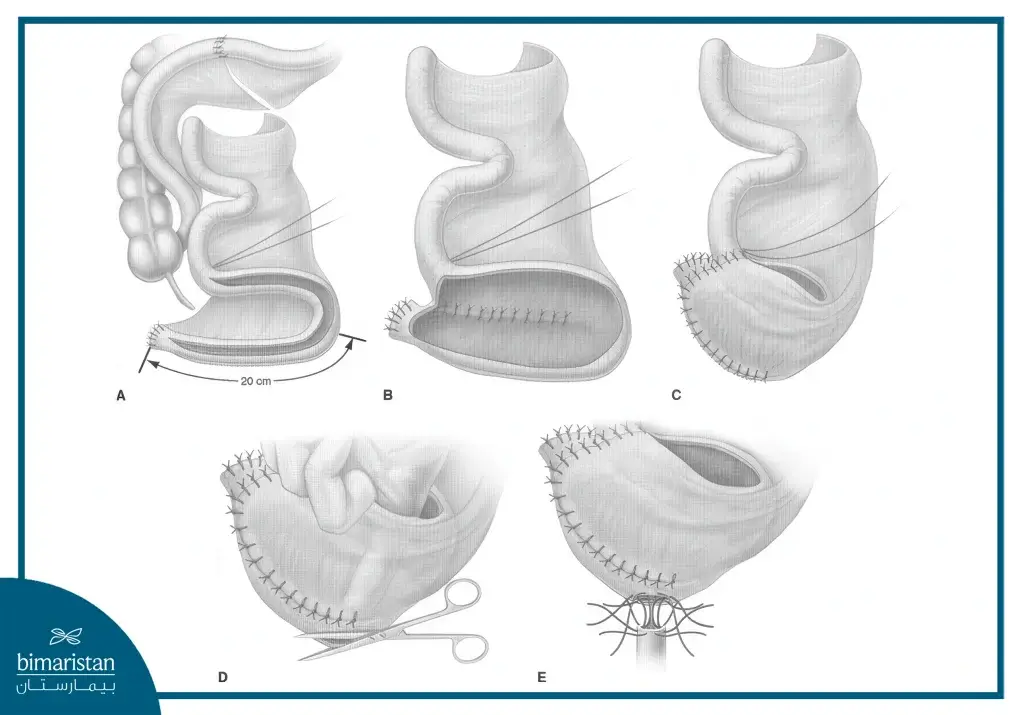
The procedure involves using tissues from other body parts, such as the intestines, to construct a new bladder capable of performing normal urinary functions. Although this surgery may seem complex, advancements in surgical techniques, such as laparoscopic and robotic-assisted surgery, have made it safer and more effective.
1. Preoperative Preparation
Before undergoing Neobladder surgery, the patient undergoes thorough preparation. This begins with a comprehensive evaluation of their overall health, including medical tests such as blood analysis, X-rays, and kidney and bladder examinations to ensure the body is ready for the procedure. The doctor may advise the patient to stop taking certain medications that could affect the surgery, such as blood thinners. Additionally, the procedure details are explained to the patient to ensure complete understanding, which helps reduce anxiety and stress.
2. Surgical Procedure
Neobladder surgery is performed under general anesthesia, meaning the patient remains unconscious throughout the procedure. The surgeon removes the damaged bladder and then uses a section of the intestine or other tissues to construct a new bladder. The surgery is carried out using advanced techniques such as laparoscopic or robotic surgery, which helps reduce pain and accelerate recovery. The procedure typically takes 3 to 6 hours, depending on the case’s complexity.
3. Postoperative Care & Recovery
After the surgery, the patient needs to rest in the hospital for continuous monitoring and to ensure proper recovery. Typically, the hospital stay lasts between 5 to 10 days, during which the medical team closely observes the function of the new bladder and kidneys. The patient may experience some pain or discomfort after the procedure, but pain management will be provided under medical supervision. The patient must follow specific medical guidelines in the first few weeks, such as avoiding strenuous physical activities and adhering to a prescribed diet. Regular medical follow-ups are also necessary to prevent any complications.
It should be noted that there are many challenges the patient must face before achieving a near-normal life, including:
- It will take some time and patience to get used to the new bladder.
- Emptying the new bladder will not work the same way as the normal bladder.
- The patient must train their muscles to pressure the new bladder to release urine.
- Perform pelvic floor exercises to strengthen the muscles.
Lifetime follow-up is required after the bladder reconstruction surgery. Ask your doctor how often you should plan for follow-up visits.

The benefits of neobladder surgery in Turkey
The process of installing a new bladder has several significant benefits, including:
- No need for a stoma (artificial opening): Depending on the patient’s health condition, a stoma or external urine collection device may not be necessary, meaning urine can no longer be collected in a bag and emptied later.
- Natural urine storage: After the new bladder is installed, patients can store urine naturally until it is the right time to empty it comfortably and by their social circumstances.
- Reduced risk of infection and bleeding: The new bladder is implanted internally, which reduces the chances of bleeding or infection compared to a stoma.
- Urination when needed: Patients regain control over urination with the new bladder, allowing them to choose the appropriate time to urinate.
Complications of bladder reconstruction
Several complications may occur with the reconstruction of the new bladder, including:
- Bleeding and blood clots
- Urine leakage or retention
- Electrolyte imbalance
- Vitamin B12 deficiency
- Urinary incontinence
Cost of Bladder Reconstruction Surgery in Turkey
The cost of alternative bladder reconstruction surgery in Turkey varies based on several factors, such as the type of hospital and the chosen doctor. Generally, the price ranges from $7,000 to USD 14,000 USD. Some factors that influence this cost include:
- Hospital: Private hospitals may be slightly more expensive than public ones, but they may offer more advanced technologies and high-quality medical services.
- Type of Surgery: The cost may rise if the surgery is complex or requires advanced techniques, such as robotic or laparoscopic surgery.
- Post-surgery care and accommodation: This cost includes the recovery period, hospital stay, and medical follow-up.
It is worth noting that Turkey has become a popular destination for international patients, offering high-quality medical services at lower costs compared to many European countries or the United States.
Recovery Period After Neobladder Surgery
The recovery period in the hospital after alternative bladder reconstruction surgery typically ranges from 7 to 14 days. Afterward, the patient is discharged and a catheter is left for a few days. It is important to inform the patient and their family on how to manage the urinary catheter at home.
The medical team will regularly monitor the patient’s progress through follow-up visits to ensure that the new bladder is functioning efficiently and that the patient is adjusting to the changes. The patient may need to undergo some tests, such as X-rays or blood tests, to ensure there are no complications.
Best Hospitals and Medical Centers for Bladder Reconstruction Surgery in Turkey
List of Renowned Hospitals and Specialized Medical Centers:
- Memorial Sisli Hospital: Known for performing bladder cancer surgeries using advanced robotic techniques.
- Medipol University Hospital: A university hospital that provides advanced medical services in the field of urology surgery.
- Medicana Hospital: Part of the Medicana Group of Hospitals, known for providing high-quality medical services across various specialties.
How to Choose the Right Hospital?
When choosing the right hospital for alternative bladder reconstruction surgery, it is recommended to consider the following factors:
- Accreditations and Certifications: Ensure the hospital is accredited by internationally recognized health organizations, such as the Joint Commission International (JCI).
- Experience of the Medical Team: Verify the surgeons’ and specialists’ experience in urology surgeries and bladder reconstruction.
- Techniques Used: Choose hospitals that use the latest techniques, such as robotic surgery, to ensure precision in the procedure and reduce complications.
- Patient Experiences: Read reviews and experiences from previous patients to understand the quality of care and expected outcomes.
- Support Services: Ensure that post-surgery support services, such as nursing care and rehabilitation, are available.
- Location and Cost: Consider the hospital’s location and treatment costs to ensure they match your needs and budget.
Following these guidelines and ensuring access to high-quality medical care can help you choose the most suitable hospital for alternative bladder reconstruction surgery.
Sources: