
The medical field is witnessing continuous advancements in diagnostic and treatment methods, with a growing trend toward the development of surgical procedures that combine precision and effectiveness, This progress is clearly reflected in head and neck surgery, which now encompasses specialized techniques and approaches for treating conditions affecting the glands and tissues in the neck region.
Among these procedures is parathyroidectomy, a surgery that is now available at many medical centers specializing in head and neck surgery, including advanced centers in Turkey that provide this type of surgical care.
What is the parathyroid gland?
The parathyroid glands are four small glands, roughly the size of a grain of rice, located behind the thyroid gland in the neck, Their primary function is to regulate calcium and phosphate levels in the blood by secreting parathyroid hormone (PTH), which increases blood calcium levels and maintains calcium balance through its effects on the bones and kidneys. It also indirectly contributes to regulating calcium absorption from the digestive tract. A dysfunction of these glands can lead to changes in the body’s calcium levels and the onset of various health problems, Therefore, some cases of hyperparathyroidism may require surgical intervention to treat the underlying cause.
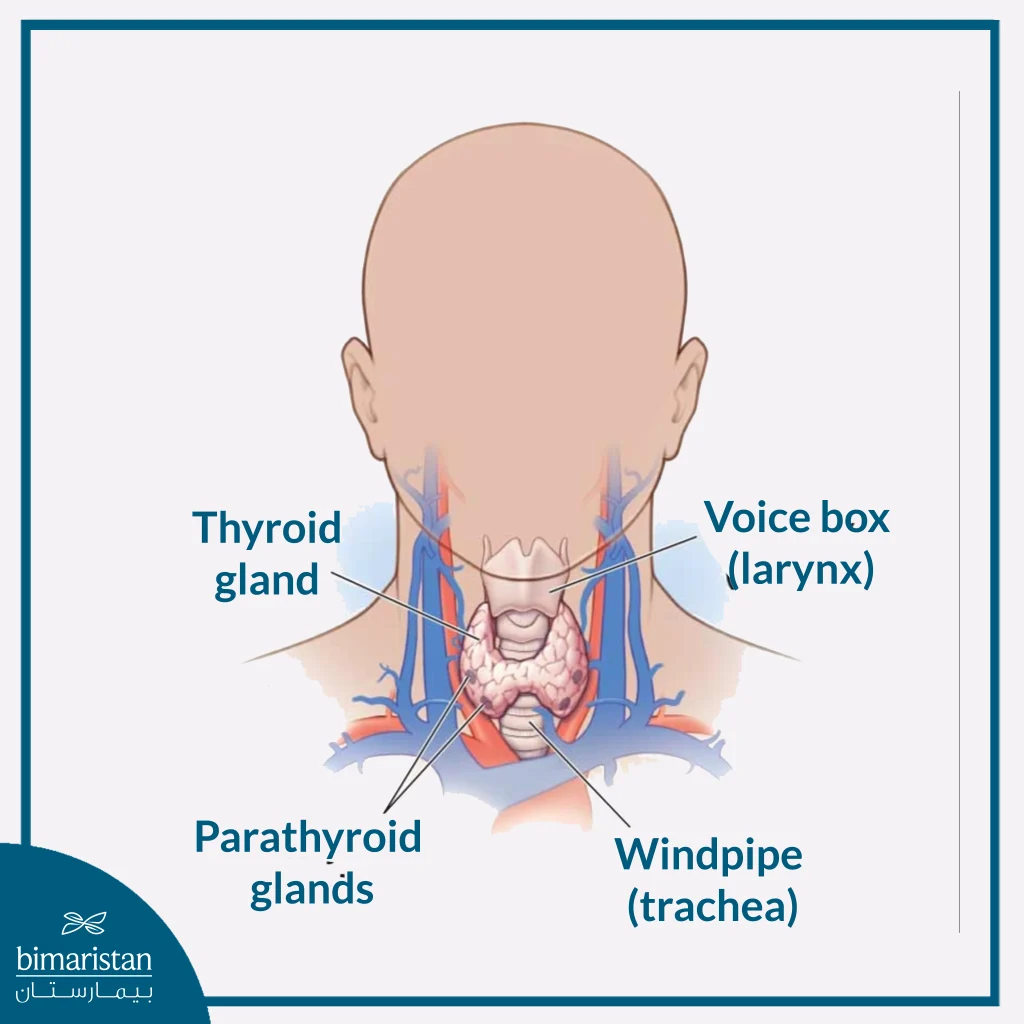
What is a parathyroidectomy?
Parathyroidectomy is a surgical procedure aimed at removing one or more of the parathyroid glands responsible for producing parathyroid hormone (PTH), This procedure is typically performed to treat hyperparathyroidism, which leads to elevated calcium levels in the blood or causes complications that affect bone and kidney health, The surgical approach varies depending on the cause of the hyperfunction, the number of affected glands, and their location; it may involve removing only the abnormal gland or, in some cases, removing multiple glands.
In what cases is a parathyroidectomy necessary?
Parathyroidectomy is performed to treat conditions that lead to increased production of parathyroid hormone (PTH) and the associated disturbances in calcium levels and complications that affect the patient’s health. A parathyroid adenoma is one of the most common causes; it is a benign growth that may affect one or more glands and leads to increased hormone secretion. Surgery may also be necessary in cases of parathyroid hyperplasia, in which multiple glands enlarge and become overactive.

A parathyroidectomy may also be performed in cases of secondary hyperparathyroidism associated with other diseases, with chronic kidney disease being one of the most common causes. Surgery may also be used to treat tertiary hyperparathyroidism in some patients who continue to have elevated parathyroid hormone levels long after secondary hyperparathyroidism has resolved, In very rare cases, parathyroidectomy may be part of the treatment for parathyroid cancer. The decision to perform surgery depends on the cause and severity of the condition, test results, and the extent to which it affects bone and kidney health and blood calcium levels.
What are the types of parathyroidectomy?
The methods for removing the parathyroid gland vary depending on the cause of its hyperactivity, the number of affected glands, and the results of tests that help identify the abnormal gland. The procedure may be limited to removing the gland responsible for the excess secretion of parathyroid hormone, while some cases require the removal of multiple glands or a large portion of their tissue. The most common methods include:
Targeted Parathyroid Gland Resection
This procedure is used when preoperative tests indicate the presence of a single abnormal gland, as is often the case with parathyroid adenomas. The procedure is performed through a small incision in the neck to access and remove the affected gland without the need to fully explore all four glands. Preoperative imaging and in-operative measurement of parathyroid hormone levels may be used to help ensure that the tissue responsible for the excessive hormone secretion is removed.
Bilateral Neck Examination
This technique involves examining the parathyroid glands located on both sides of the neck to identify abnormal glands and evaluate all four glands. It is used when tests do not clearly pinpoint the location of the affected gland, or when more than one affected gland is suspected. It may also be an appropriate option in some cases of primary hyperparathyroidism where multiple-gland disease is suspected. This technique allows the surgeon to directly evaluate the glands and determine the amount of tissue that needs to be removed.
Subtotal Parathyroidectomy
Subtotal resection is used in some cases of secondary hyperparathyroidism associated with chronic kidney disease, in which several parathyroid glands are enlarged and overactive, and typically involves removing most of the parathyroid gland tissue while preserving a small amount of tissue from a single gland, with the goal of maintaining some gland function while limiting the excessive secretion of parathyroid hormone.
Total resection with autologous transplantation of parathyroid gland tissue
This technique involves removing parathyroid gland tissue and then transplanting a small, selected amount of that tissue to another location in the body, most often the forearm muscle, This approach is used in some cases of secondary or tertiary parathyroid hyperfunction, especially when all four glands are enlarged or overactive, Autografting aims to preserve a limited amount of parathyroid function while removing tissue that overproduces parathyroid hormone, Transplantation into the forearm allows for easier monitoring of the transplanted tissue or its future removal if hyperactivity recurs.
| Type | Primary Use | Resection |
|---|---|---|
| Targeted Resection | One abnormal gland | One gland |
| Bilateral Neck Examination | Suspected infection of several glands | Depending on the situation |
| Subtotal Resection | Some Cases of Secondary Hyperactivity | Most of the glands, while retaining a small portion |
| Total Resection with Autografting | Some cases of secondary or tertiary hyperparathyroidism | Removal of the glands with transplantation of a portion of their tissue |
How is a parathyroidectomy performed?
Parathyroid gland removal is performed under general anesthesia. The type of surgical procedure is determined before the operation based on the cause of hyperparathyroidism and the results of imaging tests, which help locate the abnormal gland or glands. The patient is usually positioned in a way that allows the surgeon easy access to the neck area. An incision is then made in the lower part of the neck to access the parathyroid gland located behind the thyroid gland. The size and location of the incision depend on the type of surgery and the extent of exploration required.
Once the surgeon reaches the gland area, he or she looks for the abnormal gland or glands, taking care to preserve important adjacent structures, particularly the recurrent laryngeal nerve, the thyroid gland, and the surrounding blood vessels, If the patient has a glandular tumor in a single gland and its location has been previously identified, a targeted resection of the affected gland may be performed, whereas patients with suspected involvement of multiple glands may require a more extensive exploration of the neck and evaluation of the four parathyroid glands.
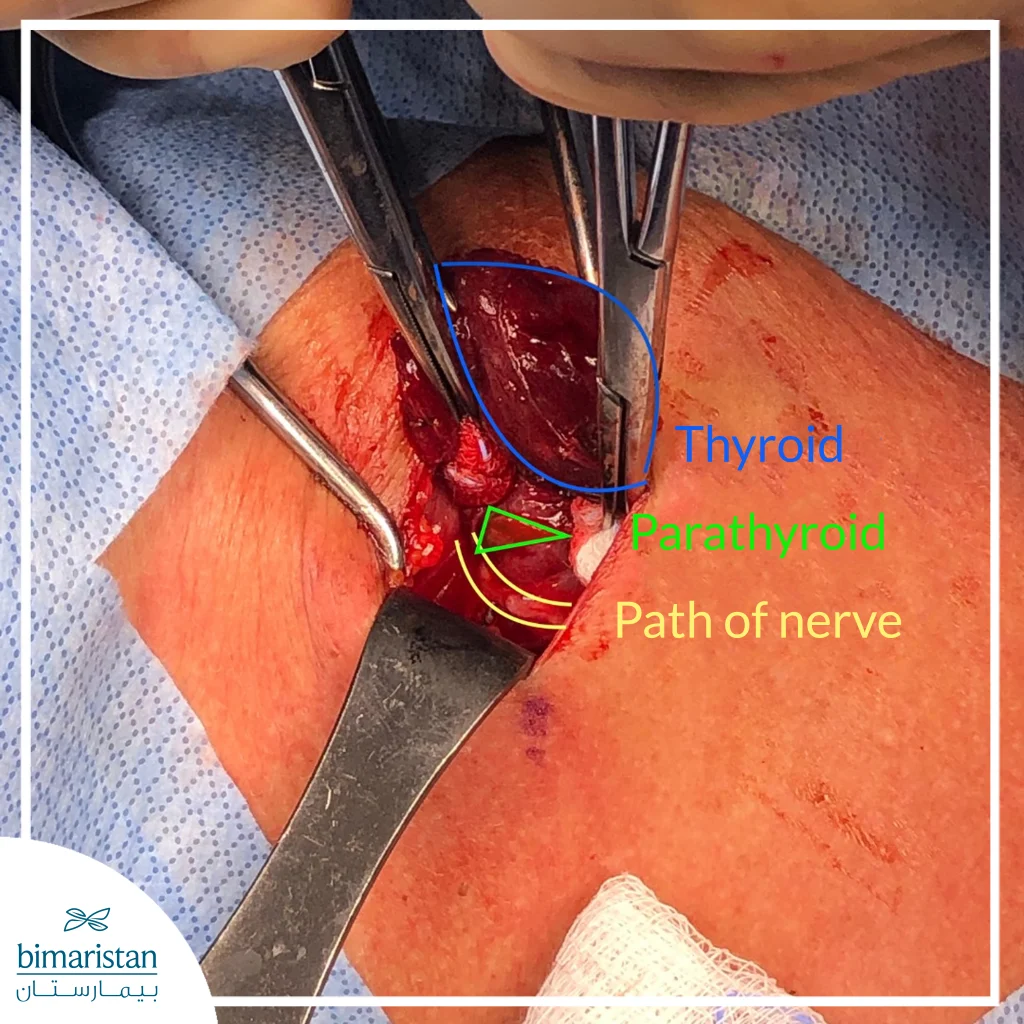
In some cases, the level of parathyroid hormone (PTH) can be measured during the procedure; the hormone level decreases after the tissue responsible for its excessive secretion is removed, This measurement can help the surgeon assess the success of the resection before completing the procedure. After removing the targeted gland or glands, the surgeon ensures that bleeding is controlled and that the surrounding structures are intact, then carefully closes the surgical incision. After the procedure, calcium and parathyroid hormone levels are monitored to ensure that gland function has stabilized and to determine the need for calcium or vitamin D supplements during the recovery period.
What are the benefits of parathyroidectomy?
Parathyroidectomy can offer significant benefits to patients whose hyperparathyroidism does not respond to medical treatment, as removing the tissue responsible for the excessive secretion of parathyroid hormone (PTH) helps correct calcium imbalances and reduce the effects of persistent hyperparathyroidism. Among the most notable potential benefits of the procedure are:
- To lower parathyroid hormone (PTH) levels and control hyperparathyroidism.
- Restore blood calcium levels to their normal range.
- To reduce the risk of kidney stones and kidney complications associated with hypercalcemia.
- To limit bone density loss and reduce the risk of skeletal complications associated with hyperparathyroidism.
- Reduces mental fogginess and improves concentration, and helps reduce certain heart rhythm disorders associated with high calcium levels.
What are the risks and complications of parathyroid gland removal?
Parathyroidectomy is generally considered a safe procedure when performed by an experienced surgeon; however, it may be associated with certain risks and complications, the likelihood of which varies depending on the type of surgery, the patient’s condition, and the extent of the resection. Among the most notable potential complications are:
- Low blood calcium levels, especially after the removal of several or all parathyroid glands, which may cause numbness or tingling around the mouth and in the hands and feet, as well as muscle cramps; the patient may need calcium and vitamin D supplements.
- Injury to the recurrent laryngeal nerve, which causes hoarseness or a change in voice; in most cases, the injury is temporary.
- Bleeding or the formation of a hematoma in the neck area, which may cause swelling or pressure on the airway and requires urgent medical attention in severe cases.
- Wound infection, which is one of the less common complications and can be managed with appropriate treatment.
- Persistence or recurrence of parathyroid hyperfunction; this may occur if hyperactive tissue remains after surgery or if new abnormalities develop in the remaining glands.
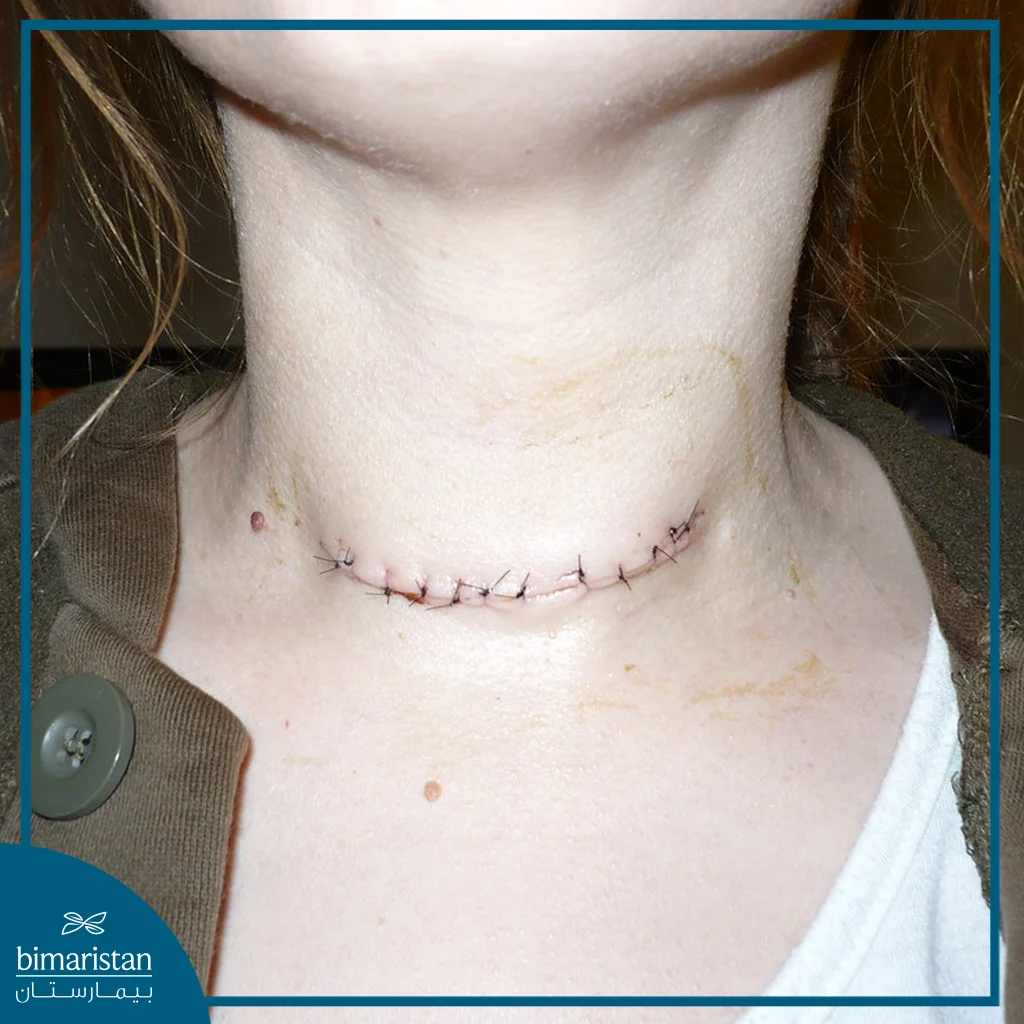
- It leaves a scar on the neck, but it gradually becomes less noticeable.
In conclusion, parathyroidectomy is an important surgical procedure for treating hyperparathyroidism, especially when elevated parathyroid hormone levels and calcium imbalances affect bone and kidney health or cause other symptoms and complications. The success of the surgery depends on identifying the cause of the hyperactivity and the location of the abnormal gland or glands, selecting the surgical approach best suited to the patient’s condition, and ensuring regular follow-up after surgery.
Sources:
- Wilhelm, S. M., Wang, T. S., Ruan, D. T., Lee, J. A., Asa, S. L., Duh, Q.-Y., Doherty, G. M., Herrera, M. F., Pasieka, J. L., Perrier, N. D., Silverberg, S. J., Solórzano, C. C., Sturgeon, C., Tublin, M. E., Udelsman, R., & Carty, S. E. (2016). The American Association of Endocrine Surgeons guidelines for the definitive management of primary hyperparathyroidism. JAMA Surgery, 151(10), 959–968.
- Wang, Y., & Ladie, D. E. (2024). Parathyroidectomy. In StatPearls. StatPearls Publishing.