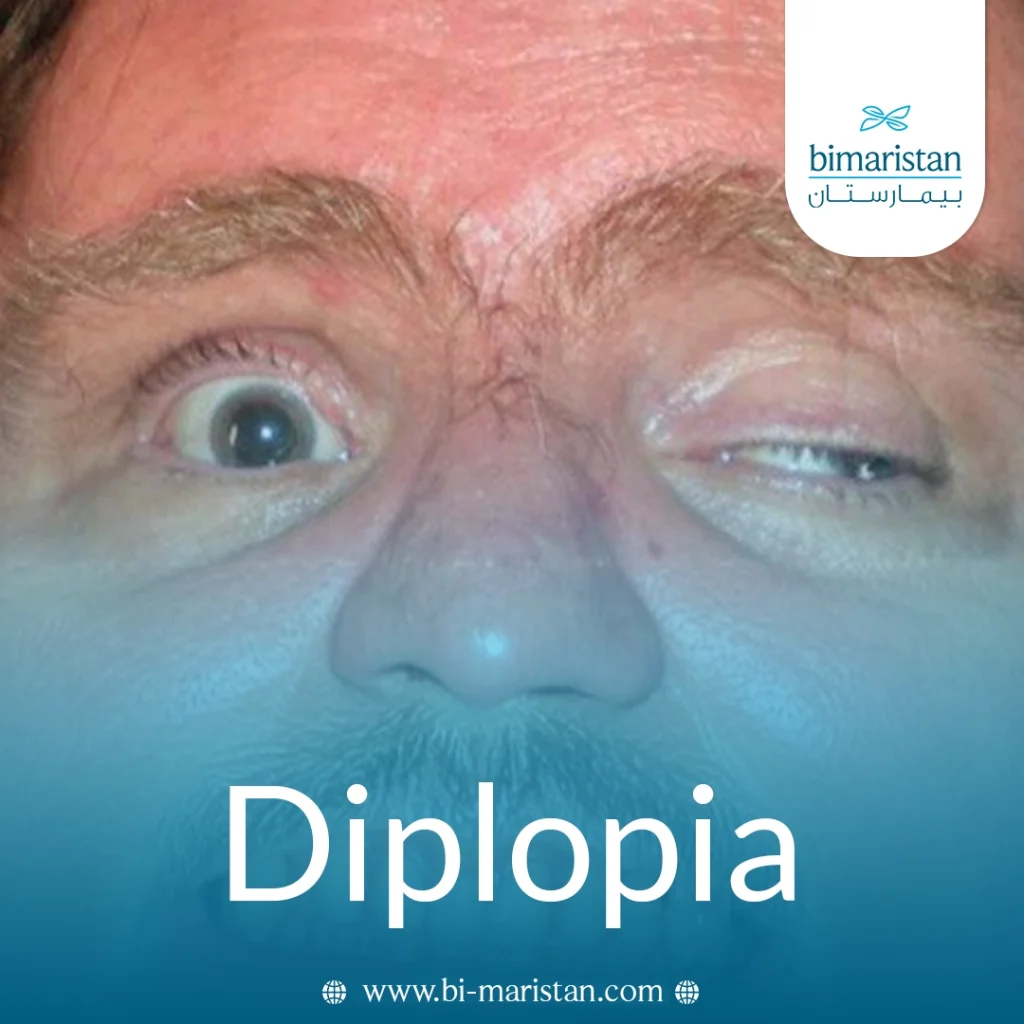
Double vision is an important visual symptom that often indicates disorders at the level of the eye or the nervous system, as it is characterized by seeing one object as two separate images, which may be a transient or permanent symptom, monocular or binocular, as each of these conditions has different etiologies and clinical symptoms
What is double vision, and what are the types of double vision?
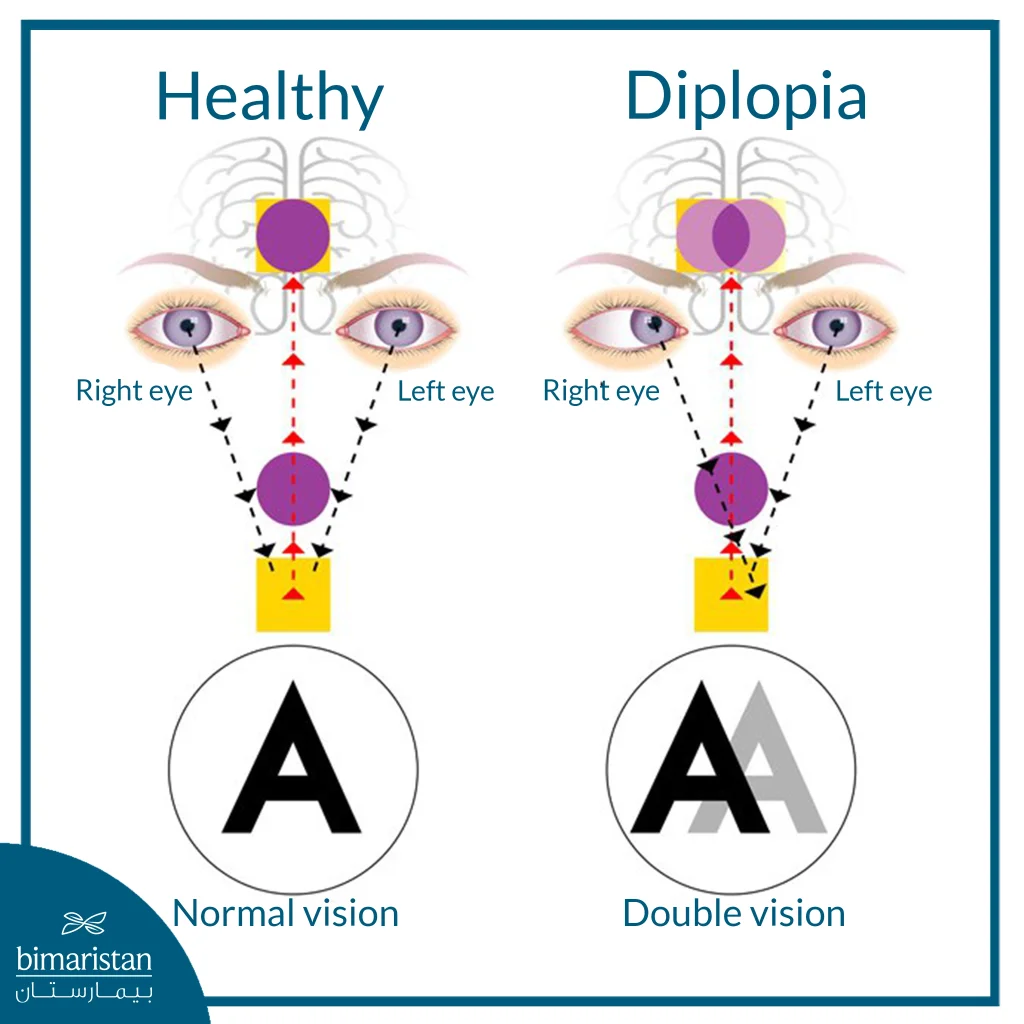
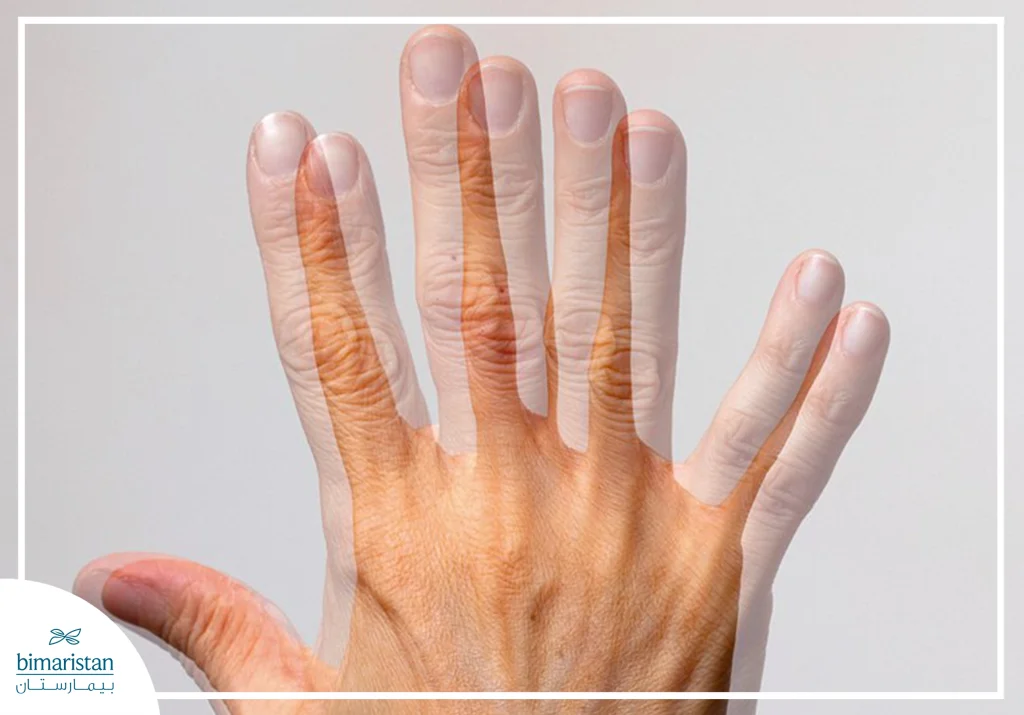
Diplopia: It is a visual symptom characterized by seeing a single object as two separate images, caused by a misalignment of the eyes or a disorder in the visual system that leads to a mismatch between the images received by the retina in both eyes:
- Monocular Diplopia: it is double vision caused by an internal issue in the affected eye that persists when the other eye is closed, often associated with refractive disorders or visual abnormalities within the eye.
- Binocular Diplopia: It is a double vision that occurs only when both eyes are used together and disappears when one eye is closed. This type arises due to misalignment of the eyes as a result of a disorder in the nerves or muscles responsible for eye movement, resulting in two different images reaching the brain instead of one identical image.
What are the causes of double vision?
The causes of double vision are varied and differ whether it is monocular or binocular
Causes of monocular double vision
- Uncorrected astigmatism
- Corneal scarring
- Keratoconus
- Severe dry eye
- Cataract
- Uncorrected refractive errors
- Retinal diseases that cause distortion of the image, such as : Macular degeneration and macular edema.
Causes of Binocular double vision
- Injury to the cranial nerves that move the eye (third, fourth or sixth cranial nerve)
- Ocular myopathy caused by thyroid disease
- Myasthenia Gravis
- Diabetic ophthalmopathy
- Brain stem diseases
- Multiple sclerosis
- Brain tumors or strokes
What are the symptoms of double vision?
Symptoms of double vision are varied and include the following:
- Seeing two images instead of one
- Pain around the eyes in the eyelids or eyebrows
- Limited eye movement
- Difficulty fixing vision
- Ptosis
- Dizziness or loss of balance
- nausea
Diagnosis of double vision
There are a variety of ways to diagnose double vision:
Pathological history
- Determine the type of double vision: Monocular or binocular
- The onset and nature of the symptoms (sudden or gradual, constant or fluctuating)
- Associated symptoms: Headache, droopy eyelids, muscle weakness
- Risk factors: Head injuries, diabetes, thyroid disease
Clinical examination
- Checking visual acuity and refraction
- Eye movement screening
- Cover test: To detect strabismus and aberrations
- Evaluation of cranial nerve oculomotor nerves
- Pupil and fundus examination
Imaging tests
- Magnetic resonance imaging: When central neurological causes are suspected.
- Angiography: When an aneurysm is suspected to be pressing on the nerves.
Laboratory tests
- Thyroid functions
- Anti-Myasthenia antibodies
- Blood sugar and indicators of inflammation
What is the treatment for double vision?
There are a variety of ways to treat double vision, depending on each patient and each medical condition
Addressing the underlying cause
- Monocular : Treatment is focused on the eye itself, such as correcting refractive errors with glasses or contact lenses, treating dry eye with moisturizing drops or cataract surgery when the opacity is advanced.
- Bilateral : Depends on treating the neurological or muscular cause, such as treating the cause of cranial nerve paralysis (by treating diabetes or high blood pressure), treating myasthenia gravis (with acetylcholine inhibitors, steroids, or immunotherapy), and treating ocular myopathy caused by thyroid disease.
Visual therapy for symptom relief
- Use prisms/prisms in glasses: To unify the two images and improve visual integration.
- Temporarily blocking one eye when there is severe or fluctuating diplopia to facilitate daily vision.
Surgery
- Eye muscle surgery: To realign the eyes in cases of persistent strabismus or muscle weakness.
- Repairing orbital fractures or removing tumors or infections when needed to relieve pressure on the eye muscles or cranial nerves.
Visual Rehabilitation
Exercises aimed at strengthening the eye muscles and improving visual integration, especially in cases of chronic diplopia or after strabismus surgery, help patients improve the ability to focus and stabilize vision.
In conclusion, double vision is an important symptom because it reflects an intraocular or neurological disorder, making careful evaluation essential so that we can properly treat the cause, prevent it from worsening, minimize its harm, and restore normal vision to the patient
Sources:
- American Academy of Ophthalmology. (n.d.). Basic and clinical science course (BCSC): Neuro-ophthalmology. American Academy of Ophthalmology.
- Bradley, W. G., Daroff, R. B., Fenichel, G. M., & Jankovic, J. (2016). Neurology in clinical practice (7th ed.). Elsevier.
- Kanski, J. J., & Bowling, B. (2020). Clinical ophthalmology: A systematic approach (9th ed.). Elsevier.