
Disc‑related neck pain remains one of the most widespread spinal issues, with research showing that nearly 20–30% of adults face recurring symptoms annually. Neck disc exercises offer a practical way to enhance neck flexibility and build strength in the supporting spinal muscles. Studies also reveal that consistent movement‑based therapy can reduce pain by up to 45% within the first few weeks. These exercises are considered a key component of conservative treatment plans before exploring surgical interventions.
What is a neck disc, and how does it occur?
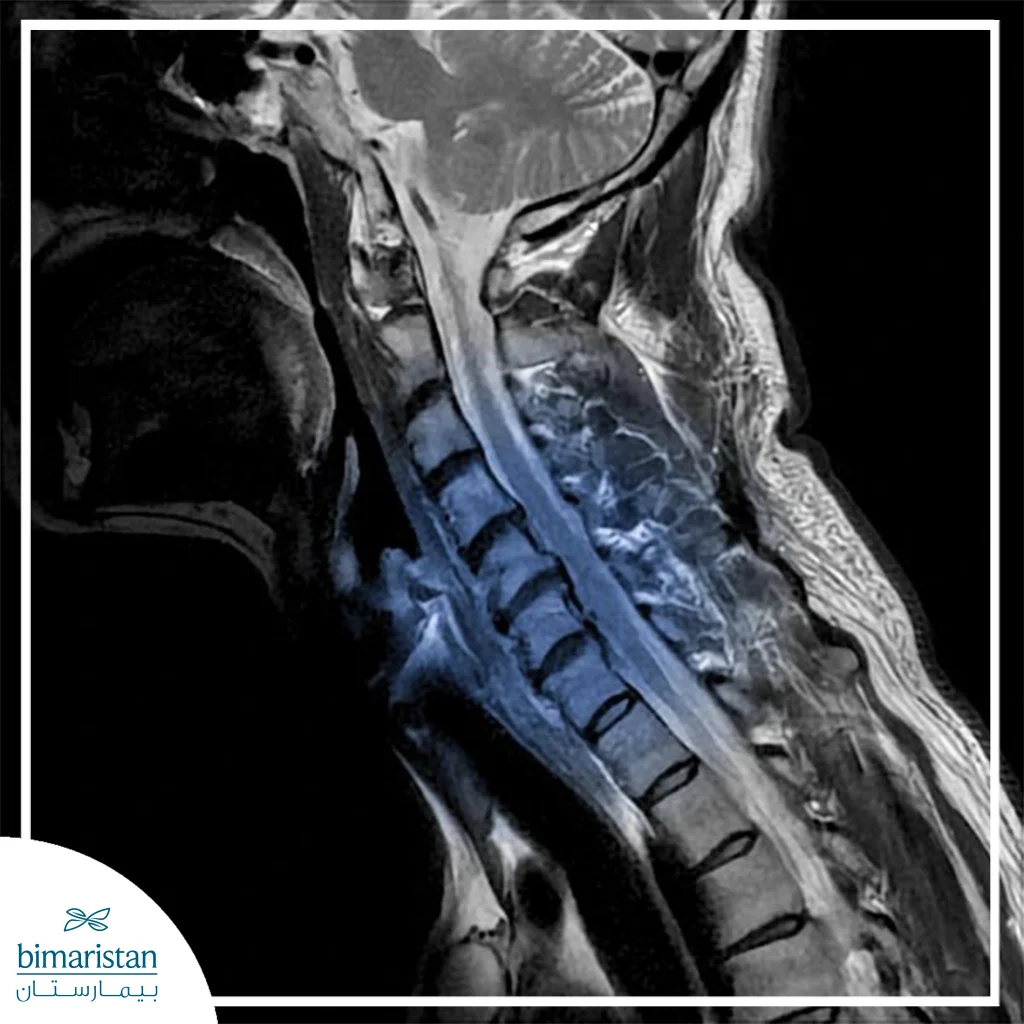
A neck disc is a slipped or eroded cartilaginous disc located between the vertebrae of the cervical spine. These discs act as cushions that absorb shock, protect the spinal cord, and help the neck move smoothly. However, when a disc weakens or protrudes, it can compress the nerve roots coming from the spinal cord. This compression may lead to pain in the neck or upper limbs.
A neck disc usually occurs as a result of multiple factors, such as prolonged sitting in the wrong posture, weakness of the muscles supporting the neck, and aging, which reduces the hydration and elasticity of the disc. Additionally, performing repetitive movements incorrectly can strain the discs. In some cases, sudden loading or direct injury may cause rupture of the outer layer of the disc, and symptoms of disc slipping may appear abruptly.
The importance of neck disc exercises in relieving pain
Neck disc exercises are an essential component of conservative treatment because they reduce pressure on the nerves by improving vertebral flexibility and strengthening the surrounding muscles. When practiced regularly, proper exercises increase blood flow to the area, nourishing the cartilage and speeding up the natural healing process.
These exercises relieve stiffness and reduce muscle spasms, which are among the most common causes of increased pain. Studies show that a 4-6 week therapeutic exercise program can reduce pain intensity by 30-50% in most patients. In addition, the exercises help improve neck posture, thereby reducing repetitive mechanical stress that exacerbates disc symptoms.
Best neck disc exercises
There are many home exercises that can reduce disc pain and improve symptoms.
Back neck muscle stretches
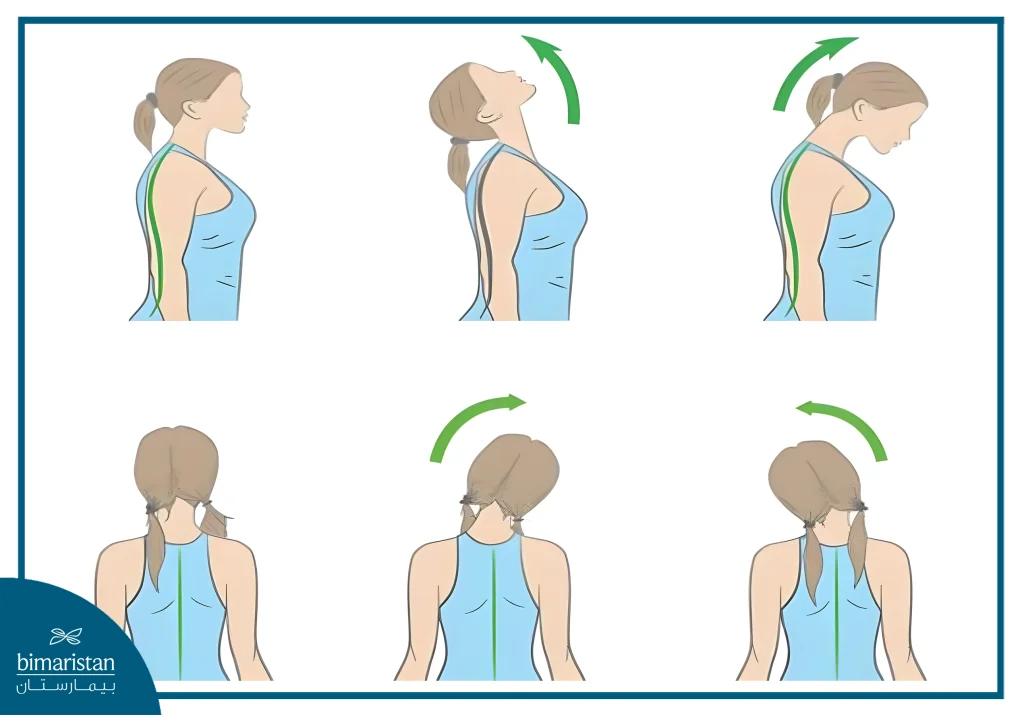
This exercise helps relieve muscle tension in the back of the neck, which reduces pressure on the nerve roots, and can be performed by tilting the patient’s head forward until the person feels a slight stretch and then maintaining the position for 15-20 seconds, and repeating this exercise 3 times without any sudden movements.
Sternocleidomastoid (SCM) stretch
This exercise targets the muscles that extend from the neck to the shoulder, which play a major role in supporting the cervical spine. The exercise is done by tilting the head to one side with a light hand, pulling to get a comfortable stretch. Repeat 3 times on each side, and avoid excessive force.
Lateral neck atretch
This exercise helps to reduce lateral stiffness and improve rotational mobility, performed by tilting the head towards the shoulder while keeping the shoulders level, holding the stretch for 20 seconds per side, and repeating 2-3 times.
Chin Tuck exercise
This is one of the most important exercises for neck discs because it strengthens the deep muscles that support the vertebrae. This exercise is performed by pulling the chin inward as if the person wants to form a “double chin”, while keeping the neck straight. Hold this position for 5 seconds and repeat 10 times.
Neck rotation for flexibility
This exercise increases the range of motion of the vertebrae and relieves spasms. It is performed by slowly rotating the head to the right and then to the left within the limits of comfort, repeating 10 times without straining or causing pain.
Upper shoulder strengthening exercise
It helps support the neck by strengthening the muscles that connect the shoulder to the spine. This exercise can be performed by lifting the shoulders and then lowering them slowly, or by using very light weights as needed, and repeated 10-12 times while maintaining proper posture.
Exercises to avoid for neck disc patients
Some exercises may increase pressure on the cervical discs or exacerbate nerve irritation; therefore, patients with neck disc disease are advised to avoid them altogether or perform them only under professional supervision. Some of these exercises include:
- Sudden or high-speed movements: These include rapidly rotating the neck or performing exercises that involve violent movement, as they increase mechanical stress on the vertebrae and may cause worsening pain or dizziness.
- Exercises involving hyperflexion or hyperextension: These positions apply direct pressure to the affected disc and may increase herniation or inflammation.
- Lifting heavy weights above head level: Exercises like the shoulder press or lifting weights while bending forward place significant strain on the supporting muscles and increase compression on the cervical vertebrae.
- Headstands or handstands: These exercises place the entire body weight on the neck, making them dangerous even for healthy individuals, let alone patients with disc disease.
- Exercises that require vigorous twisting movements: Such as vigorous neck or upper body rotational exercises, which may increase pressure on the nerves near the herniated disc.
- High-resistance neck exercises: These exercises rely on external resistance, such as pushing the head against the hand with maximal force, which strains the deep muscles surrounding the disc.
These exercises should be avoided in patients with neck disc disease, as they can aggravate symptoms and worsen the condition.
Differences between home exercises and physical therapy exercises
Although exercising at home is comfortable for the patient in terms of controlling the right time to do them and being able to perform them alone, physical therapy for neck discs is still much better for such a case, as the supervision of the specialized team increases the quality of the exercises and improves the patient’s symptoms of slippage.
Level of supervision and accuracy
Home exercises require the patient to carry out instructions independently without medical supervision, which limits the ability to correct errors in movement or posture. In physical therapy, the performance is supervised by a specialist who can immediately modify the exercise and determine the safe limits of movement.
Exercise intensity and quality
Home exercises are generally light and simple, focusing on stretching and improving flexibility, making them suitable for mild to moderate cases. In contrast, physical therapy sessions involve more advanced exercises using cervical traction devices, controlled resistance, and targeted movements that engage the deep stabilizing muscles with greater precision.
Ability to assess the situation and update the plan
At home, the patient cannot assess the response of the neck muscles or nerves, whereas the physical therapist periodically assesses progress and adjusts the program based on pain, strength, and mobility, thereby increasing the effectiveness of treatment.
Safety and minimizing the risk of worsening pain
Performing exercises incorrectly at home may increase pressure on the disc and thus irritate the nerve, whereas in physiotherapy sessions, the specialist ensures that movement is controlled and avoids exercises that may cause damage or unintended stress.
Impact of assistive therapy devices
Advanced medical devices, such as electrical stimulation, ultrasound, low-intensity lasers, or cervical traction devices, are not available at home; however, incorporating these techniques into physical therapy can help relieve pain quickly and accelerate recovery.
Expected results
Home exercises typically help maintain improvement and prevent deterioration, whereas guided exercises in physical therapy are used to control acute pain, correct neck mechanics, and accelerate recovery, particularly in cases of moderate or advanced disc herniation.
The role of lifestyle in supporting exercise results
Lifestyle plays a key role in the success of neck disc exercises and achieving long-term improvement. Even the best treatment programs can be ineffective if the bad daily habits continue to stress the vertebrae, so choosing correct sitting postures at work, using supportive chairs, and keeping the screen level with the eyes can significantly reduce mechanical stress on the neck.
Sleeping on a medium-height pillow promotes cervical spine alignment and reduces morning cramps. Daily activity also plays an important role. Maintaining moderate activity (such as walking and light stretching) improves blood flow to the muscles and cartilage. Nutrition is equally important. Foods rich in omega-3s, anti-inflammatory compounds, and water support disc health and reduce inflammation.
Neck disc exercises for the elderly
Because aging reduces cartilage elasticity and increases the risk of stiffness in the muscles surrounding the vertebrae, neck disc exercises should be gentle, slow, and safe, tailored to each person’s motor ability, and should avoid any movement that may cause dizziness or sudden pain.
Low-intensity stretching
Gentle forward and lateral neck stretches, held for 10-15 seconds, can help relieve morning stiffness and enhance range of motion without compressing the nerves.
Balance and stabilization exercises
The Chin Tuck exercise is one of the most suitable movements for older adults, as it strengthens the deep stabilizing muscles of the cervical spine without causing strain. It should be performed very slowly and repeated 5–8 times.
Exercises to improve blood flow and reduce spasm
Gentle neck rotation to the right and left within a comfortable range enhances blood circulation to the muscles and reduces tension, provided that wide or rapid rotations are avoided.
Simple shoulder‑strengthening exercises
Slowly lifting the shoulders upward and then lowering them is a safe exercise that supports the neck from below. These movements help prevent muscle fatigue and improve posture during walking or sitting.
When should you consider medical or surgical treatment?
Although most cervical disc cases respond well to conservative management, such as rest, movement‑based therapy, and physical rehabilitation, some individuals may require medical intervention or even cervical disc surgery if conventional methods fail to relieve symptoms. Medical evaluation is recommended when severe pain persists for more than 6–8 weeks despite regular exercises and supportive therapy, or when symptoms suggest significant nerve compression.
Urgent medical assessment is needed if symptoms include numbness or weakness in the arm or fingers, loss of sensation in part of the hand, reduced grip strength, or electric‑shock sensations radiating from the neck to the hand. Loss of balance, difficulty walking, or signs of spinal cord compression are also considered red flags requiring immediate evaluation.
Neck disc exercises are a fundamental component of pain management and quality-of-life improvement, particularly when performed under professional supervision. With advancements in modern rehabilitation methods, achieving better outcomes has become more accessible. Specialized centers in Turkey offer comprehensive treatment programs that integrate movement therapy with ongoing assessment to ensure optimal outcomes. Patients seeking professional care can benefit from the expertise of advanced medical teams known for their integrated services in this field.
Source: