
Cerebellar tumors affect the lower back part of the brain, which controls balance and coordinated movement. Although they are not the most common type of brain tumor, they account for approximately 10% of all brain tumors and occur relatively more often in children. Due to their sensitive location in the posterior cranial fossa, they can directly impact neurological functions and cause a range of symptoms. As a result, cerebellar tumors treatment requires a specialized and individualized approach based on the tumor’s type, grade, and extent. Treatment may involve surgery, radiation therapy, chemotherapy, or a combination of modalities, with the goal of controlling the tumor while preserving neurological function and quality of life as much as possible.
What are cerebellar tumors?
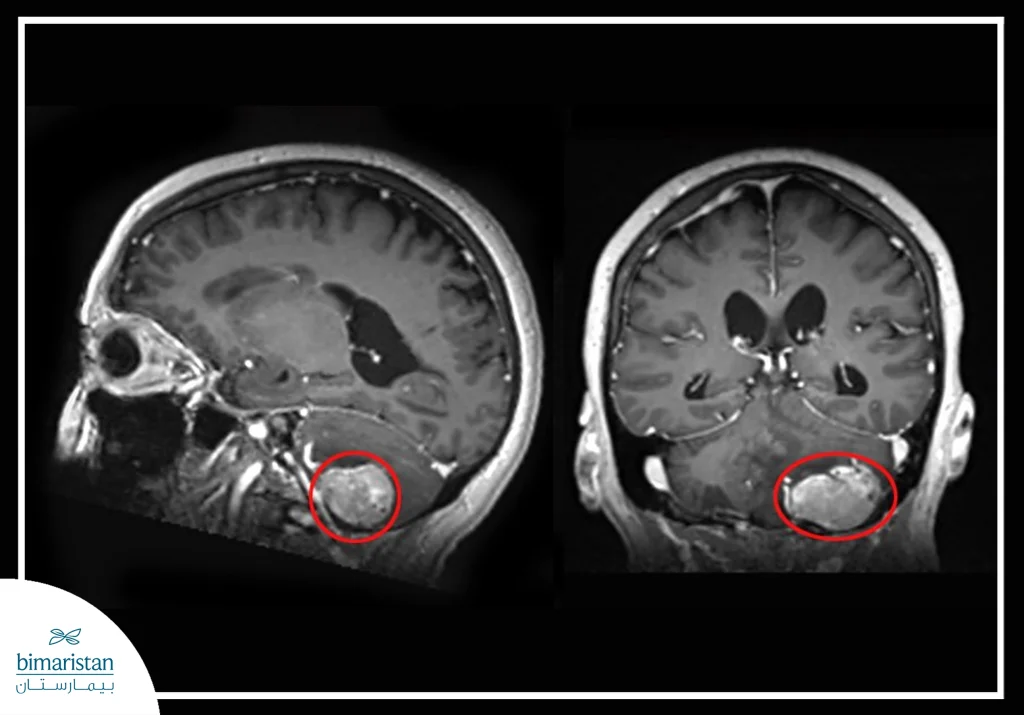
Cerebellar tumors are abnormal growths of cells within the cerebellum, the part of the brain at the back and bottom of the head responsible for coordinating fine motor skills, maintaining balance, and regulating muscle tone. These tumors arise either from the cerebellar tissue itself or from cancer cells spreading from other parts of the body; they can be slow-growing and benign or rapidly spreading and malignant. The danger of cerebellar tumors lies not only in their nature but also in their sensitive location within the posterior cranial fossa, where any increase in tumor size can compress adjacent neural structures or obstruct the flow of cerebrospinal fluid, directly affecting nervous system functions.
Cerebellar tumors typically present with balance and movement symptoms, such as unsteadiness while walking, tremors, and difficulty coordinating voluntary movements, along with general symptoms of increased intracranial pressure, such as persistent headaches, nausea, and vomiting, especially in the morning. The clinical presentation varies by age; some types are more common in children, while others are more prevalent in adults. Early diagnosis is key to improving treatment outcomes, as it allows accurate identification of the tumor type and development of an appropriate treatment plan to control the tumor and preserve neurological function as much as possible.
Types of cerebellar tumors
Cerebellar tumors are divided into several main categories based on cell type, growth rate, and age at onset. Knowing the exact tumor type helps select the most appropriate treatment plan and assess the course of the disease. Cerebellar tumors may be benign and slow-growing or malignant and capable of spreading; their characteristics also differ significantly between children and adults.
Benign cerebellar tumors
Benign tumors grow relatively slowly and typically do not spread beyond their original site. One of the most common is the low-grade astrocytoma, which arises from the supporting cells of the nervous system and is considered one of the most common cerebellar tumors in children. Although benign, their location may cause significant neurological symptoms due to pressure on the cerebellar tissue or obstruction of cerebrospinal fluid flow.
Malignant cerebellar tumors
These tumors are characterized by their rapid growth and their ability to invade neighboring tissues or spread through the cerebrospinal fluid. Medulloblastoma is one of the most common malignant tumors of the cerebellum, especially in children, and requires intensive treatment combining surgery, radiation therapy, and chemotherapy. These tumors typically present with severe and rapidly progressing symptoms that require urgent medical intervention.
Cerebellar tumors in children
Cerebellar tumors make up a significant portion of brain tumors in children and are frequently linked to noticeable issues with balance and walking. The way these tumors respond to treatment varies based on their type and stage. When planning treatment, it is important to consider the long-term effects on the child’s neurological and cognitive development.
Cerebellar tumors in adults
They are less common than in children and often involve high-grade astrocytomas or tumors resulting from the spread of cancer from other organs to the brain. These tumors tend to present with gradual onset of symptoms, and treatment depends on the patient’s overall condition and the extent of the tumor’s spread.
Causes and risk factors for cerebellar tumors
There are various causes and risk factors associated with cerebellar tumors, and in many instances, the exact cause is not clearly identified. However, medical studies indicate several factors that may increase the likelihood of developing these tumors. Cerebellar tumors are linked to abnormalities in nerve cell development or division, resulting in abnormal cell proliferation within cerebellar tissue. Additionally, genetic factors play a significant role in some cases, particularly in children, as certain genetic syndromes are associated with an increased risk of developing central nervous system tumors.
Exposure to ionizing radiation at a young age is a significant risk factor, especially when radiation therapy has been used to treat conditions involving the head. Additionally, certain immune disorders or a family history of brain tumors may further increase the risk of developing cerebellar tumors. Some types of cerebellar tumors are more common in children than in adults, while other tumors in adults often arise from cancer that has spread from other organs to the brain. Despite these known risk factors, a substantial number of cases still remain unexplained. This highlights the importance of ongoing medical follow-up and early diagnosis when unexplained neurological symptoms appear.
Symptoms of cerebellar tumors
Symptoms of cerebellar tumors arise as a result of the tumor affecting the part of the brain responsible for balance and coordination, as well as the pressure the tumor may exert on nearby neural structures or on the flow of cerebrospinal fluid. Symptoms often develop gradually, and their severity may vary depending on the tumor’s size, growth rate, and exact location within the cerebellum. Symptoms may also be more pronounced in children than in adults.
Balance disorders are among the most common symptoms; patients may feel unsteady while walking, be prone to falls, and have difficulty coordinating fine motor skills such as writing or grasping objects. Tremors or slowness in voluntary movements may occur, and speech may become halting or unclear due to impaired muscle control.
General neurological symptoms
Cerebellar tumors may be accompanied by a persistent headache that worsens in the morning, as well as nausea or vomiting without an obvious gastrointestinal cause, due to increased intracranial pressure. The patient may also experience dizziness, blurred vision, or double vision, as well as fatigue and difficulty concentrating, especially in advanced stages.
Symptoms resulting from pressure on adjacent structures
As a tumor grows, it can put pressure on the brainstem or block the flow of cerebrospinal fluid. This may worsen neurological symptoms and cause more serious signs. In children, symptoms can include behavioral changes, delays in motor development, or increased head circumference. These signs indicate the need for an urgent medical evaluation to diagnose the condition and create an appropriate treatment plan.
How are cerebellar tumors diagnosed?
Cerebellar tumors are diagnosed through a comprehensive series of steps aimed at accurately determining the tumor’s location, size, and nature, while assessing its impact on neurological function. Diagnosis usually starts with clinical suspicion when symptoms related to balance and movement, or signs of increased intracranial pressure, are present. This is followed by a series of specialized tests to reach an accurate diagnosis.
Clinical examination
The first step in diagnosing cerebellar tumors is a clinical examination, during which the doctor performs a comprehensive neurological evaluation that includes testing balance, motor coordination, muscle strength, and nerve reflexes. These tests help determine whether the symptoms stem from a cerebellar disorder and provide initial indications of the condition’s severity and its impact on the patient’s daily functioning.
Radiological examinations
Magnetic resonance imaging (MRI) is the primary method for diagnosing cerebellar tumors, as it provides detailed images of neural structures and shows the tumor’s location, boundaries, and relationship to surrounding tissues. Computed tomography (CT) is sometimes used in emergencies to detect bleeding or identify hydrocephalus.
Biopsy and tumor typing
If imaging alone does not clarify the tumor’s nature, a biopsy may be performed to accurately determine the cell type and grade. A biopsy is an essential step in developing a treatment plan; it helps determine the most appropriate treatment, whether surgical, radiation, or medication. It also allows assessment of disease progression and helps predict how well treatment will work.
Cerebellar tumors treatment
Cerebellar tumors treatment depends on several factors, most notably the tumor type, size, location within the cerebellum, and growth rate, as well as the patient’s age and overall health. The goal of treatment is to remove the tumor or control it as much as possible, while preserving neurological function and minimizing long-term complications. A multidisciplinary medical team, including specialists in neurosurgery, oncology, and radiology, often develops the treatment plan.
Surgical treatment
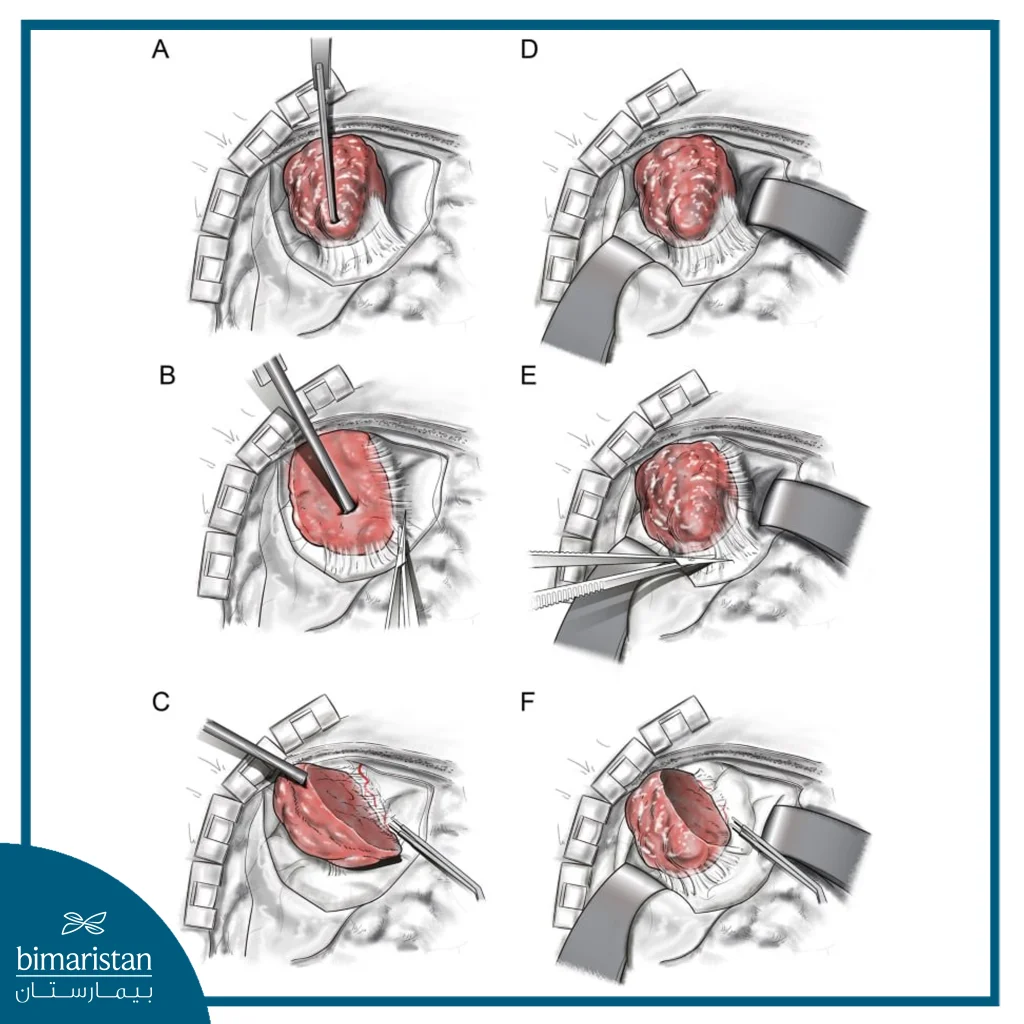
Surgical intervention is the primary treatment option in many cases of cerebellar tumors, especially when the tumor can be completely or partially removed without causing significant damage to the surrounding nervous tissue. Surgery helps relieve intracranial pressure and improve neurological symptoms, and it also provides an opportunity to obtain a tissue sample to confirm the diagnosis. The degree of surgical difficulty varies depending on the depth of the tumor and its proximity to vital structures such as the brainstem.
Radiation therapy
Radiation therapy is used as an adjunct to surgery or as a primary treatment option in cases where complete surgical resection is not possible. This treatment involves directing precise beams of radiation at the tumor to destroy tumor cells or halt their growth while minimizing impact on surrounding healthy tissue. Thanks to advanced techniques, treatment precision has improved, resulting in fewer side effects.
Chemotherapy
Chemotherapy is used specifically for certain types of malignant tumors or in children, where drugs target the rapidly dividing cells. Chemotherapy may be used alone or in combination with surgery and radiation therapy; the type of medication and treatment regimen vary depending on the type of tumor and its expected response.
Modern and supportive treatments
In some cases, targeted therapy or immunotherapy may be used; these are modern treatment options that target specific mechanisms in tumor cells. Rehabilitation also plays an important role after treatment, as physical and occupational therapy sessions help improve balance and mobility and restore the ability to perform daily activities, which positively impacts the patient’s quality of life.
Cerebellar tumors treatment in children
Cerebellar tumors treatment in children varies based on the type and grade of the tumor, as well as the child’s age. A specialized medical team is involved in providing this treatment. Typically, surgery is the first-line approach, aimed at removing as much of the tumor as possible while preserving healthy brain tissue.
After surgery, radiation therapy or chemotherapy may be followed depending on the type of tumor, taking care to minimize the effects on brain development. Long-term follow-up and rehabilitation are also crucial to support the child’s development and improve quality of life.
Expected outcomes and recovery rates
Expected outcomes and cure rates for cerebellar tumors vary by tumor type and grade, stage at diagnosis, and the patient’s age and response to treatment. In general, the chances of recovery are higher for benign or low-grade tumors when they are detected early and can be completely removed surgically. The prognosis for malignant tumors relies on a combination of surgery, radiation therapy, and chemotherapy. Advances in treatment techniques and regular follow-up improve disease control rates and reduce complications, which positively impacts patients’ quality of life.
In conclusion, cerebellar tumors treatment depends on several factors, including the tumor type, size, location, and the patient’s overall health. Advances in neurosurgery, radiation therapy, and targeted treatments have significantly improved outcomes and expanded the available treatment options. Early diagnosis, individualized treatment planning, and close follow-up by a multidisciplinary medical team are essential for achieving the best possible results. By combining advanced medical technologies with specialized expertise, patients with cerebellar tumors can benefit from more effective treatment, improved quality of life, and better long-term outcomes.
Sources: