
Glaucoma treatment is a common operation, and it is one of the most important eye diseases, so it needs the best and most skilled hands from Turkish doctors to perform it.
What is glaucoma treatment?
Glaucoma treatment is a common operation performed daily. It is one of the most important methods of treating glaucoma in the eye. It requires special care for the sensitive visual tissue to achieve the best success rate and reduce the cost of the operation in the most important eye clinics specialized in performing glaucoma surgery in Turkey.
An overview of glaucoma disease in the eye
The eye constantly produces aqueous humor (a clear, watery fluid similar to plasma that provides nutrition to the components of the eye in its anterior section and maintains the eye pressure in this section constant). This aqueous humor needs to be drained, and its drainage occurs through the scleral venous sinus, or what is called Schlemm’s Canal.
Schlemm’s canal is located at the corneoscleral junction (above the junction of the cornea and sclera). It drains the aqueous humor and maintains the pressure balance in the anterior eye.
Any defect or deficiency in the drainage of this aqueous humor (whatever the cause) will increase eye pressure, which will affect the optic nerve.
Glaucoma causes chronic and gradual damage and destruction of the optic nerve (a bundle of nerve fibers that carries visual messages from the retina to the brain), which may lead to blindness.
The main cause of blindness due to glaucoma, as we mentioned, is high eye pressure, which causes damage to the optic nerve that may not be reversible.
Approximately 80 million people around the world suffer from glaucoma, which is the most common cause of blindness in the elderly.
Types of glaucoma in the eye
Glaucoma can be divided into two main categories: primary glaucoma (if the cause is unknown) and secondary glaucoma (if the cause is known).
Primary Glaucoma
It is the most common type, as most cases are idiopathic, and we mention several types of this type:
Open-angle glaucoma
This is the most common type of primary and secondary glaucoma, and it occurs gradually as the eye does not drain the aqueous humor properly (such as a blocked drain); as a result, eye pressure increases and begins to damage the optic nerve. This type of glaucoma is painless and does not cause changes in vision at first.
Its danger comes here, as the patient does not feel any pain at first and does not come to the doctor until his vision begins to deteriorate, and he may come and have lost his vision completely.
Closed-angle glaucoma
Closed-angle glaucoma is an emergency condition that requires emergency medical intervention to save the eye and vision.
In this type of glaucoma, the outer edge of the iris (the colored part of the eye) prevents the drainage of fluids (aqueous humor) from the front of the eye, so the fluid accumulates quickly, leading to a sudden increase in eye pressure.
If left untreated, angle-closure glaucoma can cause blindness within a few days.
Congenital glaucoma
This occurs in newborns and is a rare condition rarely seen.
These children usually have a problem with fluid drainage in the front part of the eye.
Secondary glaucoma
This is caused by other diseases, whether eye or systemic. The types include:
Vascular glaucoma
This is caused by the eye forming new blood vessels in the place where fluid drains (Schlemm’s canal).
This condition often arises from other medical conditions, such as high blood pressure or diabetes.
Pigmentary glaucoma
Pigmentary glaucoma occurs when pigment (color) falls out of the iris (the colored part of your eye), and these pigment molecules prevent fluid from draining.
Small white men nearsighted are more likely to develop pigmentary glaucoma, and people with this glaucoma often have blurry vision or see rainbow-colored rings around lights, especially when playing sports.
Uveal glaucoma
Uveal glaucoma can occur in people with iritis, which causes swelling and inflammation in the eye.
About 2 out of 10 people who have iritis develop uveitic glaucoma. Doctors aren’t sure how iritis causes uveitic glaucoma, but they think it might happen because iritis can cause inflammation and scar tissue in the middle of the eye. This can damage or block the part of the eye where fluid drains, causing increased eye pressure and leading to uveitic glaucoma and vision loss.
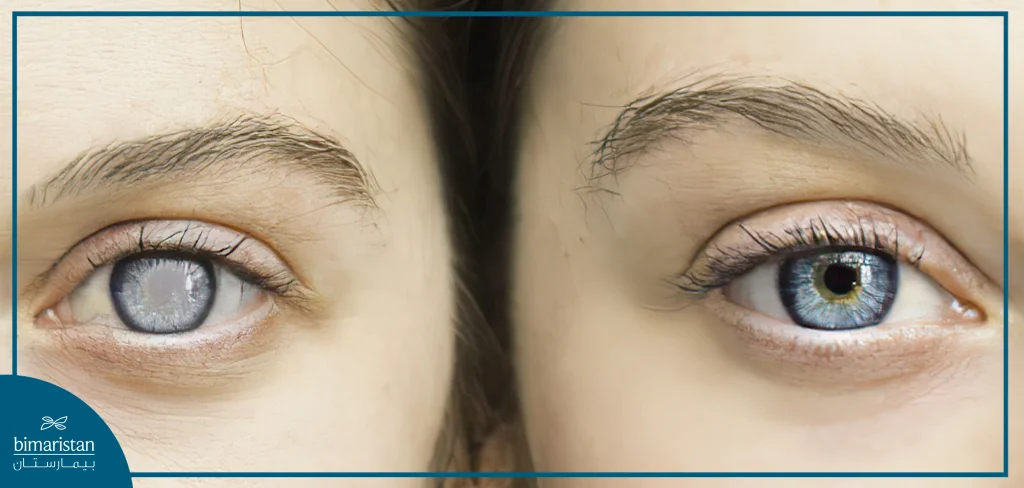
Glaucoma Surgery
Glaucoma surgery reduces eye pressure to preserve the optic nerve, stabilize vision, and prevent future vision loss.
If eye drops or oral medications do not adequately treat the condition, your doctor may recommend glaucoma surgery.
The goal of surgically treating glaucoma is to create a new opening to drain fluid from the eye (or by implanting a shunt to help drain fluid). Surgical treatment of glaucoma can lower eye pressure and help stabilize vision for a very long time, but regular follow-up is always required.
The latest techniques for treating cataracts and glaucoma are now available in Turkey, significantly reducing complications.
When is glaucoma surgery necessary?
Most cases of glaucoma can be controlled with drops and medications, usually using one or more medications. Surgery may be the best and most effective in certain cases.
Many patients with glaucoma fail to use eye drops as directed, and as a result, the need for surgical treatment increases.
Types of Glaucoma Surgery in Turkey
There are many glaucoma surgeries, and the best and most famous doctors in Turkey will evaluate your condition individually and help you decide which option is best for you.
Minimally invasive glaucoma surgery (MIGS) in Turkey
Doctors often prefer minimally invasive glaucoma surgeries over other surgeries.
Minimal-invasive surgery has fewer side effects and complications than other glaucoma surgeries, such as trabeculoplasty (however, in some cases, people need to undergo traditional glaucoma surgeries despite the high incidence of complications).
Minimal invasive glaucoma surgery requires making small, microscopic incisions to increase the flow of aqueous humor from the eye. The trabecular meshwork is a network of tissue in the anterior chamber between the cornea, iris, and ciliary body that drains aqueous humor from the eye into the bloodstream. If this network becomes blocked, eye pressure can rise to dangerous levels.
Minimal invasive glaucoma surgery aims to lower the pressure by creating new passages through or around the trabecular meshwork using small shunts or stents, allowing aqueous humor to drain from the eye more easily.
Types of MIGS surgeries include The following:
- Microtrabeculectomy (minimally invasive procedure).
- Implantation of a small stent in the trabecular meshwork.
- Some laser procedures.
With micro trabeculectomy, small tubes are inserted into the drainage angle to open the blocked channels for draining aqueous humor from the anterior chamber of the eye down to the thin outer membrane (conjunctiva) that covers the white of the eye (sclera).
Modern devices make micro trabeculectomy safer.
Laser glaucoma surgery, called selective laser trabeculoplasty, is the first line of surgical treatment for open-angle glaucoma. Using laser beams, we create small holes that allow the eye fluids to drain better and relieve eye pressure.
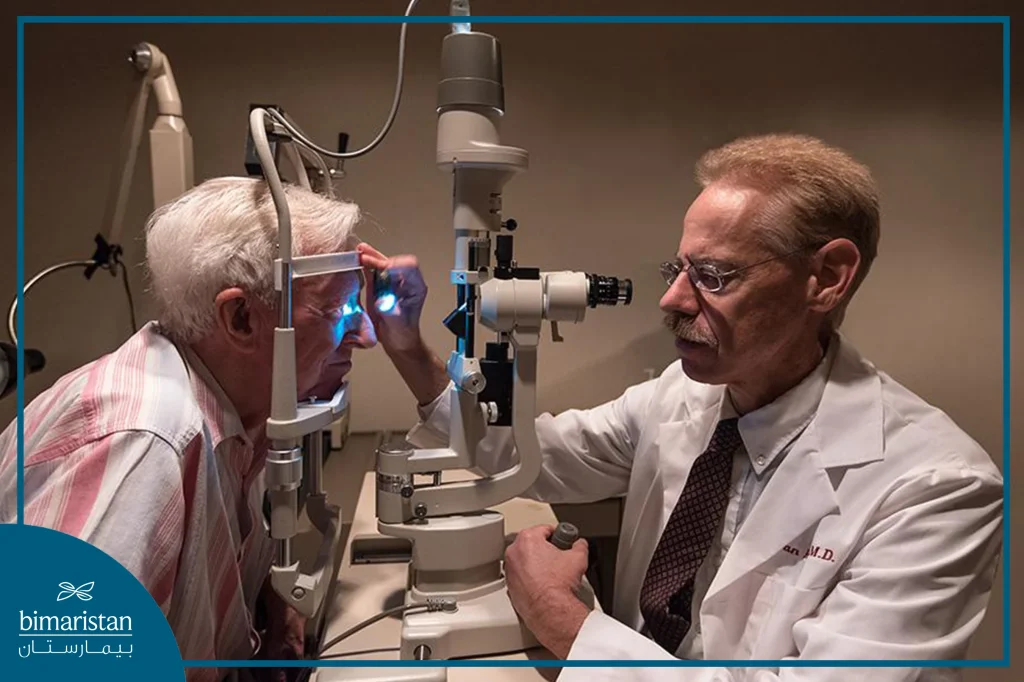
This procedure can be performed in an ophthalmologist’s office or in a hospital. According to the latest studies, laser glaucoma surgery can reduce eye pressure by 20-30%, with a success rate of about 80%.
These results may not be permanent, but this treatment can be repeated safely many times.
Trabeculectomy for glaucoma treatment
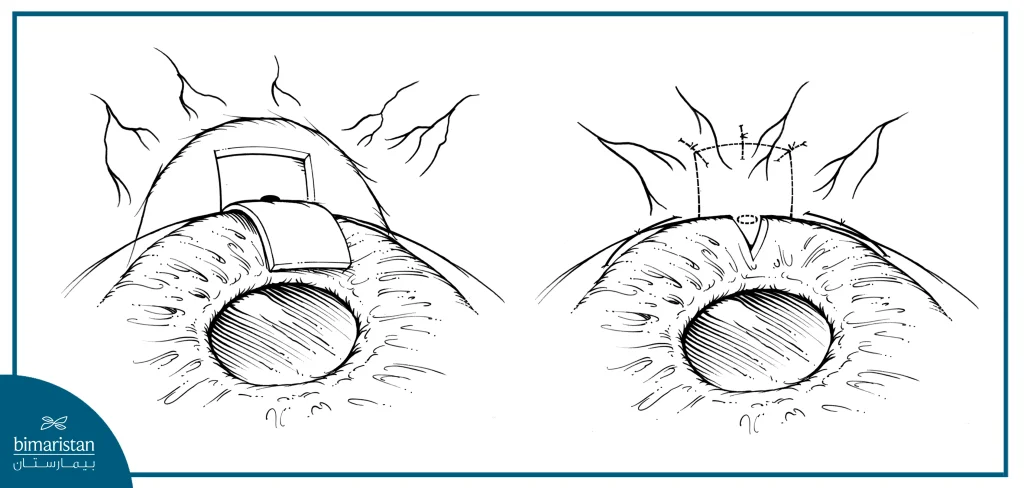
This is the most important glaucoma surgery; it significantly reduces eye pressure. In this procedure, a piece of the trabecular meshwork is removed to increase the flow of aqueous humor.
The surgeon cuts a portion of the conjunctiva that covers the sclera near the junction of the cornea and sclera and makes a flap of the sclera. The specialist then folds this flap back and removes a small piece of the trabecular meshwork and iris to create a drain or valve in the eye’s anterior chamber. This flap is then returned to be sutured in place with fine nylon threads, allowing the aqueous humor to drain under the conjunctiva.
The conjunctiva is sutured back into place to cover the area and absorb the aqueous humor that has seeped in. After the trabeculectomy, a small bubble forms under the conjunctiva where this valve was created. By adjusting the trabeculectomy sutures, the surgeon can control the drainage speed and adjust the intraocular pressure as desired.
The trabeculectomy is performed on the upper part of the eye under the upper eyelid, so this bubble and incisions are not visible to the patient or others.
Iridotomy
This procedure is performed to treat closed-angle glaucoma. The eye surgeon uses a laser to create small holes in the periphery of the iris to allow water to drain through it. This procedure is called iridotomy.
These procedures are used to reduce the risk of angle-closure glaucoma developing into an acute glaucoma attack, a painful condition in which eye pressure increases rapidly and is considered an emergency that requires rapid intervention to prevent blindness or loss of vision.
In general, the success rate of glaucoma surgery has increased in Turkey. According to the latest studies, the success rate ranges from 80% to almost 100%, depending on the procedure performed.
Complications of glaucoma surgery
Like any other surgery, glaucoma surgery carries a degree of risk.
Performing the procedure in a specialized ophthalmology hospital equipped with the latest technology and under the supervision of the most important doctors helps prevent these complications, which can include:
- Feeling redness and pain in the eye.
- Irritation of the cornea.
- Remaining high eye pressure.
- Low eye pressure.
- Symptoms of inflammation or infection.
- Increased risk of cataracts.
- In rare cases, vision loss is at different levels.
If you have any problems or symptoms similar to those of glaucoma, contact us, and the specialists at the Bimaristan Center will answer any questions you may have.
Recovery after glaucoma surgery and what to avoid
The recovery period varies depending on the type of treatment and may range from several days to two or three weeks. Recovery is rapid in minimally invasive procedures, and most surgeries require several days to heal.
After glaucoma surgery, the pressure in the eye is low, so the doctor recommends avoiding severe bending during the first week.
Most people can resume daily activities such as reading, watching TV, or using mobile phones or computers within the first few days after glaucoma surgery.
After glaucoma surgery, you can shower early, provided that you use eye protection (a shield or glasses) to prevent shaking or rubbing the eyes.
After surgical treatment of glaucoma, your eye doctor will advise you to avoid the following activities for two weeks: running or weight lifting. You should also avoid any activities that may cause infection or inflammation in the eyes, such as swimming or using hot tubs, wearing reusable contact lenses, applying makeup around the eyes, or using face cream.
Sources:
- National Eye Institute
- American Academy of Ophthalmology