
Urinary tract infections in men are typically treated with antibiotics, and although women are more likely to be affected, urinary tract and bladder infections remain common among men.
Urinary tract infection treatment in men at home
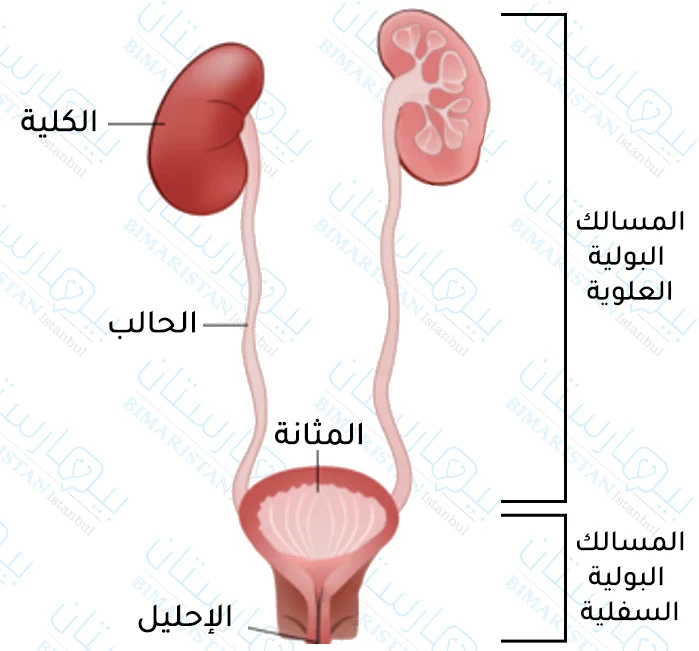
Urinary tract infection (UTI) is a bacterial infection of one part of the urinary system, which consists of the kidneys, which connect to the bladder via the ureters, and then the urethra, which ends with the penis.
Inflammation is caused by the growth of bacteria in the urinary tract, and urethritis is associated with symptoms such as difficulty urinating, pain, urgency to urinate, and urinary incontinence.
UTIs are usually less common in men than in women because the female urethra is shorter than the male urethra and closer to the anus.
Antibiotics are the first line of treatment for urinary tract infections in both men and women at home.
There are several methods of use for bacteriophage therapy, which may be administered orally or intravenously, and the dosage and type of drug vary according to the nature and severity of each disease.
The doctor selects the appropriate antibiotic for treatment based on the type of germs infecting the patient, which is identified by performing a urine test on the patient and detecting the bacteria in the sample.
In some cases, doctors begin treatment immediately, even before the results of the urinalysis, by using medications that target the germs most likely to cause urinary tract infections. The medications may be adjusted after the urinalysis results are available.
It is important to follow your doctor’s instructions regarding the duration and dosage of your medication. A common mistake many UTI patients make is to stop taking their medication as soon as they feel their symptoms improve.
An improvement in symptoms is not a definitive sign of recovery, as stopping the medication before the UTI is fully resolved can lead to a recurrence of the symptoms of the UTI.
The best natural antibiotic to treat UTI in men at home
The antibiotic used to treat urinary tract infections in men varies depending on the severity of the infection. We usually resort to commonly used medications that have good efficacy with fewer side effects in mild infections.
The most common antibiotics used to treat UTI in men at home:
- Sulfamethoxazole
- Trimethoprim trimethoprim
- Nitrofurantoin
- Amoxicillin amoxicillin
- Ceftriaxone
People with complicated urinary tract infections can take medications known as fluoroquinolones. This class is considered strong and carries some side effects, so it is not recommended for use at home except for severe cases.
Read about: Ureteroscopy to treat kidney stones
Best effervescent urinary tract infection treatment
1- Foire Magna
2- Euphoric Euphoria
3- Fawar Ural
Phenazopyridine: Phenazopyridine
Fosfomycin (Monurol)
Cephalexin
Herbal Urinary Tract Treatment
Although herbs don’t definitively help with a UTI, they can alleviate some of the pain, including these herbs:
Garlic
Bear grapes
Horsetail plant
Read more about: Bladder cancer symptoms and treatment
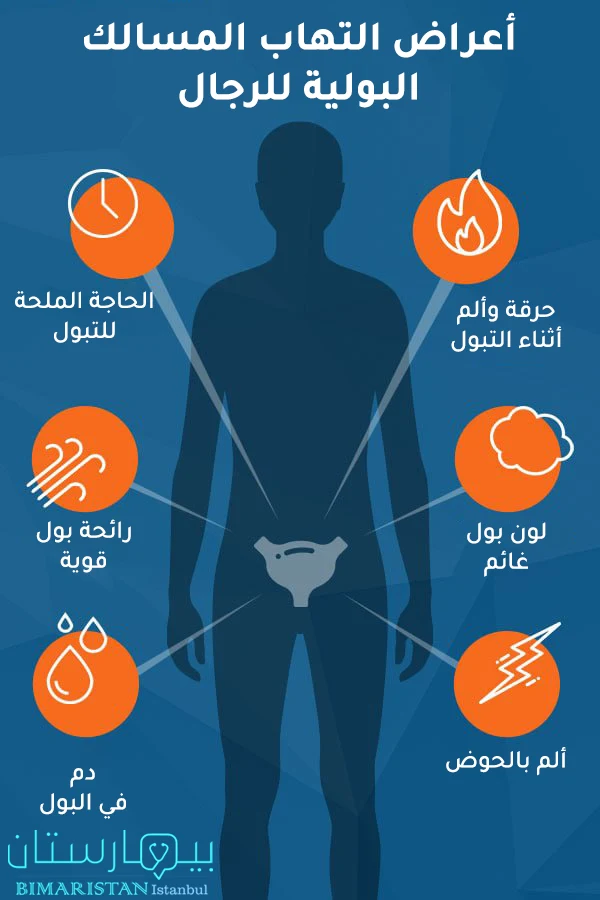
Symptoms of a urinary tract infection in men
If you’re wondering how I know if I have a urinary tract infection, here are the most important symptoms. Urinary tract infections don’t necessarily cause obvious symptoms, but they often cause a number of symptoms, including:
- Pain in the loin or pelvic area
- High fever and general fatigue
- Urinary urgency (persistent urge to urinate)
- A burning sensation that may be painful during urination
- urinary incontinence
- Strong urine odor and cloudy color
- Blood in the urine
Read about: Symptoms and treatment of enlarged prostate in men
Causes of urinary tract infections
The human immune system protects the urinary tract from infection by preventing germs from multiplying within the urinary tract.
When the body’s immunity fails to do its job, UTI occurs as a result of germs invading the urinary tract, where the multiplication of bacteria triggers the inflammatory process.
Microorganisms enter the urethra and may then spread to the bladder, with cystourethritis being the most common site of urinary tract infections in men.
Urinary tract infections are more common in older men than in younger men. Urinary tract infections are often seen in adults over the age of 50 as a result of chronic diseases and predisposing factors that affect the elderly, such as prostate enlargement and diabetes mellitus.
Escherichia coli (E. coli) is one of the most common germs to cause cystitis in men.
Read about: Causes, symptoms, and treatment of kidney stones in Turkey
Diagnosing a urinary tract infection
The specialist uses one of these tests to make a diagnosis:
Urinalysis: A sample of the patient’s urine is taken and several tests are performed on the sample, such as determining the number of erythrocytes and leukocytes, as the number of leukocytes increases in the context of a urinary tract infection.
Urine culture: This test aims to identify the germs that cause the infection by placing the sample in a medium favorable for bacterial growth, allowing for the selection of the appropriate treatment for the infection.
Types of urinary tract infections
Urinary tract infections are categorized according to the area affected, as symptoms vary depending on where the infection occurs:
Upper urinary tract infection
This pattern involves inflammation of both the ureters and the kidneys, and its symptoms appear as fever, pelvic and back pain, chills, nausea, and vomiting.
Lower urinary tract infection
Infection of the lower urinary tract affects the bladder and urethra, and symptoms appear in the form of difficulties with urination, resulting in complaints of urinary urgency accompanied by burning and pain during urination.
Complications of UTI in men
Tract infections need to be treated to prevent sepsis from spreading to the kidneys and causing complications, including:
- Nephritis and pyelonephritis
- Recurrent relapsing-remitting inflammation after treatment
- Permanent kidney damage
- Severe urethral stricture due to recurrent infections
- Sepsis is the most dangerous complication, where germs spread to the blood and then spread to the rest of the human body
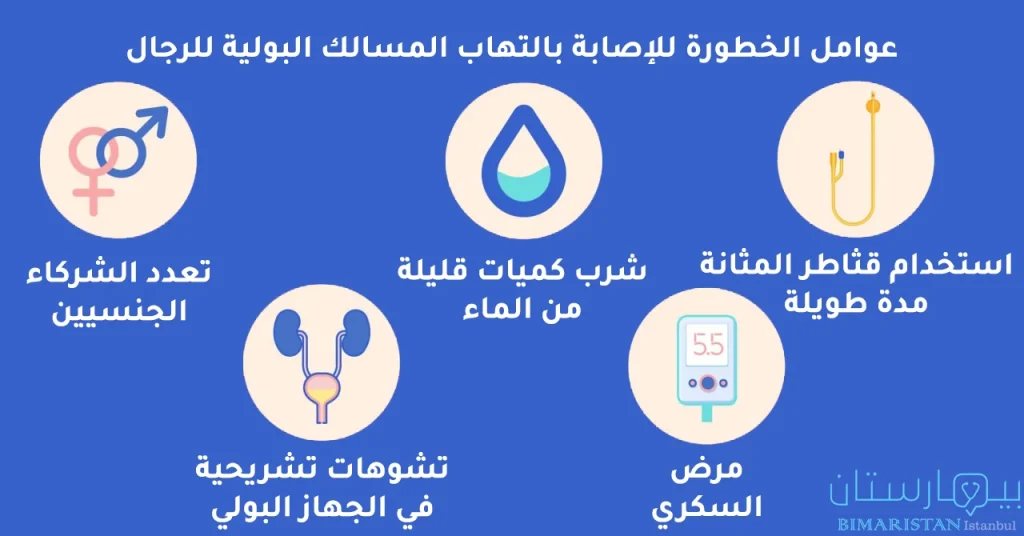
Predisposing factors for UTI in men
There are some factors that increase the chances of developing urinary tract infections:
- Diabetes and immunodeficiency diseases
- Enlarged prostate
- Narrowing of the urethra
- Kidney stones
- Bladder prolapse
- Multiple sexual partners
- Drinking small amounts of water
- Long-term use of bladder catheters
Read about: Urinary Incontinence in Men – Causes and Treatment
Preventing urinary tract infections
There are a few things you can do to prevent urethritis in men:
- Consume a good amount of fluids daily
- More berry juice (which has been shown in studies to be effective in preventing urinary tract infections)
- Wiping from front to back after defecation to prevent the spread of anal germs to the urethra
- Personal hygiene
- Urinating after intercourse to get rid of possible germs
- Avoiding tight-fitting clothing helps prevent moisture, which is a favorable medium for the growth of microorganisms
Read about: Latest Neurogenic Bladder Treatment in Turkey
Urinary tract infection and intercourse
There is a significant relationship between sexual activity and an increased risk of contracting a bacterial infection. Sexual intercourse increases the chances of bacteria being passed from woman to man or vice versa, so having multiple sexual partners is a risk factor for infection.
Many couples develop a urinary tract infection (UTI) after sex, with studies indicating that signs of a UTI may appear as soon as two days after intercourse.
Doctors advise patients suffering from urinary tract infections to refrain from sexual intercourse until the infection is completely healed because sexual intercourse may increase the severity of the infection and hinder the healing process.
Read about:
Shockwave kidney stone lithotripsy
Causes of an enlarged prostate in young men
The latest treatment methods for varicocele
Sources:
- Healthline
- Medicalnewstoday
- Medscape