.floating_btn { display: none !important; } .println-contact-form-button-element { display: none !important; }
Tooth loss directly affects one’s appearance and oral health; it can cause difficulty chewing and speaking and lead to changes in facial features over time. Removable dentures help replace missing teeth and improve oral function in a practical and effective way, while also giving the patient a more harmonious smile and greater self-confidence. Removable dentures are available in several types and materials to suit patients’ needs and cases of partial or complete tooth loss.
What are removable dentures?
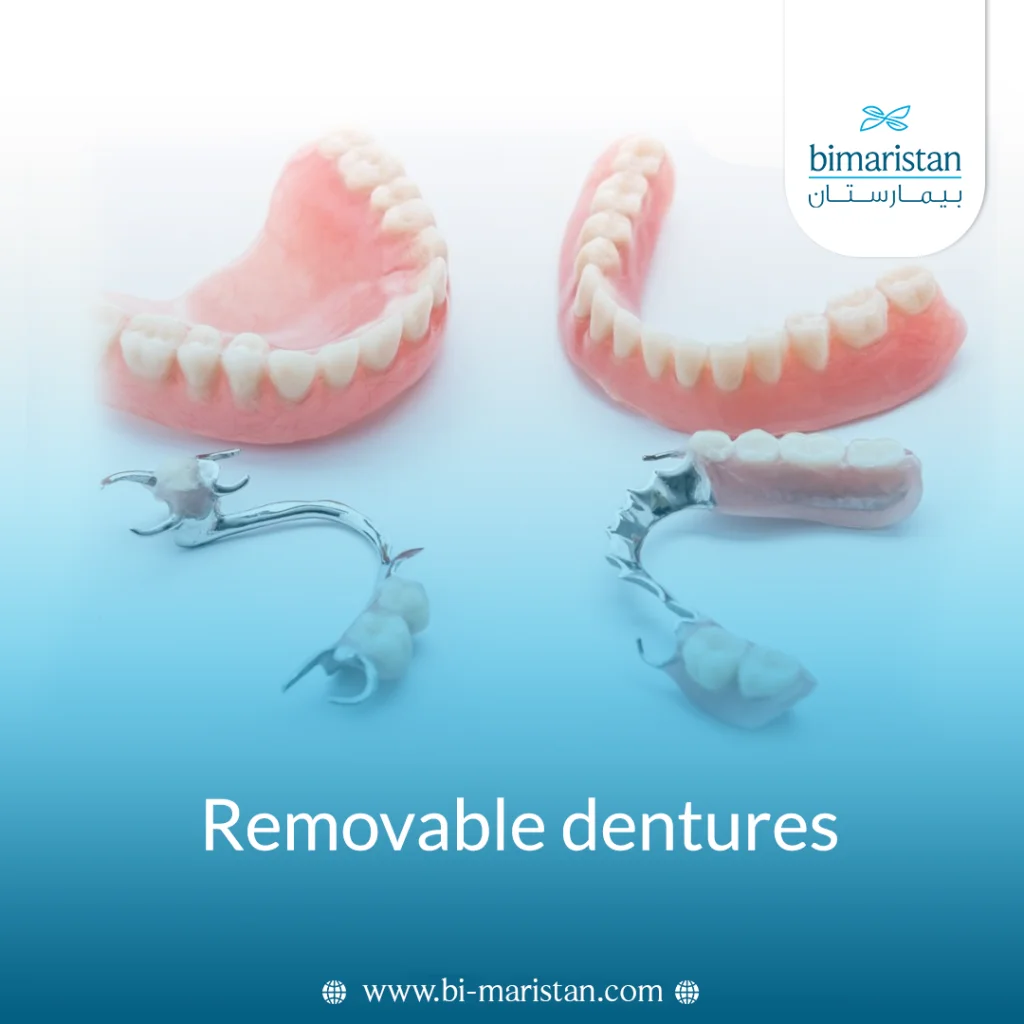
Removable dentures are removable dental prostheses used to replace missing teeth. They are typically made of acrylic, metal, or nylon and are designed to fit the contours of the gums and jaws to restore dental function and improve overall appearance. Removable dentures help with:
- Improved chewing ability
- Speech and Articulation
- Support for facial muscles
- Preventing the movement of adjacent teeth
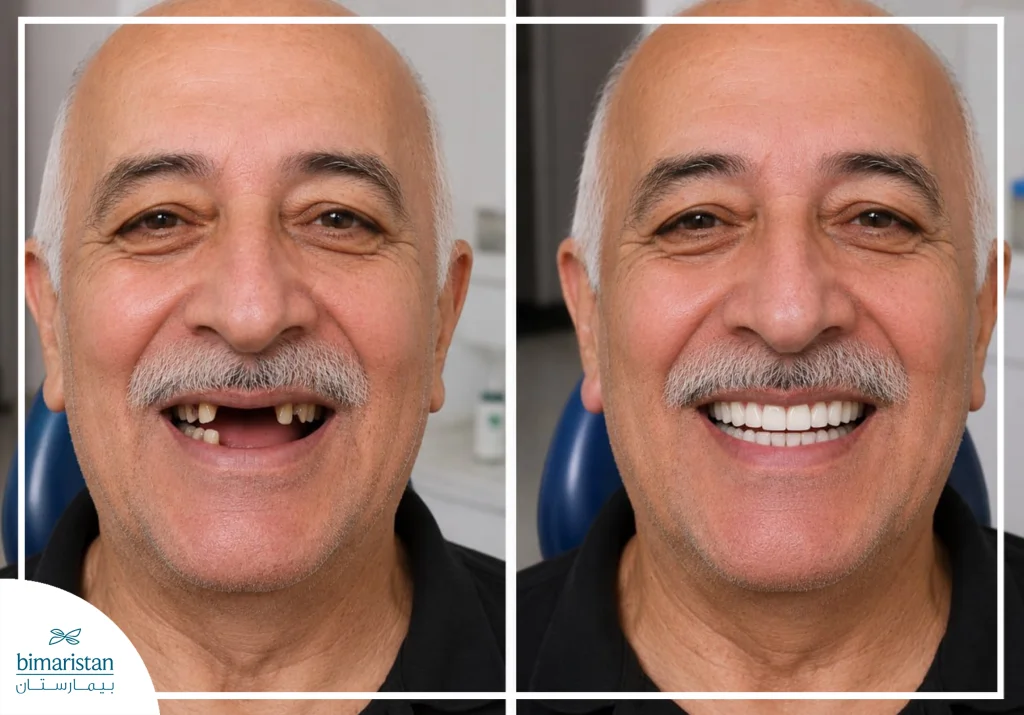
- Improving the aesthetic appearance of a smile
When does a patient need removable dentures?
Removable dentures are recommended in the following cases:
- Loss of all teeth in the upper or lower jaw
- Loss of several teeth, while some natural teeth remain
- Improving the ability to eat and speak
- The need for a relatively cost-effective treatment solution
- Inability to undergo dental implant surgery
Types of Removable Dentures
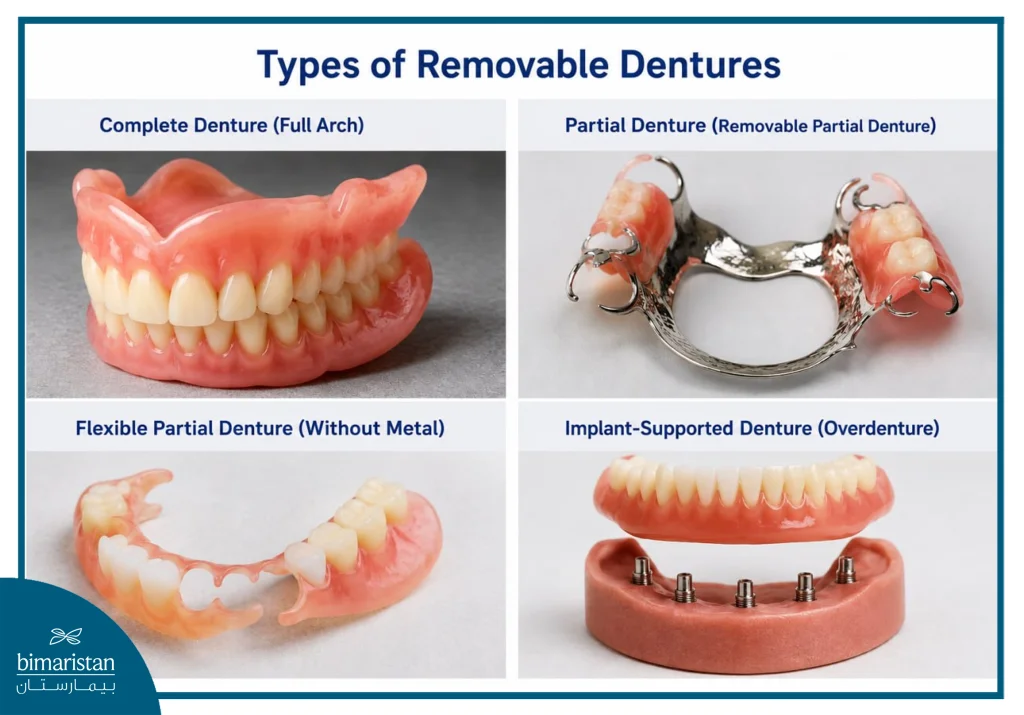
Removable dentures vary depending on the number of missing teeth and the condition of the mouth; therefore, they are divided into two main types, which the dentist selects based on each patient’s specific treatment needs.
Full dentures
They are used to replace all missing teeth in the upper jaw, lower jaw, or both. The denture is designed to rest on the gums and jawbone and is custom-made after precise measurements of the mouth are taken. Full dentures also help improve facial appearance and prevent muscle sagging caused by complete tooth loss. They are divided into two types:
- Immediate dentures are fitted right after tooth extraction
- Traditional dentures are made after the gums have fully healed
Partial dentures
This option is used when some natural, healthy teeth remain; the missing teeth are replaced only with a base containing artificial teeth, which is secured in the mouth with special clasps. Its features include:
- Preserves the remaining teeth
- Prevents the movement of adjacent teeth
- Easy to remove and clean
Metal dentures
They are made with a lightweight yet strong metal framework and are among the most durable and stable types in the mouth. They also have a long lifespan and are smaller than other types; however, they are more expensive, and in some cases, metal parts may be visible when smiling.
Removable dentures
They are made of flexible materials such as nylon and offer a high level of comfort and a natural appearance because they do not contain any visible metal parts. However, they are less durable than metal dentures and may not last as long, meaning they need to be replaced sooner.
Acrylic dentures
Acrylic dentures are among the most common types because they are affordable, easy to adjust, and can have new teeth added as needed. They are suitable for a wide range of cases, but they tend to be thicker and may not provide the same level of stability as metal dentures.
Advantages and Disadvantages of Removable Dentures
To better understand the differences between the various types of removable dentures, their key advantages and disadvantages can be presented in a simple table to facilitate comparison and help you make the right decision:
| Type | Features | Disadvantages |
|---|---|---|
| Complete dentures | Full dental restoration and improved appearance | It takes some time to adjust |
| Partial dentures | Preserves the remaining teeth | You may need adhesive |
| Metal rims | Strong and steadfast | High-cost |
| Flexible kits | Comfortable and stylish | Less durable |
| Acrylic sets | Economical and easy to adjust | Larger |
Using dental implants as an alternative to removable dentures
In some cases, dental implants can be used as an alternative to removable dentures. Metal implants are placed into the jawbone to act as artificial roots, onto which fixed crowns or bridges are attached. This option provides greater stability and a feel closer to that of natural teeth, and it helps improve chewing strength and prevent the movement of adjacent teeth or jawbone resorption over time.
However, dental implants are not suitable for all patients, as they depend on sufficient bone density in the jaw and the overall health of the mouth and body. They are also typically more expensive than removable dentures and may require a longer treatment time for osseointegration to be complete. Therefore, this solution is chosen only after a thorough evaluation by a dentist to determine the most appropriate option for each case.
Steps for Fitting Removable Dentures
Removable dentures are fitted through a series of structured steps to ensure a proper and comfortable fit, and typically include the following:
- The dentist examines the mouth and assesses the condition of the gums and any remaining teeth
- Precise impressions of the jaw are taken using special materials or through digital scanning
- The prints are sent to the lab to create a prototype of the dentures
- The initial set is tried in the mouth to ensure a proper fit and overall appearance
- The necessary adjustments are made to fit, color, and comfort
- After final approval, the kit is fully manufactured and prepared for delivery
- The dentist fits the dentures and provides instructions on how to use and care for them
Tips After Getting Removable Dentures
After receiving removable dentures, the patient may need some time to adjust. The following tips will help you adjust more quickly:
- Wear the device as directed by your doctor
- Start eating soft foods
- Chew your food slowly and on both sides
- Training in Speaking Aloud
- Removing the appliance while sleeping after the adjustment period is over
How to Clean Removable Dentures
Removable dentures require daily cleaning to maintain oral health and prevent bacterial buildup. The gums and any remaining natural teeth should also be cleaned regularly, so it is recommended that you:
- Clean the set twice a day
- Use a soft brush and lukewarm water
- Soak the set in a special cleaning solution
- Store in a cool, dry place after removal
- Avoid hot water so that it doesn’t lose its shape
When should you see a doctor?
You should see your dentist if you notice any of the following signs:
- Cracks or damage to the set
- Bleeding or inflammation of the gums
- Persistent pain or sores
- Bad breath
- Difficulty chewing or speaking
- The set moves or falls easily
The Cost of Removable Dentures
The cost of removable dentures can vary significantly from country to country, depending on the quality of the materials used, the dentist’s experience, and the manufacturing techniques employed. The following is a rough comparison showing average prices in some countries:
| The State | Average cost of removable dentures (per jaw) |
|---|---|
| Turkey | $500–$1,500 |
| The United States of America | $1,500–$3,500 |
| Britain | $1,200–$3,000 |
In conclusion, removable dentures are a practical and effective solution for replacing missing teeth, as they help restore chewing ability, improve speech, and maintain the aesthetic appearance of the smile. The choice of the appropriate type depends on the condition of the mouth, the number of missing teeth, and the dentist’s recommendations, to ensure the best possible outcome in terms of comfort, stability, and function.
Turkey is considered a leading destination for dental treatment and cosmetic dentistry, offering state-of-the-art technology and a wide range of treatment options at a reasonable cost compared to many other countries, making it a popular choice for patients seeking high quality at affordable prices.
Sources: