
With the significant advancements in dentistry, dental implants are no longer merely a cosmetic procedure; they have become essential for improving quality of life. This is where American dental implants in Turkey stand out as a reliable option, offering excellent stability, a natural appearance, and long-lasting results, all while providing treatment in a state-of-the-art medical environment at competitive prices.
Dental implants in Turkey using American implants are among the top choices sought by patients looking to combine high quality with affordable pricing, thanks to the use of advanced techniques and globally certified materials. These implants feature a precise design that helps accelerate osseointegration and reduce complications, providing patients with greater comfort and confidence after treatment.
What are American dental implants?
American dental implants are an advanced type of dental implant used to replace missing teeth by implanting artificial roots into the jawbone to anchor dental restorations such as crowns or bridges. These implants are manufactured to precise medical standards and are often made of high-quality titanium, a metal known for its ability to fuse naturally with bone—a process known as osseointegration—which provides the implant with strong stability and long-term durability.
Another distinguishing feature of American dental implants is their use of advanced techniques in implant surface design and treatment, such as scientifically proven methods to increase surface roughness, which helps bone cells adhere better and accelerates the healing process. This directly contributes to high success rates, which studies indicate exceed 95% in most cases when appropriate conditions are met.
In addition, these implants are subject to strict oversight and high-quality standards, making them a reliable option for patients seeking long-lasting results in terms of both function and aesthetics. They not only help restore the ability to chew but also help preserve the jawbone and prevent its deterioration, thereby maintaining natural facial features.
Types of American Dental Implants
The following are the most common types and systems of American dental implants used worldwide:
- Zimmer Biomet Implants: These are among the most well-known American systems and feature advanced surface technologies that promote rapid osseointegration. They offer a variety of solutions suitable for different cases of tooth loss, particularly those requiring high precision and stability.
- BioHorizons Implants: These implants feature Laser-Lok technology, a precise surface treatment that promotes better integration of soft tissue and bone around the implant. They are known for their excellent results in preserving gum tissue and minimizing bone loss.
- Bicon Implants: Known for their unique short design, making them a suitable option for patients with insufficient jawbone. They utilize an internal connection system that reduces complications and increases stability.
- Keystone Implants: Offers advanced implant systems with innovative designs that help distribute pressure evenly, thereby improving implant stability and reducing long-term failure rates.
The Difference Between American Dental Implants and Other Types of Implants
Dental implants generally operate on the same scientific principle: implanting an artificial root into the jawbone to achieve osseointegration. However, the difference between American dental implants and other types lies in several key factors, including manufacturing quality, the techniques used, and the level of research and scientific support.
American dental implants are manufactured to strict standards and undergo rigorous quality control, which is reflected in their precision design and the quality of the materials used; they are often made of high-purity titanium or advanced alloys that ensure excellent biocompatibility with bone. These implants also utilize advanced surface treatment techniques, such as acid etching or laser treatment, which studies have shown enhance osteoblast adhesion and accelerate osseointegration, leading to high long-term success rates.
In terms of clinical performance, all of these types can yield successful results when the appropriate case is selected and the procedure is performed correctly, but American implants are distinguished by a clear balance between quality and cost, in addition to the wide availability of their parts and components, which facilitates future maintenance and follow-up.
Advantages of American Dental Implants
American dental implants are considered one of the world’s leading options for replacing missing teeth, thanks to their advanced technology and high quality. Here are their key advantages:
- High-quality manufacturing in accordance with rigorous standards: American dental implants are manufactured to strict protocols and global standards, ensuring precise design and minimizing errors and long-term complications.
- Made from biocompatible materials: They are primarily made of high-purity titanium or zirconium, materials known for their ability to integrate with bone without causing an immune response.
- Enhancing osseointegration: Advanced techniques are used to treat the implant surface (such as acid etching or laser treatment), which help accelerate implant-bone fusion and increase stability.
- High success rates: Studies indicate that success rates exceed 95% and may reach over 97% over many years, particularly when the right conditions are in place.
- Preserving Jawbone: Implants help prevent bone loss caused by tooth loss, thereby preserving the natural structure of the face.
- Variety of systems and treatment solutions: Available in a wide range of types and sizes to suit various situations, whether it involves the loss of a single tooth or all teeth.
- Ease of maintenance and availability of parts: These products are widely available worldwide, making it easy to find parts and perform maintenance or replacements as needed.
- Excellent aesthetic and functional results: Provides a natural-looking appearance for the teeth while fully restoring chewing and speech function.
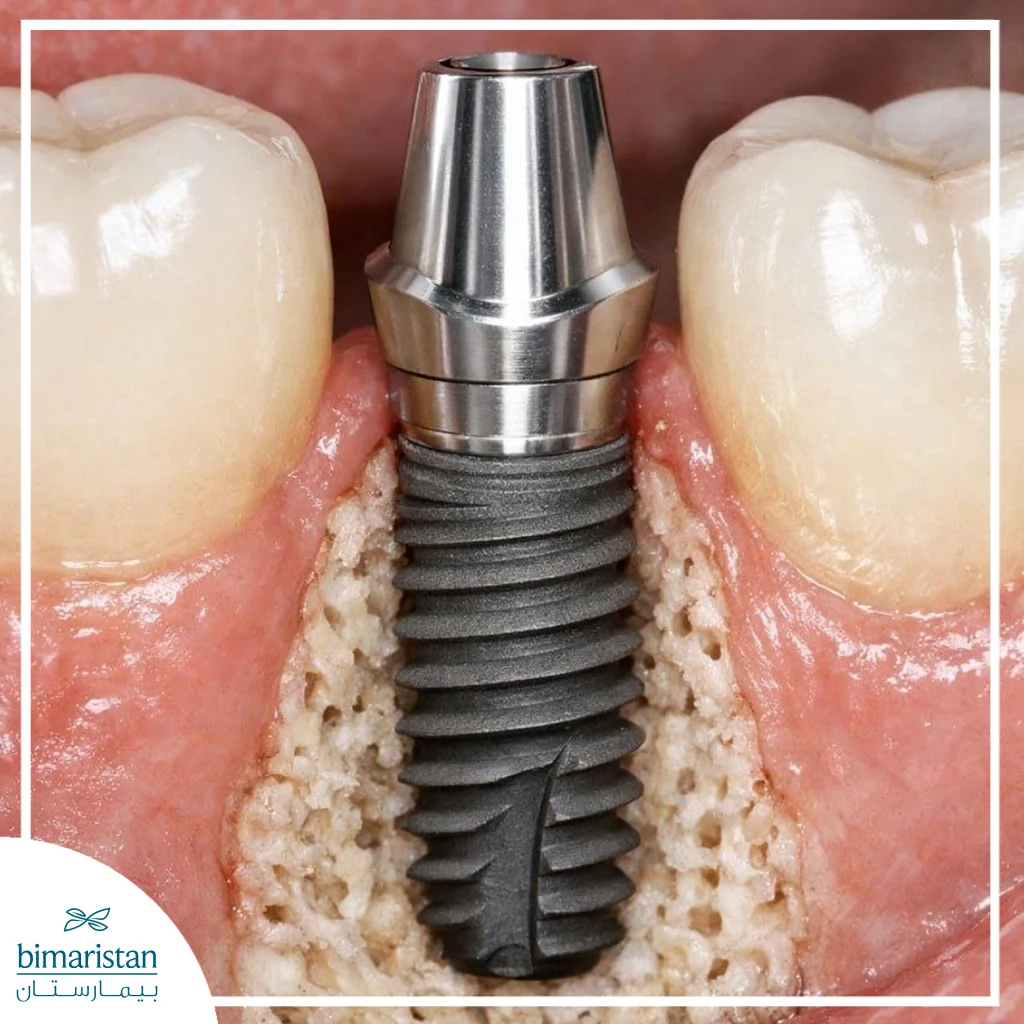
Steps for Dental Implant Surgery Using American Dental Implants
The dental implant procedure using American dental implants involves several carefully planned stages designed to achieve the highest success rate and ensure long-term stability. These stages include the following:
- Initial Evaluation and Examination: First, the dentist performs a comprehensive examination of the mouth and teeth, assessing gum health and the amount of bone in the jaw. Advanced imaging techniques such as cone-beam computed tomography (CBCT) are used to determine the ideal implant placement and develop a precise treatment plan tailored to the patient’s condition.
- Treatment Planning: Based on the examination results, the appropriate American implant type is selected in terms of size and design, and the number of implants required and the implantation method (traditional or immediate) are determined. This stage is essential to ensuring the success of the procedure.
- Preoperative preparation: In some cases, the patient may require additional procedures, such as bone grafting or sinus lift surgery, if there is insufficient bone density to ensure a suitable environment for implant placement.
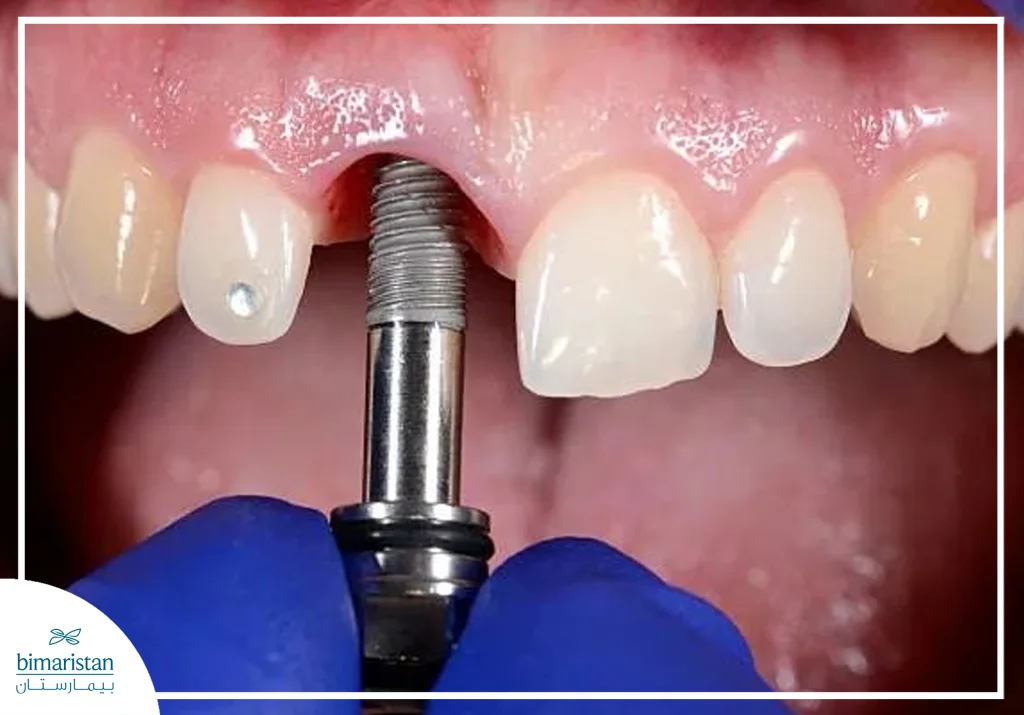
- Implant Placement (Surgical Phase): The artificial root (implant) is placed inside the jawbone under local anesthesia. American implants are based on a precise design that facilitates insertion and minimizes damage to the surrounding bone, thereby enhancing the chances of integration.
- The Healing and Osseointegration Phase: The implant is left in place for 3 to 6 months to allow it to fully integrate with the jawbone, a process known as osseointegration. During this period, a temporary restoration may be used to maintain the aesthetic appearance.
- Placement of the Abutment: After ensuring that the implant is stable, the abutment—which connects the implant to the final crown—is placed. This step is essential for preparing the replacement tooth.
- Crown Placement or Permanent Restoration: Dental crowns are designed and placed to match the shape and color of natural teeth, providing a natural appearance and full functionality.
- Post-Implant Care and Follow-Up: Dental implants require ongoing care, including daily cleaning and regular visits to the dentist, to maintain the health of the implant and surrounding tissues, thereby supporting their longevity for many years.
Who are suitable candidates for dental implants using American Dental Implants?
American dental implants are a suitable option for a wide range of patients; however, their success largely depends on meeting certain health and oral conditions that support osseointegration and long-term implant stability. The most prominent candidates for these implants include:
- Non-smokers or those who are able to quit smoking: Smoking directly affects tissue healing and reduces the success rate of the transplant.
- People who have lost one or more teeth—whether due to tooth decay, gum disease, or injury—for whom implants are a better option than bridges or removable dentures.
- People with healthy gums: The oral cavity must be free of gingivitis or periodontal disease, as these conditions can lead to implant failure.
- Sufficient jawbone volume: Sufficient bone volume is essential for implant placement; if there is insufficient bone, supportive procedures such as bone grafting or sinus lift surgery may be required.
- People in good general health: The patient must not have any uncontrolled medical conditions, such as poorly managed diabetes or chronic diseases that could affect bone healing.
- Patients seeking a permanent, stable solution, particularly those who do not wish to use removable dentures and want to restore the natural function and appearance of their teeth.
How long do American dental implants last?
American dental implants are known for their exceptional durability, with clinical studies indicating a success rate of over 95%. They can last 10 to 20 years and, in many cases, may even last a lifetime with proper care. However, the lifespan of an implant does not depend solely on its quality but is influenced by several important factors, including:
- The Effects of Smoking: Smoking is one of the most significant factors that reduces the success of a transplant and may lead to early failure or a shorter lifespan of the graft.
- Osseointegration: The longevity of the implant depends largely on the success of the osseointegration process, during which the bone fuses with the implant, providing the stability needed for many years.
- The Importance of Oral Care: Committing to daily brushing and flossing, along with regular dental checkups, plays a significant role in extending the lifespan of dental implants.
- Impact of General Health: Uncontrolled chronic conditions such as diabetes may negatively affect bone healing and thus reduce the lifespan of the implant.
- Implant location in the mouth: Implants in the back of the mouth (molars) are subjected to greater pressure during chewing, which may affect their longevity compared to those in the front.
- The doctor’s expertise and treatment plan: The more carefully the implant is considered and planned, the greater the chances of its success and long-term durability.
Tips for After American Dental Implants to Ensure the Best Results
To ensure the success of dental implant surgery using American dental implants and achieve results that last for many years, it is essential to follow a set of post-operative guidelines, the most important of which are:
- Avoid smoking: Smoking directly affects bone healing and reduces the success of osseointegration; therefore, it is recommended that you quit smoking before and after the implant procedure.
- Strict adherence to oral hygiene: Teeth and implants must be cleaned daily with a toothbrush and dental floss, as bacterial buildup around the implant can lead to infection and, over time, implant failure.
- Follow your doctor’s instructions carefully: Adhere to all post-operative guidelines, especially those regarding medication, oral hygiene, and avoiding harmful habits during the recovery period.
- Follow a suitable diet: Eat soft foods at first, and avoid hard or sticky foods that could compromise the implant’s stability.
- Watch for any unusual symptoms: If you experience persistent pain, movement of the implant, or unusual swelling, you should see your doctor immediately.
- Caring for the surrounding gums: Maintaining gum health is essential because gum infections can lead to complications around the implant, such as peri-implantitis.
- Avoid putting excessive pressure on the implant: In the first few weeks, it is best to avoid chewing on the implant site or eating hard foods until healing is complete.
- Stick to your regular doctor visits: Regular checkups help detect any problems early and ensure that your implant remains in good condition.
The Cost of Dental Implants in the United States
The cost of dental implants in the United States varies significantly from state to state, not only in price but also in the additional services included in the treatment, making comparison essential to understanding the true value of the treatment, not just the price.
| The State | Average cost per farm (USD) | What’s included in the cost |
|---|---|---|
| Turkey | $500–$800 | Implant + Post + Crown + X-ray + Consultation |
| The United States of America | $3,000–$6,000 | Usually just the implant (may not include the crown or additional procedures) |
| Britain | $2,500–$4,500 | Implant + Crown (usually without additional services) |
| France | $2,000–$3,500 | Implant + Crown (may not include associated procedures) |
A comparison shows a significant difference in the cost of American dental implants between Turkey and Western countries, primarily due to differences in operating costs and wages rather than in the quality of the implants themselves. The American implants used in Turkey are the same ones approved and used in the United States and Europe, but at a much lower cost.
Clinics in Turkey also stand out for offering comprehensive treatment packages that include examinations, planning, surgery, and final prosthetics, which can reduce the patient’s overall costs by as much as 50–70%, without compromising the quality of results or the standard of medical care.
In conclusion, American dental implants are among the most advanced and reliable solutions for replacing missing teeth, combining precision manufacturing, high biocompatibility, and high long-term success rates. Thanks to continuous advancements in implant technology and surface treatment, it is now possible to achieve functional and aesthetic results that closely resemble natural teeth.
Turkey also offers a comprehensive treatment environment where patients receive a detailed treatment plan and full-service care—from the initial consultation through post-treatment follow-up—along with accommodations and transportation assistance. This comprehensive range of services, combined with competitive pricing, makes Turkey a preferred choice for patients seeking guaranteed results at a lower cost, without compromising on quality or safety.
Sources: