
Swiss Nobel dental implants are among the most renowned and widely used dental implant systems worldwide, thanks to their high manufacturing quality and advanced technologies that contribute to stable, long-lasting results. These implants have earned the trust of dentists and patients alike thanks to their high success rates and ability to provide effective solutions for replacing missing teeth and restoring the mouth’s aesthetics and chewing function. In this article, we will explore the key features of Swiss Nobel dental implants, how they work, the cases for which they are suitable, and the factors that have made them a preferred choice in modern dental implantology.
What are Swiss Nobel dental Implants?
Swiss Nobel dental Implants are an advanced dental implant system offered by Nobel Biocare and are among the most widely used systems worldwide for replacing missing teeth. These implants involve embedding artificial titanium roots into the jawbone to provide a stable foundation for attaching replacement teeth. Nobel Biocare is considered one of the leading companies in the field of dental implants and is renowned for developing precise technologies based on clinical research and digital design to improve treatment outcomes. The concept relies on integrating the implant with the jawbone through a process called osseointegration, which creates a strong foundation similar to that of natural tooth roots.
Features of Swiss Nobel Dental Implants
Swiss Nobel dental implants are considered one of the most advanced dental implant systems, combining high precision with modern technologies to offer a range of features that have made them a preferred choice among dentists worldwide. Among their most important features are:
- High-quality manufacturing and precision: The implants are made from high-quality materials that ensure durability and long-term corrosion resistance.
- Rapid integration with the jawbone: It features a design that accelerates osseointegration compared to some other types.
- High success rates: It achieves high success rates worldwide, making it a reliable choice for both simple and complex cases.
- Long lifespan: With proper care, implants can last for many years without any problems.
- Natural-looking results: They look and function very much like natural teeth.
Types of Swiss Nobel Dental Implants
Swiss Nobel dental implants are available in several different types, designed to meet a variety of needs related to tooth loss, allowing the dentist to choose the most appropriate solution for each patient based on the condition of the bone and the number of missing teeth. These types include:
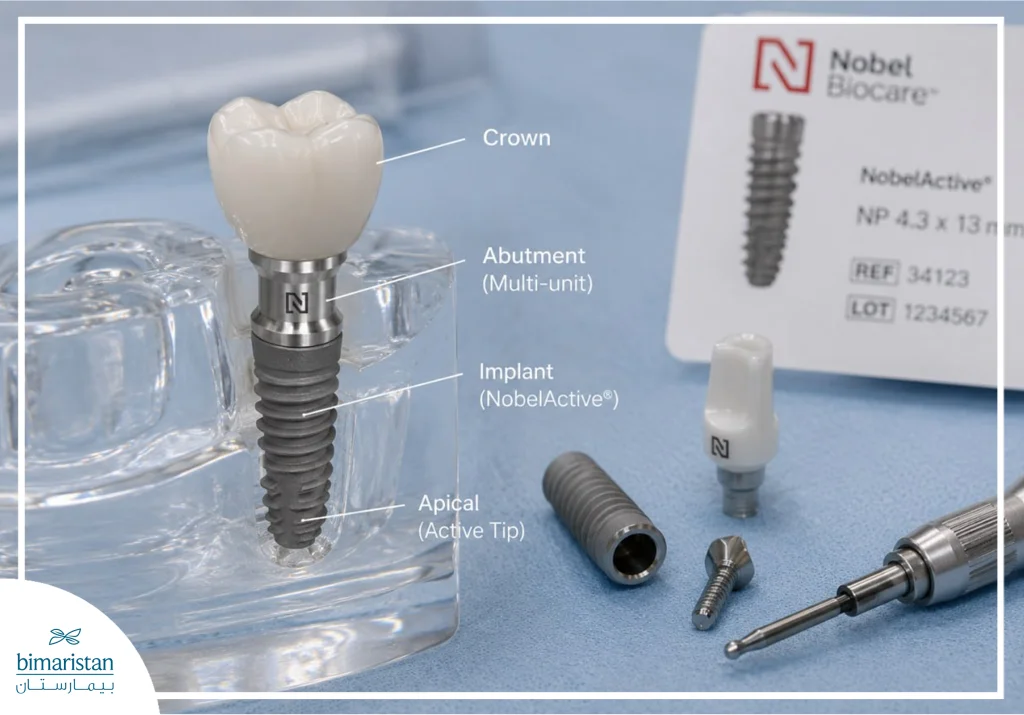
- NobelActive Implants: Designed for cases requiring high stability in low-density bone.
- NobelParallel implants: Used in conventional cases, they are characterized by ease of placement and precision in application.
- NobelReplace implants: They resemble natural tooth roots and distribute chewing forces more evenly.
- The All-on-4 System: A comprehensive solution for full-arch replacement using a limited number of implants.
Patients Suitable for Swiss Nobel Dental Implants
Swiss Nobel dental implants are a suitable option for a wide range of dental cases, as they can be used to replace a single tooth, multiple teeth, or even to fully restore the jaw, based on a thorough assessment of bone condition and oral health. Cases suitable for these implants include:
- Complete tooth loss: Used for full-jaw rehabilitation.
- Loss of one or more teeth: Suitable for patients who have lost any number of teeth.
- Cases requiring high stability: particularly in patients with weak jawbones.
Steps for Dental Implant Surgery Using Swiss Nobel Dental Implants
The dental implant procedure using Swiss Nobel implants involves several consecutive stages designed to ensure implant stability and long-term treatment success. The duration of treatment varies from patient to patient depending on the condition of the jawbone and the number of missing teeth, but the basic steps are as follows:
- Examination and Digital Planning: The treatment journey begins with a comprehensive clinical examination of the mouth and teeth, along with 3D X-rays to assess jawbone density and identify the locations of nerves and sinuses. This stage helps the dentist develop a precise treatment plan and select the appropriate implant type and size for each case.
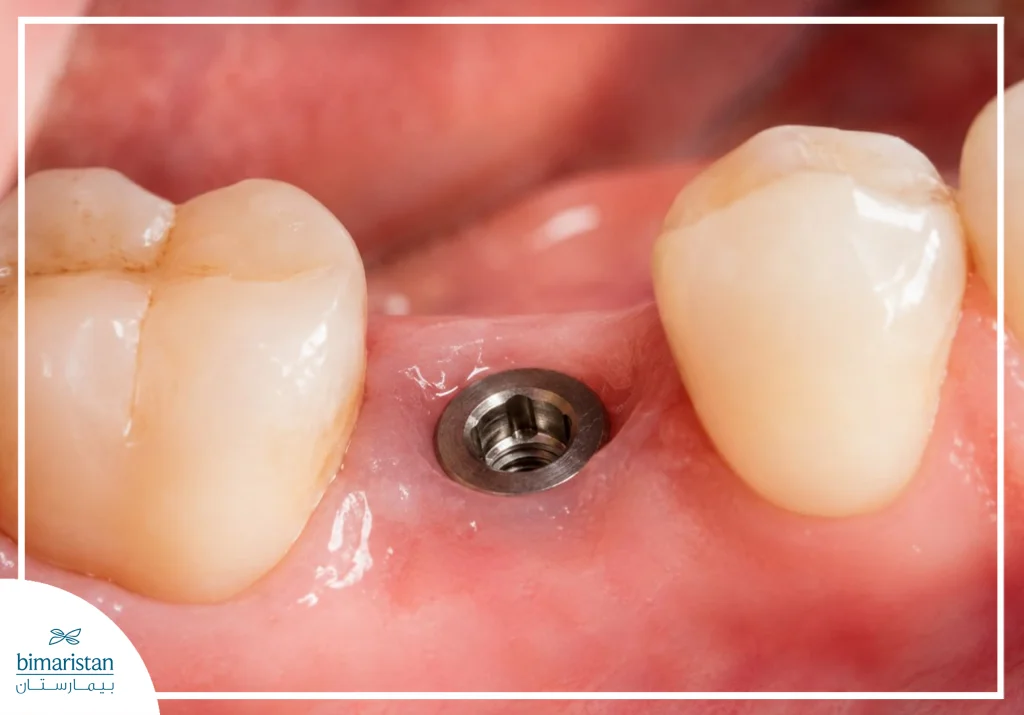
- Implant Placement: After administering local anesthesia, the dentist makes a small incision in the gum and then precisely places the Nobel implant into the jawbone. The implant acts as an artificial root for the missing tooth, providing a strong foundation for the subsequent placement of a dental prosthesis.
- Osseointegration Period: During this stage, the jawbone gradually fuses with the implant surface in a process known as osseointegration. This process usually takes several weeks or months, depending on the patient’s condition and bone quality, and is one of the most important stages of treatment because it provides the implant with its permanent stability.
- Placement of the Abutment and Final Crown: After confirming that osseointegration is complete, a special abutment is secured over the implant, and then a dental crown—designed to match the shape and color of natural teeth—is placed. As a result, the patient regains the ability to chew and speak with confidence, while achieving a natural-looking smile.
The Difference Between Swiss Nobel Dental Implants and Other Types of Dental Implants
Swiss Nobel dental implants outperform many other dental implant systems thanks to their use of advanced technologies and innovative digital solutions, which have helped make them one of the most renowned brands in this field. These implants feature sophisticated engineering designs that enhance initial stability within the jawbone, particularly in systems such as NobelActive, which provide excellent stability even in cases of low bone density.
Nobel implants also feature specially treated surfaces designed to stimulate osseointegration and accelerate bone healing around the implant, thereby improving the chances of long-term treatment success. The company offers a wide variety of implants suitable for various clinical situations, ranging from single-tooth replacement to full-arch rehabilitation using advanced techniques such as the “All-on-4” method developed by Nobel, which has become one of the world’s most popular solutions for full-arch tooth replacement.
In addition, Nobel implants are integrated with digital planning and computer-guided surgery systems, allowing the dentist to position the implant with high precision and minimize the likelihood of errors during the procedure. They also offer advanced restorative solutions that provide aesthetic and functional results very close to those of natural teeth.
Nobel implants are widely used and clinically accepted worldwide, backed by decades of research and scientific studies, with high success rates exceeding 95% when properly applied, making them a reliable and competitive option among the best dental implant systems.
How long do Swiss Nobel dental implants last?
Swiss Nobel dental implants are among the most reliable and durable dental implant systems, as they can last for decades and, in many cases, a lifetime when properly cared for. This is thanks to their high-quality manufacturing and advanced technologies that promote osseointegration and long-term implant stability. The longevity of an implant depends on several important factors, including:
- Smoking: Smoking is one of the most significant factors that can reduce the long-term success of an implant, as it negatively affects the healing of the tissues and bones surrounding the implant.
- Jawbone health and Density: The jawbone plays a crucial role in the success of a dental implant; the higher the bone density, the better the implant’s ability to integrate and last longer.
- The patient’s overall health: Certain chronic conditions, such as uncontrolled diabetes or immune system compromise, may affect the healing process and implant stability.
- The dentist’s expertise and the quality of treatment planning: Choosing an experienced dentist and using modern digital planning techniques contribute to precise implant placement and optimal long-term results.
- Regular dental checkups: Regular checkups help detect potential problems early and treat them before they compromise implant stability.
- Oral and Dental Hygiene: Regular brushing, flossing, and using mouthwash help prevent plaque and bacterial buildup around the implant, reducing the risk of infection and ensuring its stability.
- Adherence to post-implantation instructions: Following your doctor’s instructions during and after the recovery period helps speed healing and reduce the likelihood of complications, thereby supporting the implant’s expected lifespan and increasing the chances it will last for many years.
Tips for After Planting Swiss Nobel to Ensure the Best Results
To ensure the success of dental implants with Swiss Nobel implants and maintain their stability for many years, it is important to adhere to post-operative care instructions and follow your dentist’s guidelines. Proper care during the recovery period helps accelerate osseointegration and reduce the risk of complications. Some of the most important tips include:
- Avoiding smoking: Smoking negatively affects gum and bone healing and may increase the risk of implant failure or delay osseointegration.
- Eating soft foods: Eating soups and pureed or soft foods helps reduce stress on the implant site during the recovery period.
- Avoid hard and tough foods: During the first few days after the implant, it is best to avoid foods that require vigorous chewing to prevent pressure on the implant during the healing phase.
- Adherence to Prescribed Medications: Antibiotics, pain relievers, or any other medications should be taken as directed by your doctor to help manage pain and reduce the risk of infection.
- Watch for any unusual symptoms: Contact your doctor if you experience severe pain, worsening swelling, persistent bleeding, or signs of infection.
- Avoid applying direct pressure to the implant: You should refrain from chewing on the side of the implant or using the implanted teeth until osseointegration is complete and you have received your doctor’s approval.
- Ensure Regular Checkups: Regular visits to the dentist help monitor the implant’s condition, maintain its stability, and detect potential problems early.
- Avoid hot beverages during the first few days: Hot beverages may irritate the tissue surrounding the implant, so it is best to consume lukewarm foods and beverages during this initial period.
- Follow your doctor’s instructions carefully: Guidelines may vary from patient to patient depending on their health condition and the type of implant used; therefore, adhering to your doctor’s instructions is essential to the treatment’s success.
- Maintain daily oral hygiene: Brush your teeth twice a day with a soft-bristled toothbrush and appropriate toothpaste, and use dental floss or interdental brushes to keep the area around the implant clean.
The Cost of Swiss Nobel Dental Implants
The cost varies depending on the individual case, the number of implants, and the country; it is often higher in European countries compared to Turkey, where the procedure is offered at more competitive prices while maintaining the same quality. The following table shows the average cost of Swiss Nobel implants:
| The State | Approximate cost per farm | What’s Included in the Cost |
|---|---|---|
| Turkey | $900–$1,200 | Root + Stump + Crown |
| The United States of America | $3,500–$6,500 | It’s usually just the implant, but the cost may increase once the abutment and crown are added |
| Britain | $2,800–$5,000 | Root + Stump + Crown |
| France | $2,500–$4,500 | Root + Stump + Crown |
In conclusion, Swiss Nobel dental implants are among the leading modern dental implant solutions thanks to their high quality, advanced technology, and high success rates, making them a reliable choice for replacing missing teeth and restoring the natural function and aesthetic appearance of a smile. The company also offers a wide variety of systems suited to a range of clinical cases, from the replacement of a single tooth to full-jaw rehabilitation.
With significant advancements in Turkey’s dental sector, patients can now receive genuine Nobel implants at specialized centers equipped with the latest technology, at competitive prices compared to many European countries. Therefore, Turkey is a preferred destination for those seeking to combine high-quality care, medical expertise, and affordable costs when undergoing dental implant procedures with Swiss Nobel dental implants.
Sources: