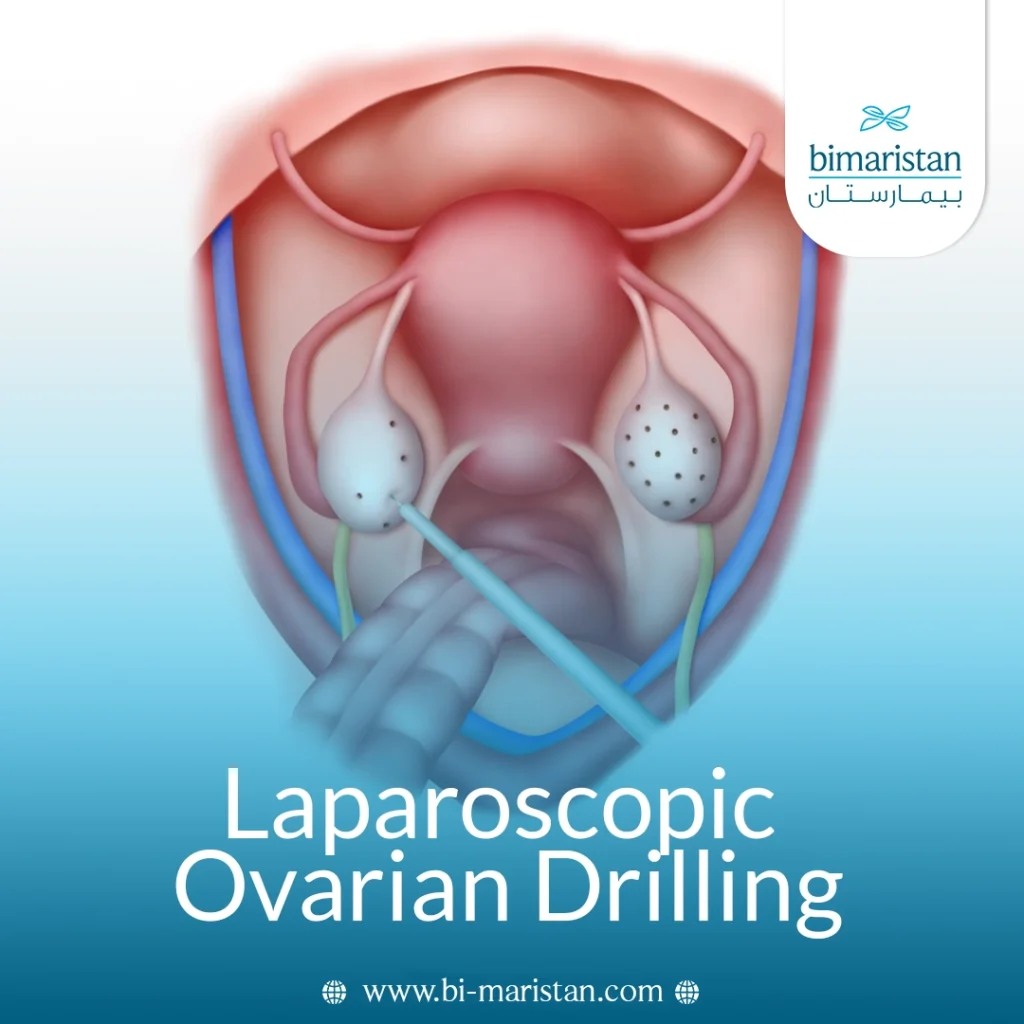
Polycystic ovary syndrome is one of the most common causes of ovulation disorders and is often associated with irregular menstrual cycles, elevated levels of male hormones, and difficulty conceiving. In most cases, weight loss and ovulation-inducing medications such as clomiphene or letrozole are used as first-line treatment. However, if these methods fail, a minimally invasive surgical option known as laparoscopic ovarian drilling may be considered to restore ovulation and improve the chances of natural conception.
What is laparoscopic ovarian drilling?
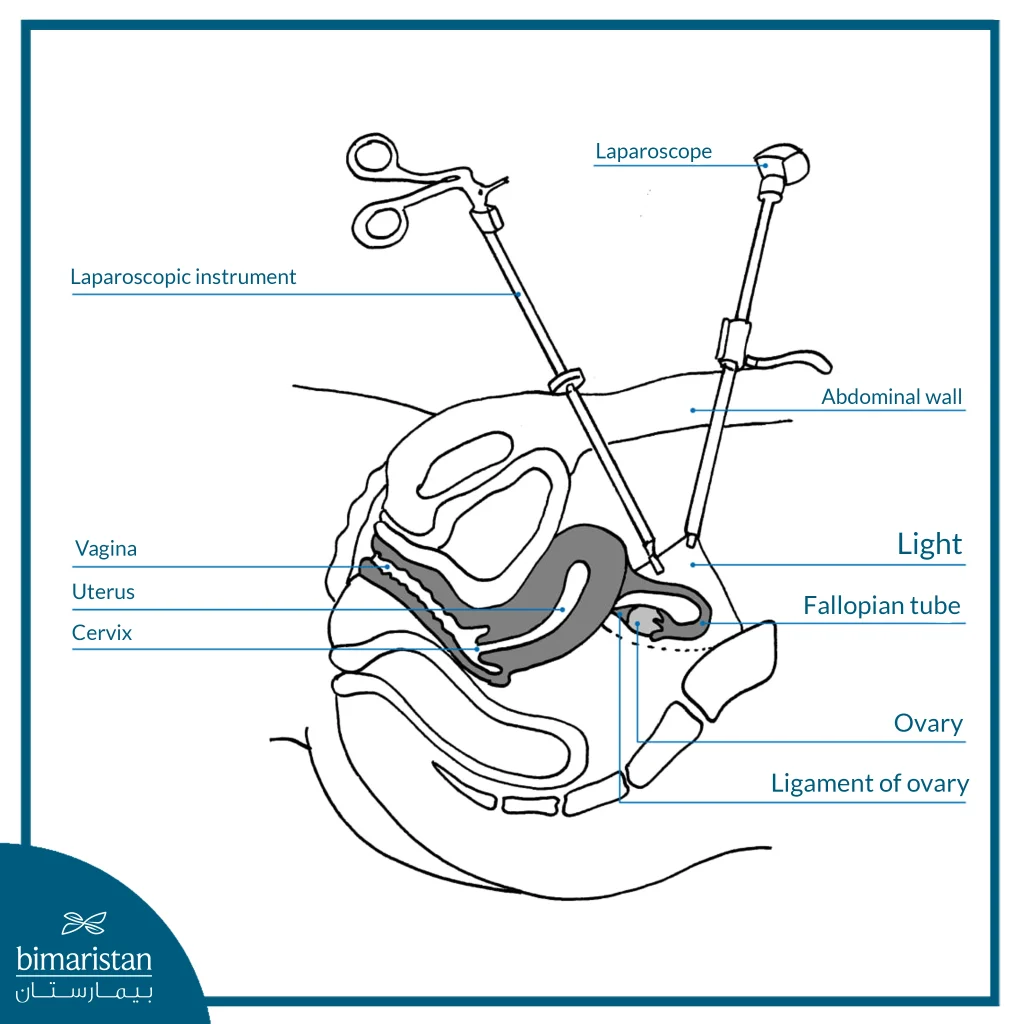
Laparoscopic ovarian drilling is a surgical procedure performed using a laparoscope under general anesthesia. It involves creating multiple small holes in the ovarian cortex using electrocautery or a laser, which reduces the thickness of the outer layer of the ovary and lowers androgen production. This helps restore hormonal balance and stimulate ovulation in women with polycystic ovary syndrome (PCOS) that is resistant to drug therapy.
Why is ovarian puncture performed?
The procedure is performed in specific cases where the primary goal is to induce ovulation when medication-based treatments fail. The main indications for the procedure include:
- Failure to ovulate after using ovulation-inducing medications at appropriate doses for a sufficient period of time
- Resistance to treatment with clomiphene or letrozole
- The desire to avoid using injectable ovarian-stimulating medications and the associated risk of multiple pregnancies
- A marked increase in male hormones accompanied by severe menstrual irregularities
Who is a suitable candidate for laparoscopic ovarian drilling?
A patient is considered a suitable candidate for surgery in the following cases:
- Diagnosis of Polycystic Ovary Syndrome with Chronic Ovulatory Dysfunction
- Failure of drug therapy after an adequate treatment period
- No other obvious causes of infertility, such as blocked fallopian tubes or severe semen abnormalities
- Control your weight as much as possible to improve your results
How Is Laparoscopic Ovarian Drilling Performed?
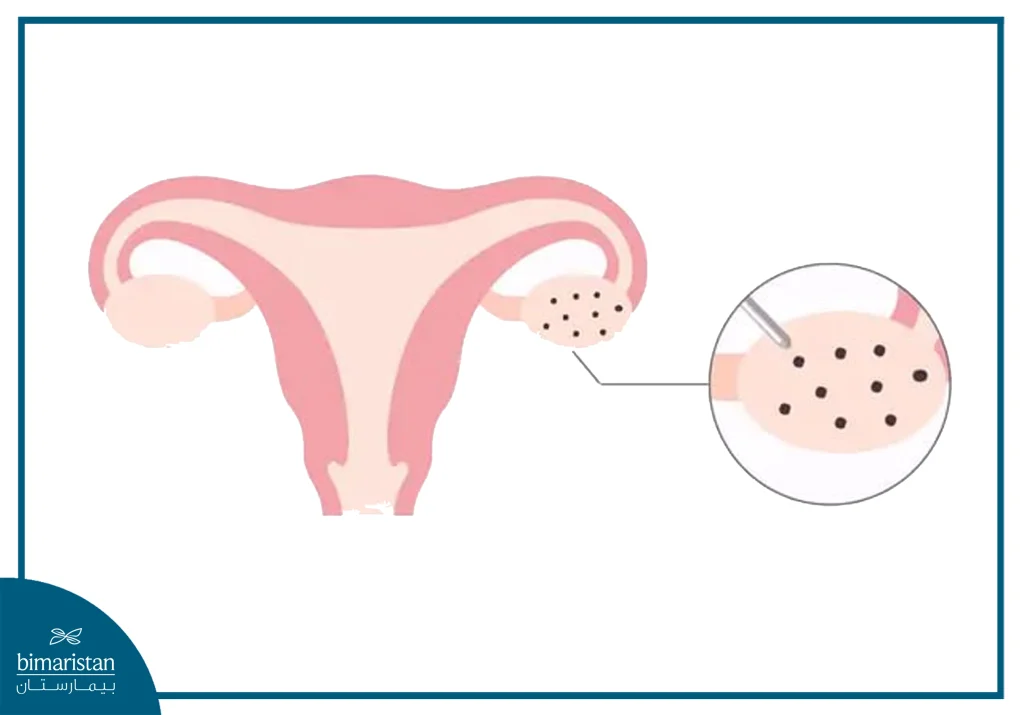
The procedure is usually performed as an outpatient surgery under general anesthesia and involves the following steps:
- Making a small incision near the navel to insert the endoscope
- Inflating the abdomen with carbon dioxide to provide a safe field of view
- Inserting precision surgical instruments through additional small incisions in the lower abdomen
- Making 4–10 small holes in each ovary using electrocautery or a laser to reduce androgen production
- Removing Instruments and Closing Small Surgical Incisions
The patient is usually discharged from the hospital the same day, and ovulation is expected to begin improving in the weeks or months following the procedure.
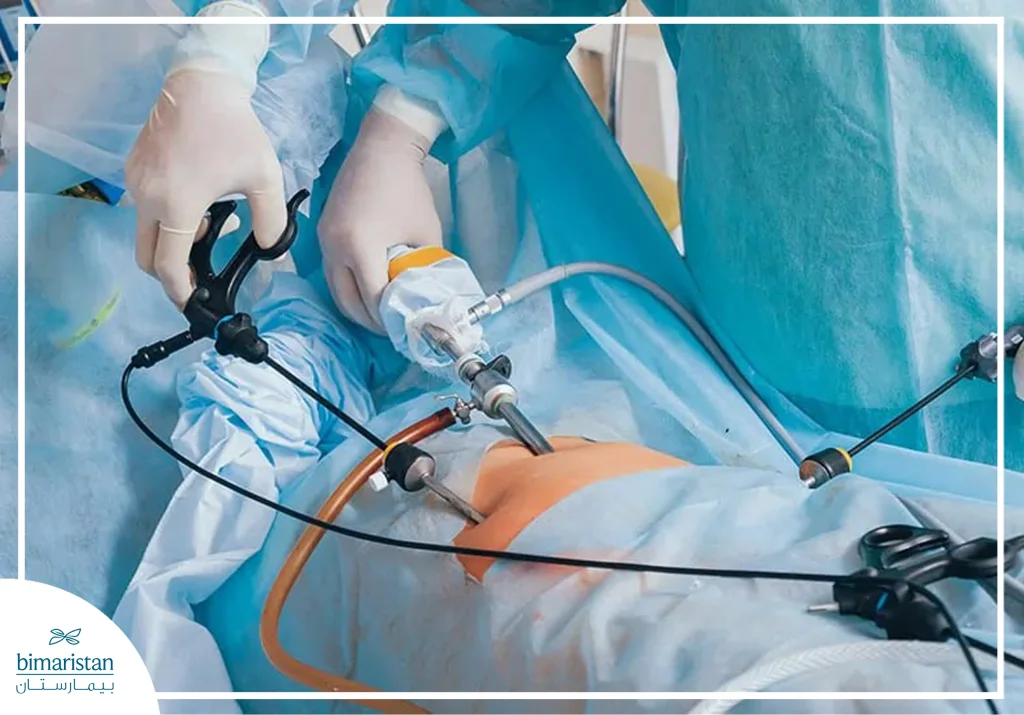
This technique is commonly used in various abdominal and gynecological surgeries
What is the physiological purpose of ovarian drilling?
The physiological goal of ovarian puncture is to directly modify the hormonal environment within the ovary. In cases of polycystic ovary syndrome (PCOS), the ovarian cortex is thickened, and androgen production is increased, which impedes follicular maturation and ovulation. By making small, carefully controlled punctures in the outer layer, its thickness is reduced, and the amount of tissue responsible for androgen secretion is decreased, leading to lower androgen levels in the blood.
This decrease helps restore the balance of follicle-stimulating hormones and allows follicles to mature naturally again, thereby stimulating spontaneous ovulation and regulating the menstrual cycle in a percentage of patients.
Success Rate of Ovarian Drilling
Studies indicate that about 70–80% of women resume regular ovulation after laparoscopic ovarian drilling, while approximately 50–60% become pregnant within the first year after surgery. Some sources also indicate that about 8 out of every 10 women begin ovulating again after the procedure, and about 5 out of every 10 become pregnant within 12 months.
However, the results depend on various factors, such as the patient’s age, body mass index, duration of infertility, and the presence of other factors affecting fertility. It should be noted that the effects of the procedure may not be permanent; in some cases, ovulation disorders may recur over time.
Advantages of Laparoscopic Ovarian Drilling
Laparoscopic ovarian drilling is a minimally invasive surgical treatment option for women with polycystic ovary syndrome who do not respond to medication. Its significance lies in its ability to restore ovulation without the need for repeated monthly ovulation-inducing medications, while reducing some of the risks associated with hormonal therapy. Among the procedure’s key advantages are:
- A procedure that is usually performed only once, unlike ovulation-inducing medications, which may require multiple treatment cycles
- A high rate of ovulation restoration in a large proportion of patients
- Lower risk of multiple pregnancies compared with injectable fertility drugs
- Reducing the Risk of Ovarian Hyperstimulation Syndrome
- The Potential to Improve Future Responses to Fertility Medications When Needed
- It is performed as an outpatient procedure with a relatively short recovery period
Potential Risks and Complications of Laparoscopic Ovarian Drilling
Although the procedure is considered relatively safe when performed by a specialized team, it remains a surgical procedure that carries risks that must be taken into account before making a decision. Among the most important risks and potential complications are:
- Bleeding or infection at the incision site
- Complications Associated with General Anesthesia
- Accidental injury to the intestines, bladder, or blood vessels during the insertion of instruments
- Pelvic adhesions may develop, which could affect fertility later on
- The potential impact on ovarian reserve in the event of excessive damage to ovarian tissue
- In rare cases, early ovarian failure or early menopause may occur
Therefore, each case should be evaluated on an individual basis, and the benefits and risks should be clearly discussed before proceeding with the procedure.
The Difference Between Laparoscopic Ovarian Drilling and Medical Treatment
The following table outlines the main differences between drug therapy to induce ovulation and laparoscopic ovarian puncture in terms of effectiveness and complications:
| Points of Comparison | Medication to Induce Ovulation | Laparoscopic Ovarian Drilling |
|---|---|---|
| Treatment Plan | It is considered the first-line treatment for anovulation associated with polycystic ovary syndrome | It is used when drug therapy fails or when there is resistance to medications |
| Mechanism of Action | Hormonal stimulation of the ovaries to induce ovulation | Reducing the thickness of the ovarian cortex and lowering androgen levels to stimulate ovulation |
| Ovulation Rate | It is effective for a large percentage of people, but may fail in some cases | It helps restore ovulation in a high percentage of resistant cases |
| The Risks of Multiple Pregnancies | Relatively higher, especially with injectable medications | Less than with drug therapy |
| Ovarian Hyperstimulation | Risk of Ovarian Hyperstimulation Syndrome | Reduces the risk of overstimulation |
| Nature of the Procedure | Non-surgical drug therapy | A minimally invasive surgical procedure performed under general anesthesia |
After Laparoscopic Ovarian Drilling
The procedure is usually performed as an outpatient procedure, and the patient is discharged from the hospital the same day unless her condition requires monitoring. You may experience mild pain in the lower abdomen or shoulders for several days due to the gas used during the laparoscopy, which usually responds well to mild pain relievers.
You can resume light daily activities within a few days, while a full return to normal activity is recommended in about a week. It is also recommended that you begin trying to conceive in the months following surgery to take advantage of the improved ovulation.
When will the results of laparoscopic ovarian drilling be available?
Ovulation may begin to improve within weeks of the procedure, although the timing of the response varies from woman to woman. The best chance of conception occurs during the first six to twelve months after the procedure, as the hormonal response is at its peak during this period in many cases.
The Cost of Laparoscopic Ovarian Drilling and a Comparison with Other Countries
The cost of laparoscopic ovarian drilling varies depending on the country, the type of hospital, the surgical team’s experience, accompanying tests, and the costs of anesthesia and hospitalization. Health insurance systems and medical infrastructure also play an important role in determining the final price.
The following is a rough comparison of the total cost of the operation:
| The State | Approximate cost |
|---|---|
| Turkey | $1,500–$3,000 |
| The United States | $8,000–$15,000 |
| Germany | $5,000–$9,000 |
| Gulf Countries (Saudi Arabia / United Arab Emirates / Qatar) | $6,000–$12,000 |
Turkey is considered a relatively low-cost destination compared to the United States, Europe, and the Gulf countries, with hospitals specializing in gynecological laparoscopic surgery that offer excellent quality and success rates that are among the highest.
Laparoscopic ovarian drilling is an effective treatment option for women with polycystic ovary syndrome who do not respond to medication, as it aims to restore ovulation by modifying the hormonal environment within the ovary through a minimally invasive surgical procedure. Although rates of ovulation restoration and pregnancy are high during the first year after the procedure, outcomes vary depending on the patient’s age, health status, and the presence of other factors contributing to infertility.
The decision to undergo the procedure remains a medical decision that must be made after a comprehensive evaluation and a careful weighing of the expected benefits against the potential risks, as part of a clear, individualized treatment plan aimed at achieving the best chance of a safe pregnancy.
Sources:
- Bordewijk EM, Ng KYB, Rakic L, Mol BWJ, Brown J, Crawford TJ, van Wely M. Laparoscopic ovarian drilling for ovulation induction in women with anovulatory polycystic ovary syndrome. Cochrane Database Syst Rev. 2020 Feb 11;2(2):CD001122. doi: 10.1002/14651858.CD001122.pub5. PMID: 32048270; PMCID: PMC7013239.
- Mitra S, Nayak PK, Agrawal S. Laparoscopic ovarian drilling: An alternative but not the ultimate treatment for polycystic ovary syndrome. J Nat Sci Biol Med. Jan–Jun 2015;6(1):40–8. doi: 10.4103/0976-9668.149076. PMID: 25810633; PMCID: PMC4367066.
- Sinha P, Chitra T, Papa D, Nandeesha H. Laparoscopic Ovarian Drilling Reduces Testosterone and Luteinizing Hormone/Follicle-Stimulating Hormone Ratio and Improves Clinical Outcome in Women with Polycystic Ovary Syndrome. J Hum Reprod Sci. July–September 2019;12(3):224–228. doi: 10.4103/jhrs.JHRS_161_18. PMID: 31576080; PMCID: PMC6764220.