
Angiosarcoma is a rare type of malignant cancer that originates in the cells lining blood vessels or lymphatic vessels. It is considered a malignant tumor that can develop rapidly and spread to other parts of the body, making accurate diagnosis and early treatment critically important.
Angiosarcoma affects various parts of the body, most commonly the skin. The tumor may be asymptomatic in the early stages of the disease, which makes diagnosing it a medical challenge. However, as the disease progresses, various symptoms appear, such as spots or skin changes. The diagnosis of angiosarcoma relies on clinical examination and various imaging techniques, in addition to a biopsy of the tumor to confirm the diagnosis. Treatment depends on the tumor’s location, size, stage, and extent of spread. In this article, we will discuss the treatment options available for this type of cancer.
What are angiosarcomas?
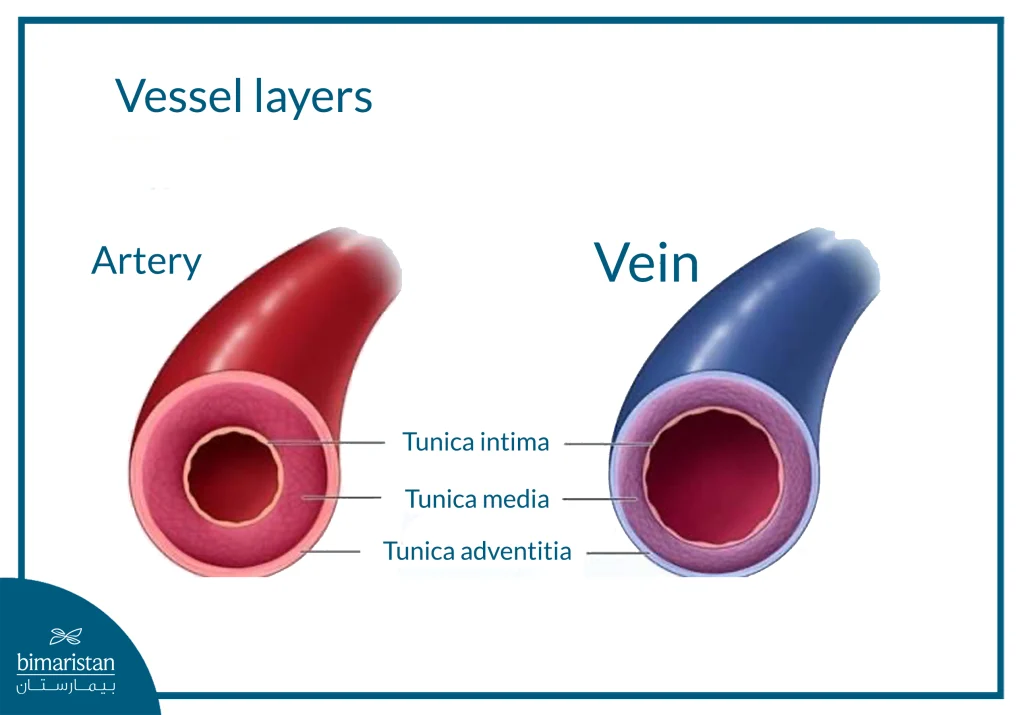
In humans, a blood vessel consists of three layers: the outer layer, which is rich in collagen and elastic fibers; the middle layer, which consists of smooth muscle and elastic fibers that allow the blood vessel to expand and contract; and on the inside is the inner layer, which comes into direct contact with the blood; angiosarcoma arises from the cells of this inner layer.
Angiosarcoma is a rare and aggressive cancer that affects approximately two out of every million people. This type of cancer falls within the category of soft tissue sarcomas, which are malignant tumors that originate from the connective tissues that support the body’s organs. These tissues include muscles, fat, tendons, ligaments, blood vessels, nerves, and the tissues surrounding the joints. Angiosarcoma primarily targets the cells that line blood vessels and lymphatic vessels throughout the body, with the most common sites being the skin, breast, and liver.
This type of cancer is known to be aggressive and spreads rapidly. Local recurrence can occur after treatment due to the malignancy of the disease. Additionally, it can lead to tumor metastases that spread through the blood or lymphatic system, affecting various organs in the body, such as the liver. Tumors involving blood vessels may be primary, meaning they arise from vascular cells, or secondary, resulting from metastases from other cancers.
Types of angiosarcoma
Angiosarcoma develops in the blood vessels of various organs. Scientists have classified this type of cancer based on where it originates, and the classification is as follows:
Hepatic angiosarcoma
This type of cancer originates in the hepatic vessels; it is aggressive and extremely dangerous, and is one of the rarest cancers affecting the liver. It can metastasize to the lungs and lymph nodes.
Cardiac angiosarcoma
This rare cancer originates from the endothelial cells of the heart’s blood vessels, affecting the right atrium in 90% of cases. It is known for its aggressive nature, as it spreads through the heart muscle wall, involving the entire right atrium. From there, it can extend to the vena cava (both the superior and inferior vena cava) and the tricuspid valve, which is the valve between the right atrium and right ventricle. This progression can lead to severe pulmonary and cerebral metastases.
Cutaneous angiosarcoma
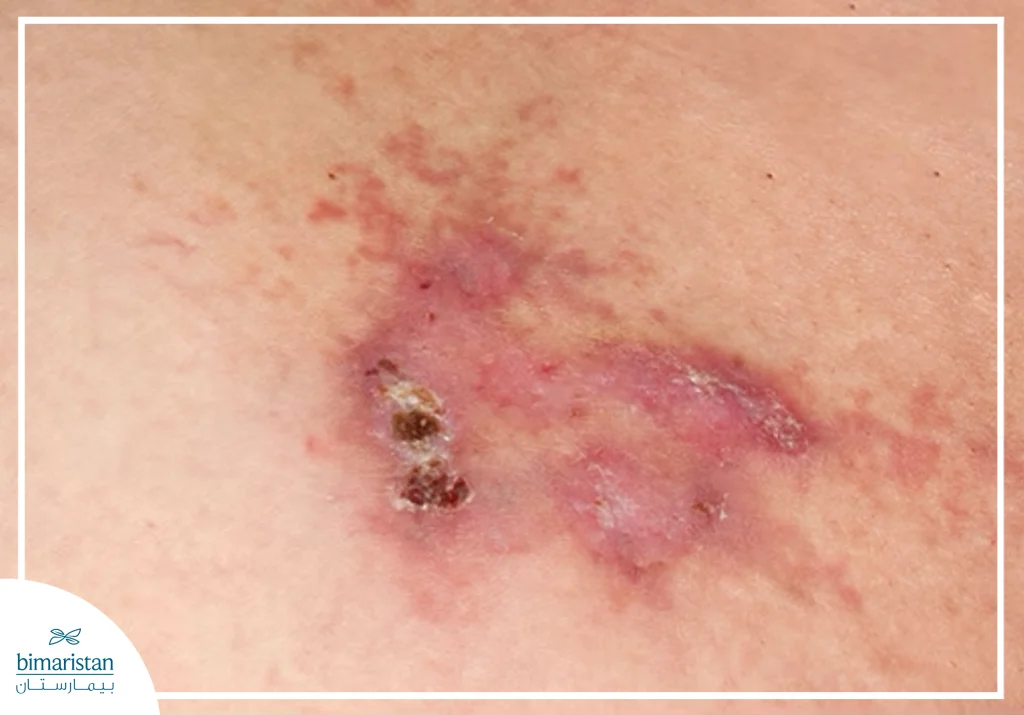
This cancer affects the blood vessels in the skin. The manifestations of this disease include skin symptoms that may resemble those of other skin conditions. In most cases, the tumor appears on the scalp and face, and it often responds poorly to treatment; the patient’s condition may deteriorate rapidly, and the cancer can metastasize to the lymph nodes and lungs.
Breast angiosarcoma
This primary cancer is more aggressive than common breast cancers and tends to grow rapidly, making treatment difficult. This type of cancer can also affect women who have undergone treatments such as surgery and radiation therapy for breast cancer, and it can metastasize to the bones and liver.
Bone angiosarcoma
This type of cancer is rare but highly malignant. It most commonly affects people between the ages of 50 and 70. It can develop in various bones throughout the skeleton, including the ribs, skull, spine, and long bones. Tumor recurrence may occur even after long periods have elapsed following treatment.
Causes and risk factors for angiosarcoma
Angiosarcoma develops when the cells lining the blood vessels turn into cancer cells that multiply abnormally, forming a malignant tumor. Although the exact cause of this type of cancer is unknown, there are a number of factors that increase the risk of developing it, including:
- Age: Angiosarcoma usually affects people aged 60 and older.
- Gender: Recent medical research indicates that vascular cancer is more common in men than in women.
- Chronic lymphedema: This condition occurs when lymph fluid accumulates in the tissues because of dysfunction or blockage in the lymphatic system, often causing chronic swelling in one limb; the swelling may spread to other parts of the body, and it increases the risk of developing vascular cancer.
- Sun exposure: Long-term exposure to the sun may increase the risk of developing cutaneous hemangioma.
- Exposure to certain chemical agents: Exposure to certain substances, such as polyvinyl chloride, is associated with an increased risk of developing the hepatic form of this cancer.
- Radiation therapy: Undergoing radiation therapy as part of treatment for certain cancers, such as breast cancer, increases the risk of developing vascular cancer as a late complication of the treatment.
- Genetic and hereditary factors: Having certain genetic syndromes, such as Mafuki syndrome, significantly increases the risk of developing this cancer.
Symptoms and clinical signs associated with angiosarcoma
Symptoms associated with this type of cancer can vary based on its location, whether in the skin, liver, or elsewhere. Additionally, the symptoms of angiosarcoma may mimic those of other diseases, making early diagnosis challenging. Unfortunately, a delayed diagnosis can result in the progression of the disease and a loss of control over it. It is crucial to pay attention to the following symptoms, as their appearance may indicate the presence of cancer:
- Small red or bluish lumps on the head, neck, or breast that may grow or bleed
- A skin rash or a purple, bruise-like spot that does not fade over time; it may also be raised above the skin’s surface
- An ulcer or wound that does not heal on its own or gradually increases in size
- Fatigue and exhaustion
- Unintentional weight loss
- Pain in the upper right part of the abdomen (in some cases of hepatic angiosarcoma)
Diagnosis and stages of angiosarcoma
Diagnosing angiosarcoma in its early stages is of the utmost importance, as it is an aggressive form of cancer that metastasizes to various organs in the body; therefore, the appearance of any unusual symptoms in a person warrants seeking medical advice to undergo the necessary tests. Diagnosis of this type of cancer begins with taking a complete medical history from the patient, followed by an appropriate physical examination. If cancer is suspected, the doctor may order the following tests:
- Imaging techniques, such as computed tomography (CT), magnetic resonance imaging (MRI), and positron emission tomography (PET), are used to determine the location, size, and extent of a tumor
- Ultrasound or mammography is used in cases where breast cancer is suspected
- A biopsy is performed to obtain a sample of the tumor tissue, which is then examined at the cellular level under a microscope in a pathology laboratory
Stages of angiosarcoma
It is important for doctors to determine the stage of cancer and assess its spread after making a diagnosis. The stages can be classified as follows:
- Stage 1: The tumor is relatively small and confined to its origin site.
- Stage II: The tumor has not yet begun to spread to surrounding tissues, but it is larger than in Stage I. Stages I and II are classified as low-grade tumors.
- Stage III: The tumor is larger and has begun to spread to the surrounding tissues.
- Stage IV: The tumor has spread from its site of origin to other organs or areas of the body; this condition is known as metastatic cancer, and stages III and IV are classified as high-grade tumors.
Treatment of angiosarcoma
The treatment of angiosarcoma depends on the size of the tumor, its spread, and the patient’s overall health. Although there are various treatment options available, they are not suitable for all patients, as each patient has a unique condition and requires a tailored treatment plan. Treatment options that may be considered include:
Surgery
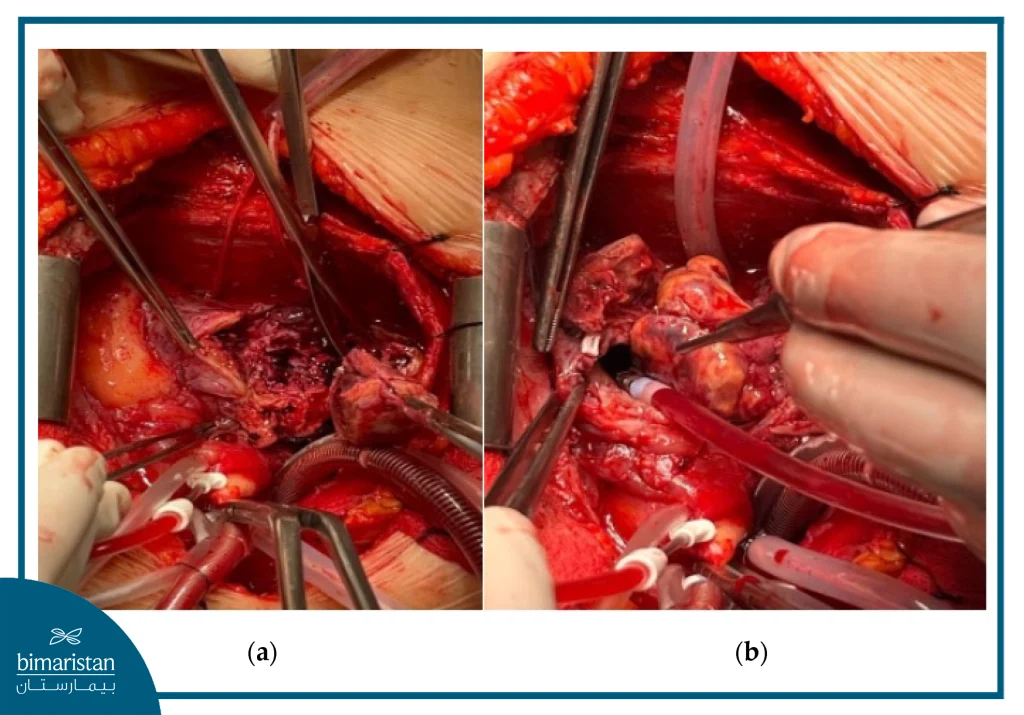
Radical surgery is the primary treatment for localized, resectable angiosarcoma, and aims to completely remove the tumor while achieving a cancer-free surgical margin. Surgery is associated with a reduced risk of recurrence and improved survival in patients without metastases. This option is primarily used in patients whose tumors are localized and can be safely resected, while it may be difficult to use when the tumor has invaded sensitive organs or anatomical regions.
Radiation therapy
Radiation therapy is often used as an adjunct treatment after surgery, with the goal of eliminating any remaining cancer cells and reducing the risk of the tumor recurring in the same area. Combining surgery and radiation therapy may help improve local control of the disease compared to using either treatment alone. This therapy may be considered especially in patients who have undergone tumor resection and are at high risk for local recurrence. However, for patients who have developed angiosarcoma as a result of previous radiation therapy, radiation therapy may be avoided due to the increased risk of toxicity.
Chemotherapy
Chemotherapy is primarily used in advanced or metastatic cases of angiosarcoma, especially when surgical resection is not possible. Several drugs may be used, most notably anthracyclines and paclitaxel, in addition to other options. The choice of medication depends on the patient’s condition, the extent of the disease, and previous treatments received. Chemotherapy may also be appropriate in cases of recurrence or disease progression following initial treatment.
Targeted therapy
Targeted therapy involves targeting the pathways that contribute to tumor angiogenesis, particularly the vascular endothelial growth factor (VEGF) pathway. Drugs that may be used include bevacizumab and tyrosine kinase inhibitors such as pazopanib and regorafenib. These treatments may be considered for some patients with advanced or unresectable disease, particularly when other treatment options are limited.
Immunotherapy
Immunotherapy works by stimulating the immune system to help it recognize and attack cancer cells. This type of treatment has shown positive responses in some patients who did not respond to conventional treatments. Immunotherapy can be used in some advanced or treatment-resistant cases, and it may be used alone or in combination with chemotherapy or targeted therapies, depending on the characteristics of the tumor and the patient’s condition.
In conclusion, although angiosarcoma is rare and its treatment is complex, an accurate diagnosis and staging of the disease help in selecting the most appropriate treatment plan for each patient. Options may include surgery, radiation therapy, and chemotherapy, as well as targeted and immunotherapies in some cases. Treatment depends on the tumor’s location, size, extent of spread, and resectability. Therefore, it is advisable to evaluate the case within a specialized medical team. With the continuous development in cancer treatment, the available options for controlling the disease and improving outcomes and quality of life for patients are increasing.
Sources: