
CAR-T cell therapy for cancer is one of the most exciting developments in the field of cancer treatment, as it is based on a different approach than conventional therapies: Instead of attacking the tumor directly, cells from the patient’s immune system can be trained and modified to better recognize and attack cancer cells.
This approach has significantly shifted the treatment of certain blood cancers, particularly in cases that did not respond well to previous treatments or recurred after treatment. However, CAR-T is not a suitable treatment for all types of cancer, and research is ongoing to expand its use to include solid tumors as well. So how do these modified cells work inside the body? How are they produced and administered to the patient? Which cancers can it treat, and what are its chances of success and risks?
In this article, we will explore the journey of CAR-T therapy from the laboratory to the patient’s body, explain how it works, outline the stages of treatment, discuss its side effects, and examine its future in cancer treatment.
What is CAR-T cell therapy for cancer?
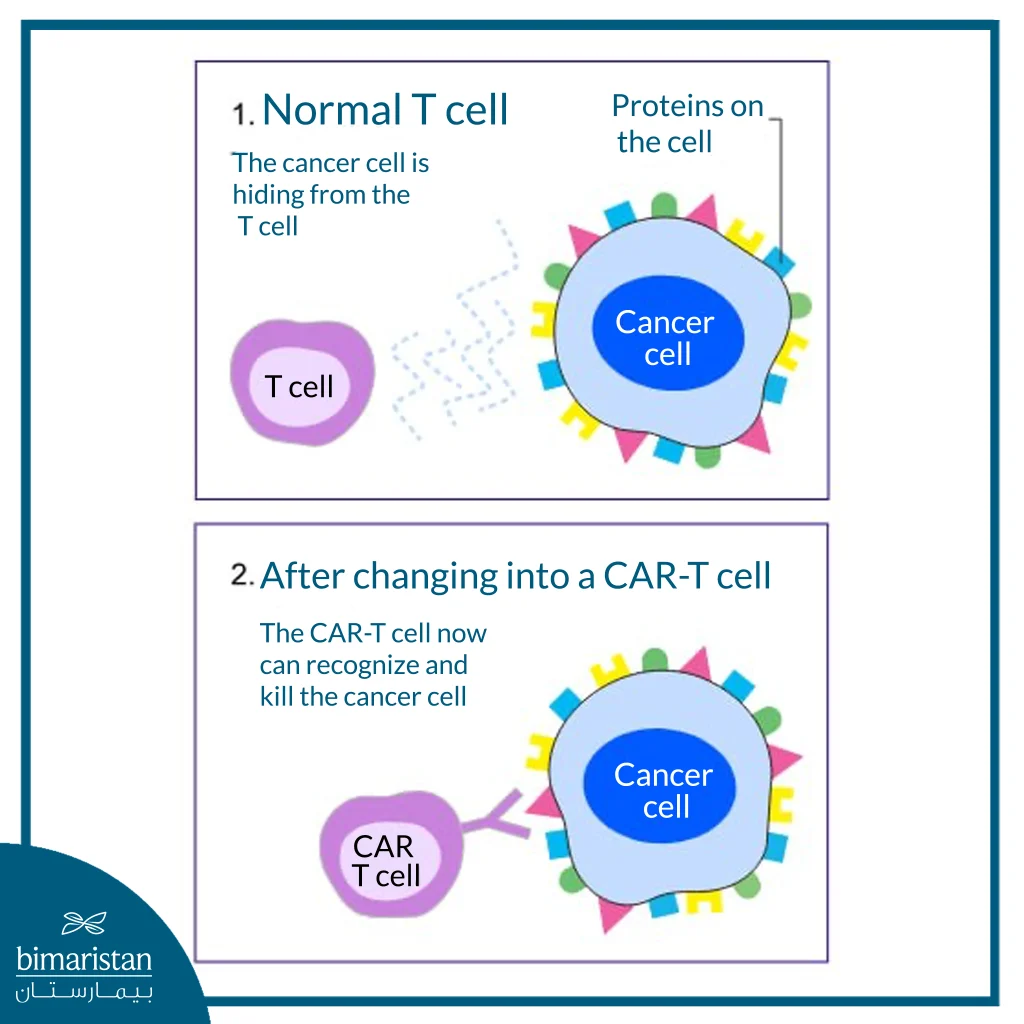
To understand this treatment, it helps to first understand what T lymphocytes are. Lymphocytes are a type of white blood cell that play an important role in fighting pathogens the body is exposed to, including cancer. Lymphocytes include many types, including T cells. T cells travel throughout the body to search for abnormal cells and destroy them. When the body is exposed to a new infection or disease, it produces T cells to fight it, then retains some as a reserve so that if a person is exposed to the same infection again, the body can quickly recognize and attack it.
The term CAR-T stands for “chimeric antigen receptor T-cell,” a receptor designed to help T-cells more accurately recognize specific targets on the surface of cancer cells. CAR-T cell therapy is a type of immunotherapy for cancer; it works by enhancing the immune system’s ability to recognize and attack cancer cells. In some cases, certain cancer cells can evade natural T cells because they are not sufficiently recognizable. CAR-T cell therapy has become one of the treatment options for certain difficult-to-treat cancers, such as blood cancers, including specific types of leukemia, lymphoma, and multiple myeloma, particularly in patients who have not responded adequately to previous treatments or whose disease has recurred after treatment.
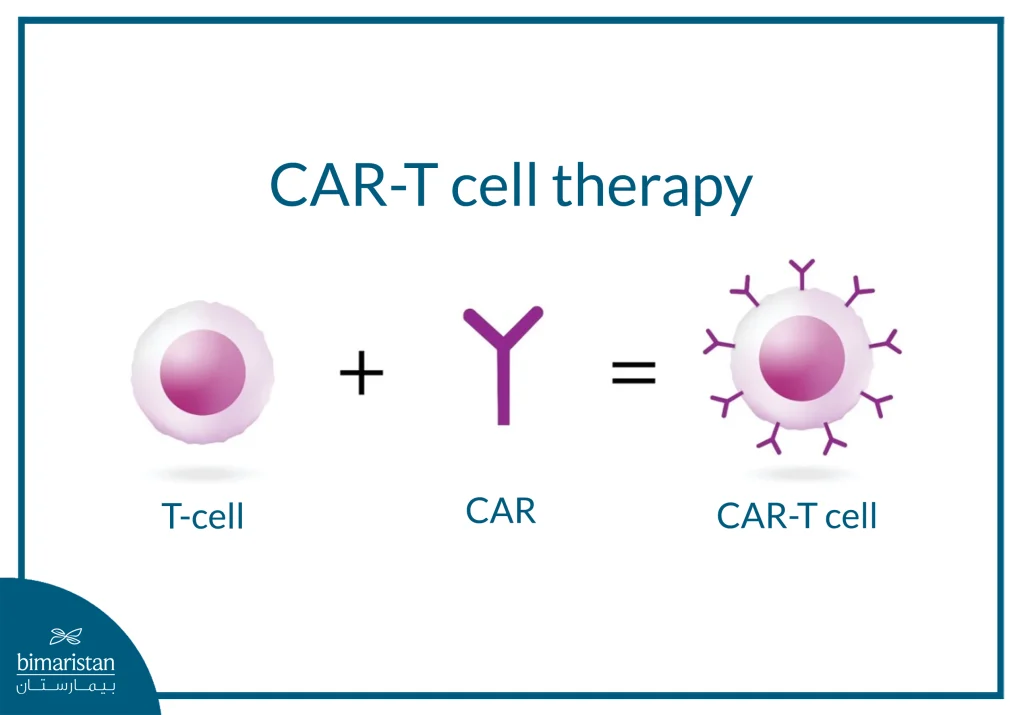
Details on CAR-T cell therapy
CAR-T cell therapy for cancer requires special care before, during, and after administering the modified cells. The stages can be broken down as follows:
Preparation before treatment
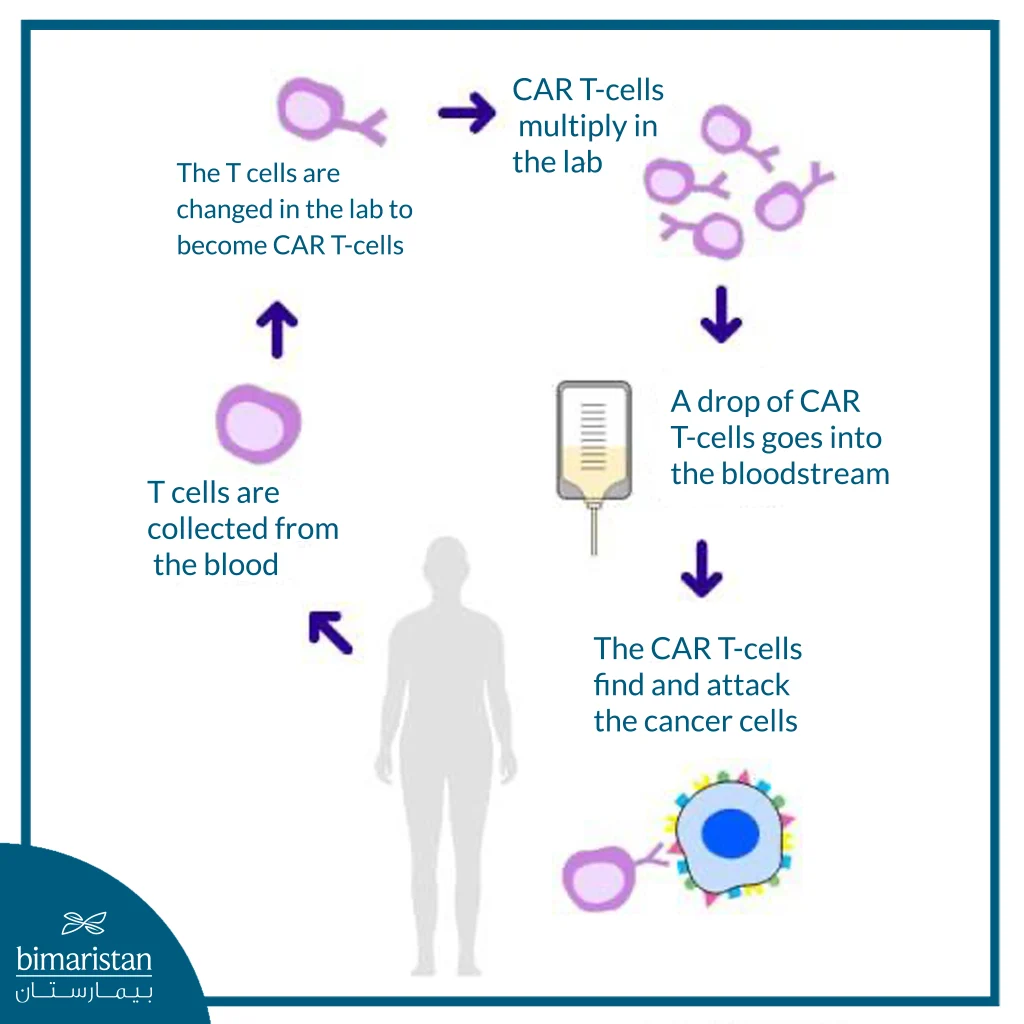
After the decision to use CAR-T therapy is made, preparation begins with collecting white blood cells from the patient; these cells are then transported to a specialized facility to complete the therapy manufacturing process. This process typically takes about three to six weeks. During this time, some patients may need temporary treatment, such as chemotherapy or radiation therapy, to control the disease while the cells are being prepared. This is sometimes called bridging therapy. Immediately before CAR-T cells are administered, the patient receives a short course of chemotherapy to reduce certain immune cells and prepare the body to receive the treatment.
During treatment
CAR-T therapy is administered via intravenous infusion, and the administration process is very similar to a blood transfusion. The cells are placed in a medical bag, which is then connected to an intravenous line that allows the cells to enter the bloodstream. The infusion itself usually takes between five and thirty-five minutes and may be performed in the hospital, depending on the patient’s condition and the treatment plan.
After treatment
The period following CAR-T administration requires careful monitoring, as some complications may occur in the first few days after treatment. Patients are often asked to remain in the hospital for about seven to ten days, although the duration can vary based on individual conditions and responses to treatment. After discharge, patients are typically advised to stay close to the treatment center for the first month so they can return quickly if any issues arise. Additionally, patients should have someone with them at all times during this period to assist in case of complications. They may also be advised to avoid driving for up to two months after receiving the treatment.
Which cancers can be treated with CAR-T cells?
Currently, CAR-T cell therapy is used to treat certain blood cancers, particularly when the condition does not respond to other treatments or when the cancer recurs after treatment. These cancers include:
- B-cell acute lymphoblastic leukemia (ALL)
- Diffuse large B-cell lymphoma
- Follicular lymphoma
- High-grade B-cell lymphoma
- Mantle cell lymphoma
- Multiple myeloma
- Primary mediastinal large B-cell lymphoma
What are the types of CAR-T cells?
CAR-T therapies differ depending on the antigen the modified T cells are designed to recognize, so each type of therapy is associated with specific cancers. Most approved CAR-T therapies target the CD19 antigen, which is found on the surface of many cancerous B cells. Among the most prominent of these therapies are:
- Tisagenlecleucel (Kymriah): Used for certain cases of B-cell acute lymphoblastic leukemia in children and young adults, as well as some forms of large B-cell lymphoma and follicular lymphoma.
- Axicabtagene ciloleucel (Yescarta): Targets the CD19 antigen and is used for specific types of large B-cell lymphoma and follicular lymphoma.
- Brexucabtagene autoleucel (Tecartus): Used for certain cases of mantle cell lymphoma and B-cell acute lymphoblastic leukemia.
- Lisocabtagene maraleucel (Breyanzi): Used for several types of lymphoma, including large B-cell lymphoma, follicular lymphoma, and mantle cell lymphoma, as well as certain cases of chronic lymphocytic leukemia and marginal zone lymphoma.
Other treatments target a different antigen known as BCMA, which is found specifically on multiple myeloma tumor cells. Among the most important of these treatments are idecapitagene vicleucel (Abecma) and seltacapitagene autoleucel (Carvykti), both of which are used in specific cases of relapsed or treatment-resistant multiple myeloma.
What are the risks associated with CAR-T cell therapy for cancer?
Like other cancer treatments, CAR-T cell therapy may cause numerous risks and side effects, some of which can be life-threatening and require hospital care. Among the most significant risks are:
- Induction of inflammatory responses: Since the entry of large numbers of CAR-T cells into the body may stimulate an immune response, this can lead to the induction of various inflammatory responses, including:
- Heat
- Rapid pulse
- Low blood pressure
- Effects on the nervous system: CAR-T cells are small enough to cross the blood-brain barrier, and their entry into the central nervous system may cause immune-mediated neurotoxicity syndrome. Symptoms include:
- Confusion and disorientation
- Difficulty remembering things
- Low blood cell count: In some patients undergoing CAR-T cell therapy, blood cell counts decrease, weakening the body’s immune system and increasing the risk of infection. The risk of infection can be reduced by following hygiene guidelines, such as washing your hands thoroughly and avoiding contact with people who have any type of infection.
Who is eligible for CAR-T cell therapy?
CAR-T cell therapy is not suitable for all cancer patients; eligibility depends on several factors, including the type of cancer, the stage of the disease, the patient’s response to previous treatments, and overall health. As mentioned earlier, this treatment is currently used primarily for patients with certain blood cancers, such as acute B-cell lymphoblastic leukemia, certain types of lymphoma, and multiple myeloma. It is often a treatment option when the cancer is resistant to treatment, and in some cases, the patient must have received two or more prior lines of therapy.
Cost of CAR-T cell therapy in Turkey
Turkey is one of the countries that offers unique therapeutic technologies, including CAR-T cell therapy. CAR-T cell therapy is expensive because it is one of the most advanced, cutting-edge treatments in cancer therapy. It relies on specialized techniques to modify and manufacture immune cells and requires well-equipped medical centers and experienced medical teams to treat tumors with immunotherapy. Current costs may range from approximately $125,000 to $200,000, with significant variation depending on the type of treatment used, the patient’s condition, and whether the cost includes cell production, hospital stay, adjunctive therapies, and post-treatment monitoring.
In conclusion, CAR-T cell therapy represents a significant breakthrough in cancer treatment, as it relies on the sophisticated use of immune cells to target certain cancer cells. This therapy has shown promising results in some patients with blood cancers, particularly when previous treatments were ineffective or the disease recurred. However, CAR-T remains a specialized treatment that is not suitable for all patients, and it may cause side effects and complications that require close medical monitoring. As research and clinical trials continue, researchers are working to develop this therapy and expand its use to include other types of cancer, which may open up new horizons for personalized immunotherapy in the future.
Sources:
- American Cancer Society. (July 7, 2025). CAR T-cell therapy and its side effects.
- Sun, D., Shi, X., Li, S., Wang, X., Yang, X., & Wan, M. (2024). CAR-T cell therapy: A breakthrough in traditional cancer treatment strategies (Review). Molecular Medicine Reports, 29(3), 47.
- Cancer Research UK. (September 25, 2024). CAR T-cell therapy.