


.floating_btn{ display:none !important; } .println-contact-form-button-element{ display:none !important; }
Pelvic fractures are a serious but uncommon injury, accounting for approximately 3% of all fractures in adults, and the rate increases significantly in the elderly due to osteoporosis and poor balance. Studies indicate that about 20 to 25 cases per 100,000 people per year have a pelvic fracture, while the rate in the elderly rises to more than 60 cases per 100,000.
These injuries often result from traffic accidents, falls from height, or work injuries, and may be associated with damage to blood vessels or neighboring internal organs. Due to the pelvis’s important location in the body and its role in movement and support, pelvic fracture treatment requires careful surgical care and continuous follow-up to minimize complications and successfully treat the pelvic fracture.
What is a pelvic fracture?
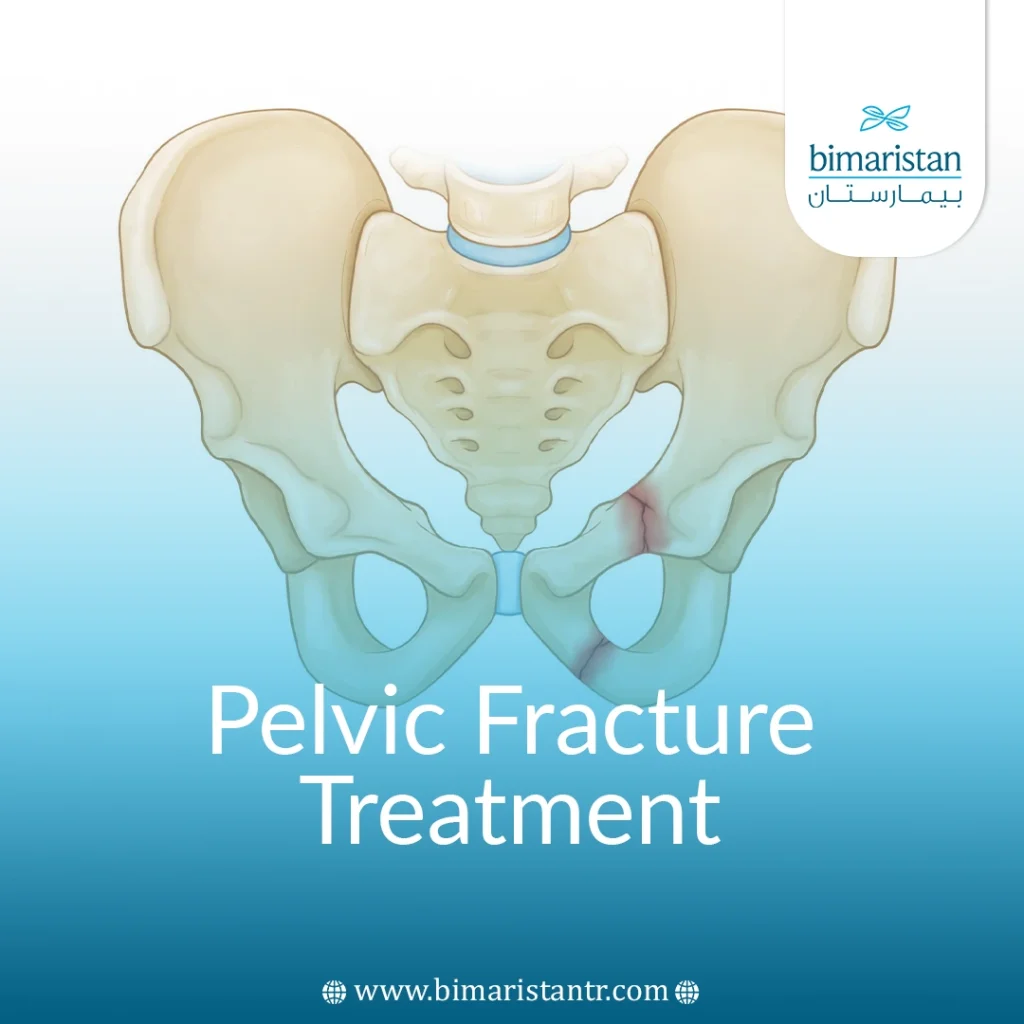
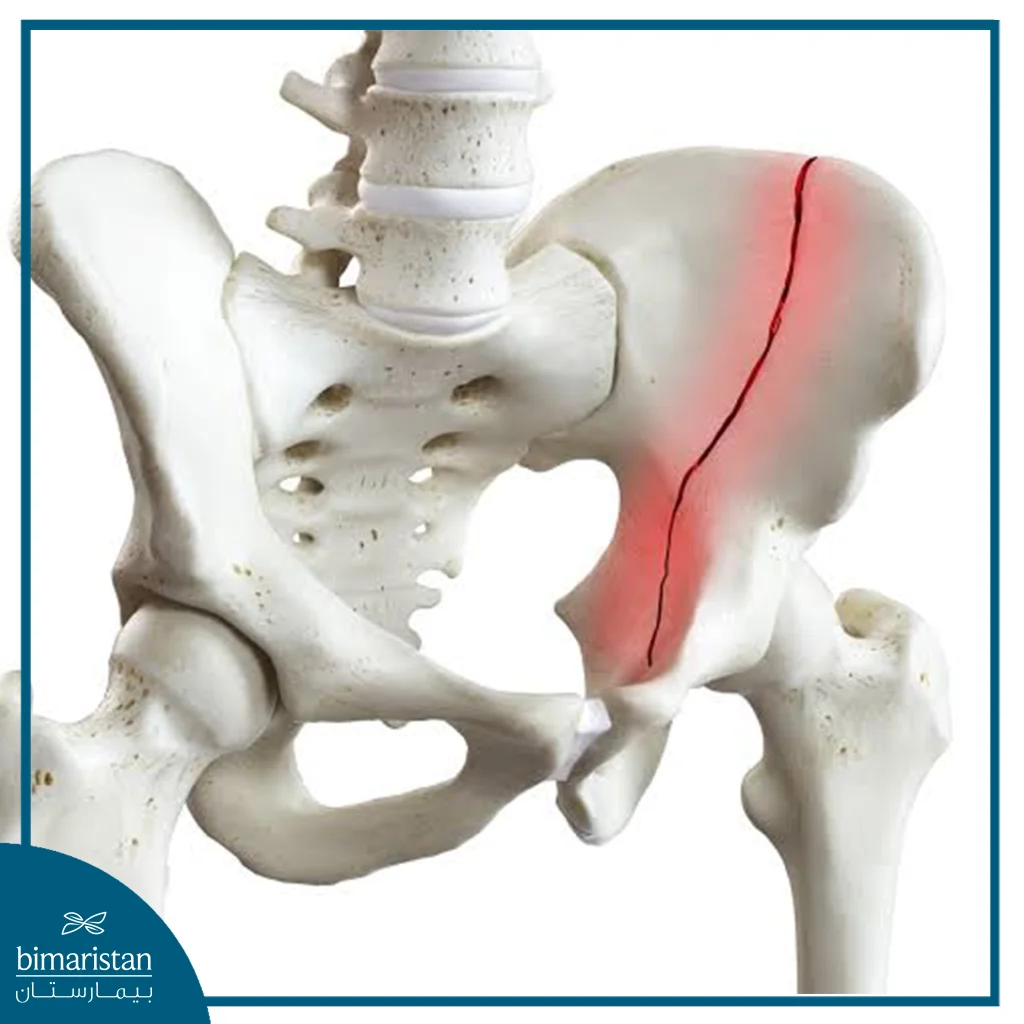
A pelvic fracture is a break in one of the bones that form the pelvic ring, which connects the spine to the legs and is an essential axis for supporting the body during movement, sitting and standing, as the fracture occurs when these bones are exposed to a force that exceeds their ability to withstand, whether as a result of a direct injury such as traffic accidents and falling from a height, or due to osteoporosis A pelvic fracture may range from a simple stable crack that does not change the location of the bones, to an unstable fracture in which the bones shift, causing damage to blood vessels or internal organs.
The severity of a pelvic fracture varies from case to case, and is often associated with serious complications due to the proximity of the pelvis to the bladder, intestines and major blood vessels, and the patient usually feels severe pain in the hip or lower back with difficulty moving or standing, and may be accompanied by swelling or bruising in the area, and in some complex cases, the injury may require hip replacement to restore normal movement and reduce pain. Early diagnosis and careful evaluation of the patient’s condition are key factors in determining the type of fracture and the appropriate treatment plan, whether conservative or surgical, to safely and effectively restore pelvic stability and function.
Is a pelvic fracture dangerous?
Yes, a pelvic fracture is a very serious injury due to its important location near vital organs such as the bladder, blood vessels and nerves where it can lead to severe life-threatening internal bleeding, especially in cases of unstable fractures or resulting from severe accidents, and elderly patients or those with chronic diseases such as osteoporosis or heart and lung diseases are more vulnerable to serious complications such as blood clots, infections or partial loss of movement, so pelvic fracture requires urgent diagnosis and specialized treatment to ensure stability and accelerate recovery safely.
Causes of pelvic fractures
Pelvic fractures occur as a result of a strong action that affects the pelvis directly or indirectly, and their severity varies according to the patient’s age and general health condition, knowing the causes of fractures is essential to determine the appropriate treatment plan and minimize potential complications, and some chronic diseases or conditions that weaken the bones may increase the risk of injury, among the most important of these causes:
- Falling from a height: Especially in the elderly, bones weaken as a result of osteoporosis or osteoarthritis, making them more susceptible to fracture even after a simple fall.
- Repetitive injuries or chronic stress: In cases of hard work or intense physical activity, repetitive stress can lead to small fractures that develop over time.
- Sports or work injuries: Accidents during sports or heavy labor can cause fractures directly or by violently twisting the pelvis.
- Traffic accidents: The most common cause in adults, collisions or run-overs, lead to multiple, complex pelvic fractures.
- Chronic bone diseases, Such as osteoporosis and inflammatory diseases of the joints, reduce the strength of bones and make them more fragile.
Symptoms of pelvic fractures
Symptoms of pelvic fractures vary depending on the severity and location of the fracture, but they often significantly affect movement and daily life. Knowing these symptoms helps the patient and the doctor to diagnose early and determine the appropriate treatment to minimize complications. The most important of these symptoms are:
- Swelling and bruising: Rapid swelling with extensive bruising around the hips or thighs as a result of internal bleeding.
- Possible internal symptoms: May include internal bleeding, bladder or bowel issues, especially in complex fractures.
- Severe pain in the pelvic or hip area: Pain is the primary symptom of a pelvic fracture and increases when you try to move or stand up.
- Changes in the shape of the pelvis or the length of the legs: In some unstable fractures, pelvic deformity or a difference in the length of the legs may be observed.
- Difficulty or inability to walk: Most patients find it very difficult to move around and may need outside help or assistive devices.
Types of pelvic fractures
Pelvic fractures can be classified according to the fracture pattern into several main types, including closed or open fractures, complete fractures, displaced fractures, partial fractures, and stress fractures, and each type differs in the severity of its injury and the degree of pelvic stability after the fracture, and there is also another classification based on the stability of the fracture, where fractures can be classified into stable and unstable, which is an important classification to determine the treatment method and monitor recovery, the most important of these types:
Closed or open pelvic fractures
In closed fractures, the bone breaks without penetrating the surrounding skin, which minimizes the risk of infection and often allows for conservative treatment in some minor cases, while open or complex fractures occur when the broken bone penetrates the skin, which increases the risk of infection and bleeding and requires urgent care and careful medical procedures to avoid severe complications.
Complete pelvic fractures
Complete fractures involve the bone splitting into two separate pieces, resulting in significant instability in the pelvis. These fractures usually require careful evaluation to determine the need for surgical stabilization or conservative treatment, and may be associated with internal injuries such as internal bleeding or injury to adjacent organs.
Displaced pelvic fractures
Displaced fractures are characterized by a clear gap between the ends of the broken bone, leading to localized instability and affecting the patient’s ability to move. In some cases, these fractures may require surgical intervention to straighten the bones and ensure proper healing.
Partial pelvic fractures
Partial fractures involve cracks or fractures that do not extend across the entire bone, and are often more stable than complete or displaced fractures. Most of these fractures can be treated conservatively with a brace or temporary fixation, with careful monitoring to avoid the development of any complications.
Stress fractures
Stress fractures occur when small cracks form in bone due to repetitive loading or overuse and are common among athletes and individuals who engage in intense physical activity. These fractures may not be visible on standard radiography and require advanced imaging for early diagnosis and to prevent progression.
Stable and unstable fractures
- Stable fracture: This is usually a single fracture in which the ends of the broken bone do not move, and is often caused by low-intensity injuries such as a simple fall or jogging.
- Unstable fracture: Often two or more fractures with displaced bone ends, usually caused by high-severity injuries such as car accidents, and requires careful monitoring and surgical treatment to ensure pelvic stability and function.
Pelvic Fracture Diagnosis
Diagnosing a pelvic fracture is a crucial step in determining the severity of the injury and developing an appropriate treatment plan. Diagnosis is based on a comprehensive assessment that includes history, clinical examination, and the use of medical imaging techniques to determine the type and stability of the fracture, which is essential before embarking on pelvic fracture treatment to ensure the best possible results and minimize potential complications. One of the most important methods used in the diagnosis:
Clinical examination
Diagnosis begins with a careful clinical examination, where the doctor assesses the patient’s pain, pelvic swelling, visible bruising, as well as the ability to move the legs. The examination helps to identify the affected areas and exclude concomitant injuries to internal organs or large blood vessels. The clinical examination is an initial step before any advanced imaging and is an important indicator to guide therapeutic measures, including pelvic fracture treatment.
X-rays
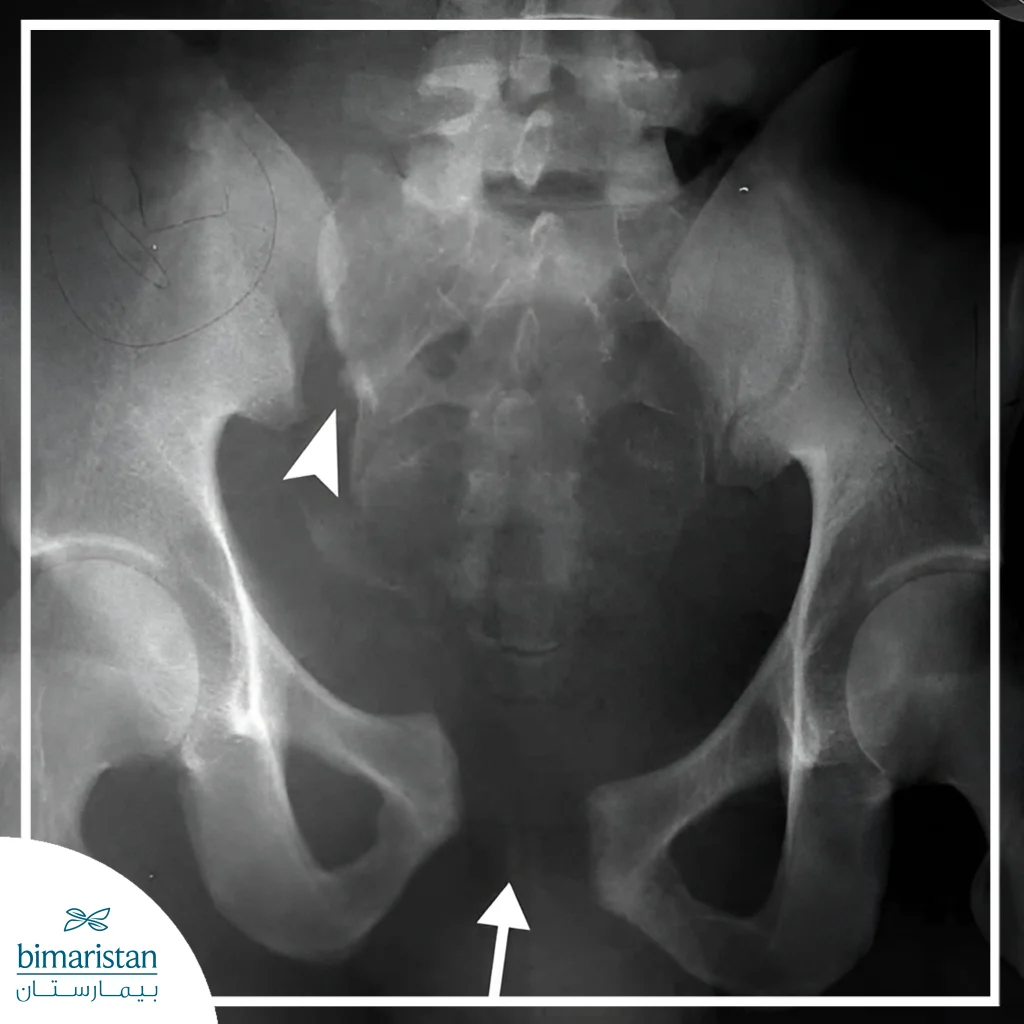
X-rays are the first imaging technique used to confirm the presence of a fracture and determine its pattern, such as closed or open fractures and partial or complete fractures. Although effective, they may not always detect simple fractures or stress fractures, but they provide essential information for pelvic fracture treatment planning.
Computed tomography
Computed tomography (CT) is an accurate tool for evaluating complex pelvic fractures, providing three-dimensional images of the bones, revealing small or displaced fractures that may not show up on X-rays. CT helps to accurately determine the stability of the pelvis and is essential before any surgical intervention in a pelvic fracture treatment plan.
Magnetic Resonance Imaging
MRI is used to evaluate the soft tissues surrounding the bones, such as muscles, ligaments, and blood vessels. In addition to detecting stress fractures that are not visible on regular scans, this imaging helps to create a comprehensive plan to ensure better healing and minimize complications after pelvic fracture treatment.
Pelvic Fracture Treatment Methods
The treatment of a pelvic fracture is a delicate procedure that requires a comprehensive assessment of the patient’s condition, and the choice of the type of treatment depends on several factors, including the location of the fracture, the amount of displacement in the bones, the general condition of the patient, and the presence of concomitant internal injuries. The main goal of pelvic fracture treatment is to restore pelvic balance and stability, relieve pain, and enable the patient to move safely and quickly to avoid complications such as clots or joint stiffness, and the most important methods adopted in the treatment of pelvic fracture include the following:
Conservative pelvic fracture treatment
Conservative treatment is used in cases of stable or simple pelvic fractures, when there is no significant displacement of the bones. This type of pelvic fracture treatment includes bed rest for a specific period, taking painkillers and anticoagulants to reduce the risk of clots, along with careful medical follow-up. After the condition is stabilized, the patient gradually begins physical therapy to restore muscle strength and joint mobility. This treatment is considered safe and very effective for mild injuries.
External installation
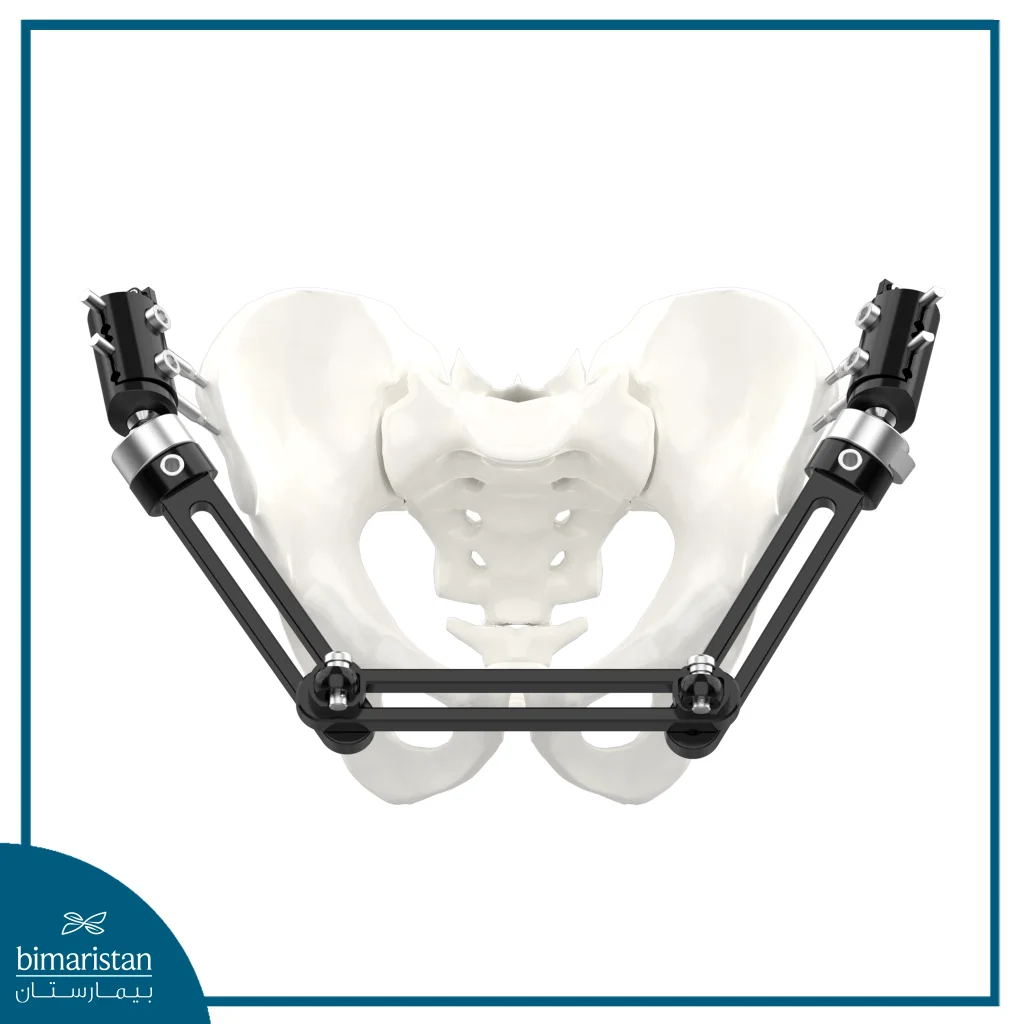
External fixation is an important step in the treatment of an unstable pelvic fracture, where an external metal frame that is attached to the bone through braces that pass through the skin is used to temporarily stabilize the pelvis. This procedure helps reduce internal bleeding and keeps the pelvis stable until the doctor can plan the final surgery, and is often used in cases of violent accidents that result in multiple pelvic fractures.
Rehabilitation and physical therapy after pelvic fracture treatment
Rehabilitation is an essential part of pelvic fracture treatment, as it aims to strengthen muscles, improve flexibility, and restore balance and the ability to walk. The program includes progressive exercises tailored to the patient’s condition and carried out under the supervision of a physiotherapist. Adherence to physical therapy reduces the risk of stiffness or impaired mobility and speeds up full recovery.
Surgical pelvic fracture treatment
In complex or unstable pelvic fractures, surgical treatment is the best option to restore the normal shape of the pelvis and stabilize the bones:
- Surgical preparation: The patient is thoroughly evaluated through laboratory tests and radiographs to make sure they are ready for surgery and minimize the possibility of complications.
- Bone stabilization: The surgeon restores the broken bones to their proper position and stabilizes them using special metal plates and screws that ensure that the bones are stabilized and securely fused.
- Controlling internal bleeding: If bleeding is present, careful measures are taken to stop it, such as ligating the affected vessels or using a therapeutic catheter.
- Post-surgical care: Treatment for a surgical pelvic fracture includes hospitalization, analgesic and anticoagulant medications, and early initiation of physical therapy to gradually improve mobility.
Surgery helps restore normal pelvic function faster, minimizing pain and long-term complications.
Post-surgical tips for pelvic fracture treatment
After surgically treating a pelvic fracture, the patient needs to follow precise guidelines to ensure proper recovery, as it is recommended to rest completely in the first few days and then gradually start physical therapy to restore movement, maintain a diet rich in calcium and protein to support bone healing, monitor the wound to prevent infection, stop smoking, and adhere to prescribed medications. Following these tips after pelvic fracture treatment accelerates healing and minimizes the risk of complications such as stiffness or infection, helping the patient to safely regain their activity and daily life.
Advantages of pelvic fracture treatment in Turkey
Turkey is one of the most prominent countries in the field of pelvic fracture treatment, thanks to its great medical progress and the availability of specialized centers with the latest technology, as Turkish hospitals combine high medical efficiency and affordable cost, making it a favorite destination for patients from different parts of the world, among the most prominent advantages of pelvic fracture treatment in Turkey:
- Advanced medical expertise: Doctors have extensive experience in complex pelvic surgeries using the latest surgical and imaging techniques.
- Modern equipment: Hospitals rely on accurate imaging and internal fixation equipment, which ensures better treatment results.
- Lower costs compared to European countries: Turkey offers high medical quality at much lower costs.
- Comprehensive care services: These include examinations, surgery, rehabilitation, and post-operative follow-up.
- Language and tourism support for foreign patients: Making the treatment experience comfortable and seamless.
In conclusion, a pelvic fracture is a serious injury that requires accurate diagnosis and prompt treatment to avoid potential complications. Pelvic fracture treatment methods vary between conservative and surgical treatment depending on the severity of the fracture and the stability of the bones. Rehabilitation and regular follow-up play an important role in restoring normal movement and reducing pain, and with the development of medicine in Turkey, patients can receive integrated care with the highest quality standards, making it an ideal choice for those seeking safe and effective treatment under the supervision of a group of specialized doctors.
Sources: