
Knee osteoarthritis is a widespread chronic joint disorder affecting adults. Although it remains an incurable degenerative condition, tibial osteotomy has emerged as an effective treatment, significantly alleviating symptoms and improving joint function.
Globally, more than 250 million people suffer from knee osteoarthritis, with women experiencing higher prevalence than men. This makes it essential for patients to understand the advantages, risks, and long-term outcomes of tibial osteotomy as a surgical option.
What is tibial osteotomy?
Knee osteoarthritis develops when the knee and shinbone are not properly aligned, resulting in excessive pressure on either the inner (medial) or outer (lateral) side of the knee. Over time, this excessive pressure wears away the smooth articular cartilage that protects the bones, causing pain and stiffness in the joint.
Joint roughness occurs when the knee and shinbone are misaligned, leading to excessive pressure on either the inner (medial) or outer (lateral) side of the knee. Over time, this pressure erodes the smooth articular cartilage that cushions the bones, causing pain and stiffness in the joint.
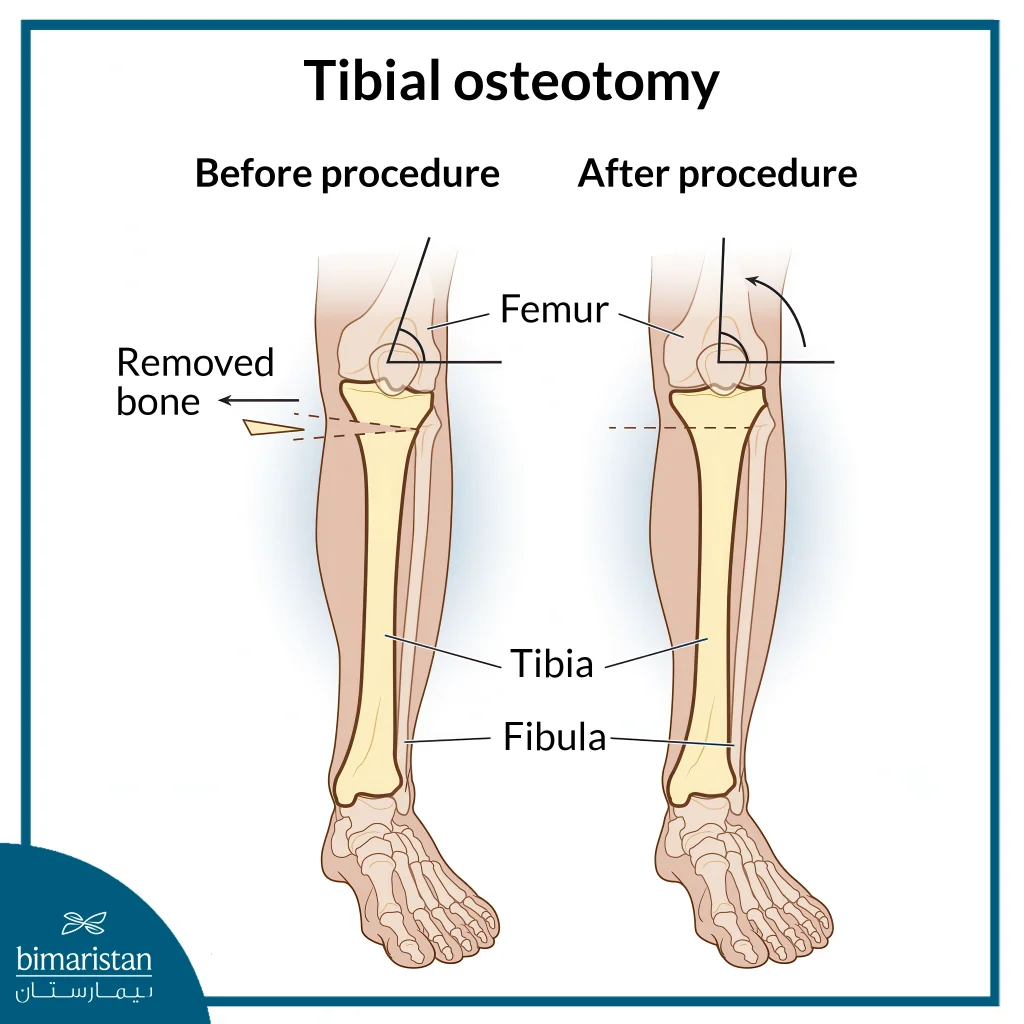
Tibial osteotomy is a surgical procedure designed to realign the knee joint and correct axis misalignment in patients with knee osteoarthritis affecting only one side of the knee. The goal is to redistribute weight by relieving pressure on the damaged part of the joint and shifting it toward the healthier side with intact cartilage. This is achieved by cutting and reshaping the tibial bone appropriately.
Unlike artificial knee joint replacement surgery, tibial osteotomy offers a joint-preserving option when knee damage is not severe. While knee replacement may be necessary in cases of irreparable joint deterioration, tibial osteotomy can realign the knee, in less severe cases, reducing strain on the affected area and potentially delaying or preventing the need for partial knee joint replacement or total replacement, allowing patients to retain their natural joint for as long as possible.
Which patients are adequate for tibial osteotomy?
Tibial osteotomy is performed for several reasons, with osteoarthritis in the inner part of the knee being the most common. This osteoarthritis may result from a previous partial removal of the inner meniscus, leading to increased pressure on one side of the knee. In such cases, tibial osteotomy is used to redistribute the load to the outer or central part of the knee, alleviating symptoms. Additionally, patients requiring an internal meniscus implant or articular cartilage repair on the inner side and who suffer from external curvature disease may experience failure in these procedures if knee alignment is not first corrected with a tibial osteotomy.
This surgical technique effectively restores normal knee alignment and, in cases of knee osteoarthritis, helps preserve the natural joint, reduces pain, and enhances quality of life. It is particularly recommended for younger patients under 50 and who are physically active, as joint replacement surgery poses a higher risk of loosening or premature failure for these patients, often necessitating repeated replacements over time.
Tibial osteotomy procedure steps
Before performing a tibial osteotomy, the doctor will assess the necessary correction using comprehensive imaging, such as X-rays and MRI scans. A preoperative anesthetic evaluation and medical history review ensure the patient is suitable for the procedure and help minimize complications. The anesthesiologist discusses anesthesia options, which include general anesthesia (full sedation) or lumbar anesthesia (where the patient remains awake but has numbness from the waist down).
Prior to surgery, the surgeon meets the patient and marks the affected knee to confirm the correct surgical site. The procedure typically lasts one to two hours, following these steps:
- Conducted in a sterile operating room under strict medical standards
- The patient is positioned on the table with a compression band around the thigh
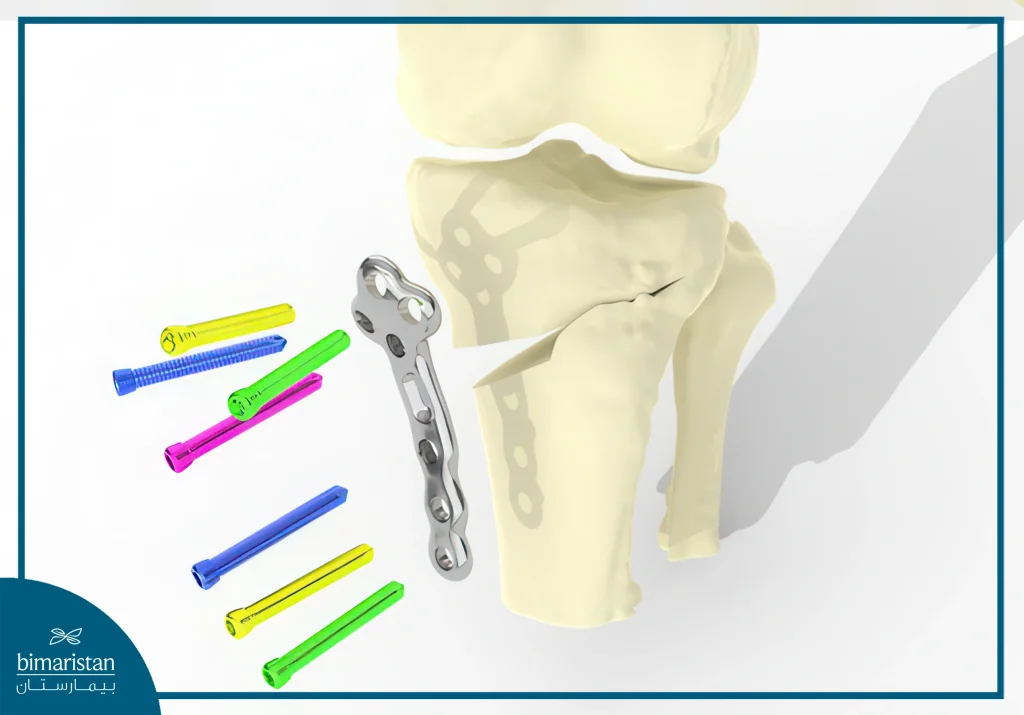
- A 10 cm incision is made in the upper tibia, where the bone is cut to correct alignment, and a wedge-shaped bone graft is inserted to maintain the adjustment
- The bone graft is sourced either from the patient’s pelvic rim (autologous) or from a donor during hip replacement surgery
- The tibia is fixed with a metal plate and screws after the graft is placed without the need for anti-rejection medications as in organ transplantation
Difference between open and closed tibial osteotomy
Tibial osteotomy surgery consists of two primary techniques, selected based on the patient’s specific needs. The most common approach is the closed osteotomy technique, in which the surgeon makes an incision at the front of the knee and removes a small bony wedge from the upper tibia. The bones are then brought closer together, and the remaining space is filled with a bone graft before securing the tibia with a plate and screws for stabilization during healing. This method effectively reduces pressure on the damaged part of the joint and redistributes weight to the healthier outer section of the knee.
The open osteotomy technique involves making an incision below the patella, followed by a wedge-shaped cut in the tibia. The resulting gap is filled with a bone graft, and plates and screws may be applied for structural support during recovery. This approach helps correct knee alignment and significantly alleviates pain, improving function and mobility.
Recovery and rehabilitation after tibial osteotomy surgery
After a tibial osteotomy, the patient typically remains in the hospital for 2–4 days. As with any surgery, pain is expected, but various pain relief options, including opioids, NSAIDs, and local anesthetics, are available. During the initial weeks, the patient may need crutches for mobility, and full recovery usually takes between 6 months to a year.
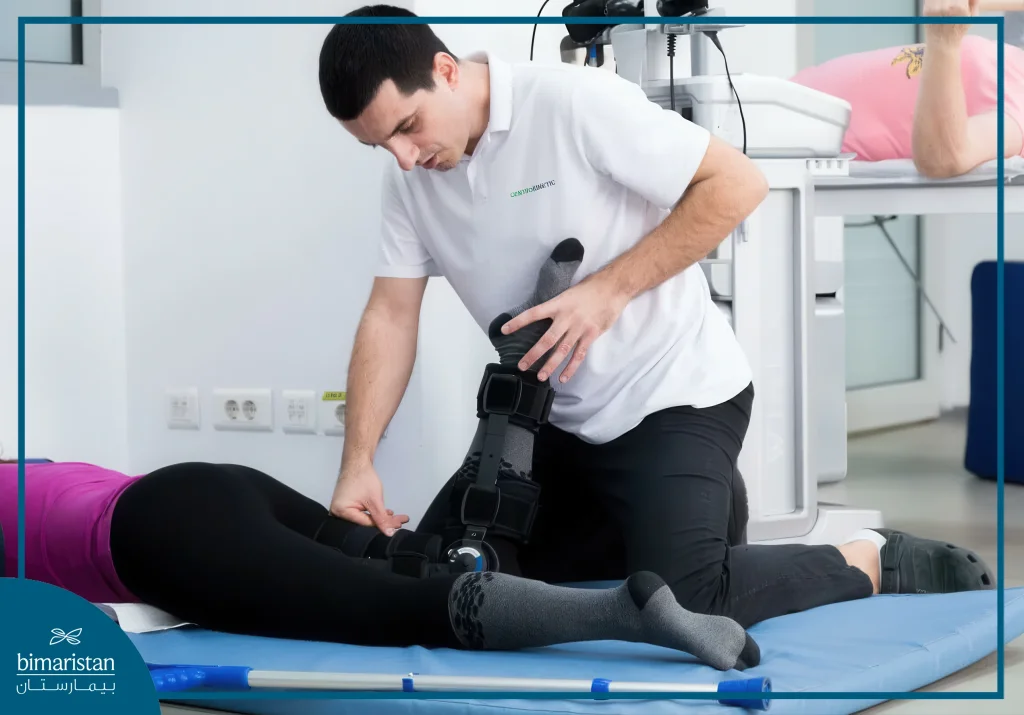
Around 6 weeks post-surgery, the patient will have a follow-up appointment with a specialist, including an X-ray to assess bone healing. Throughout rehabilitation, a physical therapist will guide the patient through exercises to maintain knee mobility and rebuild muscle strength.
Is it possible to exercise after tibial osteotomy surgery?
Early movement of the knee is essential after tibial osteotomy to prevent stiffness. The physiotherapist guides the patient through initial exercises, which are gradually adjusted based on physical ability and progress. These exercises are performed under close supervision to ensure proper rehabilitation. Unlike other surgical treatments for arthritis, tibial osteotomy requires full bone healing before more intense activities, such as weightlifting, can begin. Following the physiotherapist’s instructions throughout recovery is crucial for achieving optimal results.
The role of nutrition and supplements in accelerating bone healing after tibial osteotomy surgery
Proper nutrition and supplements play a vital role in accelerating and supporting bone healing after tibial osteotomy. Bones require specific nutrients to rebuild and recover, and a patient’s dietary intake directly impacts the speed and strength of healing.
- Protein: Supports the formation of new tissue, including bones, cartilage, and ligaments.
- Calcium: Essential for bone development, ensuring proper deposition at the site of the osteotomy.
- Vitamin D: Enhances calcium absorption, aiding bone repair.
- Vitamin C: Crucial for collagen production, a key protein in bone structure.
- Vitamin K2
- Zinc and Magnesium
Smoking, which reduces blood flow and delays bone healing, should be avoided, as well as alcohol, which negatively affects the bone-building process.
Benefits and risks of tibial osteotomy
Tibial osteotomy offers several advantages, including:
- Extending the lifespan of the knee joint and delaying or even avoiding artificial joint replacement
- Correcting knee misalignment or deformities
- Enhancing knee mobility and function
- Improving overall quality of life for patients
- Reducing pain associated with joint damage
Like any surgical procedure, tibial osteotomy carries potential risks and complications, such as:
- Persistent knee stiffness, swelling, or limited mobility
- Tibial fracture, delayed bone healing, or failure of the bone graft to integrate properly
- Pain from the implanted metal plate, which may require removal later
- Temporary numbness and swelling in the affected area
Although rare, additional complications may include:
- Infection, inflammation, or blood clot formation
- Nerve or blood vessel injury, a serious but uncommon occurrence
- Minor anesthesia-related effects such as nausea or vomiting
Long-term results of tibial osteotomy surgery
The long-term outcomes of tibial osteotomy are generally favorable, particularly for patients well-suited to the procedure:
- Pain relief: Most individuals experience a significant decrease in knee joint stiffness and discomfort following surgery.
- Enhanced joint function: Improved mobility allows patients to perform daily activities more comfortably, positively impacting their quality of life.
- Postponement or avoidance of knee replacement: Tibial osteotomy can delay the need for knee replacement for 5–10 years or longer, and in some cases, eliminate the need for it entirely.
- Resumption of physical activity: Many patients successfully return to moderate activities such as walking, cycling, and certain low-impact sports.
The success of tibial osteotomy depends on multiple factors, including the severity of joint damage before surgery, the patient’s age and physical activity level, as well as adherence to rehabilitation and physiotherapy.
Tibial osteotomy surgery: Cost differences between Turkey and Europe
Turkey stands out as a top destination for medical tourism, offering high-quality healthcare at more affordable rates compared to other European countries. However, the cost of tibial osteotomy surgery varies based on several factors, including the surgeon’s expertise, the hospital’s quality, and the level of care provided before and after the procedure. In Turkey, the cost of tibial osteotomy typically ranges between 4,000 and 5,500 US dollars, whereas in most European countries, the price falls between 10,000 and 20,000 US dollars, depending on the country and hospital.
In conclusion, tibial osteotomy is an effective surgical solution for individuals with early to mid-stage knee osteoarthritis. While some risks and complications exist, long-term outcomes demonstrate high success rates, particularly in patients who commit to a structured rehabilitation program.
Sources: