
Shoulder joint replacement surgery is considered one of the most advanced solutions in orthopedics and is used to treat severe joint damage caused by advanced osteoarthritis, injuries, tendon tears, or chronic inflammatory conditions. This damage often leads to persistent pain and significant difficulty moving, which directly affects the patient’s ability to perform basic daily activities such as raising their arm, getting dressed, or sleeping comfortably. With recent medical advancements, joint replacement surgeries have become safer and more effective, with various types of artificial shoulder joints available to suit different medical conditions.
With the variety of surgical options and modern materials available, selecting the type of artificial joint has become a precise process that depends on a comprehensive assessment of the patient’s condition, including the extent of damage, the condition of the muscles and tendons, age, and level of daily activity. Therefore, understanding the types of shoulder prostheses, the selection process, and their risks and benefits is an essential step that helps both the patient and the physician achieve the best possible long-term treatment outcome.
What is an artificial shoulder joint?
An artificial shoulder joint is a medical device that is surgically implanted to replace a damaged natural joint; it typically consists of metal and medical-grade plastic components that work together to provide smooth movement and reduce pain. This joint is used when conservative treatment fails to improve the condition or when there is severe damage to the joint that significantly affects its function.
When is shoulder joint replacement performed?
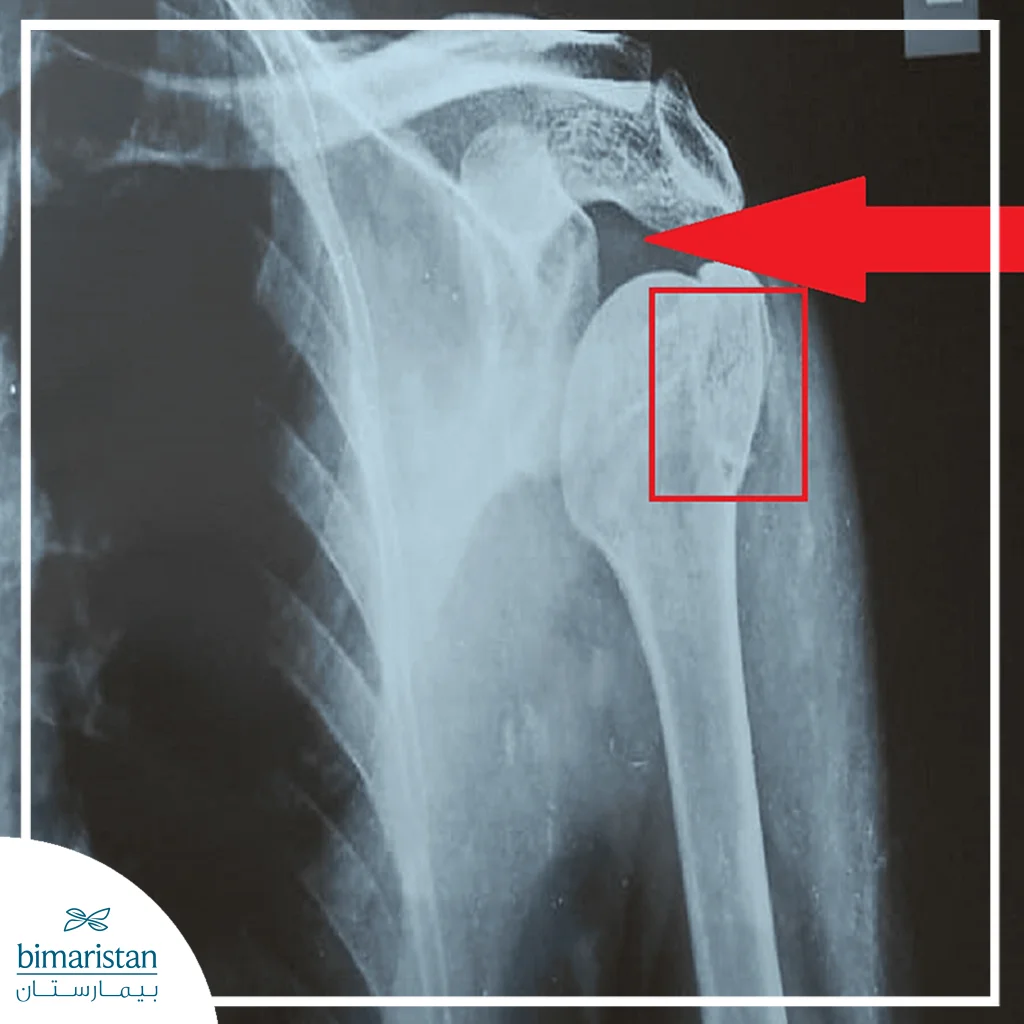
Shoulder joint replacement is performed in the following cases:
- Severe, persistent pain that does not respond to medication
- Significant difficulty moving the arm and performing daily activities
- Severe wear and tear in the shoulder joint or advanced stiffness
- A major tear in the shoulder tendons affects motor function
- Complex fractures that cannot be treated using conventional methods
- Chronic inflammatory diseases that lead to joint degeneration
How do you choose the right type of shoulder joint?
The appropriate type of shoulder joint replacement is selected based on a thorough medical evaluation that assesses the condition of the joint and the extent of damage, taking into account:
- The patient’s age and general health
- The extent of joint wear or the type of injury
- Condition of the tendons and surrounding muscles
- The patient’s daily activity level
- Expected career goal after the procedure
- The surgeon’s recommendation based on the test results
Types of Artificial Shoulder Joints
The types of artificial shoulder joints differ primarily based on the extent of joint replacement, design, and therapeutic goal, as each type is used for a specific group of patients, depending on their health condition and the degree of joint damage. This variety helps provide precise solutions aimed at improving mobility and reducing pain as effectively as possible, including:
In terms of the extent of substitution
The Shoulder Joint
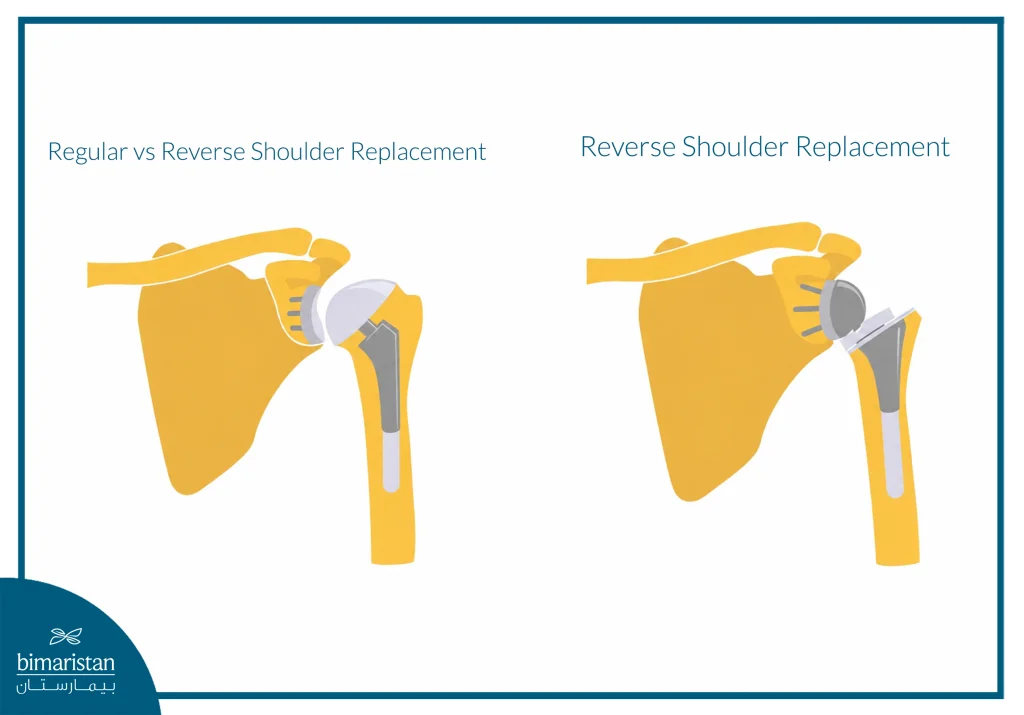
Total shoulder arthroplasty is one of the most commonly used procedures in cases of advanced damage, in which the head of the humerus and the entire joint cavity are replaced. This procedure is performed when severe wear affects both joint surfaces, leading to chronic pain and a significant loss of range of motion. It is characterized by its ability to significantly reduce pain and improve joint function, particularly once postoperative rehabilitation is complete.
Partial Shoulder Dislocation
In this type of procedure, only the head of the humerus is replaced, while the natural joint cavity remains unchanged. It is often used in cases where damage is limited or in fractures that affect only the head of the bone. It is considered less invasive than total joint replacement and helps preserve as much of the joint’s natural structure as possible.
In terms of joint design
Anatomical joint
The anatomical joint is designed to mimic the natural shape of the shoulder in both structure and movement, and is used when the shoulder tendons are relatively intact and capable of performing their function. This type of joint helps restore near-normal movement, with gradual improvement in strength and flexibility after surgery through rehabilitation.
The ankle joint
The reverse shoulder arthroplasty is used in complex cases involving severe damage to the shoulder tendons; it works by altering the joint’s mechanical design so it functions differently to compensate for muscle and tendon weakness. This type of joint is effective in improving the patient’s ability to raise their arm, even in advanced cases, and provides better joint stability.
In terms of the installation method
Cement joint
The joint is fixed using medical bone cement, which provides immediate stability; this method is typically preferred for patients with low bone density or the elderly. This method helps achieve good joint stability in the early stages after surgery, making it suitable for certain cases that require strong, rapid stabilization.
Non-cementitious joint
It relies on the gradual fusion of natural bone with the artificial joint surface and is often used in younger patients with strong bones. Over time, the bones grow around the joint and fuse with it, providing long-term stability and greater ability to withstand physical activity.
In terms of the materials used in manufacturing
Metal joints
They are made from highly durable metal alloys such as titanium or cobalt-chromium and are characterized by their ability to withstand stress and movement over long periods. They also offer good corrosion resistance, making them among the most commonly used materials in modern artificial joint components.
Polyethylene joints
It contains high-quality medical-grade plastic components that help reduce friction and improve joint mobility. This material is characterized by its ability to provide smoother movement while reducing wear and tear from continuous joint use.
Multi-material joints
It combines metal with polyethylene or other advanced materials to achieve a better balance between durability, reduced wear, and a longer joint lifespan. This type is widely used in modern joints for its ability to combine the advantages of multiple materials in a single design.
Risks and Complications of Shoulder Joint Replacement Surgery
This surgery is relatively safe, but it may involve some potential risks:
- Infection at the surgical site
- Stiffness or limited joint movement
- Risk of joint dislocation after surgery
- Wear and tear or loosening of joint components over time
- Peripheral nerve damage is rare
How much does a shoulder joint replacement cost in Turkey in 2026?
The cost of shoulder joint replacement surgery in Turkey ranges from approximately $5,000 to $12,000, and may vary depending on the specifics of the case and the type of procedure required. Therefore, it is recommended to obtain a detailed medical evaluation to determine the appropriate cost based on each patient’s specific needs.
Benefits of Shoulder Joint Replacement in Turkey
Turkey is recognized as a leading medical destination for orthopedic surgery thanks to:
- Modern and Advanced Surgical Techniques
- High-quality, certified artificial joints
- Extensive experience among orthopedic surgeons
- Lower costs compared to European countries
- Comprehensive Rehabilitation and Physical Therapy Programs
- Close medical follow-up after surgery
Shoulder joint replacement surgery is an effective solution that significantly improves the quality of life for patients with advanced joint damage by reducing pain and restoring a substantial portion of the shoulder’s range of motion. With advancements in prosthetic joint designs, outcomes have become more precise and stable compared to the past.
The success of this procedure depends on selecting the appropriate type of joint implant based on the patient’s condition, as well as the surgeon’s expertise and the post-operative rehabilitation program, which ensures a gradual improvement in mobility and a better ability to perform daily activities.
Sources: