
Conservative osteonecrosis treatment is usually not curative; it aims to improve joint function, relieve pain, and prevent further bone damage. Surgical osteonecrosis treatment remains the optimal solution for this condition.
Non-surgical treatment is effective when the condition is detected early, as it slows its progression; however, most cases are detected late, necessitating surgical treatment for osteonecrosis.
The danger of osteonecrosis lies in the potential for numerous complications, including loss of bone and joint function and permanent loss of mobility; therefore, it is essential to take immediate action upon diagnosis and promptly select the most appropriate treatment.
An Overview of Osteonecrosis Treatment
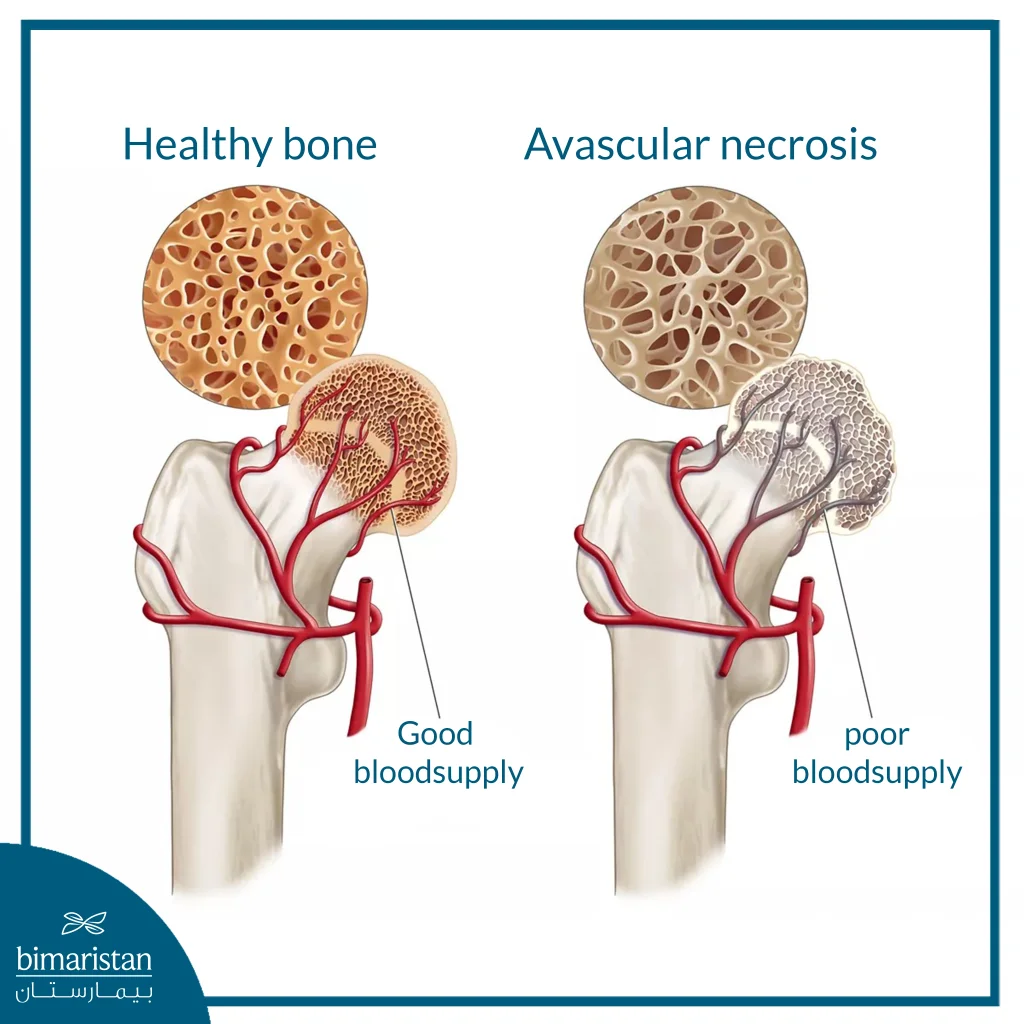
Avascular necrosis (AVN), also known as osteonecrosis or avascular necrosis, is the death of bone cells and tissue due to a temporary or permanent interruption in the blood supply to the bone (blood flow to the bone), leading to the deterioration and breakdown of bone tissue and, consequently, pain and limited mobility.
Histologically, osteonecrosis leads to the death of bone cells, causing them to become fibrotic (turn white) and enlarging the lacunae (spaces) where bone cells are located. Osteonecrosis can affect any bone in the body, but it is most common in the femur (the ends of long bones) and the shoulder; it may affect a single bone or multiple bones simultaneously.
Fatty deposits (small pieces of fat that block blood vessels) are among the leading causes of osteonecrosis, in addition to fractures such as femoral neck fractures, leg fractures, and scaphoid fractures; damage to blood vessels; prolonged use of certain medications (such as corticosteroids); and excessive and chronic alcohol consumption.
Symptoms and Diagnosis of Osteonecrosis
One of the most significant symptoms of osteonecrosis is pain that occurs even at rest, along with limited mobility and a limp when the leg bones are affected.
Osteonecrosis can be diagnosed based on the patient’s history and clinical examination, as well as imaging studies such as plain radiography, magnetic resonance imaging (MRI), computed tomography (CT), and bone scintigraphy.
The goal of treating osteonecrosis is to preserve joint function. Osteonecrosis is often diagnosed late because most patients do not experience symptoms until the condition has reached an advanced stage.
The treatment of osteonecrosis varies depending on several factors, including the location of the affected bone, the extent of necrosis, and the patient’s age. Osteonecrosis is classified into five stages based on its progression:
- The necrosis is asymptomatic and shows no radiographic changes, though an MRI may reveal edema.
- The first stage, in addition to the appearance of radiographic changes such as osteoporosis and subchondral cysts.
- At this stage, the articular surface is compressed, penetrating the annulus without causing significant deformation, resulting in narrowing of the joint space; a crescent-shaped sign is visible on plain radiographs.
- It is characterized by extensive bone collapse beneath the cartilage, and secondary arthritis may develop.
- At this stage, both articular surfaces are affected, leading to joint dysfunction.
In addition, the underlying cause of the bone necrosis must be addressed, such as treating fractures and discontinuing corticosteroid use.
Non-surgical treatment of osteonecrosis
The importance of non-surgical treatment for osteonecrosis lies in managing its symptoms; however, it generally does not cure the condition, but rather slows its progression. Conservative treatment options include the following:
- Rest and anti-inflammatory medications: Anti-inflammatory medications, such as nonsteroidal anti-inflammatory drugs (NSAIDs), can be used to relieve pain and swelling.
- Taking blood thinners: Blood thinners may be prescribed if the cause of osteonecrosis is blood clots that block blood vessels.
- Physical Therapy: Physical therapy helps relieve joint pain and stiffness and increase joint range of motion.
- Use of crutches: Crutches are used if weight-bearing bones are affected, to provide support and help relieve pain while walking.
- Corticosteroid injections: These can reduce pain and swelling; doctors typically prescribe the lowest possible dose to achieve the desired effect.
Surgical Treatment of Osteonecrosis
Most patients with osteonecrosis eventually require surgery due to the progression of the disease; furthermore, osteonecrosis is often diagnosed at a late stage. Therefore, surgical treatment is essential and is an effective approach to managing osteonecrosis.
The surgical procedures include decompression surgery, bone grafting, bone reshaping (osteotomy), joint replacement, and vascularized bone grafting.
Core decompression surgery
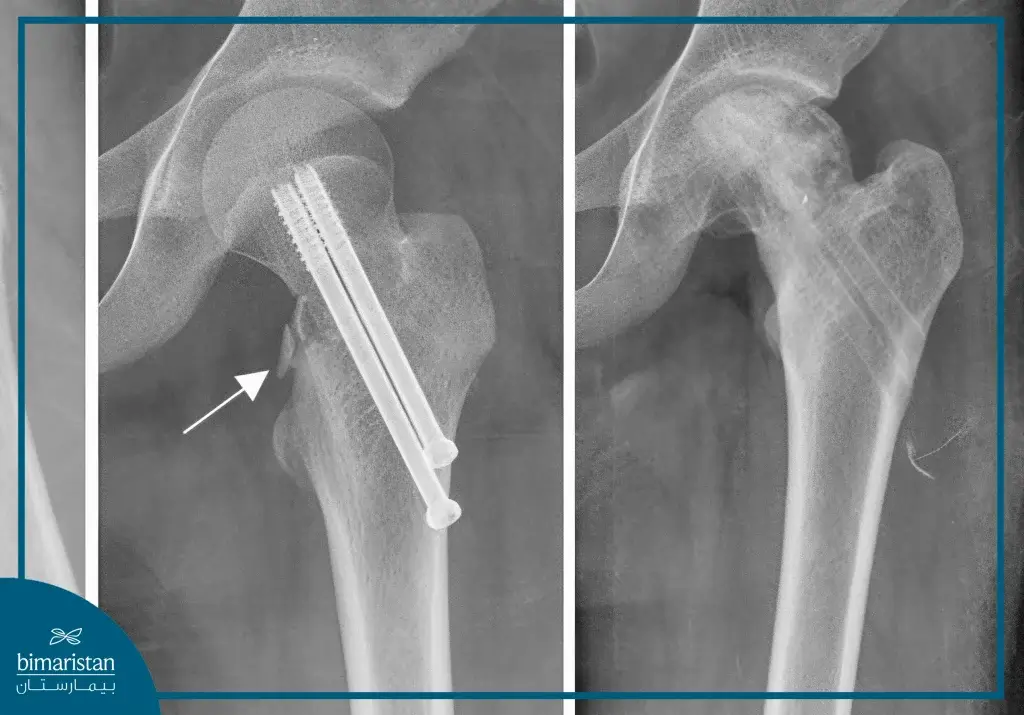
This is the most common procedure for treating osteonecrosis, in which the surgeon drills a large hole or several small holes in the bone and removes part of the inner layer of the bone, thereby reducing pressure inside the bone and helping to open channels for the growth of new blood vessels and healthy bone tissue, in addition to relieving the pain.
This procedure typically yields the best results when necrosis is diagnosed early; it can also be combined with bone grafting to enhance healing.
Bone graft surgery
This procedure can be performed in advanced cases, where healthy bone (a graft) is taken from another part of the patient’s own body or from another person and placed in the area of bone loss, thereby strengthening that area.
Osteotomy (bone cutting)
In this procedure, the bone wedge above or below the weight-bearing joint is removed in order to relieve pressure on the necrotic bone.
Bone resection may be performed when the areas of bone necrosis are small.
Use of a tantalum rod for insertion
In cases diagnosed early, a tantalum rod can be used to stabilize the necrotic femoral head, thereby increasing hip joint stability and preserving function, thereby avoiding the need for hip replacement surgery.
Read more about robotic hip replacement and 3D hip replacement.
Hip Replacement Surgery
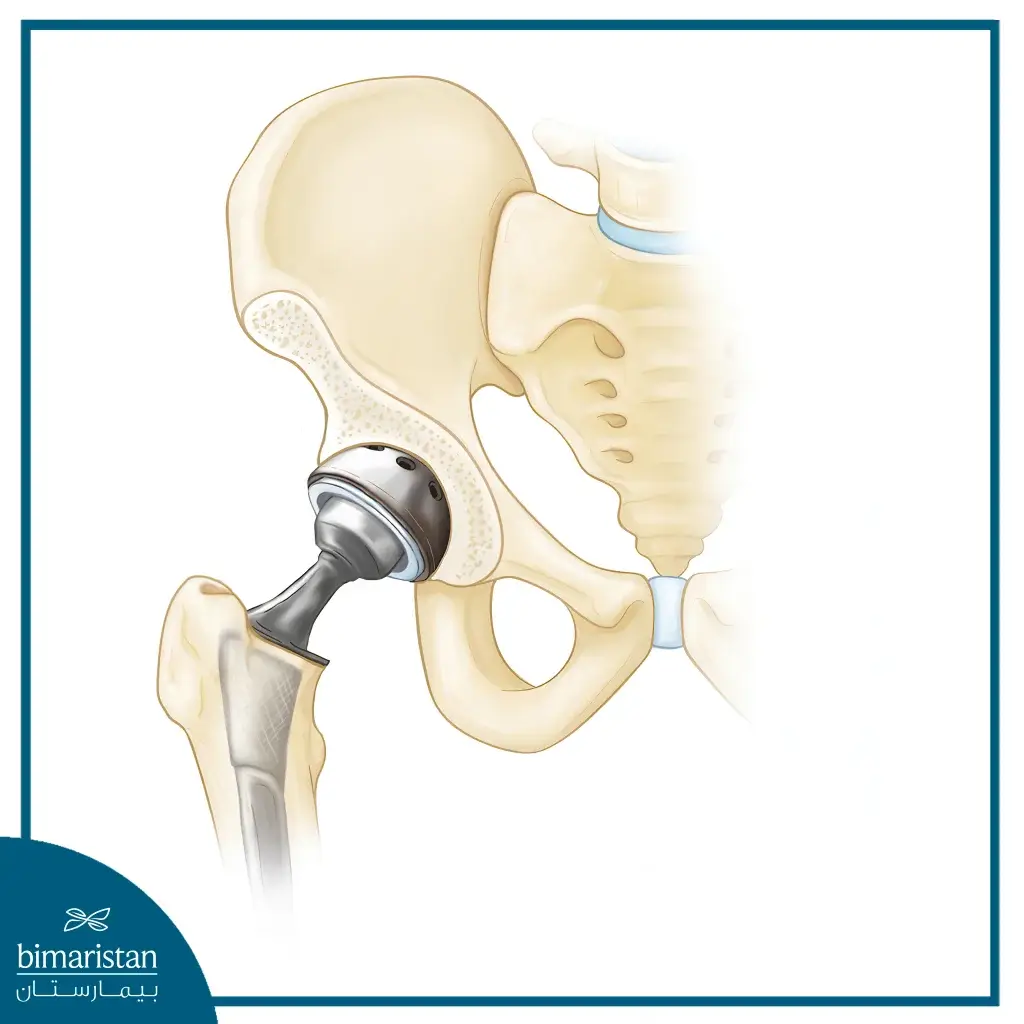
Hip replacement surgery may be performed if the affected bone has deteriorated or if other treatments have failed; in this procedure, the damaged bone and cartilage in the joint are replaced with plastic or metal components.
This procedure helps increase the joint’s range of motion and relieve pain.
Vascularized bone graft
Doctors use this procedure to reconstruct damaged hip joints: the surgeon removes bone from the hip with poor blood supply and replaces it with bone rich in blood vessels taken from another site, such as the fibula (one of the bones of the lower leg).
Adjuvant therapies for osteonecrosis
In addition to conservative and surgical treatment options, several adjunctive therapies are being explored for their potential to improve outcomes in osteonecrosis (avascular necrosis), including:
- Bisphosphonates: These are medications commonly used to treat osteoporosis; they may slow the progression of bone resorption by inhibiting it and reducing the risk of femoral neck fractures. They are sometimes used in the early stages, although study results vary.
- Hyperbaric Oxygen Therapy (HBOT): This treatment involves administering 100% oxygen under high pressure, thereby improving oxygenation of the affected bone and promoting the regeneration of healthy bone tissue. It is considered a promising non-surgical treatment, particularly in the early stages of the disease.
- Stem Cell Therapy: Mesenchymal stem cells extracted from bone marrow can be used alongside decompression surgery to regenerate necrotic bone tissue and restore joint integrity.
- Extracorporeal Shock Wave Therapy (ESWT): This treatment may stimulate the formation of new blood vessels, promote bone healing, relieve pain, and may be effective in treating osteonecrosis. This treatment is still under investigation but has shown promising results in early-stage cases.
Rehabilitation Following Treatment for Osteonecrosis
Rehabilitation is considered an essential part of achieving the best possible outcomes following conservative or surgical treatment for osteonecrosis:
- Post-Surgery Rehabilitation: Physical therapy is essential following procedures such as decompression or joint replacement, as early movement under professional supervision helps improve blood circulation, prevent stiffness, and promote functional recovery.
- Gradual weight-bearing: Patients are advised not to bear full weight during the initial post-surgical phase, particularly after decompression or osteotomy procedures performed to treat osteonecrosis, and to gradually transition to partial, then full, weight-bearing as the bone heals.
- Strength and flexibility exercises: These are designed to strengthen the muscles surrounding the affected joint, improve range of motion, and restore joint function.
- Walking training and use of assistive devices: Crutches or walkers are used to reduce stress on the joint and maintain balance during the recovery period.
- Patient education: Educating patients about lifestyle changes—such as maintaining a healthy weight and quitting smoking—helps preserve joint health in the long term and reduces the likelihood of a relapse.
The rehabilitation plan should be tailored to the disease stage, the type of surgical procedure, and the patient’s overall health.
Prevention of Osteonecrosis
You can reduce your risk of bone necrosis by following these tips:
- Controlling blood cholesterol levels: High blood cholesterol levels lead to the formation of fatty deposits (small pieces of fat) that block the blood vessels supplying the bone; these fatty deposits are the most common cause of bone necrosis.
- Use corticosteroids with caution: Your doctor should monitor you closely while you are taking corticosteroids, and you should inform your doctor of any previous use of corticosteroids.
- Quitting smoking: Smoking is a major risk factor for bone loss.
- Avoid drinking alcohol: Chronic excessive alcohol consumption leads to bone necrosis.
Treatment for osteonecrosis varies depending on several factors, such as the location and stage of the condition and the patient’s age. While non-surgical treatment can slow the progression of osteonecrosis, surgical treatment remains the preferred option for most patients because the condition is often diagnosed at a late stage (advanced stage).
Some of the sources I used to write this article: