
Neck tendonitis is an inflammatory condition that affects the tendons passing through the neck area, resulting in significant irritation of these tendons. It is often accompanied by pain that may radiate to the shoulders and sometimes to the upper back. Tendons are strong, fibrous structures that connect muscles to bones, and their inflammation typically results from repetitive strain or improper movements involving the neck and upper back. One of the primary symptoms is intense pain and restricted mobility in the neck area, which can significantly impair a person’s ability to perform daily activities.
Neck tendonitis is common among individuals who are exposed to repetitive stress or poor posture, such as those who spend prolonged periods sitting in front of a computer or sleeping in awkward positions. Mental and physical stress may also aggravate the symptoms. If tendonitis persists over time without treatment, it can lead to serious complications, such as tendon rupture, which may require urgent medical intervention to prevent further damage.
Rest and proper medical care are crucial for alleviating pain and expediting recovery. Early recognition of symptoms is crucial, as delayed treatment may lead to long-term effects that negatively impact the patient’s quality of life.
The anatomical characteristics and changes associated with neck tendonitis
Tendons are flexible, fibrous tissues that connect muscles to bones, transmitting mechanical force from muscle contraction to the skeleton to enable efficient movement. These tendons are surrounded by sheaths that help them glide smoothly and reduce friction during movement.
Neck tendons are divided into two main groups:
- Anterior neck tendons: Including the sternocleidomastoid tendon, as well as tendons of the platysma, sternohyoid, and omohyoid muscles.
- Posterior neck tendons: Including tendons of the occipital, trapezius, semispinalis capitis, and splenius capitis muscles.
Neck tendonitis is defined as irritation or inflammation of the cervical tendons or their surrounding sheaths, typically due to overuse or improper mechanics. At the same time, repetitive strain is a common cause, and poor neck posture, whether during work or daily activities, remains a primary contributor.
The likelihood of developing tendonitis increases with age due to reduced tendon elasticity and resilience, making them more prone to strain-related injuries.
Symptoms of neck tendonitis
Neck tendonitis presents with several painful symptoms that can disrupt daily activities, including:
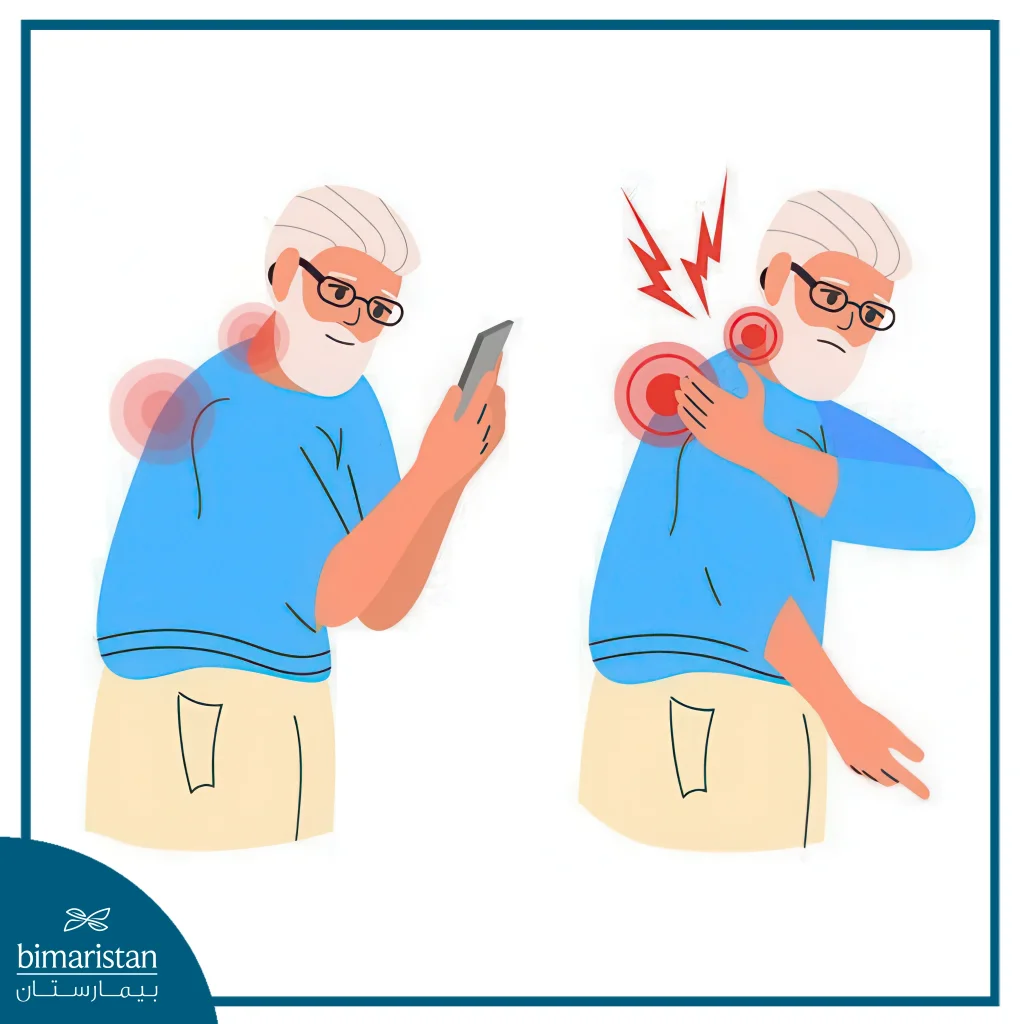
- Pain in the neck tendons: Pain is one of the primary symptoms of neck tendonitis, where the patient experiences either sharp or chronic pain along the course of the tendon, particularly when moving the neck. The pain may be sudden or persistent and can also radiate to the shoulder.
- Neck stiffness: Neck tendon sheath inflammation leads to swelling of the surrounding tissues, resulting in a narrowing of the space through which the tendon moves. This narrowing restricts regular neck movements and limits the range of motion.
- A headache resulting from tension in the surrounding neck muscles.
- Crepitus or grinding sound when moving the neck: A friction or grinding sound may be heard, caused by the interaction between the inflamed tendons and neck muscles during movement. This is a common sign of tendon inflammation.
- Swelling and redness in the neck area: This occurs as part of the inflammatory response of the tendons or their surrounding sheaths.
- Tenderness when touching the neck: The skin and surrounding tissues become sensitive to touch.
Causes of neck tendonitis
The causes of neck tendonitis are varied and can be attributed to a range of factors, from daily lifestyle habits to chronic diseases. The most prominent causes include:
- Poor neck posture: Improper neck positioning is one of the most common causes of neck tendonitis. Prolonged forward bending of the head places strain on the tendons, leading to inflammation.
- Repetitive neck strain: Continuous repetition of improper movements, such as prolonged sitting in front of a computer or driving for extended periods, can subject the neck to repetitive strain, thereby increasing the risk of tendon inflammation.
- Incorrect sleeping posture: Sleeping position significantly affects neck health. Certain improper sleeping positions, such as sleeping on the stomach, force the head to remain rotated for long periods to facilitate breathing, leading to muscle and tendon strain and subsequent inflammation.
- Whiplash injury: This refers to injury resulting from a sudden, forceful back-and-forth motion of the neck, involving hyperextension (backward) followed by hyperflexion (forward). Whiplash can damage the cervical spine, including the vertebrae, tendons, and nerves.
- Chronic diseases: Certain conditions, such as rheumatic fever, gout, and diseases affecting the blood or kidneys, contribute to the weakening of tendons, joints, and ligaments, thereby increasing the risk of neck tendon inflammation.
- Trauma: Accidents and direct blows to the neck can cause tendon injuries, leading to inflammation and pain in the affected area.
Moreover, neck pain may also result from other causes such as aging, physical strain, psychological stress, and tumors.
Diagnosis of neck tendonitis
In most cases, a clinical examination is sufficient to diagnose neck tendonitis accurately. The physician begins by reviewing the patient’s medical history to determine if there have been previous injuries such as whiplash or herniated discs. The physician also inquires about occupational or daily activities that might contribute to neck strain to form a clear picture of potential causes of pain. This is followed by a physical examination, which includes assessing head and neck alignment, evaluating the range of motion when moving the neck, and palpating the surrounding muscles and tendons to check for signs of strain or swelling.
In many cases, this clinical exam is sufficient for proper diagnosis; however, in situations requiring high precision, the physician may request additional imaging tests. At the forefront is the X-ray, which is effective in detecting bone-related causes of pain, such as fractures. If there are concerns about nerve or spinal cord injuries, the physician may recommend an MRI, a precise tool that allows for the examination of changes in soft tissues, nerves, and the spine. If an MRI is not possible, a CT scan may be used to provide a detailed view of bone spurs or signs of bone erosion.
In exceptional cases, the doctor may resort to additional tests to support the diagnosis, such as electrodiagnostic tests that assess nerve function and muscle response. Laboratory tests may also be required to rule out other causes of pain, such as infections, rheumatic diseases, or tumors. These include a complete blood count (CBC), urine analysis, and measurement of inflammation markers in the body.
Through this integrated approach, which combines clinical examination, imaging, and laboratory tests, the doctor can reach an accurate diagnosis and provide the most appropriate treatment to ensure a quick and effective recovery for the patient.
Treatment of neck tendonitis
The treatment of neck tendonitis is quite similar to that of tendonitis in other parts of the body, such as the shoulder tendonitis or knee tendonitis. The most critical step in managing this condition is to avoid factors that may aggravate it. In most cases, simple rest is sufficient, but in more severe cases, additional therapeutic methods may be necessary, including surgery.
Home treatment for neck tendonitis
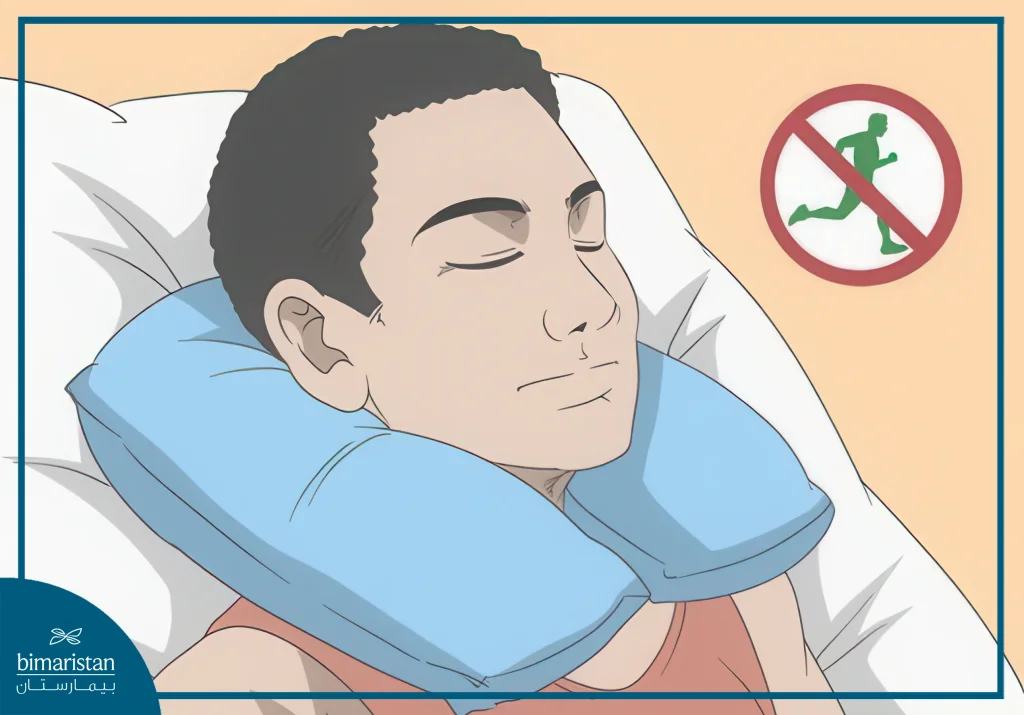
Treatment usually begins at home with complete rest and the application of ice packs to the neck area to reduce swelling and inflammation. It is also recommended to take non-steroidal anti-inflammatory drugs (NSAIDs) to alleviate pain and inflammation. In many cases, home treatment is sufficient, and the patient begins to feel better within a few days. However, one should not rush to judge the effectiveness of home treatment, as full recovery may take several weeks or even months.
Physical therapy for neck tendons
Physical therapy is usually the first-line treatment in managing cervical tendonitis. Physical therapy exercises help strengthen tendons and muscles. The primary focus is on pain relief, followed by the restoration of normal neck movement. It includes several techniques such as manual therapy, laser therapy, electrical stimulation of tendons, and the use of moist heat or ice to reduce inflammation. The importance of physical therapy is particularly evident in chronic cases, as it serves as the foundation for a complete recovery.
Dry needling therapy for neck tendonitis
This method involves inserting dry needles into the affected tendon to stimulate it to contract, which helps reduce neck pain and improve range of motion.
Ultrasound therapy
In this approach, a small incision is made to access the damaged tendon, then ultrasound waves are used to remove scarring that may have developed due to ongoing inflammation.
Surgical treatment
In cases where other treatments fail, surgical intervention may be necessary, particularly in instances of tendon rupture or detachment from the bone. In the event of a rupture, the doctor sutures the torn ends of the tendon. If the tendon has detached from the bone, it is reattached using advanced surgical techniques. A period of complete rest follows the surgery, lasting several weeks to ensure full tendon recovery, followed by physical therapy to restore gradual neck movement.
Complications of neck tendonitis
If neck tendonitis is left untreated, several serious complications may arise. The most prominent of these include:
- Tendon rupture: Chronic inflammation may lead to tendon rupture, resulting in severe pain, swelling, and difficulty with neck movement. A popping sound may be heard or felt when the rupture occurs, and the patient may lose the ability to move the neck normally, which can lead to permanent functional changes in the muscles.
- Tendon contracture: In some cases, long-term inflammation may cause the tendons or their sheaths to stiffen, limiting neck movement and affecting their flexibility.
- Tendon scarring: Ongoing inflammation may lead to the formation of scars in the tendons, impairing their function and causing them to adhere to surrounding anatomical structures.
Prevention of neck tendonitis
The likelihood of developing neck tendonitis can be reduced by following some simple preventive measures. Among the most important:
- Posture correction: Correct posture while sitting, standing, and walking is one of the most effective preventive measures. Proper posture reduces pressure on tendons and alleviates strain on the neck and spine.
- Taking regular breaks: It is recommended to take short breaks every 15 to 30 minutes when working at a desk or sitting in front of a computer for extended periods to reduce continuous pressure on the tendons.
- Adjusting screen position: The computer screen should be positioned straight ahead and at eye level to avoid prolonged head and neck bending. This habit helps reduce tendon strain, thereby lowering the risk of inflammation.
In conclusion, neck tendonitis is a common condition that can result from prolonged poor neck posture, leading to tendon strain and an increased risk of inflammation. Ignoring the treatment of this condition can cause serious complications such as tendon rupture and restricted neck movement, negatively affecting a person’s quality of life. Therefore, it is essential to recognize symptoms early and address their causes to ensure a proper diagnosis and effective treatment, thereby avoiding painful complications.
This is where the role of the Turkish hospital, Bimaristan, comes in, offering excellent healthcare services for the treatment of such cases. Thanks to the expertise of its specialized physicians in tendon and spinal disorders, along with the availability of the latest medical equipment, patients can receive accurate diagnoses and effective treatments that ensure a speedy recovery and a return to their everyday lives. Bimaristan Hospital demonstrates a strong commitment to quality and integrated healthcare, making it an ideal choice for individuals seeking the best treatment for these medical conditions.
References:
- Neck Pain. Physical Therapy Department Staff, University Health Services
- Neck Strain. The Sports Medicine Patient Advisor
- Neck pain. NHS Foundation Trust
- Management of Neck Pain (with or without arm pain). Tyneside Integrated Musculoskeletal Service
- Neck Pain. Healthshare Information for Guided Patient Management