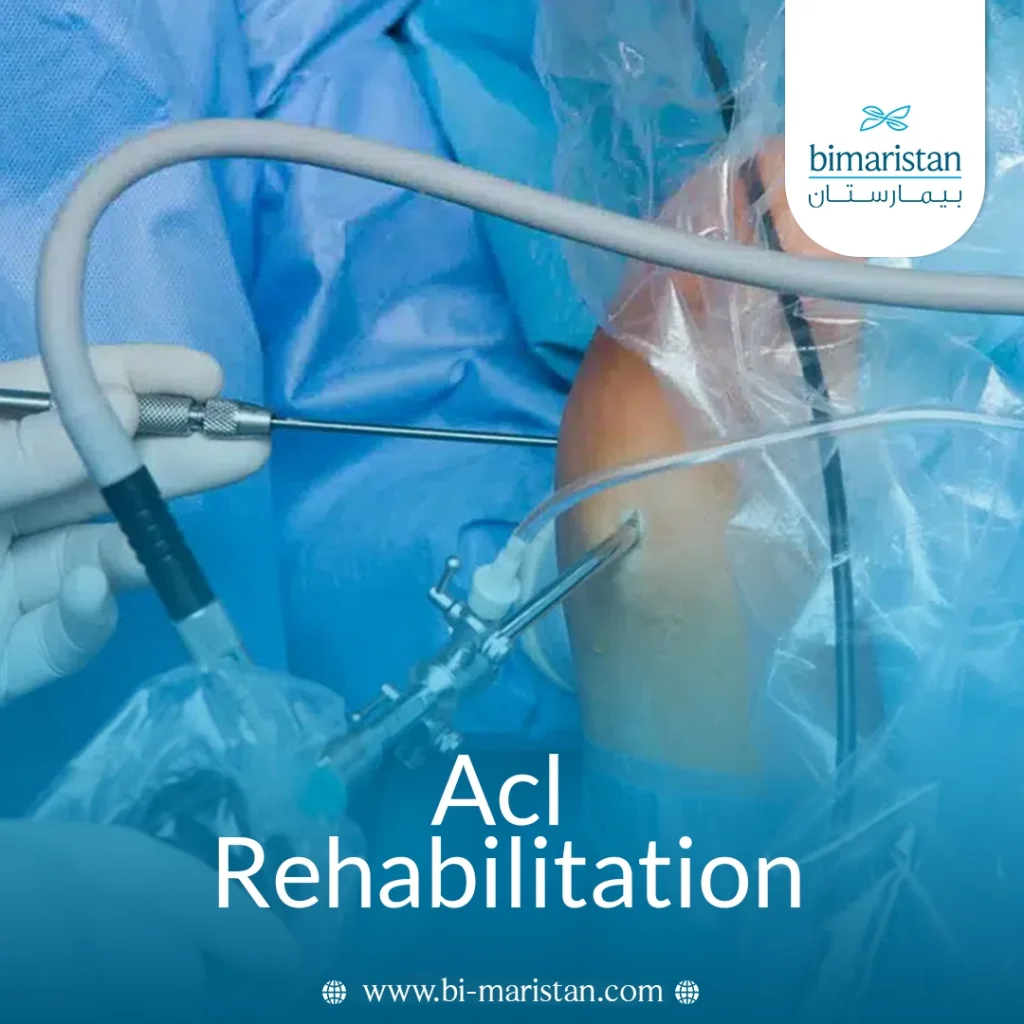
ACL injury is one of the most common injuries affecting the knee joint, especially among athletes who participate in sports that require rapid changes in direction, jumping, and sudden stopping. The anterior cruciate ligament (ACL) plays a critical role in stabilizing the knee and preventing the tibia from sliding forward. Therefore, any tear in this ligament significantly affects joint stability and a person’s ability to move normally. After ACL repair or reconstruction surgery, rehabilitation is vital to ensure surgical success and full recovery of knee function.
The ACL rehabilitation program after surgery is based on progressive stages: controlling pain and swelling, restoring range of motion, strengthening the muscles surrounding the knee, and finally dynamic training to return to sports or daily activities. This rehabilitation includes a set of physical and functional exercises to improve stability, balance, and endurance, along with close medical monitoring to prevent complications. Adherence to the rehabilitation program helps patients regain excellent knee performance and enhances joint stability in a safe and effective manner. Consistent ACL rehabilitation is essential for achieving optimal long-term outcomes.
What is the anterior cruciate ligament?
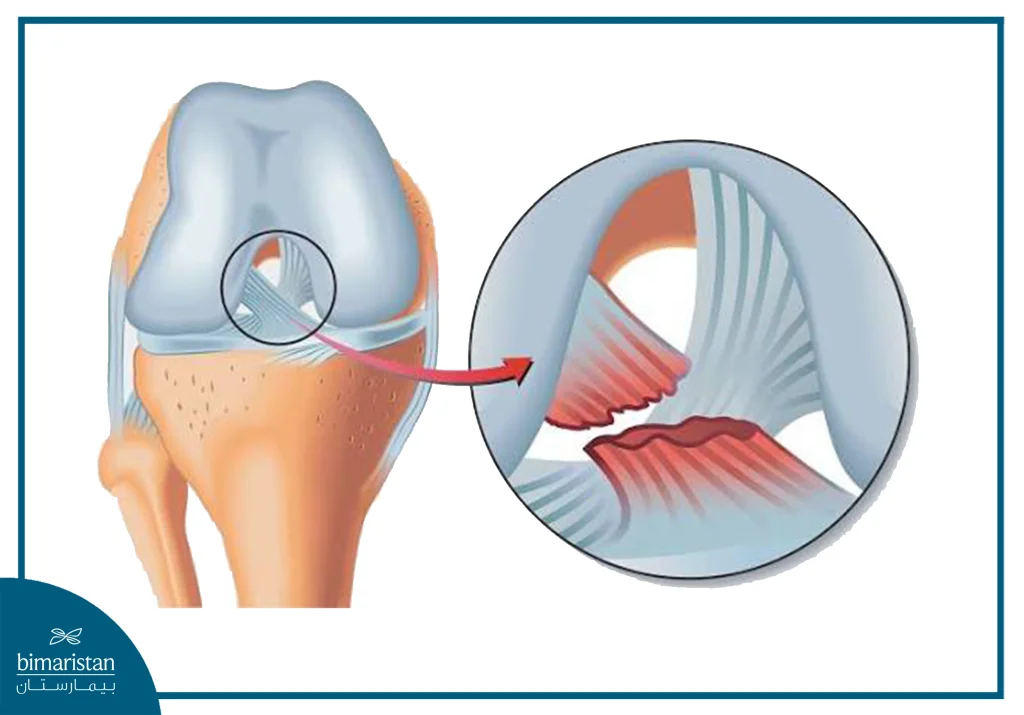
The anterior cruciate ligament (ACL) is one of the key ligaments inside the knee joint. It connects the femur to the tibia and helps stabilize the knee by preventing forward translation of the tibia and abnormal rotational movement. This ligament plays a fundamental role in maintaining knee stability during walking, running, jumping, and sudden changes in direction.
A tear in this ligament leads to loss of joint stability and difficulty performing daily or athletic activities, often accompanied by pain, swelling, and a feeling of weakness in the knee. Injuries typically occur due to knee twisting during sports, sudden movements, or direct trauma. Therefore, early diagnosis and ACL rehabilitation after surgery are essential to ensure a safe return of normal knee function.
The role of the anterior cruciate ligament is to maintain knee balance during high-intensity activities and repeated stress. Its injury also affects the hamstring and quadriceps muscles, reducing the knee’s ability to support body weight and move properly. If left untreated, an ACL tear may lead to chronic knee instability and an increased risk of meniscal damage and early joint degeneration. For this reason, post-surgical rehabilitation programs are essential to restore strength and stability and to ensure a safe return to daily and sports activities through structured ACL rehabilitation protocols.
Why is ACL rehabilitation after surgery important?
ACL rehabilitation following anterior cruciate ligament surgery is a fundamental step in restoring knee strength and stability after repair or reconstruction. The rehabilitation program focuses on reducing pain and swelling, improving range of motion, and strengthening the muscles surrounding the knee, such as the quadriceps and hamstrings.
Adherence to this program helps restore normal knee function, reduces the risk of re-injury, and improves balance and motor control during daily and sports activities.
Progressive ACL rehabilitation also enhances muscular endurance and strength, helping protect the joint during movement and reducing potential complications such as knee stiffness or chronic instability. In addition, structured exercises play a crucial role in enabling a safe return to sports or daily work while improving flexibility and overall muscle function.
Stages of ACL rehabilitation after surgery
After ACL reconstruction, the rehabilitation program begins gradually and aims to safely restore normal knee function. Each stage is designed to meet the knee’s needs at the appropriate time, starting from pain control to regaining strength and balance, and finally returning to sports and daily life. The stages include the following:
Pain control and restoring movement
In the first days after surgery, the focus is on reducing swelling and pain while gently mobilizing the knee. Exercises include gradual knee flexion and extension, along with hamstring and quadriceps activation to maintain muscle function. The use of ice, leg elevation, and support with crutches or braces helps reduce pressure and allows safe movement without strain. The goal of this phase is to prepare the knee for more intensive exercises in later stages while ensuring patient comfort and joint safety.
Muscle strengthening and knee stability
Once pain and swelling are controlled, the focus shifts to strengthening the muscles surrounding the knee. Light resistance exercises for the quadriceps and hamstrings are introduced, along with progressive walking training if tolerated. This stage helps restore knee stability, improve daily mobility, and reduce stress on the joint while preparing the knee for balance and motor control challenges in the next phase.
Improving balance and motor control
This phase focuses on neuromuscular coordination and balance training. It includes single-leg stance, unstable-surface exercises, and controlled knee movements in different directions. The goal is to train the knee and surrounding muscles to respond to sudden movements and protect the joint from twisting or falling. These motor control exercises help patients regain confidence in movement and prepare the knee for a safe return to daily and sports activities.
Gradual return to daily and sports activities
In the final stage, patients gradually return to normal activities with a strong focus on dynamic knee strengthening. Exercises may include light jogging, low-intensity jumping, and balance training during movement to simulate sports-specific demands. The physical therapist determines the timing of each progression based on knee strength and response, ensuring a safe return to daily life or sports while minimizing the risk of reinjury.
When can patients return to daily and sports activities?
After completing the stages of ACL rehabilitation, patients can gradually resume daily and sports activities depending on knee strength and muscle response. The anterior cruciate ligament typically requires 6 to 9 months to safely tolerate high-intensity activities. Therefore, patients are advised not to rush into intense exercise or sports involving sudden directional changes during the ACL rehabilitation period.
It is recommended to start with low-impact activities such as walking, stair climbing, and balance exercises, then gradually progress to light jogging and controlled jumping. Strict adherence to ACL rehabilitation protocols ensures joint protection, restores knee stability, and allows a safe return to daily life and sports activities.
Complications of not following ACL rehabilitation after surgery
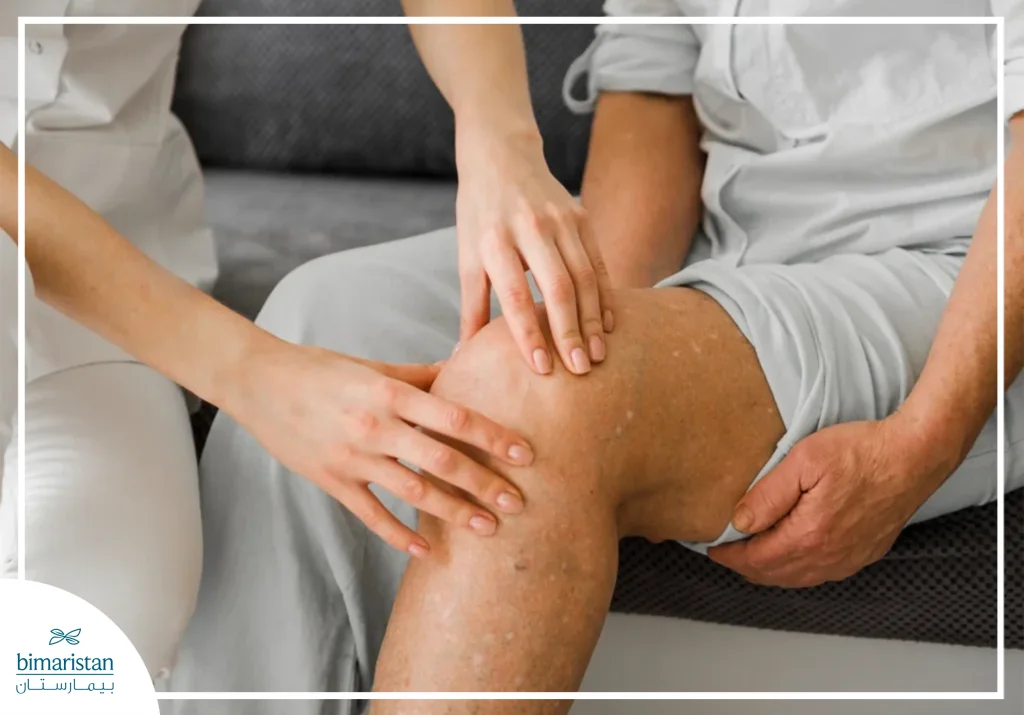
Failure to adhere to an ACL rehabilitation program after anterior cruciate ligament surgery can lead to rapid knee weakness and loss of joint stability, significantly increasing the risk of long-term injury. Ignoring prescribed exercises and medical guidance may also result in musculoskeletal and joint-related complications. The most important complications include:
- Weakness of the muscles surrounding the knee: This leads to loss of stability and makes the knee more prone to recurrent injuries.
- Knee stiffness and reduced range of motion: This may cause difficulty in flexion and extension, affecting walking ability and stair climbing.
- Early onset osteoarthritis: Due to excessive load on the cartilage resulting from muscle weakness and lack of proper ACL rehabilitation.
- Cartilage damage or tears: The risk of meniscal injury increases with sudden movements or excessive joint stress.
- Risk of reinjury or ligament rupture: A weakened knee without proper ACL rehabilitation after surgery is more vulnerable to repeat ligament injury.
Advantages of ACL rehabilitation after surgery in Turkey
Turkey is considered one of the leading destinations for knee treatment and post-surgery ACL rehabilitation, thanks to its specialized centers, advanced medical infrastructure, and highly experienced medical teams. Key advantages include:
- Advanced facilities: Hospitals equipped with state-of-the-art imaging and physiotherapy devices to ensure precise patient monitoring.
- Specialized medical teams: Orthopedic surgeons and physiotherapists with extensive experience in ACL rehabilitation protocols.
- Competitive costs: Treatment and rehabilitation costs are lower than in many European and Gulf countries, without compromising the quality of care.
- Easy access and follow-up: Turkey’s geographic location makes travel and post-operative follow-up convenient for patients from the Middle East and Europe.
The Bemaristan Center provides comprehensive ACL rehabilitation programs with close monitoring of exercise progression and knee response to ensure optimal outcomes.
ACL rehabilitation after surgery is a critical step to restore knee strength, stability, and normal functional performance. Proper adherence to the rehabilitation program protects the joint from future injuries, reduces post-operative risks, and enables a safe return to daily and sports activities with confidence, allowing gradual recovery without overloading the knee or causing complications.
Specialized centers such as the Bemaristan Center offer comprehensive ACL rehabilitation programs, including close exercise supervision and continuous evaluation of knee progress to ensure optimal results. Consistent adherence to these programs significantly improves muscle strength around the joint, enhances range of motion, and reduces the risk of knee stiffness or cartilage damage. In addition, proper nutrition and muscle support play an essential role in the success of ACL rehabilitation after surgery.
sources:
- Van Melick, N., Hamrin Senorski, E., Królikowska, A., & Prill, R. (2025). Anterior cruciate ligament reconstruction rehabilitation: Decades of change . Knee Surgery, Sports Traumatology, Arthroscopy, 33(4), 1178–1182.
- National Library of Medicine. (2025, June 4). Anterior cruciate ligament (ACL) injury. MedlinePlus Medical Encyclopedia. U.S. National Institutes of Health.