Respiratory diseases affect a patient’s ability to perform daily activities; climbing stairs, walking a short distance, or performing simple tasks may be accompanied by shortness of breath and noticeable fatigue. As these difficulties become more frequent, treatment is no longer limited to medication alone; sometimes the patient needs a plan to help them regain some of their activity level and ability to exercise.
This is why pulmonary rehabilitation is so important as a supportive component of care for patients with respiratory conditions; it aims to help them manage shortness of breath and perform daily activities more safely and comfortably. The appropriate program is typically determined based on each patient’s condition and health needs following an assessment by the medical team.
What is pulmonary rehabilitation?
Pulmonary rehabilitation is a structured treatment program that combines exercise, health education, and breathing techniques, designed to help patients with chronic lung diseases breathe more easily and manage their daily activities more effectively. The program begins with an assessment of the patient’s condition, followed by the development of a personalized plan tailored to their tolerance and physical capacity, so that they can learn how to perform daily activities with less shortness of breath.
Pulmonary rehabilitation does not cure lung disease, but it helps patients break the cycle that begins with shortness of breath and reduced physical activity, leading to muscle weakness and worsening symptoms. By improving fitness, strengthening muscles, and learning breathing control techniques, patients may experience improved ability to perform daily activities and quality of life, and may need to visit the hospital less often.
Who needs pulmonary rehabilitation?
A doctor may recommend pulmonary rehabilitation for patients with chronic lung diseases that affect breathing or limit mobility and daily activities. Patient selection is based not only on the severity of the lung disease but also on the symptoms the patient experiences and how they affect their life, such as shortness of breath, reduced exercise tolerance, or the need for additional support to manage the disease.
Conditions that may benefit from pulmonary rehabilitation include the following:
- Chronic Obstructive Pulmonary Disease (COPD)
- Asthma
- Pulmonary Hypertension
- Pulmonary Fibrosis and Sarcoidosis
- Bronchiectasis
- Cystic Fibrosis
- Lung Cancer
- Preparation before or recovery from lung transplantation
- Recovery after some lung or chest surgeries
Some patients may need pulmonary rehabilitation more than once, especially if their symptoms change, they experience an exacerbation, or they feel they need additional support. Therefore, the doctor determines the program’s appropriateness for each case based on the patient’s symptoms, functional capacity, and overall health status.
What are the components of a pulmonary rehabilitation program and how are the sessions conducted?
The pulmonary rehabilitation program focuses on exercise and health education, but its specifics vary from patient to patient depending on their health condition, goals, and ability to tolerate physical activity. The program usually begins with an assessment of the patient, after which the medical team develops a plan tailored to their needs; some sessions may be one-on-one, while others are conducted in a group setting.
A pulmonary rehabilitation session typically lasts one to two hours and includes both therapeutic and educational components. The full program usually lasts 4 to 12 weeks or longer, with sessions typically held two or three times a week. It is important to continue safe physical activities at home to maintain the benefits after the program ends.
1. Exercise
Exercise is a fundamental component of pulmonary rehabilitation, aimed at improving exercise tolerance and the ability to perform daily activities. Patients typically begin with short, simple exercises, and the duration and intensity are gradually increased based on their ability and response.
Exercises may include walking, stationary biking, flexibility exercises, warm-up and cool-down exercises, and resistance exercises with light weights or resistance bands. The supervising team takes care to select exercises that the patient can perform safely without overloading them.
2. Breathing exercises and techniques
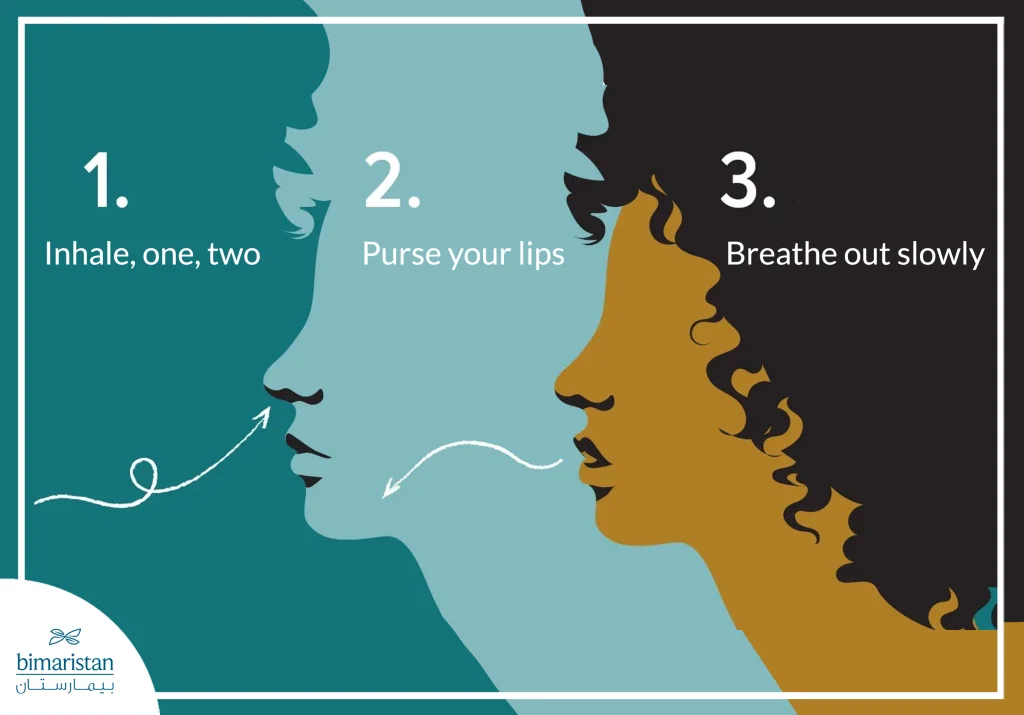
During the program, patients learn techniques to help them manage shortness of breath during physical activity and daily activities. These techniques may include controlled breathing, pursed-lip breathing, and certain positions that help relieve shortness of breath when needed.
This section helps patients cope with everyday situations that may cause shortness of breath, such as climbing stairs, doing household chores, or walking a short distance.
3. Chest physical therapy and airway clearance
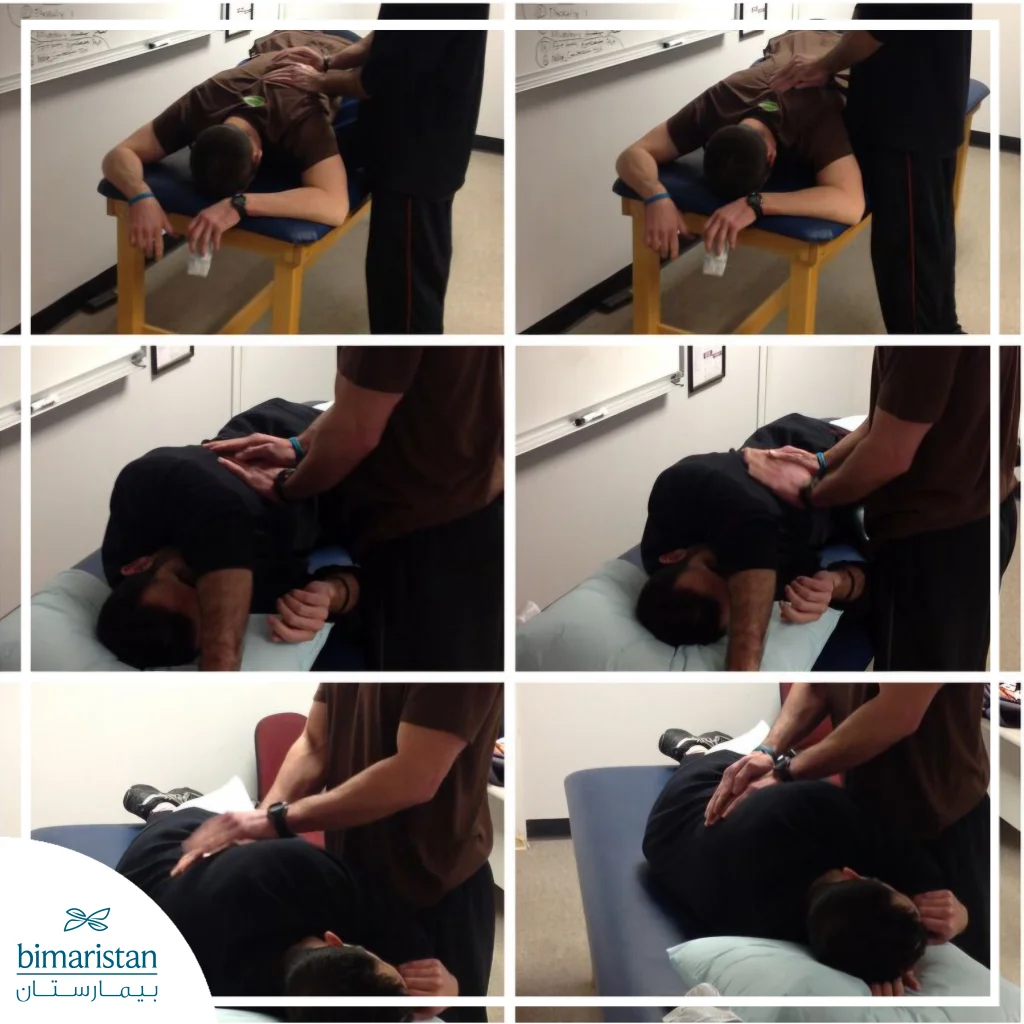
Some patients may need chest physical therapy and airway clearance, especially if the condition causes mucus to accumulate in the lungs or airways. This part of the treatment is designed to help the patient move and clear the mucus more effectively.
Patients can learn coughing and breathing techniques that help open the airways and loosen mucus, such as forced coughing. Devices that help remove mucus through positive expiratory pressure may be used, as well as special vests that vibrate against the chest wall, postural drainage, and chest or back percussion.
4. Health education about the disease and the use of medications
The program includes an educational component that helps patients understand their condition and how to manage it in their daily lives. Patients learn how to cope with shortness of breath and other symptoms, and when to be alert to a worsening of their condition or the onset of a chest infection.
They also learn how to use medications and inhalers correctly, understand the role of oxygen when needed, and use home medical devices if prescribed. This helps patients take better care of themselves.
5. Monitoring breathing and oxygen levels during exercise
During the sessions, the team monitors the patient’s ability to tolerate the exercises and may ask the patient to rate the severity of fatigue or shortness of breath during activity. Oxygen levels may also be monitored, particularly in patients who require supplemental oxygen or whose oxygen levels drop with exertion. This monitoring helps adjust exercise intensity to ensure it is both beneficial and safe, with the plan modified based on the patient’s response.
6. Psychological support and coping with anxiety
Chronic lung disease may cause anxiety, stress, or a loss of motivation to be active, especially when shortness of breath becomes associated with daily activities. Therefore, the program may include psychological support to help patients cope with anxiety, depression, and stress. This support may include relaxation techniques, counseling, or support groups; group sessions may also help patients connect with others who are going through similar experiences.
7. Dietary and lifestyle guidelines
The patient may receive dietary guidance based on their condition, especially if they need to maintain or increase muscle mass. This guidance may include consuming an appropriate amount of protein, eating smaller, more frequent meals, or adjusting their diet to meet their specific needs.
Patients also learn how to continue their care after the program ends through home exercises and a plan for managing their condition. The goal is to turn what they learn during pulmonary rehabilitation into daily habits that help them maintain the benefits for as long as possible.
How is a patient evaluated before starting pulmonary rehabilitation?
Before beginning pulmonary rehabilitation, the medical team assesses the patient’s condition to develop a plan tailored to their abilities and needs. The assessment includes the symptoms they are experiencing, their oxygen requirements, and their ability to exercise, as well as their medical history, comorbidities, and psychological well-being. The team also discusses the patient’s goals for the program, such as improving walking ability, resuming certain daily activities, or reducing shortness of breath during exertion.
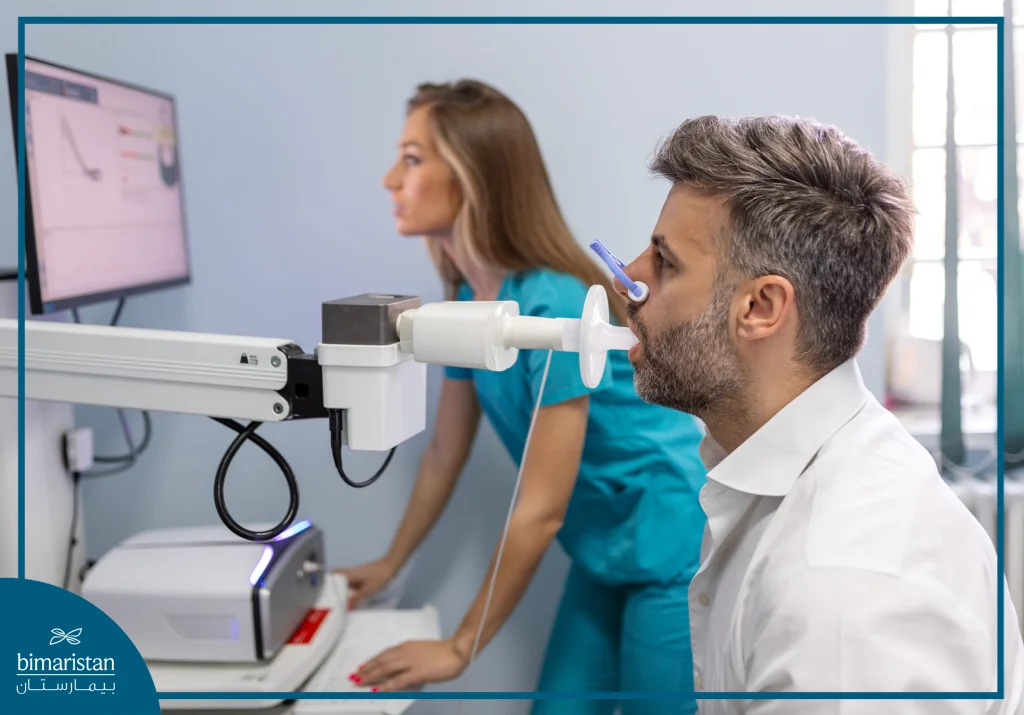
The team may use certain tests to assess the patient’s condition before developing a plan, such as a stress test to monitor oxygen levels, blood pressure, and heart rate during exercise, breathing tests to assess lung function, and a six-minute walk test to measure the distance the patient can cover during that time. These results help the medical team determine the patient’s baseline and then compare their condition after completing the program to assess improvements in exercise tolerance and breathing.
Benefits of pulmonary rehabilitation
Pulmonary rehabilitation helps improve a patient’s ability to cope with the symptoms of chronic lung disease. While it does not cure the disease, it can alleviate shortness of breath, coughing, and fatigue, and improve the patient’s ability to better manage daily activities. The benefits of pulmonary rehabilitation include the following:
- Reduced frequency of disease exacerbations
- Relief from shortness of breath, cough, and fatigue
- Improved walking and exercise capacity
- Facilitated daily activities, work, and leaving the house
- Reduced anxiety or depression associated with chronic illness
- Reduced number of hospital visits and the likelihood of readmission
The benefits of pulmonary rehabilitation are most evident when the patient attends sessions and follows instructions. This can lead to improved exercise tolerance, reduced shortness of breath, and an enhanced quality of life. After the program ends, continuing the home exercises and skills learned helps maintain these results for as long as possible.
Can pulmonary rehabilitation be done at home?
Some pulmonary rehabilitation programs can be done at home, but ideally, the program should be conducted in a hospital or clinic, especially when monitoring of breathing, oxygen levels, and exercise tolerance is necessary. The choice of the appropriate setting depends on the patient’s condition and the medical team’s assessment; it is not recommended that the patient begin exercises on their own, as the intensity and type of exercise must be tailored to their health status.
Home pulmonary rehabilitation may include therapeutic exercises or breathing techniques that the patient learns in advance; some programs may rely on written instructions, remote monitoring, activity trackers, or telephone-based lessons. This option is most appropriate when the patient’s condition is stable, and they can safely follow the instructions, though they should consult their medical team if shortness of breath worsens or unusual symptoms appear.
What are the risks of pulmonary rehabilitation and when should exercise be stopped?
Pulmonary rehabilitation is generally considered a low-risk program, as exercises are tailored to the patient’s ability and the patient is monitored during sessions, particularly for shortness of breath and exercise tolerance. Some patients may experience muscle pain or stiffness at the start of the program, but this usually improves with regular exercise.
In rare cases, exercise may cause problems such as muscle or bone injuries; therefore, the activity must be stopped immediately if unusual symptoms appear during the session or if shortness of breath becomes unbearable. If a significant problem occurs during sessions supervised by the medical team, the pulmonary rehabilitation team will stop the exercise immediately, provide appropriate care, and contact the doctor as needed.
One major risk is that patients may lose the benefits they have gained after completing the program if they stop exercising completely. To prevent this, it’s important for patients to follow the home exercise plan created by their medical team. This will help maintain their improvements in exercise capacity and effectively manage shortness of breath.
Ultimately, pulmonary rehabilitation is an important part of care for patients with chronic lung diseases, as it helps patients improve their breathing, increase their exercise tolerance, and better manage their daily symptoms, The program combines exercises, health education, and breathing techniques tailored to each patient’s condition, with an emphasis on continuing safe exercises and following the guidelines provided to maintain improvement as much as possible.
Sources: