
Neuromuscular disorders are a group of medical conditions that affect the nervous system and muscles, leading to impaired movement and loss of muscle control. These disorders include a variety of diseases that require early understanding and accurate diagnosis to avoid worsening the condition. Early recognition of symptoms and appropriate treatment can improve quality of life and help patients cope with daily challenges.
Overview of the Neuromuscular System
The neuromuscular system consists of a set of key components: peripheral nerves that transmit signals between the brain and muscles, and the neural junction that enables the interaction between nerves, muscles, and the muscles that perform the movement. This system plays the key role in controlling movement and strength as nerve signals are coordinated to ensure that muscles respond appropriately to different activities.
Why are neuromuscular disorders important?
These disorders are an important health issue as they affect a large percentage of patients. Statistics show that these disorders significantly impact quality of life, leading to physical and psychological issues. The need for early diagnosis and treatment is essential to minimize the impact of these disorders on individuals and their families and ensure they receive appropriate care.
Neuromuscular disorders and their symptoms
There are multiple neuromuscular disorders, each with distinctive symptoms
Peripheral neuropathy
One of the most prominent types of neuromuscular disorders is peripheral neuropathy, such as Charcot-Marie-Tooth disease. Symptoms include:
- Numbness in the limbs
- Muscular weakness
- Dysesthesia
Hereditary muscular diseases
Hereditary muscular diseases such as Duchenne muscular dystrophy vary, and symptoms manifest as:
- Progressive muscle weakness
- Difficulty walking
Neuromuscular junction disorders
Such as myasthenia gravis, where symptoms include:
- Rapid muscle fatigue
- Weakness in the eyes and swallowing attachments
Frontal horn cell diseases
Like ALS, the symptoms are as follows:
- Muscular weakness
- cramps
- loss of mobility
Causes and risk factors for neuromuscular disorders
There are many causes and risk factors for neuromuscular disorders, including:
- Genetic factors that may increase the risk of
- Autoimmunity that leads to the destruction of nerve cells
- Inflammation and immune diseases can negatively affect the nervous system
- Exposure to toxins and nerve injuries can cause permanent damage
Diagnosis of neuromuscular disorders
They are diagnosed through several steps, including:
- Clinical examination, which includes assessment of symptoms and clinical signs
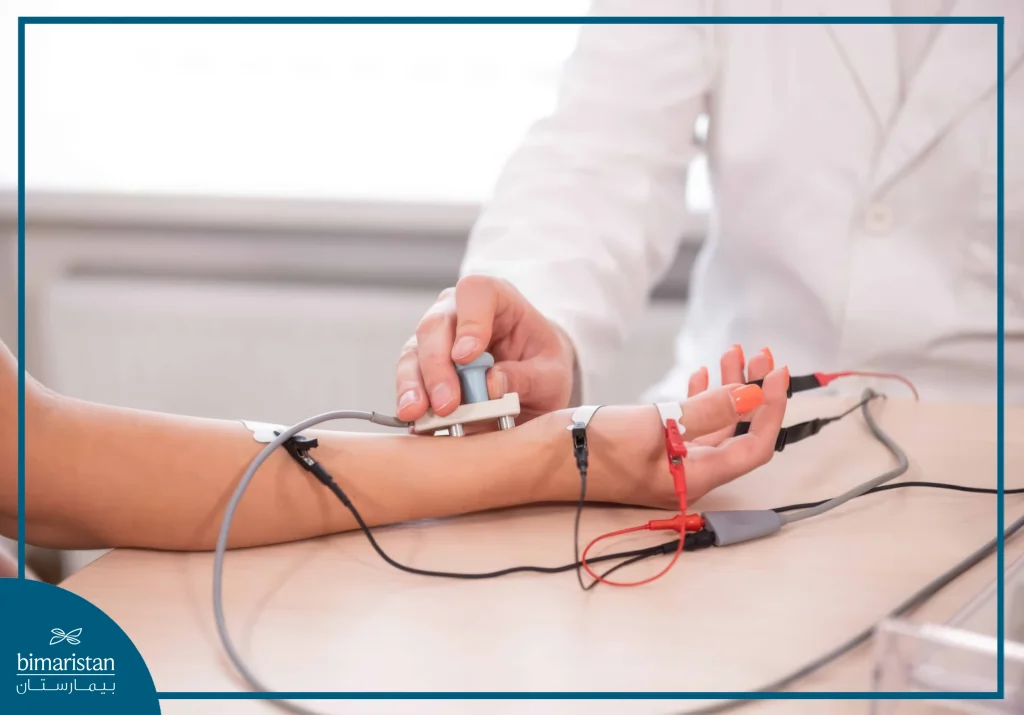
- Neuromuscular tests (EMG, NCS) to determine nerve and muscle function
- Blood tests that measure muscle markers and antibodies
- Radiographs
- Sometimes, a muscle or nerve biopsy is needed to get accurate information about the condition
Therapeutic approaches to neuromuscular disorders
Includes therapeutic orientations:
- Drug therapy: The use of medications to improve neurological or immune function, such as corticosteroids, immunosuppressants, and cholinesterase inhibitors.
- Physical therapy and rehabilitation: Aims to improve patients’ strength and balance.
- Multidisciplinary support: Includes neurologists, physiatrists, nutritionists, and psychological support.
- Gene therapies and clinical trials: Used in some genetic diseases to offer new treatment options.
Guidelines for prevention and lifestyle optimization
To optimize lifestyle and reduce the risk of neuromuscular disorders, it is recommended to:
- Proper nutrition that supports muscle and nervous system health
- Moderate physical activity under medical supervision to improve strength and flexibility
- Avoid toxins that can negatively affect the nervous system
- Periodic follow-up and evaluation to ensure neuromuscular health
Neuromuscular disorders represent a major health challenge that affects the quality of life for many individuals. Early understanding of symptoms and accurate diagnosis can improve health outcomes and support patients. Proper treatment and a healthy lifestyle can enhance the ability to cope with these disorders and improve overall quality of life.
Sources: