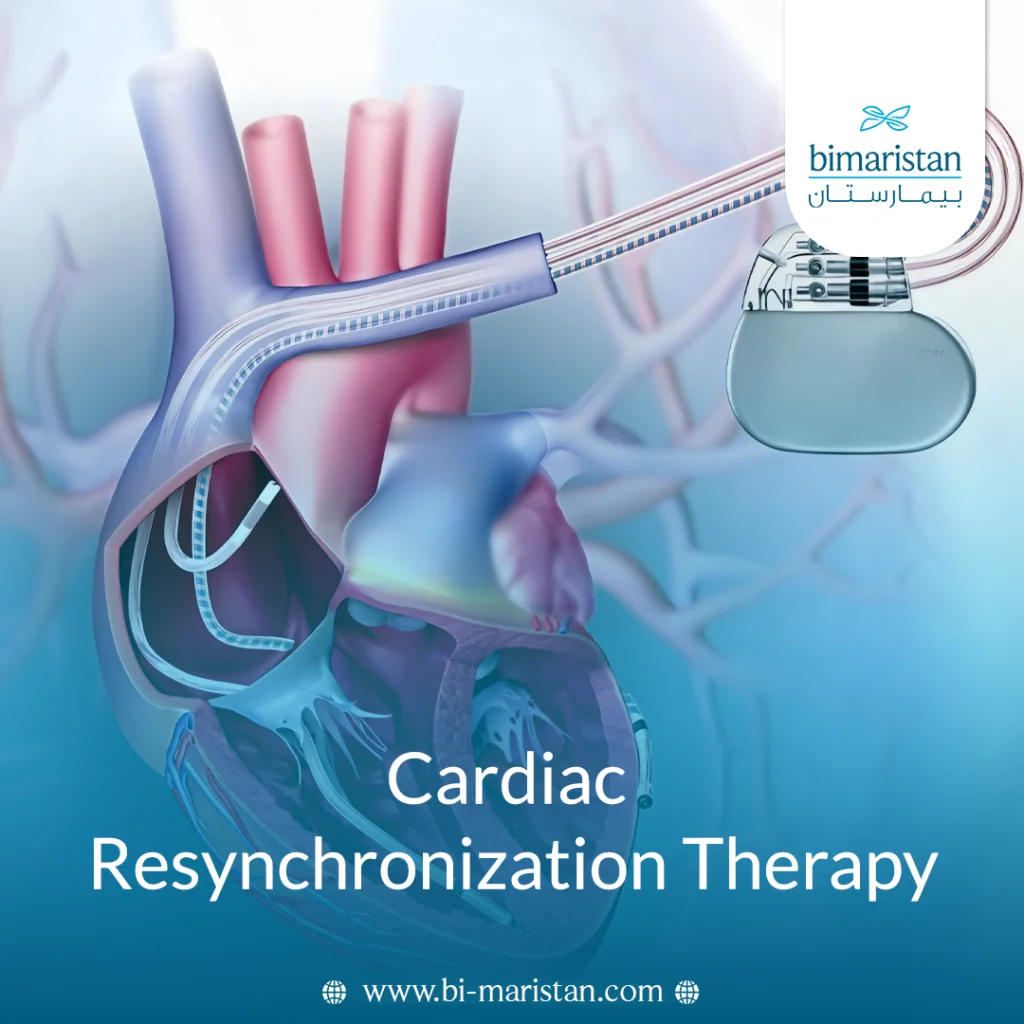

Heart failure is a chronic condition that impacts the heart’s ability to pump blood effectively. This often occurs due to weakness in the heart muscle, combined with issues in the electrical conduction between its chambers. In some patients, the right and left ventricles do not contract in proper coordination, which can lead to increased fatigue and shortness of breath. As a result, patients may find it challenging to exert themselves, even when taking appropriate medications.
Cardiac Resynchronization Therapy (CRT) is an advanced treatment option for some patients with heart failure; it involves implanting a special device that helps improve the electrical and mechanical coordination between the ventricles. This therapy is also known as cardiac resynchronization therapy, and it is not used in all cases; a cardiologist determines its appropriateness after evaluating an electrocardiogram (ECG), the severity of symptoms, and the patient’s response to medication.
What is Cardiac Resynchronization Therapy (CRT)?
Cardiac Resynchronization Therapy (CRT) is a procedure used to improve the timing of contractions in the lower chambers of the heart in some patients with heart failure. In these cases, the right and left ventricles do not work together in a sufficiently coordinated manner, which impairs the heart’s ability to pump blood efficiently to the body.
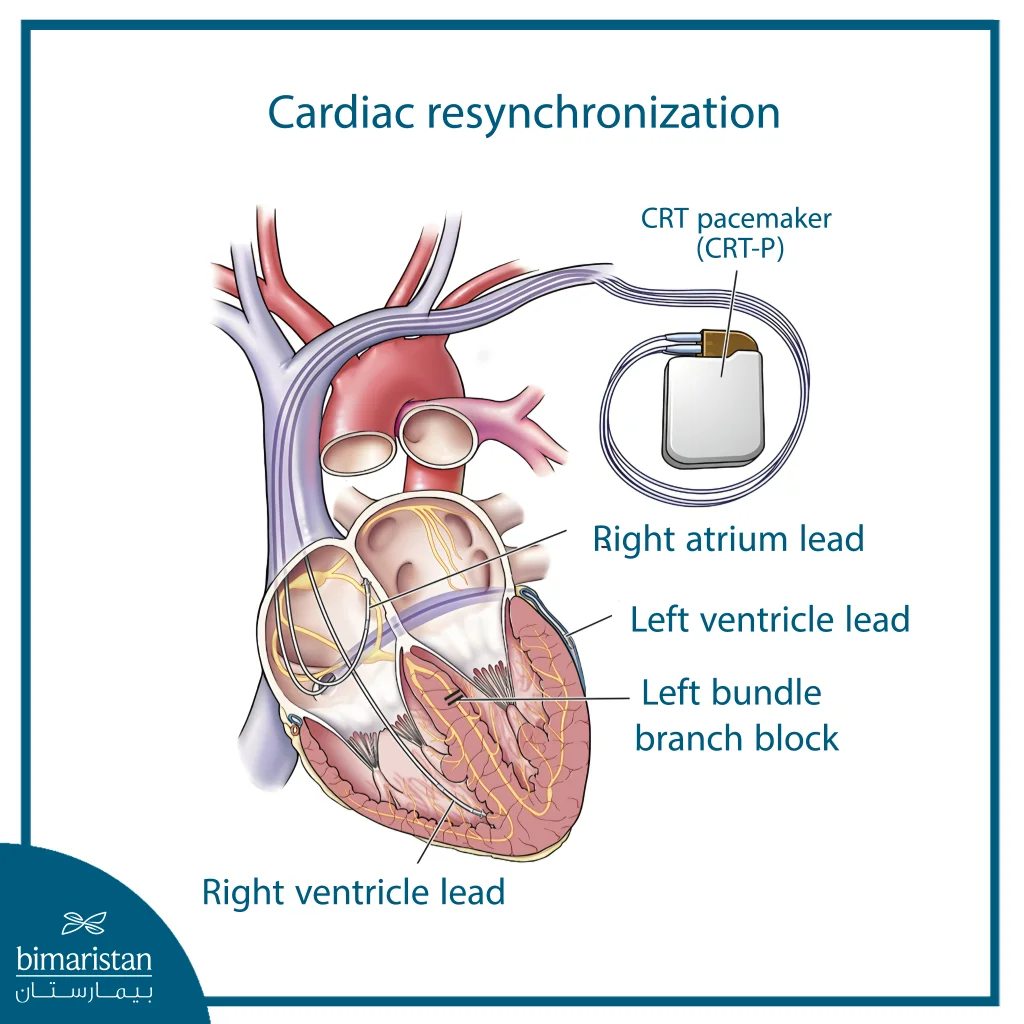
Cardiac resynchronization therapy involves implanting a special device under the skin in the chest area, called a cardiac resynchronization device or a biventricular pacemaker. This device is similar to a traditional pacemaker, but it has an additional lead that helps coordinate the timing between the right and left sides of the heart.
How does a cardiac resynchronization device work?
A cardiac resynchronization device sends regulated electrical signals to the heart chambers to improve the timing of contraction between the two sides of the heart. Unlike some traditional pacemakers, which have one or two leads, a CRT typically has three leads: One goes to the right atrium, the second to the right ventricle, and the third to the left ventricle. These leads allow the device to send precise electrical impulses to the heart chambers.
This type of electrical signal is called biventricular pacing because it helps coordinate the contraction of the right and left ventricles simultaneously, making blood pumping more regular and efficient.
When does a patient need cardiac resynchronization therapy?
The doctor determines the need for cardiac resynchronization therapy after evaluating the patient’s cardiac condition and test results, as this treatment is not suitable for all patients with heart failure; rather, it is used when specific criteria indicate that the patient is likely to benefit from the device.
A patient is considered a potential candidate for cardiac resynchronization therapy in the following cases:
- Moderate to severe heart failure symptoms
- Failure of the right and left ventricles to contract simultaneously
- Electrical conduction abnormalities, such as left bundle branch block
- Heart weakness and enlargement (cardiomegaly) confirmed by test results
- Inadequacy of medications and lifestyle changes to control heart failure
- Need for a pacemaker or defibrillator due to a cardiac condition
- Complete heart block requiring right ventricular pacing most of the time
CRT is not suitable for all patients, as there are cases in which no benefit is expected, or the procedure is not appropriate given the patient’s overall condition, such as:
- Only mild symptoms of heart failure
- Diastolic heart failure
- Heart chambers contracting with good coordination
- Unstable acute heart failure
- Active infection or uncontrolled sepsis
- Coagulation or bleeding disorders
- Advanced disease rendering treatment palliative rather than long-term
Therefore, the decision to use cardiac resynchronization therapy is not based on symptoms alone, but rather after reviewing the patient’s medical history, electrocardiogram, echocardiogram, age, treatment goals, and the expected benefit from the device.
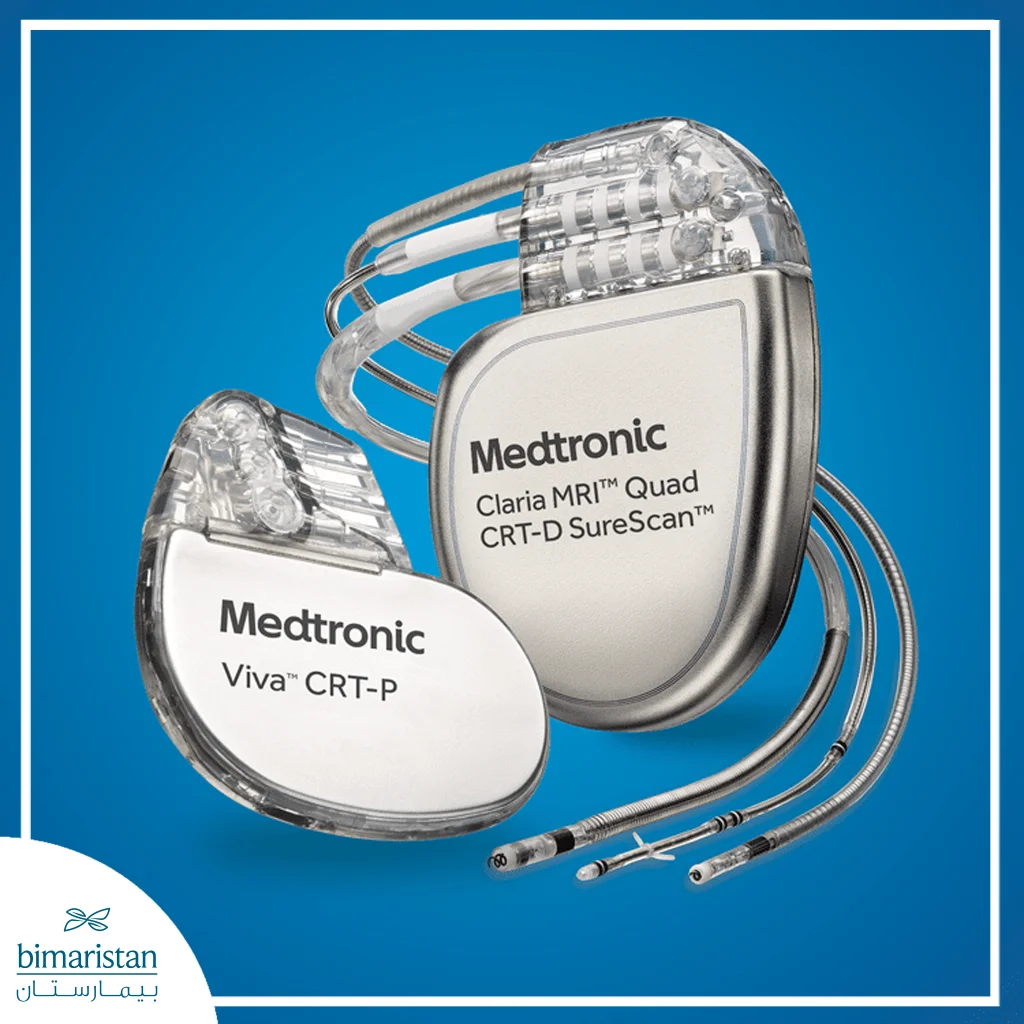
Types of CRT devices: the difference between CRT-P and CRT-D
There is no single type of cardiac CRT device suitable for all patients; rather, there are two main types from which the doctor chooses based on the patient’s heart failure and the need for protection against serious cardiac arrhythmias. Both types aim to send electrical signals that help the right and left ventricles contract simultaneously; however, they differ in whether or not they include a defibrillation function.
CRT-P device
The CRT-P device is a cardiac resynchronization device combined with a pacemaker. This device works similarly to a standard pacemaker (cardiac pacemaker) in treating bradycardia, but it adds an important function for patients with heart failure: it sends small electrical impulses to the right and left ventricles to help them contract together more synchronously.
CRT-P helps improve cardiac filling and enhance pumping efficiency in patients with certain stages of heart failure who have abnormalities in cardiac electrical signals, but it does not have an electrical shock function to treat rapid, life-threatening arrhythmias.
CRT-D device
A CRT-D is a type of cardiac resynchronization device that incorporates an implantable defibrillator within the device itself. Therefore, its function is not limited to coordinating the contractions of the right and left ventricles; it also provides an important additional function for patients at risk of rapid and dangerous arrhythmias that could lead to sudden cardiac arrest.
The CRT-D sends small electrical pulses to the ventricles to help them contract together more synchronously, and it continuously monitors the heartbeat. If the device detects a rapid, dangerous arrhythmia, it can deliver an electric shock to stop the abnormal rhythm and restore a safer rhythm. In this way, the CRT-D combines the function of resynchronization therapy with protection against life-threatening arrhythmias.
Preparation before implantation of a cardiac resynchronization device
Preparation for a cardiac resynchronization device implant is similar to preparation for many cardiac catheterization procedures; it begins with an assessment of the patient’s condition and an explanation of the procedure’s benefits, risks, and potential complications. The goal of this preparation is to ensure the patient is a suitable candidate for the procedure, reduce the risk of bleeding or infection, and adjust medications prior to the implant date. The preparation steps typically include the following:
- Undergoing an echocardiogram or cardiac MRI if necessary
- Having blood tests performed, particularly coagulation tests for patients taking blood thinners
- Informing the doctor about medications, supplements, drug allergies, and any recent infections
- Adjusting blood-thinning or diabetes medications prior to the procedure, as instructed by the doctor
- Fasting from food and drink for at least 6 hours, while adhering to the doctor’s instructions regarding medications that may be taken on the morning of the procedure
How is a CRT implanted?
Cardiac CRT device implantation is typically performed in a catheterization or cardiac procedure room; the procedure usually takes about two to three hours, though it may extend for several hours in some cases. The patient is generally awake but under the influence of sedatives and pain medication, with continuous monitoring of heart rate, blood pressure, and oxygen levels.
Once preparations are complete, the procedure typically proceeds through the following stages:
- The patient lies on a specialized table, and X-ray imaging is used to guide the leads
- An intravenous (IV) line is inserted to administer fluids, antibiotics, painkillers, and sedatives
- The implantation site, usually just below the left collarbone, is anesthetized
- The doctor makes a small skin incision and creates a subcutaneous pocket to house the device
- The CRT device leads are inserted through a large vein near the collarbone or upper-body veins, advancing toward the heart
- Guided by X-ray imaging, the leads are positioned at specific locations within the heart to help coordinate the activity of both sides of the heart
- The leads are tested using electrical impulses to ensure they are correctly placed and functioning properly
- The leads are connected to the cardiac resynchronization therapy (CRT) device, and the device is placed inside the subcutaneous pocket
- The incision is closed with sutures or staples, and a dressing is applied to the implantation site
During lead testing, the patient may briefly feel their heartbeat accelerate; this occurs due to the electrical impulses used to verify the device’s functionality. Following the implantation procedure, the patient remains under observation to ensure their condition is stable and the device site is secure.
Benefits of CRT
In appropriate patients, cardiac resynchronization therapy improves cardiac output and reduces cardiac workload, which may alleviate heart failure symptoms such as shortness of breath, fatigue, and reduced exercise tolerance. Cardiac resynchronization therapy also helps improve quality of life and the ability to perform daily activities, and may reduce the need for hospitalization due to episodes of heart failure.
Responses vary among patients, as outcomes depend on the selection of the appropriate case, the accuracy of device implantation, and the adjustment of its settings after implantation. Cardiac resynchronization therapy may improve survival in some patients with heart failure, and it can also help alleviate mitral regurgitation in some cases. Medical data indicate that CRT may provide a clear benefit in about 7 out of 10 patients with heart failure and cardiac dyssynchrony.
Risks and complications of CRT implantation
CRT implantation is not usually considered a major or high-risk procedure, but like any procedure that involves implanting a device inside the body, it may be associated with certain complications. Risk varies depending on the type of device used, the patient’s overall health, the presence of any underlying medical conditions, and the medical team’s experience with implantation and follow-up care.
Possible complications of cardiac resynchronization device implantation include the following:
- Bleeding, swelling, or bruising at the implantation site
- Infection at the device site or around the leads
- Displacement of a lead or device malfunction
- Heart rhythm disturbances during or after the procedure
- Allergic reaction to anesthesia or certain medications
- Formation of blood clots
- Pneumothorax (collapsed lung)
- Perforation of a heart chamber, leading to accumulation of blood or fluid around the heart
- Need for a second procedure to correct the position of the device or leads
- Recurrent hiccups or muscle twitching caused by stimulation of a nerve near the diaphragm
Proper preparation, sterilization of the implantation site, careful lead placement, and regular follow-ups can minimize the risk after the procedure. Some post-implantation issues can be addressed by adjusting the device settings, particularly if the patient experiences bothersome muscle contractions or frequent hiccups due to stimulation of the nerve near the diaphragm. Therefore, it is essential for patients to discuss potential risks with their doctor before having a cardiac resynchronization device implanted, especially if they have chronic conditions or other factors that may increase the risk of bleeding or infection.
Recovery and follow-Up after cardiac resynchronization device implantation
Immediately after the procedure
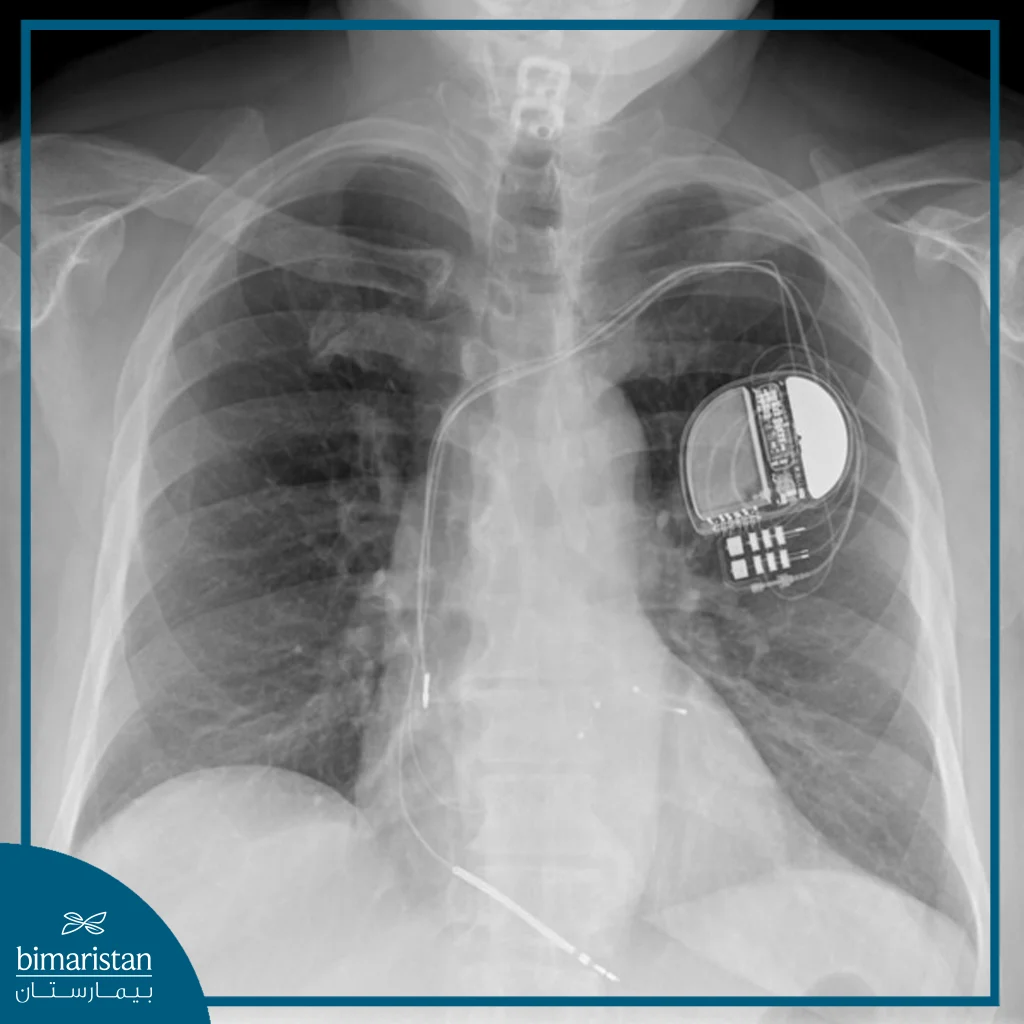
After implantation, the patient remains under observation until the effects of the sedatives wear off; depending on their condition, they may need to stay in the hospital for several hours or one night. A chest X-ray or electrocardiogram (ECG) may be performed to verify lead placement and the device’s function, and the patient will need someone to drive them home after discharge.
Wound care and returning to normal activities
Most patients can gradually resume their normal activities within a few days, but they should avoid driving and lifting heavy objects during the initial recovery period, as directed by their doctor. It is also recommended to limit movement of the arm on the side of the implant, especially lifting and pulling, until the leads are securely in place. The dressing must be kept clean and dry, and the wound site monitored; a doctor should be consulted if fever, redness, swelling, increasing pain, bleeding, or discharge occurs.
Follow-up appointments and device checks
Regular follow-up is essential to ensure that the cardiac resynchronization device, leads, and battery are functioning properly, and to adjust the device’s settings to suit the patient’s condition. The first visit usually takes place about one month after implantation, followed by follow-up visits once or twice a year or every 6 months, as recommended by the doctor. While some devices can be monitored remotely, in-person examinations remain important at scheduled intervals.
Living with a CRT device
The patient should carry an identification card for the device and inform doctors of its presence before any medical procedure or examination. The device’s battery typically lasts several years, up to nearly 10 years, and the doctor can determine when it is nearing the end of its life several months in advance. It is also recommended to avoid strong magnetic fields and not to place a cell phone or electronic devices directly over the implant site, especially when using wireless charging or devices that contain strong magnets.
In conclusion, cardiac resynchronization therapy is an important treatment option for some patients with heart failure who have impaired cardiac output and ventricular dyssynchrony, as it may help improve symptoms and quality of life in appropriate patients. Treatment success depends on careful evaluation, selection of the appropriate device, and thorough post-implantation follow-up to optimize device function and minimize complications of heart failure.
Sources: