
Dental implants are no longer limited to a select few high-cost European and American brands; in recent years, Korean dental implants have carved out a prominent place in dental implant clinics worldwide. This is due to the diversity of their designs, their compatibility with digital treatment technologies, and their ability to offer options suited to various clinical cases at a reasonable cost.
However, the presence of the word “Korean” on the implant packaging does not mean that all systems are the same; each company has its own designs, surface treatments, and prosthetic components. Therefore, the success of treatment does not depend solely on the implant’s name but rather on an accurate diagnosis, the dentist’s expertise, the availability of sufficient bone, the quality of the final crown, and the patient’s commitment to oral hygiene.
What are Korean dental implants?
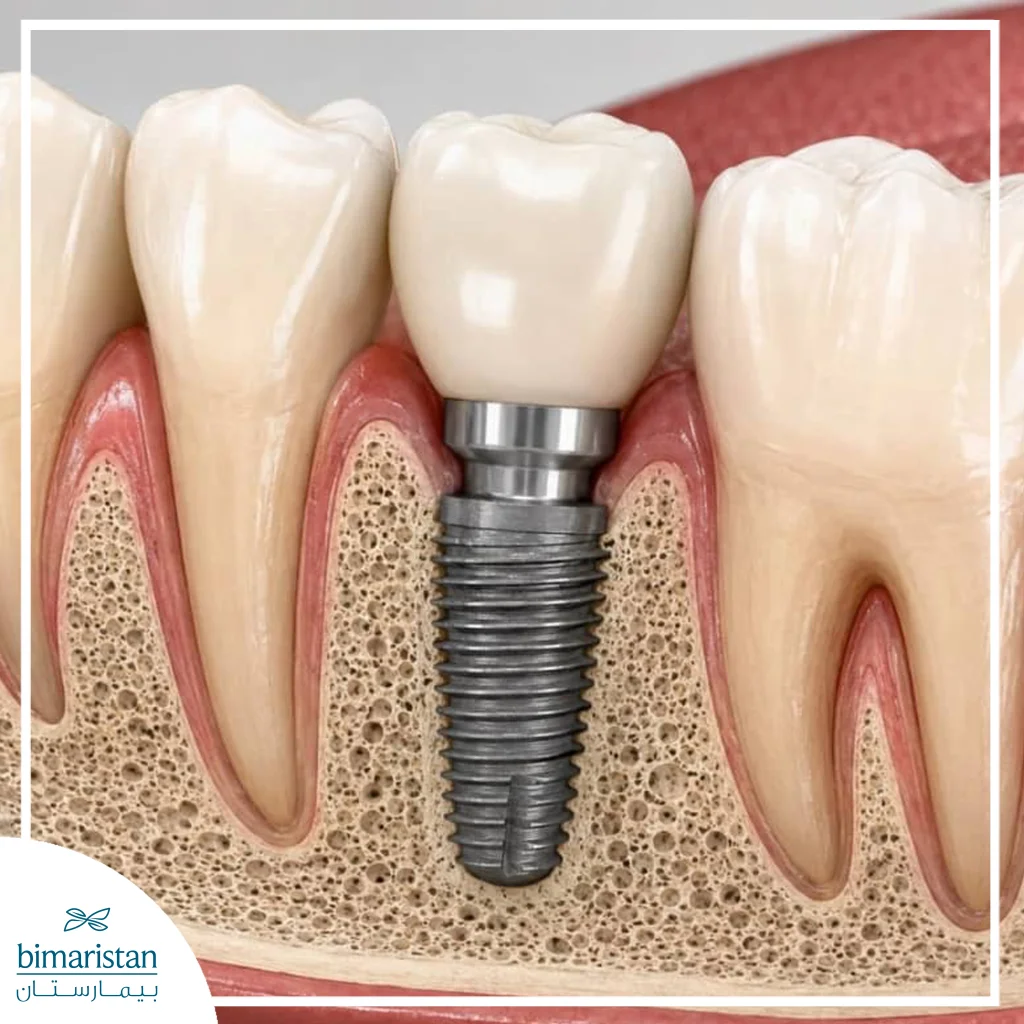
Korean dental implants are systems developed by specialized companies based in South Korea for dental implant procedures. An implant typically consists of a metal component placed inside the jawbone to function as a tooth root, an abutment that connects the implant to the prosthesis, and finally a dental crown designed to mimic the shape of a natural tooth.
Korean companies offer a wide range of diameters, lengths, screw designs, and abutments, as well as digitally guided surgical systems. Leading global brands include Osstem, Dentium, MegaGen, NeoBiotech, and DIO, each offering multiple product lines and treatment systems.
Why have Korean implants gained such widespread popularity?
Several factors have contributed to the spread of Korean implants in Turkey, the Middle East, and Europe, the most important of which are:
- Providing systems that support digital planning and guided surgery
- The availability of options that combine clinical performance with an acceptable cost
- The Variety of Prosthetic Components and Abutments in Widely Used Systems
- Development of certain designs to improve initial stability in low-density bone or during immediate implantation
- A variety of sizes and designs that allow the doctor to select an implant suitable for your bone density and the available space
The Most Popular Types of Korean Dental Implants
Korean implants can be classified by manufacturer and the system used, rather than solely by country of origin. The following are the most well-known options:
| The Korean Brand | Key Features |
|---|---|
| Osstem | A wide range of implants, instruments, prosthetic, and digital solutions |
| Dentium | Bone and tissue designs, with multiple connection and restoration options |
| MegaGen | Designs aimed at achieving good initial stability and suitability for different bone densities |
| NeoBiotech | Multiple Options for Submerged Implants, Tissue-Engineered Systems, and Digital Surgery |
| DIO Daewoo | A clear focus on digital planning, guided surgery, and full-mouth rehabilitation |
Advantages of Korean Dental Implants
- Variety of Clinical Options: Korean companies offer implants in various lengths, diameters, and designs, giving dentists greater flexibility when treating front and back teeth, working in tight spaces, or dealing with bone of varying density.
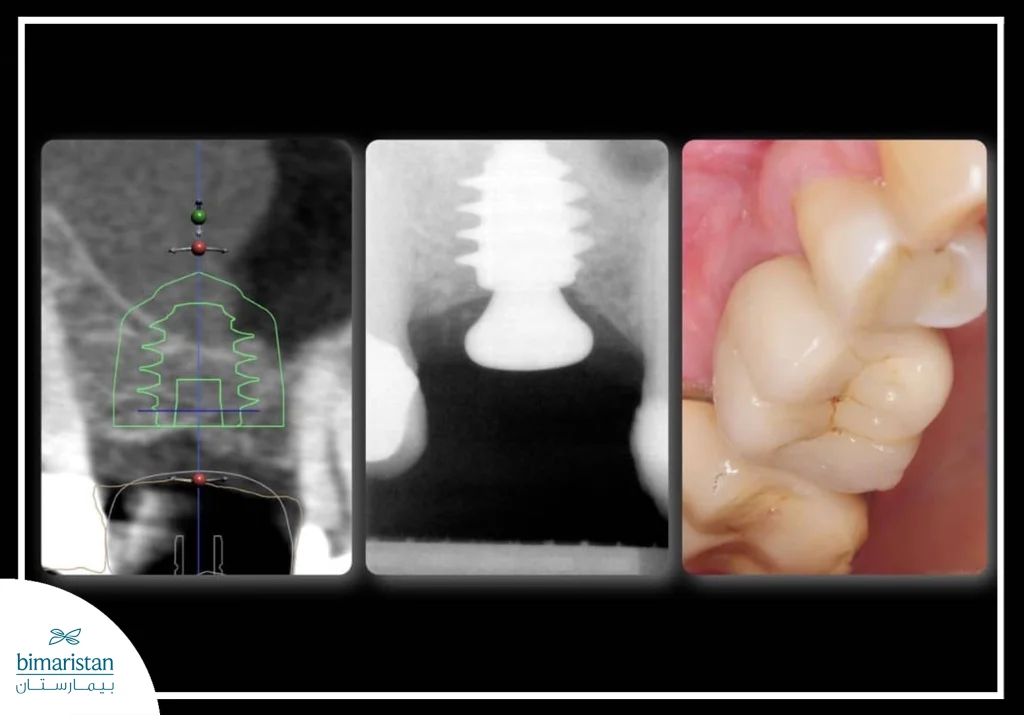
- Compatibility with Digital Technologies: Several Korean systems support 3D tomography, intraoral scanning, and surgical guide design, which helps assess the implant’s position relative to the dental nerve, the maxillary sinus, and adjacent teeth.
- Initial stability: Some systems use threads and conical designs intended to increase initial stability. This property is particularly important in immediate implant placement or in low-density bone, but the decision regarding early loading remains with the dentist after measuring stability and evaluating the occlusion.
- Cost-effectiveness: Korean implants are typically priced lower than many premium Swiss or European systems, while offering a wide range of instruments and components. However, an implant should not be chosen based on price alone.
- Provides prosthetic solutions: Well-known systems offer a variety of abutments and prosthetic components, which is important when designing a single crown, a fixed bridge, or a complete implant-supported prosthesis.
Are there any drawbacks to Korean implants?
The restrictions are not so much related to the country of manufacture as they are to the regimen, the clinic, and the clinical condition. Some points to note include:
- Digital systems require appropriate hardware, software, and expertise
- The amount of long-term clinical evidence varies from one system to another
- Ingredients from some less common brands may not be available in all countries
- The use of non-genuine parts may compromise the implant’s connection to the abutment.
- The quality of the implant cannot compensate for poor planning, insufficient bone, or uncontrolled gum disease.
- The patient needs to know the company name, the system, and the size used, and to keep the implant card.
Therefore, it is best to choose a well-known brand and genuine ingredients, and to undergo the treatment under the care of a doctor experienced with that particular system.
Who is a good candidate for Korean dental implants?
Korean dental implants may be suitable for replacing one or more teeth, or for securing bridges or dentures, provided that jaw growth is complete and the patient’s oral and general health permit the surgery. Before treatment, the dentist will assess:
- Smoking Oral Habits
- Teeth Grinding and Bite Force
- Location of the Nerve and the Maxillary Sinus
- Gum Health and the Presence of Inflammation Around the Teeth
- Level of Diabetes Control and Chronic Diseases
- Bone Thickness and Height Measured by CT Scan
- Medications That May Affect Bone or Wound Healing
Some patients may require a bone graft or sinus lift before or at the same time as implant placement. Active gum disease, heavy smoking, and poor oral hygiene may also increase the risk of complications.
Steps for Installing Korean Dental Implants
- Examination and Planning: The dentist examines the teeth and gums and orders a panoramic X-ray or a CBCT scan. A digital oral scan may also be performed to determine the crown’s shape and the ideal implant placement.
- Preparing the Implant Site: Infections are treated, and teeth that cannot be saved are extracted as needed. A bone graft may be performed if there is insufficient bone to secure the implant.
- Implant Placement: The implant is inserted into the bone under local anesthesia, either through traditional surgery or using a digital surgical guide. The doctor determines whether a temporary crown can be placed based on the level of initial stability.
- Osseointegration Phase: The bone needs time to fuse to the implant surface. The duration varies depending on the implant’s location, bone density, the patient’s overall health, and the nature of the procedure.
- Fitting the Abutment and Crown: After ensuring that the implant is secure, a traditional or digital impression is taken, and then the abutment and crown are fabricated, taking into account the shape of the gums, the bite, and the color.
How long do Korean dental implants last?
Dental implants can last for many years or even decades with proper planning and regular care, but the crown attached to them may need to be replaced before the implant itself due to wear, fracture, or changing aesthetic preferences. Factors that contribute to the longevity of an implant include:
- Quitting Smoking
- Brush your teeth twice a day
- Regular dental checkups
- Managing Diabetes and Chronic Diseases
- Treat any bleeding or swelling around the implant early on
- Using dental floss or interdental brushes around the implant
- Treating teeth grinding and using a night guard when necessary
Poor oral hygiene can lead to inflammation of the tissues surrounding the implant and bone loss. Signs of this problem may include pain, mobility, difficulty chewing, or discharge from the gums.
Tips After Korean Implant Placement
To ensure the success of dental implant surgery with Straumann implants and achieve long-lasting results, it is essential to follow a set of post-operative guidelines.
- Avoid hot beverages—such as coffee and tea—for the first day or two to prevent gum irritation.
- Eat soft foods, such as soups and boiled foods, to minimize any strain on the implant site.
- Avoid smoking: It is best to refrain from smoking before and after the implant procedure, as smoking slows bone healing and increases the risk of implant failure.
- Adhere to prescribed medications, such as antibiotics or pain relievers, to reduce inflammation and pain and speed up recovery.
- Watch for any unusual symptoms—such as severe pain, swelling, or persistent bleeding—and contact your doctor immediately if they occur.
- Avoid hard and sticky foods, especially during the first 48 hours, to prevent putting pressure on the implant and allow it time to settle.
- Follow the doctor’s instructions carefully: Because every case is different, specific instructions may be needed depending on the patient’s condition.
- Do not put pressure on the implant: Avoid chewing directly on it until your doctor gives you permission to do so, to ensure that it fuses properly with the bone.
- Maintain daily oral hygiene: Brush your teeth twice a day using a soft-bristled toothbrush and non-abrasive toothpaste, and use dental floss or interdental brushes to clean the area around the implant.
The Cost of Korean Dental Implants
The table shows approximate price ranges for a single complete dental implant procedure—including the implant, abutment, and crown—using a system available at the clinic. Prices do not include bone grafting, sinus lift, or complex extractions.
| The State | Approximate cost in U.S. dollars |
|---|---|
| Turkey | $350–$600 |
| The United States of America | $3,000–$6,000 |
| Britain | $2,500–$5,000 |
| Germany | $1,700–$3,500 |
This significant price difference is due to variations in operating costs and wages, not to the quality of the implants themselves, as the Korean dental implants used in Turkey are the same as those used in the United States and Europe. Furthermore, clinics in Turkey often offer comprehensive packages that include examinations, surgery, and final restorations, resulting in a total cost that is 50–70% lower than in Western countries while maintaining the same quality and using the same modern techniques.
Ultimately, Korean dental implants represent a practical option for patients seeking a permanent tooth replacement that combines quality, modern technology, and affordability. Given the variety of available brands and systems, a thorough examination and the selection of an experienced dentist remain the most important factors for achieving a successful, long-lasting result.
Turkey is considered a premier destination for Korean dental implants, thanks to the availability of specialized centers equipped with digital imaging and planning technologies, experienced implant surgeons, and competitive prices compared to many other countries. Some centers also offer comprehensive services for residents and international patients, including consultations, appointment scheduling, medical translation, and post-treatment follow-up, making the journey to a restored smile easier and more comfortable.
Sources: