
A hysterectomy is a common surgical procedure used to treat a wide range of gynecological conditions, particularly non-cancerous conditions such as uterine fibroids, abnormal uterine bleeding, and uterine or pelvic organ prolapse. Traditionally, this procedure was performed through a large incision in the abdomen; however, advances in minimally invasive surgical techniques have made it possible to perform laparoscopic hysterectomies through small incisions, which has helped reduce surgical trauma and speed up recovery.
This approach is typically associated with less postoperative pain, lower blood loss, a lower risk of wound infection, a shorter hospital stay, and the ability to return to work and daily activities more quickly than open hysterectomy.
What is a laparoscopic hysterectomy?
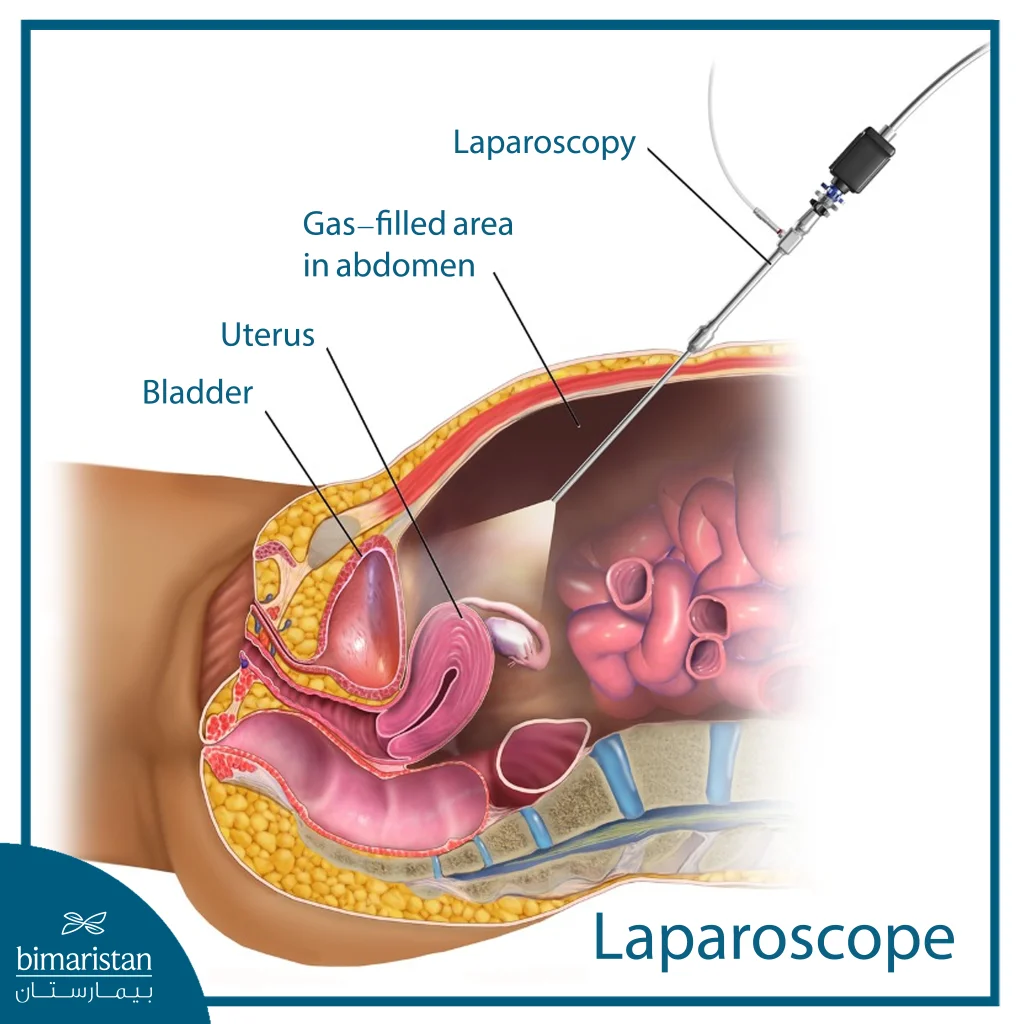
A laparoscopic hysterectomy is a minimally invasive surgical procedure used to remove the uterus with the aid of a thin, flexible laparoscope equipped with a camera that transmits a magnified image of the pelvic organs to a screen in front of the surgeon. The laparoscope and fine surgical instruments are inserted through several small incisions made in the abdomen, one of which is usually near the navel. The surgeon then carefully separates the uterus from the ligaments, blood vessels, and surrounding tissues.
The uterus is then removed through the vagina or divided into small pieces that are removed through surgical incisions, depending on the size of the uterus, the type of procedure, and the patient’s condition. In some cases, the procedure can be performed with robotic assistance, in which the surgeon inserts a laparoscope and instruments attached to robotic arms and then controls their movement via a computer console that allows for precise surgical maneuvers.
Types of Laparoscopic Hysterectomy
The type of laparoscopic hysterectomy is determined based on the diagnosis, the extent of the disease, the patient’s age, and the need to preserve the cervix or ovaries. The main types include the following:
- Laparoscopic total hysterectomy: In this procedure, the entire uterus and cervix are removed; it is the most common type of surgery used to treat fibroids, uterine bleeding, and certain other uterine conditions.
- Laparoscopic partial hysterectomy: The body of the uterus is removed while the cervix is preserved; this procedure is also known as a supracervical hysterectomy.
- Laparoscopic radical hysterectomy: This procedure involves removing the uterus, the cervix, the upper part of the vagina, and some surrounding tissue; lymph nodes may also be removed. It is often used to treat certain gynecological cancers.
- Laparoscopic vaginal hysterectomy: The surgeon uses a laparoscope to separate the uterus from the surrounding tissues and ligaments, and then removes the uterus through the vagina.
Any of these procedures may involve the removal of one or both fallopian tubes, or the removal of the ovaries if there is a medical reason to do so; however, removal of the ovaries is not a necessary part of a hysterectomy in all cases.
When does a woman need a laparoscopic hysterectomy?
A doctor may recommend a laparoscopic hysterectomy when uterine conditions cause severe symptoms that affect a woman’s quality of life and do not respond adequately to medication or conservative treatments. The decision depends on the nature of the condition, the severity of the symptoms, the patient’s age, and her future desire to become pregnant. The most common conditions that may warrant the procedure include the following:
- Uterine fibroids: When they cause heavy bleeding, pain, or pressure on the bladder and nearby organs.
- Abnormal Uterine Bleeding: When bleeding persists or recurs and medications and other treatments fail to control it.
- Endometrial Ectopia: If it causes severe, persistent pelvic pain and the symptoms do not improve with conservative treatments.
- Uterine adenomyosis: a condition in which the growth of endometrial tissue within the uterine muscle causes heavy bleeding and painful cramps.
- Uterine Prolapse: When the uterus descends into or outside the vagina, especially if accompanied by difficulty urinating or a feeling of pressure in the pelvis.
- Chronic pelvic pain: When the pain is associated with a clear uterine condition and persists despite appropriate treatment.
- Certain types of gynecological cancers, such as uterine or cervical cancer, depending on the stage of the tumor and the treatment plan determined by the medical team.
A hysterectomy is not the first-line treatment in all cases; therefore, the doctor discusses the available alternatives, as well as the benefits and risks of the procedure, with the patient—especially since pregnancy is no longer possible after the uterus is removed.
The Difference Between Laparoscopic Hysterectomy and Open Surgery
Laparoscopic hysterectomy differs from open surgery in terms of the method of accessing the uterus, the size of the surgical incision, and the speed of recovery. The following table outlines the main differences between the two methods:
| Points of Comparison | Laparoscopic Hysterectomy | Open Hysterectomy |
|---|---|---|
| How the Procedure Is Performed | It is performed through several small incisions using an endoscope and precision surgical instruments | It is performed through a larger surgical incision in the lower abdomen |
| Postoperative Pain | It is usually less due to the small size of the surgical incisions | It is often the most severe result of a tear in the abdominal muscles and tissues. |
| Blood loss | In many cases, it is lower | It may be more extensive than laparoscopic surgery |
| Risk of Wound Infection | Usually less, due to the small size of the cracks | Relatively higher due to the presence of a larger abdominal wound |
| Length of Hospital Stay | It is usually shorter, and the patient may be discharged shortly thereafter, depending on her condition | It is usually longer due to the need to monitor the wound and recover from the large incision |
| Speed of Recovery | Faster, with the ability to gradually resume activities in a shorter period of time | It’s slower, and the abdominal tissues take longer to heal |
| Surgical Scars | Smaller and less distinct | Larger and clearer |
| Duration of the procedure | In some cases, it may take longer, depending on the complexity of the surgery and the surgeon’s experience. | In some cases, it may be shorter, with direct access to the pelvic organs |
| Appropriate Situations | It is suitable for many benign conditions and certain selected cancer cases | It may be necessary in cases of severe uterine enlargement, extensive adhesions, or certain complex tumors. |
| Switch to another method | The surgeon may have to switch to open surgery if the procedure cannot be completed safely. | The procedure is performed entirely through an abdominal incision from the outset |
Laparoscopic hysterectomy is generally associated with less pain, a shorter hospital stay, and a faster recovery compared to open surgery; however, the choice of procedure depends on the nature of the condition, the size of the uterus, previous surgeries, the patient’s overall health, and the surgical team’s experience.
Preparation for Laparoscopic Hysterectomy
Preparation for a laparoscopic hysterectomy begins with planning the recovery period, as it is recommended to take time off work for two to three weeks and to arrange for a family member or friend to accompany the patient home and assist her during the first few days after surgery. Basic preparation instructions include the following:
- Do not eat anything before midnight on the day of the surgery
- Shower with a sponge or a special surgical cleanser the evening before the procedure
- Repeat the shower with surgical soap on the morning of surgery, as directed by the hospital
- You may drink water, tea, or coffee (without milk) or juice up to one hour before your appointment, if the medical team permits it.
- Arrange for safe transportation home after the procedure
- Arranging Assistance with Household Chores and Daily Activities During the First Few Days of Recovery
You must follow the hospital’s specific instructions, as fasting and fluid intake guidelines may vary depending on the time of the procedure and the patient’s health condition.
How is a laparoscopic hysterectomy performed?
A laparoscopic hysterectomy is performed under general anesthesia, and the patient is positioned in a way that allows the surgeon to access the pelvic organs. The abdominal and vaginal areas are then sterilized and covered with sterile surgical drapes, and a urinary catheter may be inserted to empty and protect the bladder during the procedure. Once preparations are complete, the procedure typically proceeds through the following stages:
- Making the Incisions: The surgeon makes several small incisions in the abdomen, one of which is usually near the navel.
- Abdominal Cavity Expansion: Carbon dioxide gas is introduced to lift the abdominal wall and provide a clear surgical field.
- Insertion of the Endoscope and Instruments: The endoscope, equipped with a camera, and the fine surgical instruments are inserted through small incisions.
- Uterine Resection: The surgeon separates the uterus from the surrounding ligaments, tissues, and blood vessels, while ligating the vessels to minimize bleeding.
- Hysterectomy and Removal of the Uterus: The uterus is removed and taken out through the vagina or in small pieces through surgical incisions, depending on the type of procedure and the size of the uterus.
- Examination of the Surgical Site: The surgeon ensures that the surrounding organs are intact and that any bleeding is completely controlled.
- Closing the Incisions: The gas is drained from the abdomen, then the surgical incisions are closed with sutures or adhesive strips and covered with appropriate dressings.
Recovery After Laparoscopic Hysterectomy
Recovery after a laparoscopic hysterectomy is usually faster than after open surgery, but it is important to increase activity gradually and follow your doctor’s instructions.
- The first week after surgery: It is recommended that you rest and take light walks daily; expect some fatigue and mild pain around the incisions.
- Returning to Daily Activities: Light activities can be resumed gradually, and strenuous activities should be avoided if you experience pain or fatigue.
- Returning to Work: The patient may be able to return to office work after two to three weeks, while physically demanding jobs may require a longer recovery period.
- Exercise and Weight Lifting: Light walking is permitted; avoid strenuous exercise and weight lifting until your doctor gives you the go-ahead.
- Bathing and Wound Care: Keep wounds clean and dry, and watch for any redness, swelling, or unusual discharge.
- Marital Relations: Marital relations should be postponed until the internal tissues have fully healed and the doctor has given approval.
- Follow-up Visit: A follow-up visit helps assess wound healing and review test results. You should see your doctor immediately if you experience heavy bleeding, a fever, or increasing pain.
Benefits of Laparoscopic Hysterectomy
Laparoscopic hysterectomy is performed through small surgical incisions, which helps reduce pain and blood loss after the procedure and lowers the risk of wound infection compared to open surgery. This method is also typically associated with a shorter hospital stay, a faster recovery, an earlier return to daily activities, and smaller, less noticeable surgical scars.
Risks and Complications of Laparoscopic Hysterectomy
Although laparoscopic hysterectomy is generally considered a safe procedure, it may be associated with certain complications, such as bleeding, infection, blood clots, anesthesia-related complications, or injury to the bladder, ureter, or intestines. In some cases, the surgeon may have to switch to open surgery. Adhesions or chronic pain may occur rarely, while removal of the ovaries along with the uterus leads to surgical menopause and the early onset of its symptoms.
In conclusion, laparoscopic hysterectomy offers an effective treatment for many conditions that cause bleeding, pain, or persistent uterine disorders. Performing the procedure through small incisions helps reduce pain and speed up recovery compared to open surgery. A thorough medical evaluation and adherence to postoperative instructions remain essential factors for a safe recovery and good treatment outcomes.
Sources: