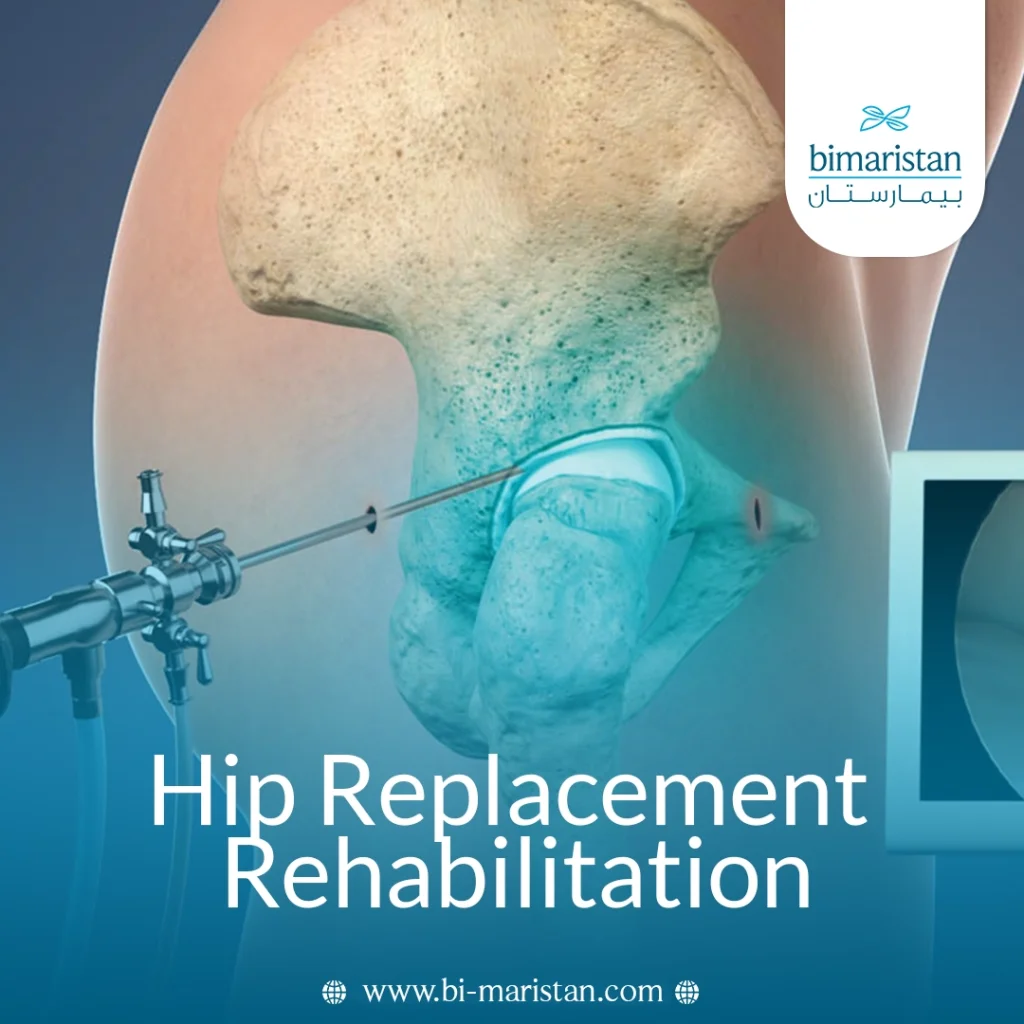
Hip replacement surgery is one of the most common orthopedic procedures used to treat severe joint degeneration, complex fractures, or chronic pain caused by osteoarthritis. The operation involves replacing the damaged hip joint with an artificial implant designed to relieve pain and restore mobility. However, successful outcomes depend not only on the surgery itself but also on a well-structured hip replacement rehabilitation program, as the real recovery process begins after leaving the operating room.
Hip replacement rehabilitation plays a vital role in helping patients gradually regain their ability to walk, strengthen the muscles surrounding the joint, improve balance, and reduce the risk of complications such as blood clots and joint stiffness. The rehabilitation program includes early mobility exercises, detailed guidance on sitting, sleeping, and performing daily activities, along with regular follow-up care to ensure a safe and stable recovery. For this reason, adhering to a comprehensive hip replacement rehabilitation plan is essential for achieving the best possible surgical outcomes.
What Is Hip Replacement Surgery?
Hip replacement surgery is a medical procedure performed to treat severe hip pain and joint damage that no longer responds to medications or physical therapy. During the operation, the damaged portions of the hip joint are replaced with an artificial implant made from durable, biocompatible materials designed to withstand movement and weight-bearing. The goal is to relieve pain, restore joint function, and improve the patient’s ability to walk and perform everyday activities.
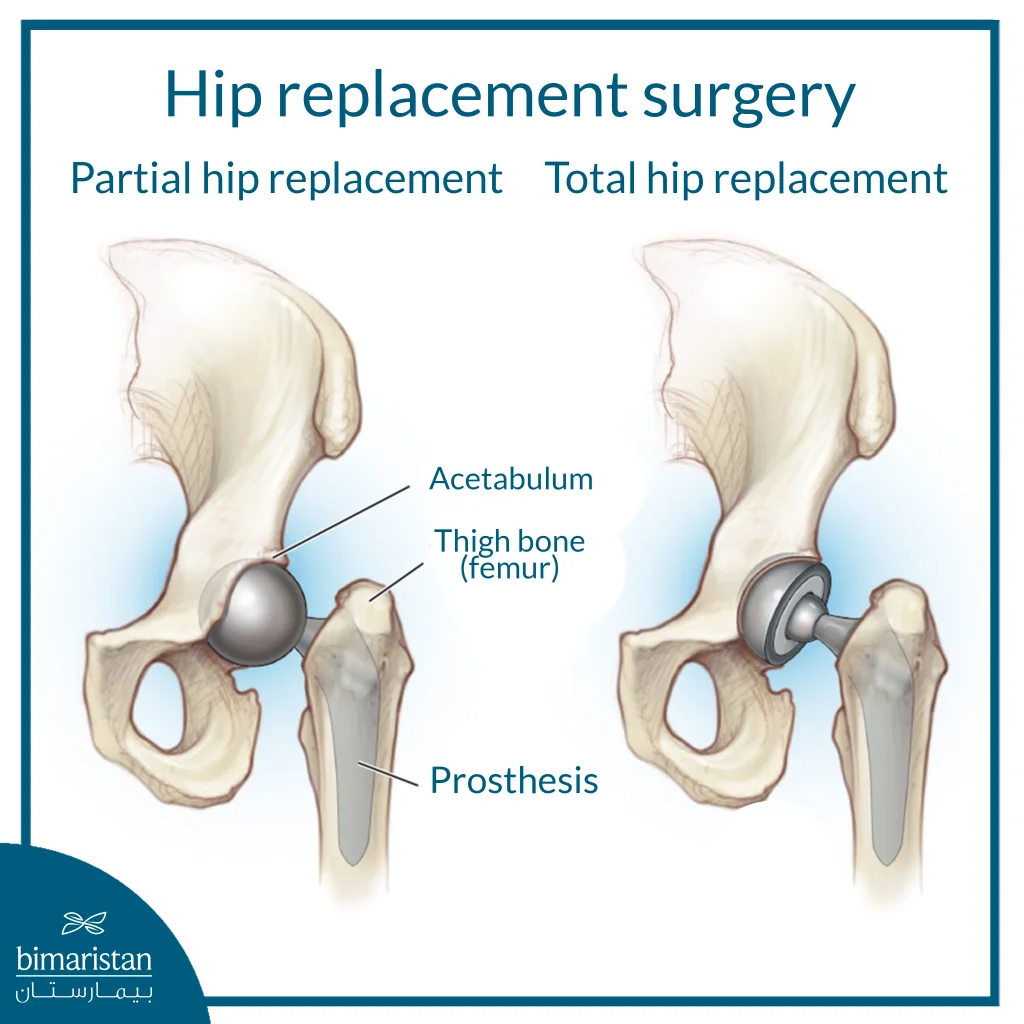
The procedure may involve a total hip replacement, in which both the femoral head and the hip socket are replaced, or a partial hip replacement, which is commonly performed for certain types of hip fractures. Hip replacement surgery is most frequently recommended for advanced osteoarthritis, rheumatoid arthritis, or severe fractures. After surgery, the long-term success of the procedure largely depends on following a structured hip replacement rehabilitation program to restore mobility safely and effectively.
Causes for Hip Joint Surgery
There are several common reasons that make a patient need hip joint surgery in order to restore movement and reduce pain:
- Osteoarthritis: Natural cartilage wear leads to severe pain and difficulty in movement.
- Rheumatoid arthritis: Causes progressive destruction of the joint over time.
- Avascular necrosis of the femoral head: Reduced blood supply to the femoral head leads to joint damage.
- Hip fractures: Especially in elderly patients after falls or accidents.
- Osteoporosis: Weak bones increase fracture risk and affect joint stability.
- Severe sports injuries: Lead to direct damage of the joint.
- Congenital or acquired deformities: Such as hip joint misalignment or asymmetry.
- Failure of previous surgery or old prosthesis: Need for correction or joint replacement.
Importance of Rehabilitation After Hip Joint Surgery
Rehabilitation after hip joint surgery is essential to ensure proper recovery and restoration of natural movement. It helps strengthen the muscles around the hip and improve balance, reducing the risk of falls or joint stiffness and allowing safe performance of daily and sports activities. Adherence to the rehabilitation program also improves blood circulation around the joint, reducing the risk of blood clots and supporting faster healing.
Rehabilitation programs include early mobility exercises, muscle-strengthening training, and instructions on proper movement while sitting, walking, or climbing stairs. Following these exercises ensures that the hip regains its flexibility and function and reduces long-term complications such as muscle weakness or chronic pain. Therefore, adherence to a hip joint surgery rehabilitation program is essential to achieve the best medical and functional outcomes after the operation.
Phases of Rehabilitation After Hip Joint Surgery
After hip joint surgery, following a rehabilitation program is essential to restore normal movement, strengthen surrounding muscles, reduce pain, and prevent complications such as joint stiffness or blood clots, enabling the patient to return safely to daily and sports activities. The main steps include:
Pain control and restoration of movement
This phase focuses on reducing pain and swelling after surgery and gently moving the hip to restore basic range of motion. The patient performs simple exercises under the supervision of a physiotherapist and uses assistive devices such as a cane or crutches when needed. The goal is to prevent joint stiffness, stimulate healing, and enhance blood flow to surrounding tissues, while avoiding excessive pressure on the joint during daily movement.
Strengthening surrounding muscles and improving balance
In this phase, the rehabilitation program after hip joint surgery focuses on strengthening the thigh, gluteal, and surrounding muscles to improve stability and support the hip during movement. Exercises include resistance training and balance exercises using medicine balls or physiotherapy equipment to increase joint endurance and reduce the risk of re-injury during walking or daily activities, with close supervision to adjust intensity according to the patient’s ability.
Gradual return to daily and sports activities
The final phase focuses on advanced exercises that help the patient safely return to sports and daily work. These include long-distance walking, stair climbing, dynamic movements, and flexibility exercises to coordinate muscles with the joint. The goal is to restore full hip strength, flexibility, and balance while minimizing the risk of injury recurrence or joint stiffness, thereby making the hip stable and safe for all essential life activities.

Important Tips After Hip Joint Surgery
After hip joint surgery, there are several important daily steps that help ensure safe recovery and reduce complications without interfering with the rehabilitation program:
- Proper sitting position: Use a raised chair to avoid excessive hip flexion.
- Safe sleeping position: Place a pillow between the knees when sleeping on the side to stabilize the hip.
- Avoid sudden movements: Do not twist the hip or jump to reduce the risk of dislocation or injury.
- Use walking aids, such as crutches or a cane, to reduce pressure on the hip.
- Climb stairs carefully: Go step by step while holding the handrail.
- Pain management: Take medications as prescribed by the doctor to ease pain and improve mobility.
- Wound care: Keep the surgical site clean to prevent infection.
- Balanced nutrition: Eat foods rich in calcium and protein to support healing and strengthen bones.
Complications of Not Adhering to Hip Replacement Rehabilitation
Failure to adhere to a hip replacement rehabilitation program may lead to long-term problems affecting joint strength and normal function. It may also increase pain and delay the patient’s return to daily and sports activities. The main complications include:
- Joint stiffness: Difficulty in moving or bending the hip normally.
- Weak surrounding muscles: Reduced ability to support the joint and increased risk of falls.
- Delayed healing: Slower recovery of normal movement, prolonging rehabilitation.
- Chronic pain: Persistent pain during movement or daily activities.
- Dislocation or instability of the prosthetic joint: Increased risk of implant-related complications.
- Blood clot formation: Poor circulation increases the risk of thrombosis.
- Difficulty returning to sports and daily activities: The hip may not be ready to tolerate normal physical demands.
Advantages of Hip Replacement Rehabilitation in Turkey
Turkey has become a preferred destination for patients requiring hip replacement rehabilitation due to its modern hospitals and specialized medical teams. It provides advanced treatment environments that help patients effectively restore hip strength and natural mobility. The main advantages include:
- Specialized centers: Comprehensive care provided by experienced doctors, surgeons, and physiotherapists.
- Modern equipment and technologies: Use of advanced physiotherapy devices and mechanical training systems to enhance recovery.
- Individualized programs: Rehabilitation plans tailored to each patient’s condition to ensure optimal outcomes.
- Close monitoring: Daily tracking of progress and adjustment of exercise intensity based on patient capacity.
- Affordable cost: Compared to European countries, treatment in Turkey offers high quality at lower cost.
Hip replacement surgery is an important step toward improving mobility and reducing pain caused by osteoarthritis, fractures, or chronic injuries. However, surgical success depends not only on the operation itself but also on adherence to a structured hip replacement rehabilitation program. The rehabilitation process restores muscle strength and flexibility, improves balance, prevents stiffness or long-term complications, and helps the patient safely return to daily and sports activities.
Turkey provides an advanced environment for hip replacement rehabilitation thanks to well-equipped hospitals, specialized medical teams, and close patient follow-up. Bimaristan Center offers comprehensive rehabilitation programs that support the full recovery of hip function, designing individualized plans based on each patient’s condition to ensure optimal medical and functional outcomes. Following post-operative instructions and rehabilitation guidelines is key to achieving full recovery and significantly improving quality of life.
sources:
- Konnyu, K. J., Pinto, D., Cao, W., Aaron, R. K., Panagiotou, O. A., Bhuma, M. R., Adam, G. P., Balk, E. M., & Thoma, L. M. (2023). Rehabilitation for total hip arthroplasty: A systematic review. American Journal of Physical Medicine & Rehabilitation, 102(1), 11–18.
- National Library of Medicine. (2023, August 12). Hip replacement. MedlinePlus. U.S. National Institutes of Health.