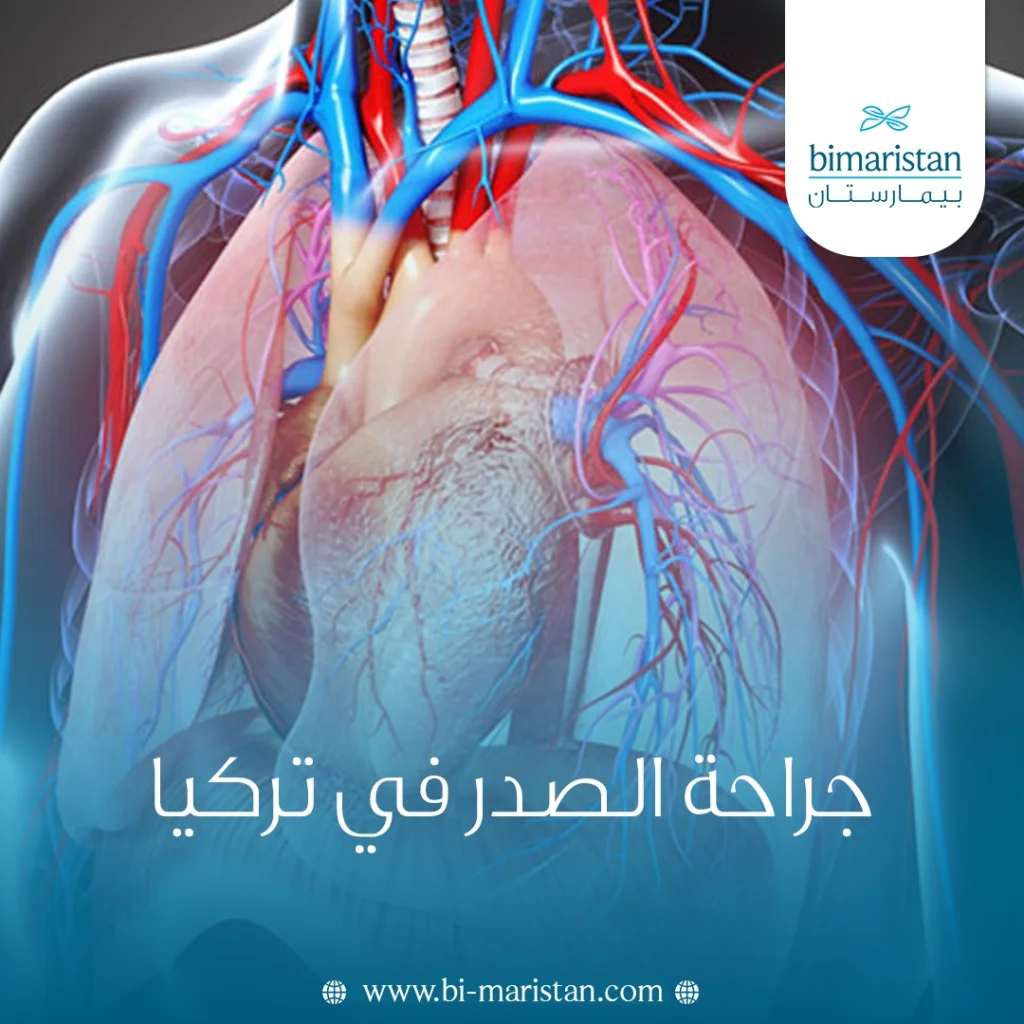
Thoracic surgery in Turkey has seen significant advancements in recent years, thanks to modern techniques that enable many procedures to be performed with greater precision and smaller incisions than traditional surgeries, contributing to improved outcomes and shorter postoperative recovery periods. This specialty is a microsurgical field that requires expertise and advanced techniques to treat various chest diseases and injuries.
Turkey has become a leading destination for thoracic surgery thanks to the development of medical centers and the adoption of modern techniques such as endoscopic and robotic surgery, as well as the availability of specialized medical teams and comprehensive treatment services for patients from abroad. The combination of medical expertise and relatively affordable costs has also contributed to the growing trend of patients choosing to undergo various thoracic surgeries in Turkey.
What is thoracic surgery?
Thoracic surgery is a surgical specialty concerned with the treatment of diseases and injuries affecting the organs within the chest cavity, excluding the heart and major blood vessels, which fall under the scope of cardiac surgery. The chest lies between the neck and abdomen and is separated from the abdomen by the diaphragm; it contains many vital organs and structures that may require surgical intervention.
Thoracic surgery includes procedures performed on the lungs, trachea, bronchi, esophagus, diaphragm, mediastinum, and chest wall—including the ribs, sternum, and surrounding tissues— These procedures can be performed using traditional open surgery or through minimally invasive techniques such as endoscopic and robotic surgery, which rely on small incisions and precision surgical cameras to help perform the procedure with greater accuracy and reduce the postoperative recovery period.
Some chest conditions can be treated with medication or medical follow-up without surgery, while others require surgical intervention to address the problem, prevent progression, and improve the patient’s respiratory function and quality of life.
What conditions are treated with thoracic surgery?
Thoracic surgery involves the treatment of a wide range of diseases and injuries affecting the organs of the chest; these conditions include tumors, respiratory disorders, congenital anomalies, chest injuries, and others.
Lung Diseases
- Lung Cancer
- Benign Lung Tumors
- Bronchiectasis
- Pulmonary Abscesses
- Pneumothorax
- Certain Cases of Infection and Pulmonary Fibrosis
Diseases of the Trachea and Respiratory Tract
- Tracheal Stenosis
- Tracheal Tumors
- Tracheal Relaxation
- Some Respiratory Tract Injuries
Diseases of the pleura and mediastinum
- Pleural Effusion
- Pectoral Diaphragm
- mediastinal Tumors
- Median Bags
Chest Wall Deformities and Injuries
- Pectus excavatum
- The Dove’s Breast
- Chest Fractures and Injuries
- Some deformities of the ribs and sternum
Diseases of the Esophagus and Diaphragm
- Some Esophageal Tumors
- Thoracic Esophageal Disorders
- Complex Diaphragmatic Hernias
Other Cases
- Thymus Tumors
- Hypertrophy of the thymus gland
- Excessive sweating
- Some advanced chest conditions that require surgical intervention
How are chest conditions diagnosed before surgery?
The preoperative diagnosis of chest diseases relies on a series of tests that help determine the nature of the disease and the extent of its involvement in the lungs or other organs within the chest cavity. These tests also help the surgeon select the appropriate surgical technique and assess the patient’s ability to tolerate the procedure.
Clinical Examination and Medical History
Diagnosis begins with a review of the patient’s symptoms, such as shortness of breath, cough, and chest pain, as well as an assessment of the patient’s medical history, lifestyle habits, and previous chronic conditions.
Radiography and Tomography
X-rays and CT scans are used to detect tumors, infections, or chest injuries and to accurately determine the extent and location of the problem.
Bronchoscopy
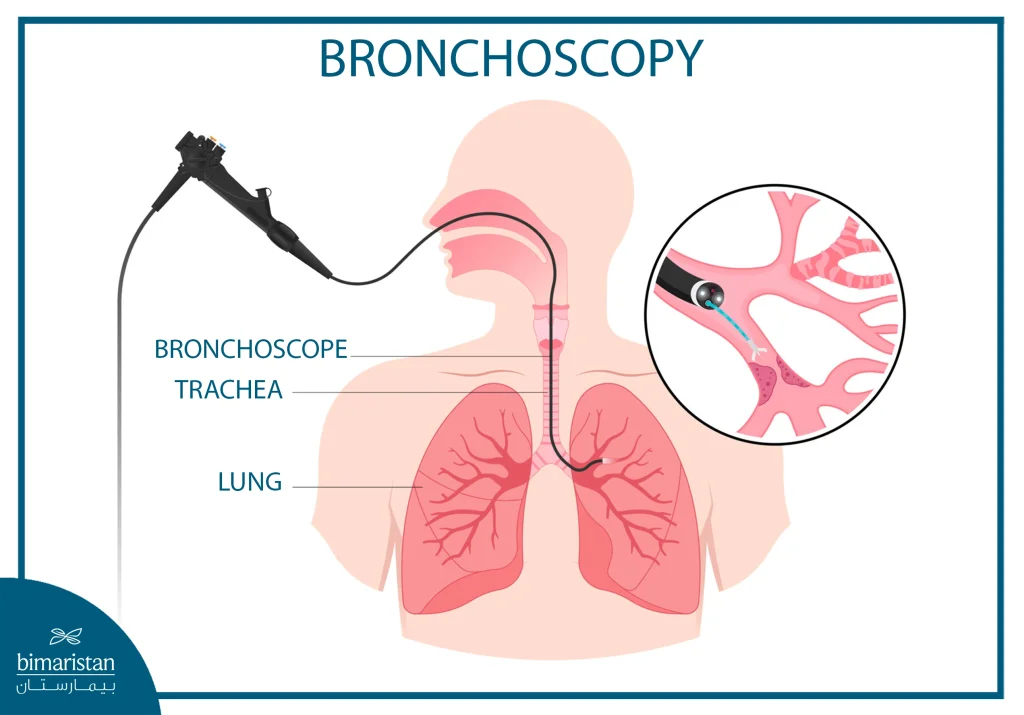
Bronchoscopy helps examine the airways from the inside using a flexible tube equipped with a camera; samples can also be taken from certain suspicious areas during the procedure.
Biopsies and Tests
Your doctor may need to take a biopsy of the lung, mediastinum, or other tissues to accurately determine the type of disease, especially in cases of tumors or chest masses.
Lung Function Tests
These tests assess lung function and the patient’s ability to breathe before surgery and are considered important preoperative tests for many types of chest surgery.
What techniques are used in thoracic surgery?
Thoracic surgery has seen significant advancements with the advent of minimally invasive techniques, enabling many procedures to be performed with greater precision and less pain than traditional surgery. These techniques have also helped reduce hospital stays and speed up postoperative recovery.
Video-Assisted Thoracic Surgery (VATS)
Laparoscopic surgery involves performing the procedure through several small incisions in the chest wall using a miniature camera and long surgical instruments, allowing the surgeon to view the organs inside the chest and perform the procedure without the need for a large surgical incision. This technique is used in many lung, pleural, and mediastinal surgeries, as well as in some esophageal procedures.
Robotic Surgery
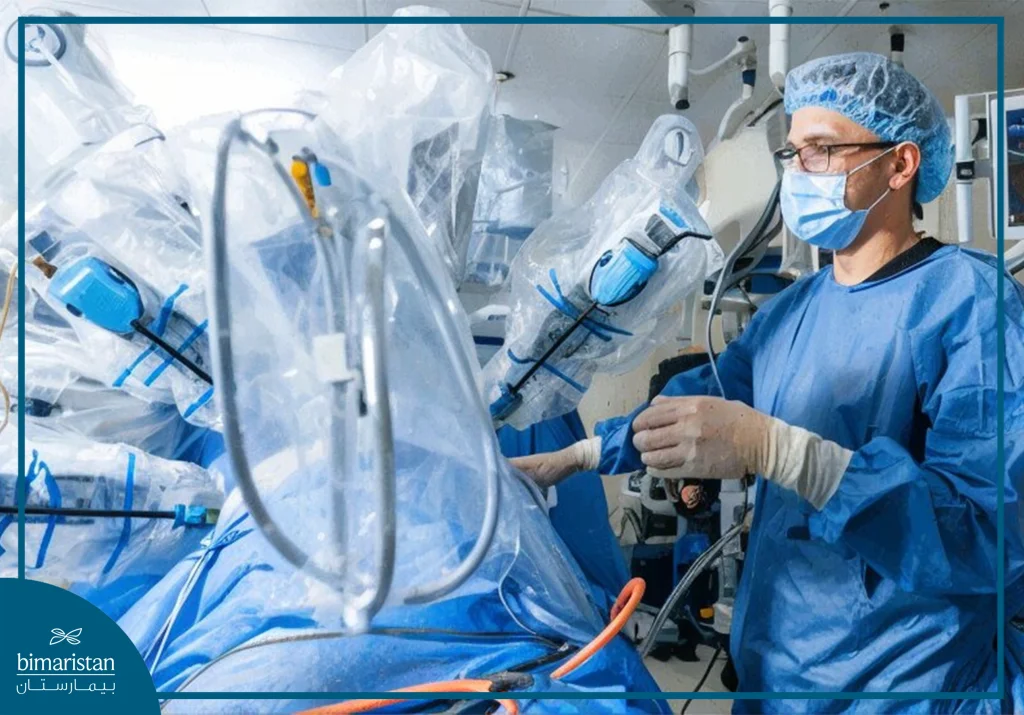
Robotic surgery is one of the latest technologies in thoracic surgery, in which the surgeon controls surgical instruments via a specialized platform that transmits hand movements with high precision to precision instruments inside the chest cavity. This technology provides a clearer field of view and greater flexibility during surgery, which helps perform certain delicate and complex procedures with advanced precision and minimizes damage to surrounding tissues.
Robotic surgery is used in many thoracic surgical procedures, such as certain lung and mediastinal surgeries, as well as robotic thymectomy and other procedures that require high precision within the chest cavity.
Open Surgery
Open surgery is used in some large or complex cases that require direct access to the chest organs, which involves a larger incision compared to minimally invasive techniques. Although the recovery period may be relatively longer, it remains necessary for some advanced tumors or severe chest injuries.
Specialized centers such as Bimaristan base their choice of surgical technique on the type of disease and the stage of the patient’s condition, with the aim of achieving the best possible outcomes and minimizing complications and the postoperative recovery period.
Preparing for Chest Surgery in Turkey
Proper preparation before chest surgery is an important step in reducing complications and improving surgical outcomes, as patients undergo several tests that help the medical team assess their health and select the appropriate surgical plan.
Medical Examinations and Evaluations
The patient may need to undergo blood tests, X-rays, and lung function tests to assess respiratory function before the procedure. Additional tests may also be used to evaluate the heart or to take samples from the lungs or other tissues as needed. These results help the surgeon determine the most appropriate technique and assess potential risks before surgery.
Medications and Smoking
The doctor must be informed of all medications the patient is taking, including over-the-counter medications and supplements, as it may be necessary to stop taking certain medications several days before the procedure. It is also recommended to stop smoking well in advance of chest surgery, as this helps reduce wound complications and improve recovery after the procedure.
Preoperative Instructions
The doctor usually instructs patients to stop eating and drinking several hours before surgery, depending on the type of procedure and the anesthesia used. It is also advisable to plan for the post-operative recovery period and arrange assistance during the first few days after returning home from the hospital, especially for major surgeries.
How are thoracic surgeries performed?
Specialized centers such as Bimaristan rely on modern surgical techniques and precise treatment plans aimed at improving outcomes of thoracic surgery and reducing complications and the postoperative recovery period. The steps of the surgery vary depending on the type of disease and the technique used, but they typically involve the following stages:
- General Anesthesia: The patient is placed under general anesthesia before the procedure, and an endotracheal tube is inserted to assist with breathing during surgery.
- Making Surgical Incisions: The surgeon begins by making the appropriate incisions depending on the type of procedure. The surgery may be open, involving a larger incision, or minimally invasive, using small incisions and endoscopic or robotic techniques.
- Accessing the Affected Organ and Treating the Problem: The surgeon accesses the affected area inside the chest to remove the tumor, repair the damage, or resect the affected portion of the organ, depending on the specific condition.
- Ensuring the patient’s condition is stable: After completing the surgical procedure, the medical team ensures that there is no bleeding or internal complications before concluding the operation.
- Closing the Incisions and Transferring the Patient for Monitoring: The surgical incisions are closed, and the patient is transferred to the recovery room or intensive care unit for monitoring of breathing and vital signs during the first few hours after surgery.
Recovery After Thoracic Surgery
The recovery period after thoracic surgery varies depending on the type of procedure and the patient’s overall health; open surgeries typically require a longer recovery period compared to minimally invasive endoscopic and robotic surgeries. The speed of recovery also depends on adherence to medical instructions, respiratory therapy, and early mobility after surgery.
The first few hours after the procedure
After the surgery is complete, the patient is transferred to the recovery room or intensive care unit to monitor their breathing and vital signs, The breathing tube is removed once the patient’s condition has stabilized, and the patient may require chest tubes to drain fluid or air from the chest cavity during the first few days after surgery.
Movement and Breathing Exercises
The patient is encouraged to gradually move around and walk with assistance from the medical team as soon as their condition allows. Breathing exercises and respiratory therapy are also used to help expand the lungs and reduce the risk of postoperative complications.
Length of Hospital Stay
The length of a hospital stay varies depending on the type of surgery; patients may need only a few days after minimally invasive procedures, while open surgeries may require a longer period of monitoring and recovery.
Returning to Daily Life
Most patients can gradually return to their daily activities and work once their condition improves, but they may be asked to avoid lifting heavy objects or driving for a certain period, depending on the type of surgery. Full recovery may take several weeks or longer for some major surgeries.
Specialized centers such as Bimaristan rely on rehabilitation and follow-up programs that help patients regain respiratory function and speed up their recovery after thoracic surgery.
Risks and Complications of Thoracic Surgery
Thoracic surgery is a delicate procedure that, like any other surgical procedure, may be associated with risks and potential complications; however, the incidence of these complications varies with the type of procedure, the patient’s overall health, the surgical team’s experience, and the techniques used during surgery.
Respiratory Complications
Some respiratory problems may occur after chest surgery, such as pneumonia, pneumothorax, or temporary shortness of breath, especially in patients with pre-existing lung conditions or smokers.
Bleeding and Infections
In some cases, bleeding may occur during or after the procedure, and wounds or internal tissues may become inflamed or infected; therefore, the patient is closely monitored during recovery.
Blood Clots
Major surgeries increase the risk of blood clots, which can travel to the lungs or other organs if not treated early.
Cardiac Complications
Cardiac complications may include arrhythmias, heart failure, or other heart problems, especially in patients with a history of heart disease.
Air or fluid leaks
An air leak may occur from the lung or from certain surgical sites after the procedure, and it may sometimes be necessary to leave the chest tubes in place for an additional period until the condition stabilizes.
Postoperative Pain
Pain after chest surgery is common during the early stages of recovery, but it gradually improves with appropriate treatment and medical follow-up.
In many cases, modern techniques such as laparoscopic and robotic surgery—used at specialized centers like Bimaristan—help reduce the size of surgical incisions, lower the risk of certain complications, and speed up recovery compared to traditional surgery.
The Cost of Chest Surgery in Turkey
The cost of breast surgery in Turkey varies significantly depending on the type of procedure, the technique used, and the complexity of the case, with the cost of some simple procedures starting at around $2,000, while major or complex surgeries may exceed $15,000 in some cases. The cost of breast surgery in Turkey depends on several important factors, the most notable of which are:
- Type of Surgical Technique Used
- The severity of the medical condition
- The Surgeon’s Experience and the Medical Center
- Length of Hospital Stay
- The need for intensive care or rehabilitation
- Preoperative Tests and Laboratory Tests
- The Patient’s Health Status and Associated Complications
The cost may also increase in some cases that require complex procedures or a longer hospital stay; therefore, it is always best to obtain a detailed medical evaluation and a clear treatment plan before determining the final cost of the procedure.
Why do patients choose Turkey for thoracic surgery?
Turkey has become a leading medical tourism destination for thoracic surgery thanks to significant advancements in medical centers and the adoption of modern techniques such as endoscopic and robotic surgery, as well as the availability of surgical teams with expertise in treating a wide range of complex thoracic conditions.
Many patients also prefer to undergo thoracic surgery in Turkey because of the balance between the quality of medical care and affordable costs compared to many other countries, as well as the availability of comprehensive services for international patients, including translation, reception, and medical follow-up throughout their treatment.
In conclusion, thoracic surgery involves treating various diseases of the lungs, trachea, mediastinum, and chest wall using modern techniques that have improved outcomes and shortened postoperative recovery times. With significant advancements in endoscopic and robotic surgery, Turkey has become a leading destination in this field thanks to the availability of specialized centers and advanced surgical expertise. The Bimaristan Center is also committed to helping patients organize their treatment journey and select the appropriate plan for each case, ensuring comprehensive medical care and close follow-up throughout the various stages of treatment.
Sources: